Sage Green Earrings: 2026 Budget & Value Assessment
Discover the true value of sage green earrings in 2026. We assess materials, pricing tiers, and gemstone grades to help you budget wisely.

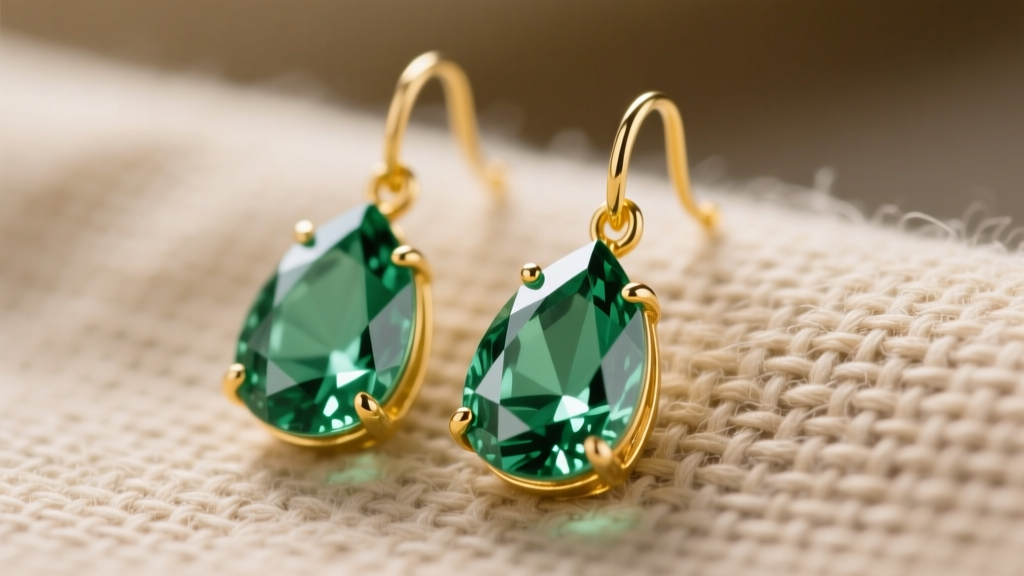
The Material Matrix: What Actually Makes "Sage Green"?
The surge in popularity of earthy, muted tones has made sage green earrings a staple in contemporary jewelry collections. However, the term "sage green" is a color descriptor, not a gemological one. This creates a massive value gap in the market, where consumers often pay premium prices for dyed quartz while overlooking genuinely rare, naturally occurring sage-hued stones. To accurately assess budget and value, you must first understand the materials being sold under this aesthetic umbrella.
According to the Gemological Institute of America (GIA), the most common natural gemstones that exhibit a true sage green hue are prehnite, chrysoprase, green aventurine, and certain grades of jadeite. Each of these possesses distinct physical properties, hardness levels, and failure modes that directly impact their long-term value and durability in earring form.
Green Aventurine: The Budget Standard
Aventurine is a variety of quartz characterized by its translucency and the presence of platy mineral inclusions (usually fuchsite mica) that give it a shimmering effect known as aventurescence. With a Mohs hardness of 6.5, it is durable enough for daily wear. However, because natural sage-toned aventurine is somewhat pale, up to 70% of the budget market relies on dyed stones. If the price point is under $30, assume the stone has been color-treated. Dyed aventurine can leak color when exposed to harsh chemicals or prolonged sweat, making it a poor long-term investment.
Prehnite and Chrysoprase: The Mid-Range Sweet Spot
Prehnite (Mohs 6-6.5) is a calcium aluminum silicate that naturally forms in beautiful, milky sage green clusters. It is slightly brittle due to its distinct cleavage, meaning it should be set in protective bezels rather than prongs for active wearers. Chrysoprase, a nickel-bearing chalcedony, offers a more vibrant, opaque sage tone. While chrysoprase is slightly harder (Mohs 6.5-7), it has a known failure mode: prolonged exposure to direct UV light and heat can cause the stone to fade or turn grayish. Proper storage in a dark jewelry box is mandatory to preserve its value.
2026 Pricing Tiers and Value Assessment
When evaluating sage green earrings, the price is dictated by a combination of gemstone rarity, cut quality, and the metallurgical grade of the hardware. Below is a breakdown of what you should expect to pay in the current market, helping you identify overpriced fashion jewelry and underpriced fine jewelry.
| Value Tier | Primary Material | Hardware / Metal Base | 2026 Price Range | Durability & Value Rating |
|---|---|---|---|---|
| Budget | Dyed Aventurine, Glass, Enamel | Brass, Stainless Steel, Flash-Plated | $15 - $45 | Low (High tarnish/fade risk) |
| Mid-Range | Natural Prehnite, Chrysoprase | 925 Sterling Silver, Gold Vermeil | $60 - $140 | High (Excellent daily wear) |
| Premium | Unheated Jadeite, Tsavorite Accents | 14k / 18k Solid Gold, Platinum | $250 - $800+ | Exceptional (Heirloom grade) |
If you encounter a pair of earrings marketed as "natural chrysoprase" set in "gold-plated brass" for $120, you are overpaying for the setting. True value in the mid-range tier requires a solid 925 silver or titanium base to match the longevity of the natural gemstone.
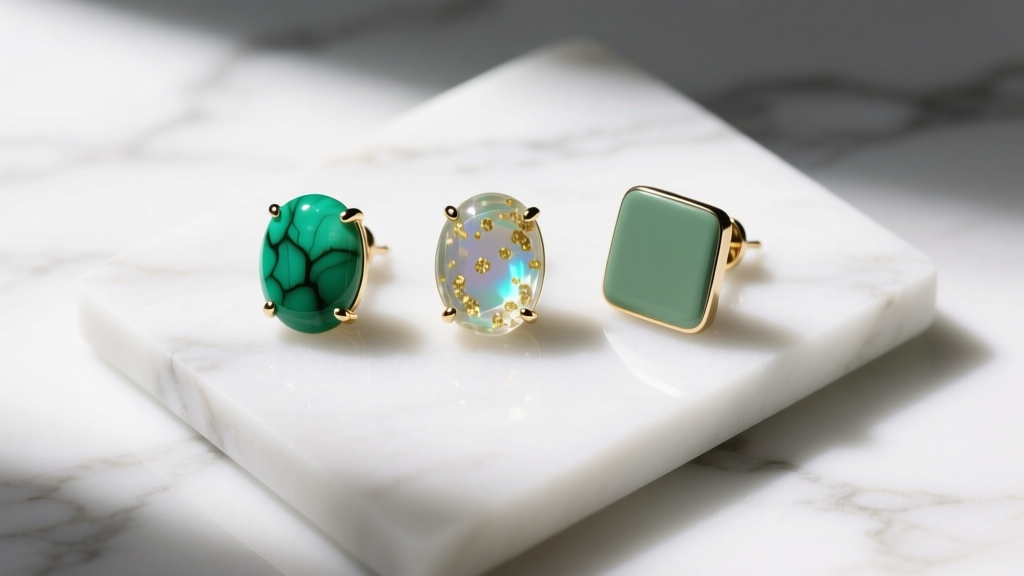
Hardware and Failure Modes: The Hidden Cost of Cheap Metals
The gemstone is only half the equation. The structural integrity of the earring post, clutch, and setting dictates whether a pair will last a season or a lifetime. Many buyers focus entirely on the visual appeal of the sage green stone while ignoring the metallurgical realities of the hardware.
Post Gauge and Bending Risks
Standard earring posts are typically 20-gauge (0.81mm thick). However, to cut costs, many fast-fashion and budget brands use 22-gauge (0.64mm) or even 24-gauge wire. A 22-gauge post is highly susceptible to bending when inserting the earring into a tight piercing channel or when sleeping with them in. Once a thin post bends, it weakens the solder joint at the base of the earring, leading to eventual snapping. Always verify the post thickness; 20-gauge or 18-gauge (1.02mm) is the standard for quality fine jewelry.
Base Metals and Allergic Contact Dermatitis
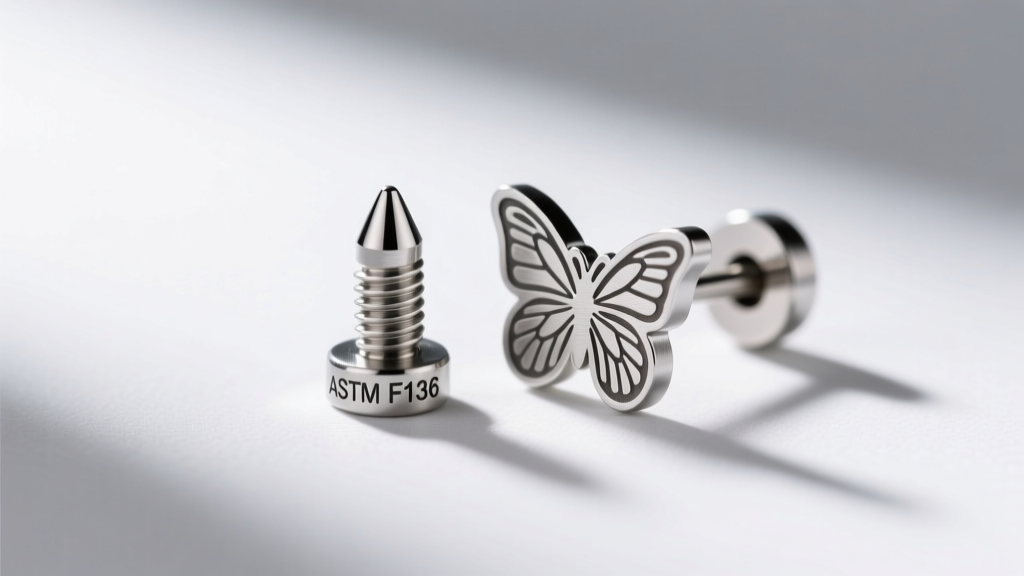
Brass (an alloy of copper and zinc) and nickel-silver are common base metals in budget earrings. These materials frequently cause allergic contact dermatitis. Even if the brass is coated, microscopic wear from the friction of the earring back will expose the base metal to the earlobe. For sensitive ears, the only acceptable budget metals are surgical-grade stainless steel (316L) or, ideally, ASTM F136 implant-grade titanium. Titanium is completely nickel-free and biocompatible, making it the gold standard for earring posts, even when the decorative face is made of less expensive materials.
The Vermeil Trap: Understanding Plating Thickness
When shopping for mid-range sage green earrings, you will frequently encounter the term "gold vermeil." It is crucial to understand the legal and practical definitions of this term to avoid being duped by marketing jargon.
According to the Federal Trade Commission (FTC) Jewelry Guides, for an item to be legally marketed as vermeil in the United States, it must consist of a sterling silver base that has been plated with gold of at least 10-karat fineness, and the gold plating must be a minimum of 2.5 microns thick.
Many brands sell "gold-plated sterling silver" that features a flash plating of only 0.03 to 0.1 microns. This ultra-thin layer will wear away within weeks of daily friction, exposing the silver beneath, which will then oxidize and turn black. When assessing value, look for brands that explicitly state their plating thickness (e.g., "3-micron 14k gold vermeil"). If the micron thickness is not disclosed, assume it is flash-plated and adjust your budget expectations accordingly. A pair of flash-plated earrings should not exceed $40, regardless of the sage green gemstone used.
Value Assessment Checklist for Buyers
Before finalizing a purchase, run the earrings through this rigorous assessment framework to ensure you are getting fair market value:
- Verify the Stone Origin: Does the listing specify "natural," "dyed," or "lab-created"? Natural prehnite and chrysoprase should come with a disclosure of any routine enhancements.
- Inspect the Setting: For stones with a Mohs hardness under 7 (like prehnite), avoid high prong settings that leave the edges exposed to impacts. Bezel or semi-bezel settings offer superior protection and indicate a higher level of craftsmanship.
- Check the Clutch Mechanism: Standard butterfly backs lose tension over time. For heavier sage green drop earrings, look for silicone O-ring backs or screw-back mechanisms to prevent loss.
- Demand Metal Transparency: The listing must explicitly state the base metal (e.g., "Solid 925 Silver" or "ASTM F136 Titanium"). Vague terms like "gold-tone metal" or "alloy" are red flags for cheap zinc or brass mixtures.
- Evaluate the Return Policy: Natural gemstones vary wildly in color. A reputable seller will offer a minimum 14-day return window, acknowledging that the sage green hue on your screen may differ from the stone's actual light absorption properties.
Final Verdict: Where to Invest and Where to Save
If you are buying sage green earrings for occasional wear or trend-testing, budget-tier dyed aventurine set in stainless steel offers acceptable value between $20 and $35. However, for daily wearers and those building a curated, long-term jewelry wardrobe, the mid-range tier offers the highest return on investment. Spending $80 to $120 on natural, undyed prehnite or chrysoprase set in heavy 3-micron gold vermeil or solid 14k gold ensures that your earrings will maintain their structural integrity and aesthetic appeal for years to come. True value lies not just in the beauty of the sage green hue, but in the metallurgical and gemological honesty of the piece.


