Troubleshooting Sarah Cov Earrings Vintage: Repair Guide
Learn how to clean, repair, and convert your Sarah Cov earrings vintage finds. Expert troubleshooting for clip-ons, rhinestones, and tarnish.

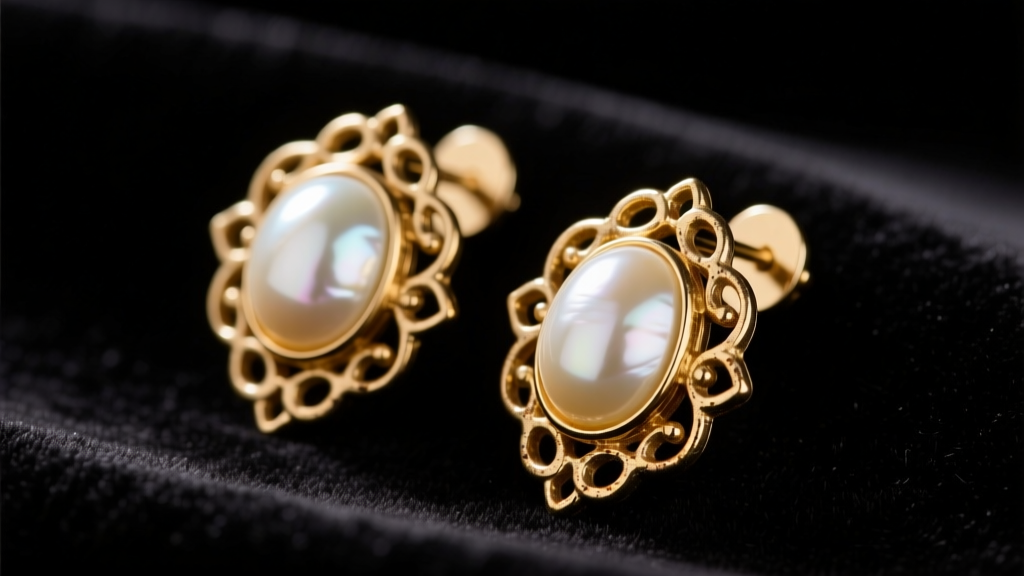
When hunting for sarah cov earrings vintage collectors and jewelry enthusiasts frequently encounter pieces that require immediate rehabilitation. Sarah Coventry, a powerhouse of the home-party costume jewelry era (operating primarily from 1949 to 1984), produced millions of intricate, mid-century designs. However, decades of storage, fluctuating humidity, and the inherent limitations of mid-century costume manufacturing mean that surviving pieces often present specific structural and cosmetic challenges. As a jewelry restoration specialist, I see these pieces daily. Below is a comprehensive, expert-level troubleshooting guide to diagnosing, cleaning, and repairing vintage Sarah Coventry earrings, ensuring they are safe and beautiful for modern wear.
Identifying Authenticity and Base Metal Composition
Before applying any chemical or mechanical repair, you must understand the metallurgy of your piece. Authentic Sarah Coventry earrings are typically hallmarked on the reverse of the clip mechanism or the earring back with stamps such as "Sarah Cov", "Sarah Coventry", "SC", or a copyright symbol (©) alongside the name. According to brand historians at Ruby Lane's vintage jewelry archives, the company predominantly used brass or copper as base metals, heavily plated with gold-tone or silver-tone washes.
Understanding this base metal composition is critical for troubleshooting. Copper and brass are highly reactive. If the earring leaves a green or black mark on the earlobe, it is not a sign of toxicity, but rather a standard oxidation reaction between the exposed base metal, sweat, and skin acids. Recognizing whether the plating is merely dirty or entirely worn through dictates your next repair step.
Troubleshooting Tarnish and Plating Loss
A common mistake novices make is treating vintage costume jewelry like solid fine jewelry. Submerging Sarah Coventry earrings in commercial silver dips or using ultrasonic cleaners will strip the remaining microscopic gold wash and permanently cloud glass stones.
The Dry-Cleaning Protocol
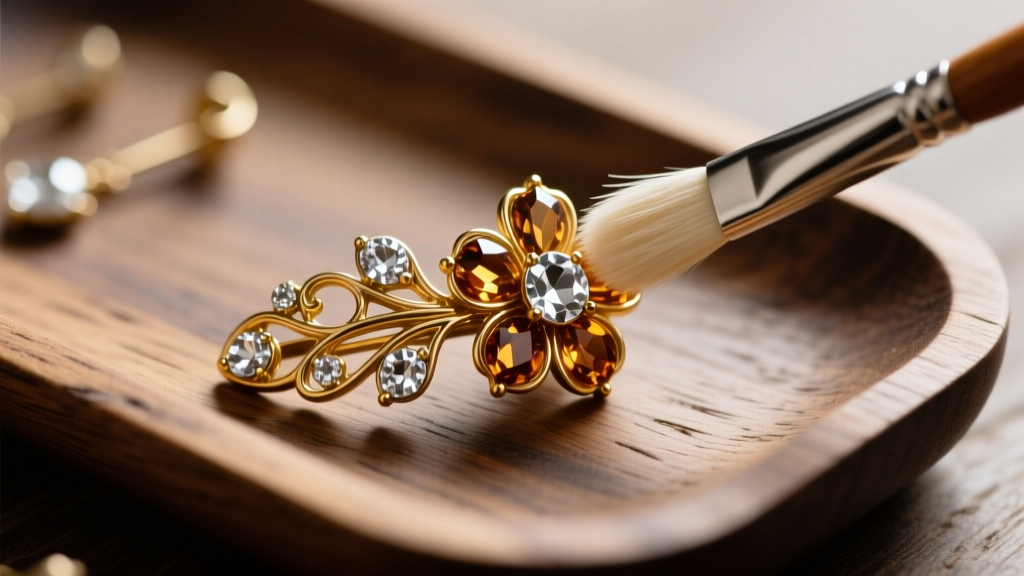
For routine tarnish and surface grime, use a dry, soft-bristled makeup brush to dislodge dust from filigree work. For heavier oxidation on the metal (avoiding any set stones), use a barely damp microfiber cloth with a single drop of pH-neutral dish soap and distilled water. Distilled water is mandatory; tap water contains chlorine and minerals that accelerate copper corrosion.
Addressing Plating Loss and Skin Reactions
If the gold plating has worn away to reveal the raw brass or copper base, replating is rarely cost-effective for costume pieces. Instead, create a modern barrier. In 2026, the most reliable method for preventing green skin and allergic reactions is applying a micro-thin layer of UV-curing jewelry resin or a specialized hypoallergenic nail barrier to the posts and clip pads. This seals the reactive metals without altering the visual aesthetic of the earring's face.
Rescuing Foiled Rhinestones and Enamel
Sarah Coventry frequently utilized foil-backed rhinestones (chatons and navettes) to maximize light refraction. The "foil" is a delicate metallic backing applied to the underside of the glass. If moisture penetrates the setting, the foil oxidizes, turning the stone black or grey—a condition known in the trade as a "dead" stone.
Adhesive Selection for Stone Replacement
When a rhinestone falls out, selecting the correct adhesive is paramount. Standard superglue (cyanoacrylate) releases fumes as it cures, which will permanently frost the surface of glass and acrylic stones. Below is a decision matrix for vintage jewelry adhesives:
| Adhesive Type | Best Use Case | Cure Time | Warnings |
|---|---|---|---|
| Gem-Tac | Foil-backed glass rhinestones, porous settings | 24 hours | Water-soluble until fully cured; avoid high humidity during setting. |
| E6000 Jewelry & Bead | Unfoiled glass, enamel repairs, metal-to-metal | 24-72 hours | High viscosity; can ooze out of shallow settings. Fumes can frost stones. |
| UV Resin (Thin Viscosity) | Sealing enamel chips, securing loose cabochons | 2-5 mins (UV Light) | Requires UV lamp. Can yellow over time if exposed to direct sunlight. |
For sourcing exact replacement stones, measure the empty bezel with a digital caliper to the nearest millimeter. The Fire Mountain Gems adhesive and stone encyclopedia is an invaluable resource for matching vintage chaton sizes and selecting the correct glue for specific backing materials.
Repairing and Adjusting Clip-On Mechanisms
Because pierced earrings were less common during Sarah Coventry's peak production years, the majority of vintage finds are clip-ons. Over time, the tension in these mechanisms fails, resulting in earrings that either pinch the earlobe mercilessly or slide off entirely.
- Paddle Clips: These feature a wide, flat comfort pad. To adjust the tension, hold the earring body firmly and use nylon-jaw pliers to gently squeeze the hinge area. Never use standard steel jewelry pliers, as they will crush the soft brass and strip the gold plating.
- Kidney Clips: Made of a looping wire, these can be adjusted by gently bending the wire loop outward (to loosen) or inward (to tighten) using smooth-jawed chain-nose pliers.
- Screw-Backs: Often found on 1950s pieces, the threaded posts can become stripped. If the screw spins endlessly, the internal threading of the earring nut is compromised. The only fix is to replace the entire screw-back mechanism via soft-soldering.
For immediate comfort on tight paddle clips, apply self-adhesive silicone earring cushions to the metal pads. This not only relieves pressure but also provides grip, preventing the heavy brass earrings from sliding down the earlobe.
The Clip-On to Pierced Conversion Dilemma
Many modern collectors wish to convert vintage clip-ons to pierced earrings. This is a highly complex procedure that carries significant risk to the integrity of the piece.
Why Traditional Soldering Fails
Traditional torch soldering requires heating the brass base to over 1,200°F to flow the solder. Because glass and enamel have different thermal expansion rates than brass, the rapid heat transfer will cause thermal shock, instantly shattering the rhinestones or melting the enamel finish. Furthermore, vintage brass often contains lead or high levels of nickel, which can release toxic fumes when heated with a butane torch.
The Laser Welding Solution
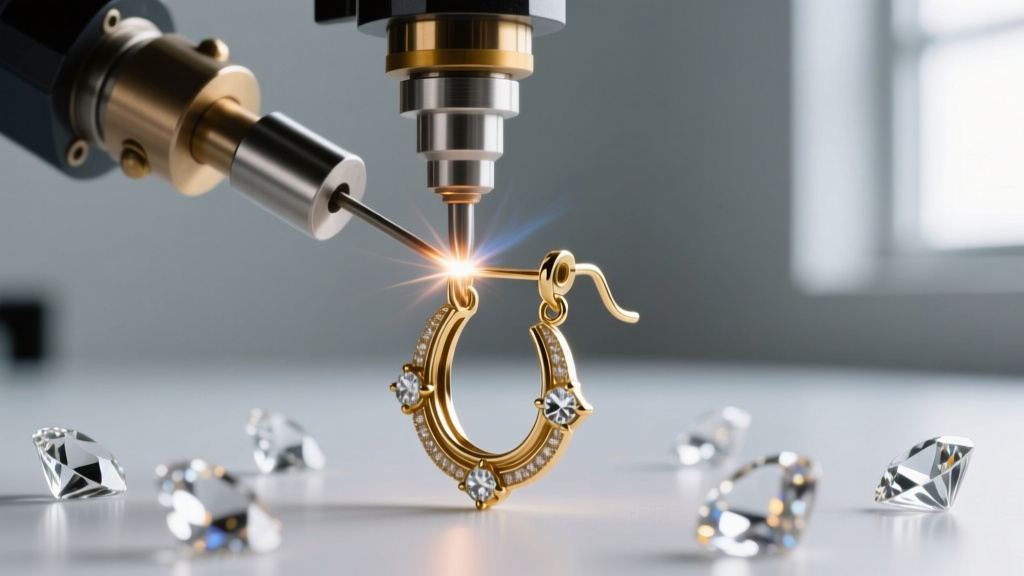
The only safe method for converting vintage Sarah Coventry earrings in a professional setting is laser welding. A jewelry laser welder uses a highly focused beam of light to fuse a new titanium or sterling silver earring post directly to the brass base in a fraction of a millisecond. The heat-affected zone is less than a millimeter, meaning the glass stones remain completely cool and undamaged. If you are attempting a DIY conversion without a laser welder, your safest alternative is to use a high-strength, two-part epoxy to affix a flat-pad earring post to the back of the clip mechanism, though this is considered a semi-permanent, non-heirloom repair.
Sourcing Authentic Replacement Parts
When a piece is missing a signature element, such as a specific faux-pearl cabochon or a branded earring nut, sourcing period-correct replacements maintains the item's historical value. Avoid using modern, bright-white pearls; 1960s Sarah Coventry pearls typically featured a cream or ivory overtone with a slightly matte finish. Scavenge "donor" pieces from broken, unmarked lots on auction sites to harvest original foiled stones, aurora borealis (AB) coated beads, and stamped brass filigree caps. By applying these meticulous troubleshooting techniques, you can rescue and preserve these mid-century masterpieces for decades to come.


