Screw Back Earrings for Adults: Technical Guide to Secure Fit
Discover the technical advantages of screw back earrings for adults. Learn about thread pitches, implant-grade metals, and secure locking mechanisms.

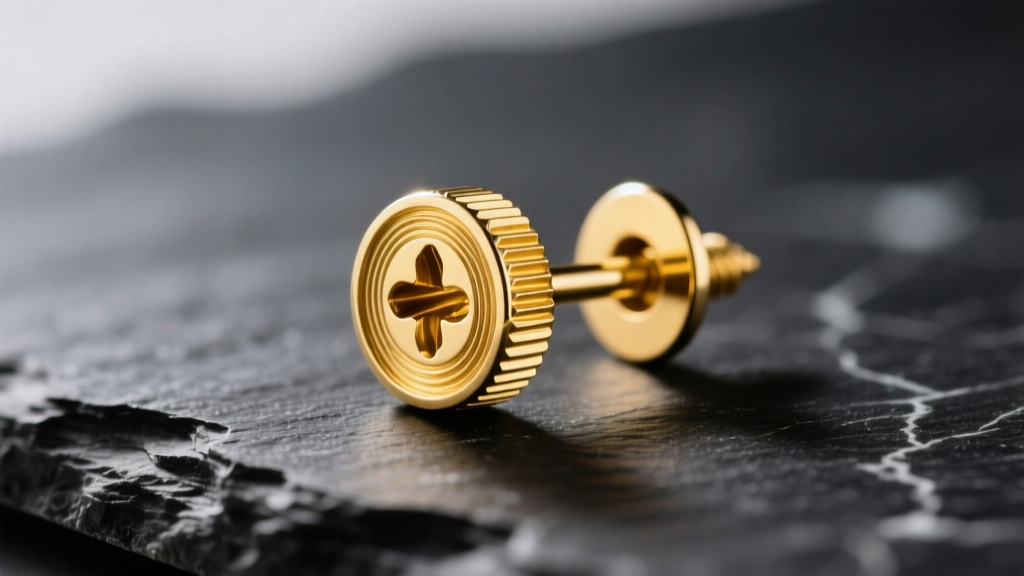
The Paradigm Shift to Screw Back Earrings for Adults
For decades, the butterfly friction back has been the default fastening mechanism for stud earrings. However, as jewelry consumers mature and invest in higher-carat gemstones or heavier precious metals, the mechanical limitations of friction backs become glaringly apparent. Friction backs rely on the spring tension of a thin metal clutch, a mechanism that inevitably degrades over time due to metal fatigue, leading to lost earrings and compromised security. This mechanical flaw is driving a massive shift toward screw back earrings for adults, a demographic that prioritizes permanence, sleep comfort, and the protection of high-value assets.
Unlike friction clutches that merely push onto a grooved post, screw back systems utilize precision-machined helical threading. The nut physically rotates onto the post, creating a mechanical lock that cannot be dislodged by accidental snagging on hair, clothing, or bedding. For adults wearing diamond studs, pearls, or custom gemstone settings, this transition is not merely a matter of convenience; it is an essential risk-management strategy for fine jewelry.
Mechanical Engineering: Thread Pitch and Tolerance
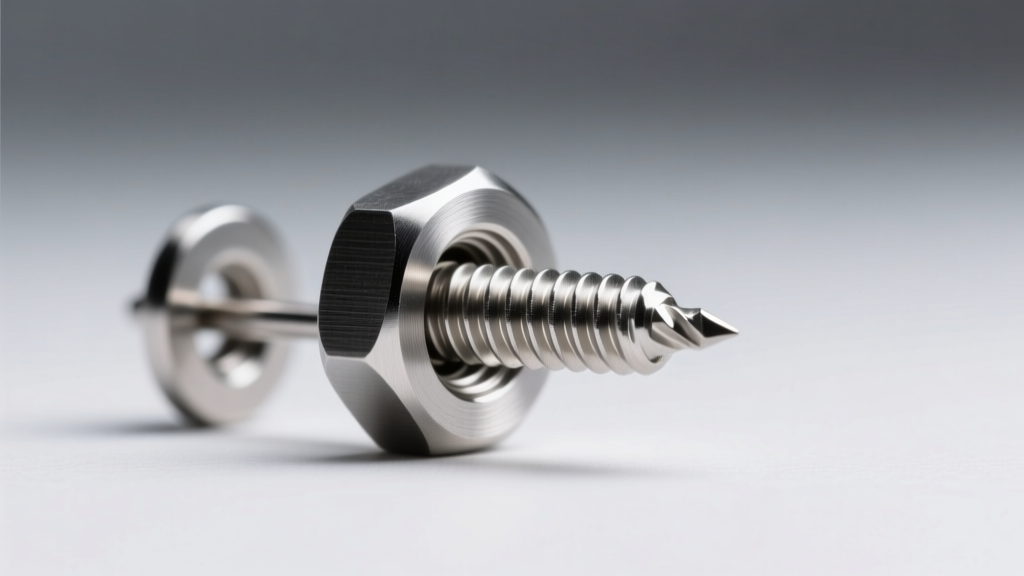
The security of a threaded earring relies entirely on the precision of its machining. In the fine jewelry industry, thread pitch—the distance between the crests of adjacent threads—is typically measured in metric fractions. Most high-end screw back earrings for adults utilize a thread pitch between 0.25mm and 0.40mm. A tighter pitch (more threads per millimeter) provides a more secure lock and a smoother feel against the skin, but requires higher manufacturing precision.
Tolerance is equally critical. If the male threads on the post and the female threads inside the nut are not machined to exact micrometer tolerances, the wearer will experience 'wobble' or play. This micro-movement can lead to premature wear of the threads and irritation of the earlobe tissue. Premium manufacturers utilize CNC (Computer Numerical Control) lathes to cut threads into solid wire stock, ensuring a flawless fit that mass-cast jewelry simply cannot replicate.
Technical Specifications and Gauge Matrix
Selecting the correct post thickness (gauge) is vital for both the structural integrity of the earring and the health of the piercing fistula. Below is a technical matrix detailing standard specifications for adult threaded jewelry.
| Gauge Size | Post Diameter | Standard Thread Pitch | Optimal Use Case |
|---|---|---|---|
| 18g | 1.0mm | 0.25mm - 0.30mm | Lightweight studs, sensitive or newly healed lobes, fine wire settings. |
| 16g | 1.2mm | 0.30mm - 0.40mm | Standard adult daily wear, medium carat weights (0.5ct - 1.5ct). |
| 14g | 1.6mm | 0.40mm - 0.50mm | Heavy gemstones (2.0ct+), stretched earlobes, maximum shear strength. |
While 18g is common in commercial jewelry, 16g is widely considered the gold standard for adult fine jewelry, offering the perfect balance between tissue comfort and the shear strength required to support a heavy gold setting without bending.
Metallurgy and Biocompatibility Standards
The constant friction of threading and unthreading places immense localized stress on the metal. Therefore, the alloy composition must possess high tensile strength while remaining biocompatible for 24/7 wear. According to the Association of Professional Piercers (APP), only specific implant-grade materials should be used for permanent body jewelry.
- Implant-Grade Titanium (ASTM F136): Specifically Ti-6Al-4V ELI (Extra Low Interstitial). This alloy is entirely nickel-free, highly resistant to corrosion, and boasts an exceptional strength-to-weight ratio. It is the premier choice for those with contact dermatitis or metal allergies.
- 14k and 18k Solid Gold: As detailed by the Gemological Institute of America (GIA), gold must be alloyed with other metals for durability. For threaded posts, 14k gold is often preferred over 18k because the higher percentage of alloying metals (like copper or silver) increases the hardness of the threads, reducing the risk of stripping. Ensure the gold is specifically formulated to be nickel-free.
- Platinum: While incredibly dense and hypoallergenic, platinum is a softer, more malleable metal. Platinum threads require careful handling, as over-tightening can easily deform the male threads.
Avoid 'surgical steel' at all costs. This is an unregulated marketing term that frequently contains nickel, which can cause severe allergic reactions when trapped against the skin beneath a tightened screw back nut.
Common Failure Modes: Cross-Threading and Galling
Even the most expensive screw back earrings for adults are susceptible to two primary mechanical failure modes if maintained improperly.
1. Cross-Threading
This occurs when the nut is forced onto the post at an incorrect angle, causing the female threads to cut new, misaligned grooves into the male post. Once a post is cross-threaded, it is permanently compromised. The structural integrity is weakened, and the earring will never seat flush again.
2. Titanium Galling (Cold Welding)
Titanium is notorious for 'galling.' When two pieces of titanium are subjected to high friction and pressure without lubrication, the protective oxide layer on the surface breaks down. The bare metals can literally fuse together at a microscopic level, effectively welding the nut to the post. This is why high-end titanium jewelry often features a post made of titanium but a nut crafted from a harder, dissimilar metal like 14k gold or surgical steel to prevent this exact phenomenon.
Expert Troubleshooting: If your screw back nut feels stuck, never use pliers. Pliers will crush the delicate nut and destroy the threading. Instead, apply a microscopic drop of mineral oil or a graphite-based lubricant to the seam, wait ten minutes, and attempt to unscrew it using rubber gloves for enhanced grip.
The 'Reverse-Turn' Insertion Protocol
To completely eliminate the risk of cross-threading and ensure the longevity of your screw back earrings for adults, professional jewelers recommend the 'Reverse-Turn' protocol for every insertion.
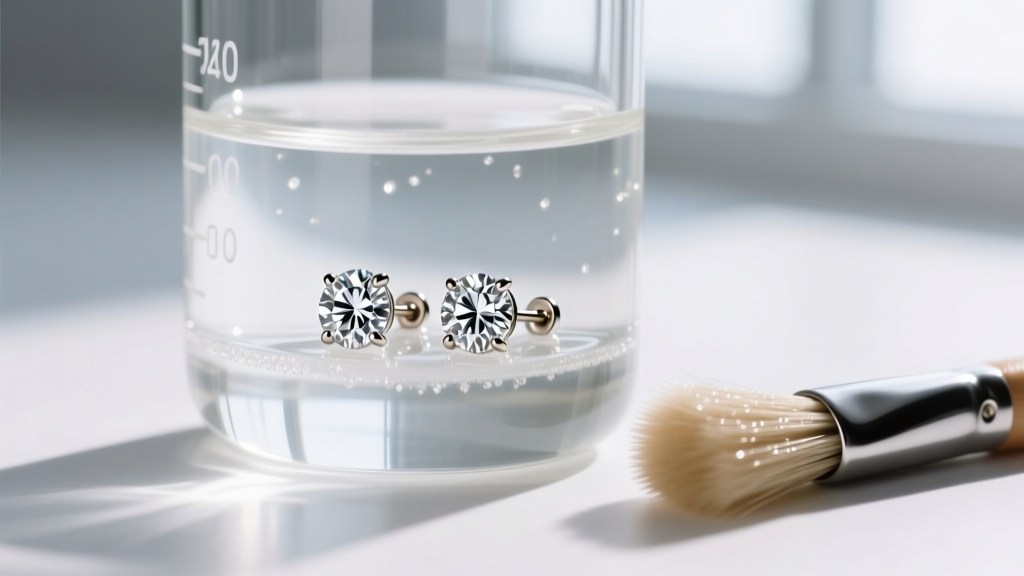
- Clean the Threads: Before insertion, gently brush the post threads with a soft baby toothbrush and mild soap to remove sebum, dead skin cells, and cosmetic residue that can clog the helical grooves.
- Align and Push: Insert the post through the earlobe and bring the nut to the tip of the post. Apply gentle forward pressure.
- The Reverse Turn: Instead of turning right (clockwise) immediately, turn the nut left (counter-clockwise). You will feel and hear a distinct 'click' as the threads drop into perfect alignment.
- Secure the Lock: Once the click is felt, reverse your direction and turn right (clockwise) to tighten the nut until it is snug against the earlobe. Do not over-tighten; finger-tight is sufficient for mechanical security.
Market Pricing and Investment Value
The precision engineering required for reliable threading commands a premium. Mass-produced, cast screw back earrings can be found in the $40 to $80 range, but these frequently suffer from poor thread tolerances and high nickel content. For genuine CNC-machined, implant-grade screw back earrings for adults, expect to pay between $150 and $300 for the gold or platinum settings alone, excluding the cost of the gemstones. High-end custom jewelers and specialized body jewelry brands like BVLA or Maria Tash routinely charge $400 to $800+ for their threaded mechanisms, reflecting the cost of microscopic quality control and premium biocompatible alloys.
Ultimately, the transition to screw back systems is an investment in both peace of mind and jewelry longevity. By understanding the metallurgy, respecting the thread mechanics, and adhering to proper insertion protocols, adults can secure their most prized earrings with absolute confidence.


