Top Materials for Screw Stud Earrings: Biocompatibility & Security
Compare the best metals for screw stud earrings. Discover which materials offer the safest threading, highest biocompatibility, and lasting security.

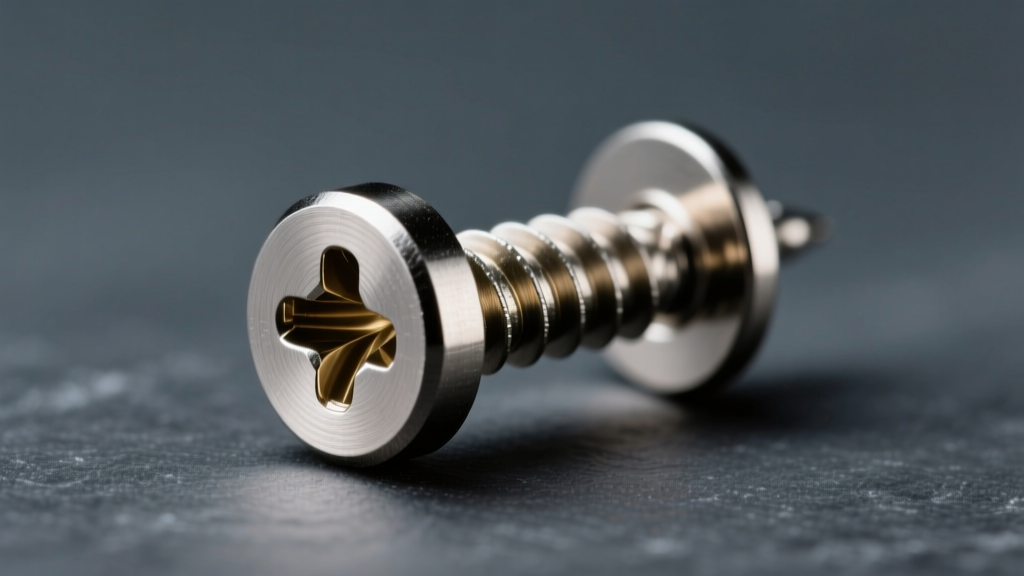
The Mechanics of Screw Stud Earrings: Why Material Matters
When it comes to securing valuable jewelry or protecting sensitive piercings, screw stud earrings are the gold standard for security. Unlike friction-backed push posts that can slip off during sleep or physical activity, screw-back mechanisms lock the earring in place. However, the mechanical advantage of a threaded post introduces a new variable: material wear and biocompatibility. The friction of twisting metal on metal, combined with the body's natural moisture and acidity, means that the alloy you choose dictates not only the longevity of the threading but also the health of your piercing fistula.
Choosing the right metal for screw stud earrings is not merely an aesthetic decision. It requires an understanding of metallurgical hardness, nickel content, and thread precision. A poorly machined screw back in a reactive metal can lead to cross-threading, stripped posts, and severe contact dermatitis. In this comprehensive guide, we break down the exact material properties you need to consider before investing in threaded ear jewelry.
Comprehensive Metal Comparison Chart
To understand how different alloys perform under the mechanical stress of a screw mechanism, we must look at their standardized grades and physical properties. Below is a comparison of the most common metals used in threaded stud earrings.
| Material | Standard / Grade | Nickel Content | Thread Wear Resistance | Avg. Price Range |
|---|---|---|---|---|
| Implant-Grade Titanium | ASTM F136 (Ti-6Al-4V) | 0% (Nickel-Free) | Exceptional (High Hardness) | $40 - $120+ |
| Surgical Stainless Steel | ASTM F138 (316L) | 8% - 12% | Moderate (Prone to Stripping) | $15 - $45 |
| 14k Gold (Yellow/White) | 58.5% Pure Gold | Varies (Alloy Dependent) | Good (Harder than 18k) | $150 - $400+ |
| 18k Gold | 75% Pure Gold | Varies (Alloy Dependent) | Fair (Softer, Threads Wear) | $250 - $800+ |
| Platinum | 95% Pt / 5% Ru | 0% (Nickel-Free) | Excellent (Dense & Durable) | $500 - $1,500+ |
The Threading Vulnerability: External vs. Internal
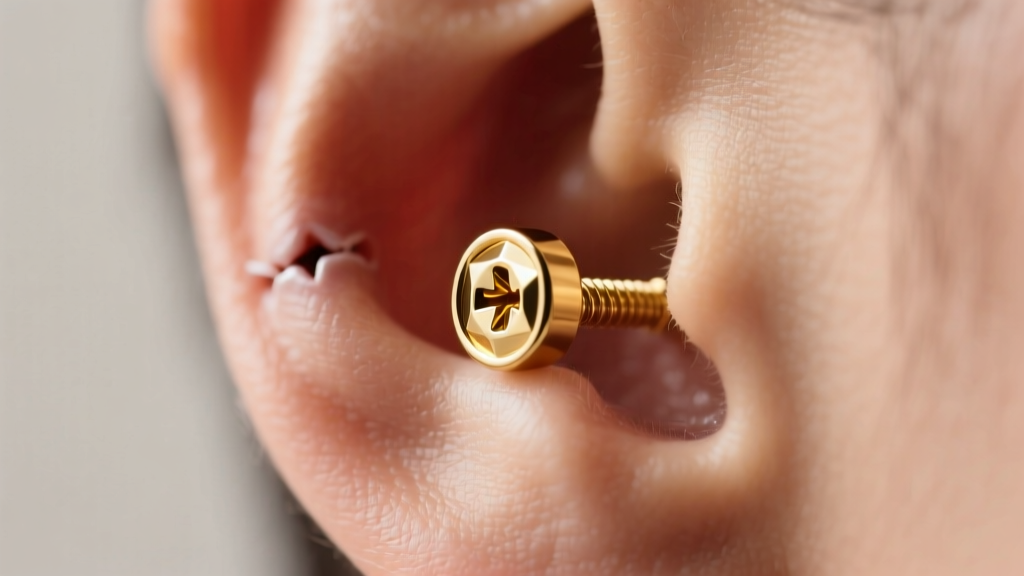
Before diving into specific alloys, we must address the structural design of the threads. The Association of Professional Piercers (APP) strongly advises against externally threaded jewelry for fresh or healing piercings. In standard, mass-market screw stud earrings, the post itself has external threads (ridges on the outside). When you push and twist this post through the ear, those sharp threads act like a cheese grater on the delicate fistula tissue, causing micro-tears and introducing bacteria.
High-end body jewelry brands solve this by utilizing internal threading. In this design, the post is completely smooth and hollow. The screw mechanism is located on a tiny pin attached to the earring back, which inserts into the post. When shopping for premium screw stud earrings, especially for cartilage or healing lobes, always verify whether the threading is internal or external. The material's hardness matters significantly more in external threading, as softer metals will degrade rapidly against the skin and bone.
Deep Dive: Material Properties and Wear Resistance
Implant-Grade Titanium (ASTM F136)
Implant-grade titanium is the undisputed champion for sensitive ears and fresh piercings. Specifically, you want Ti-6Al-4V (ASTM F136), which is the exact alloy used in medical joint replacements. Titanium is highly resistant to corrosion from sweat and sebum, ensuring the threads do not seize up over time. Because titanium has a high Vickers hardness rating compared to precious metals, the threads on a titanium screw stud are incredibly difficult to strip. Furthermore, it is 100% nickel-free, eliminating the risk of allergic contact dermatitis, which is a common complication when reactive metals are trapped tightly against the skin by a secure screw back.
Surgical Stainless Steel (ASTM F138)
Often marketed as "hypoallergenic," 316L surgical steel is a budget-friendly staple. However, it contains between 8% and 12% nickel. While the nickel is typically bound within the alloy, the friction of screwing and unscrewing the back can cause microscopic abrasions, releasing nickel salts into the skin. Additionally, 316L steel is softer than titanium. Over years of daily wear, the external threads on a steel post can wear down, leading to a loose fit where the screw back no longer locks securely, defeating the entire purpose of the mechanism.
14k and 18k Gold Alloys
Gold is a naturally soft, malleable metal. Pure 24k gold would be useless for a screw mechanism, as the threads would deform after a few uses. Therefore, gold must be alloyed with metals like copper, zinc, or silver to increase its durability. According to the Gemological Institute of America (GIA), 14k gold (58.5% pure gold) is significantly harder and more durable than 18k gold (75% pure gold). If you are purchasing gold screw stud earrings that you plan to twist on and off daily, 14k gold will maintain its thread integrity much longer than 18k gold. However, be cautious of white gold, which is often alloyed with nickel to achieve its silvery color; always opt for nickel-free white gold alloyed with palladium if you have metal sensitivities.
Gauge Sizes, Thread Pitch, and Failure Modes
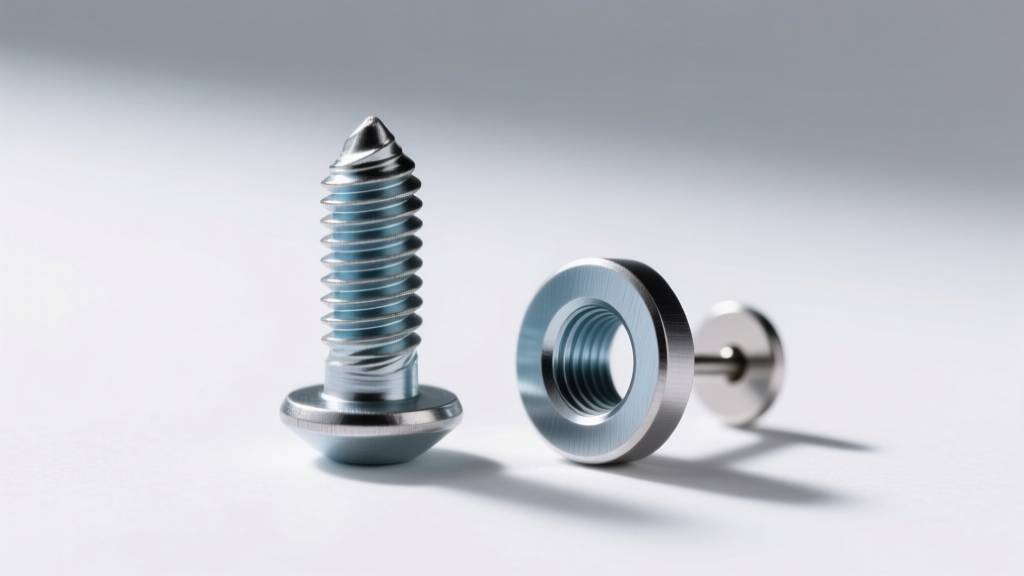
A common failure mode with screw stud earrings occurs when users attempt to mix and match earring posts and backs from different manufacturers. Thread pitch—the distance between the peaks of the threads—varies by gauge and brand.
- 20 Gauge (0.81mm): Typically features a very fine thread pitch (often 0.2mm to 0.3mm). Highly susceptible to cross-threading if forced.
- 18 Gauge (1.02mm): The standard for most commercial lobe earrings. Usually utilizes a 0.25mm pitch.
- 16 Gauge (1.29mm): Common in cartilage and high-end body jewelry. Features a wider, more robust thread pitch (often 0.3mm to 0.4mm) that is much more resistant to stripping.
If you attempt to screw a 16g back onto an 18g post, or mix brands with slightly different manufacturing tolerances, you will cross-thread the metal. Once a thread is cross-threaded and forced, the post is permanently damaged and must be replaced.
Troubleshooting Cross-Threading and Stripped Backs
Even with high-quality implant-grade titanium, user error can lead to mechanical failure. If your screw back feels stuck or refuses to catch the thread, do not force it. Forcing it will shave off the microscopic ridges of the metal, creating sharp burrs that will tear your earlobe.
Expert Troubleshooting Tip: If a screw back is seized due to dried sebum or sweat buildup in the threads, apply a single drop of pure jojoba oil or sterile saline to the junction. Let it sit for five minutes to break down the biological debris, then gently attempt to unscrew it counter-clockwise. Never use chemical solvents or pliers on precious metal jewelry.
To prevent cross-threading, always start by turning the back counter-clockwise (lefty-loosey) until you feel a subtle "click" or drop. This indicates the threads have perfectly aligned. Only then should you begin turning clockwise to tighten.
Final Verdict: Matching Material to Piercing Type
The ideal material for your screw stud earrings depends entirely on the piercing's location and healing status. For fresh or healing piercings, internally threaded, implant-grade titanium (ASTM F136) is non-negotiable. It guarantees biocompatibility and prevents tissue trauma during insertion. For fully healed standard lobe piercings where the jewelry is removed frequently for cleaning or sports, 14k gold or high-quality surgical steel with precision-machined external threads offer a balance of aesthetic appeal and mechanical security. Ultimately, investing in precision-machined metals ensures that the security of a screw back doesn't come at the cost of your skin's health.


