What Earrings Are Good for Sensitive Ears? A Care & Cleaning Guide
Discover what earrings are good for sensitive ears and learn expert cleaning routines to prevent allergic reactions and irritation.

Decoding Metal Allergies: Why Your Ears React
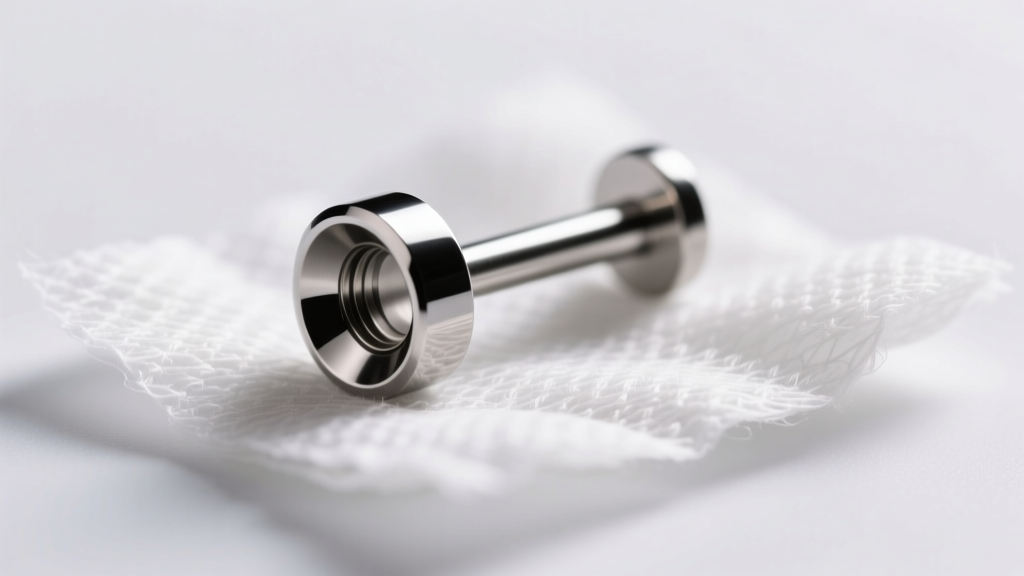
When dealing with irritated piercings, the most common question we hear is: what earrings are good for sensitive ears? The answer goes far beyond simply buying a pair labeled "hypoallergenic." According to the American Academy of Dermatology, nickel allergy is the leading cause of allergic contact dermatitis, affecting nearly 18% of the global population. However, many earrings marketed as safe for sensitive ears still contain trace amounts of nickel or other reactive alloys like copper and brass.
Furthermore, a significant percentage of "allergic reactions" are actually irritant contact dermatitis caused by poor earring maintenance. When sebum, dead skin cells, and environmental pollutants accumulate on the earring post, they create a biofilm. This biofilm harbors bacteria and creates an acidic microenvironment that degrades the metal surface, leading to redness, swelling, and weeping piercings. To truly protect sensitive ears, you must pair the correct metallurgical grades with a rigorous, scientifically sound cleaning protocol.
What Earrings Are Good for Sensitive Ears? The Material Hierarchy
Before diving into maintenance, we must establish a baseline of safe materials. The Association of Professional Piercers (APP) strictly recommends specific ASTM (American Society for Testing and Materials) grades for initial and sensitive piercings. Here is how the most common metals stack up for reactive ears.
| Material | Required Grade / Purity | Nickel Content | Maintenance Profile | Avg. Price Range |
|---|---|---|---|---|
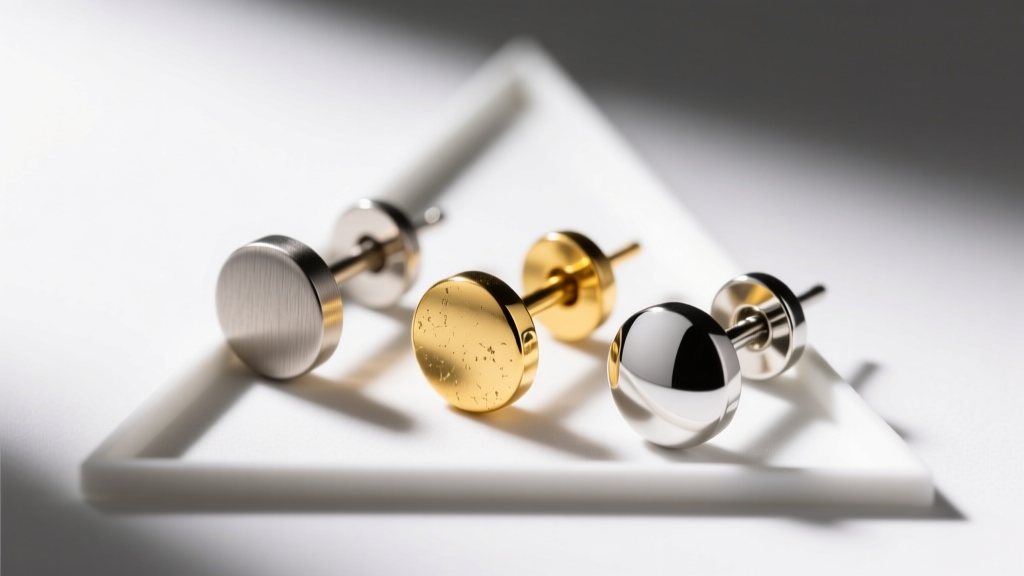
| Implant-Grade Titanium | ASTM F136 (Ti-6Al-4V ELI) | 0% (Nickel-Free) | Highly resistant to tarnish; easy to clean | $25 - $80+ |
| Niobium | 99.99% Pure (Unalloyed) | 0% (Nickel-Free) | Softer metal; requires gentle polishing | $20 - $60 |
| Yellow / Rose Gold | 14k or 18k (Nickel-Free Alloy) | 0% (If alloyed with Ag/Cu) | Prone to sebum buildup; needs regular washing | $50 - $250+ |
| Platinum | 950 Platinum (Pt950) | 0% (Nickel-Free) | Inert and heavy; extremely low maintenance | $150 - $500+ |
| Surgical Steel | 316L or 316LVM | 8% - 12% (Trapped in alloy) | High risk of leaching if scratched; avoid | $10 - $40 |
Expert Note: White gold is a major trap for sensitive ears. It is frequently alloyed with nickel to achieve its silvery color. Unless explicitly certified as palladium-based white gold, avoid it entirely.
The Hidden Culprit: How Poor Maintenance Triggers Flare-Ups
Even if you are wearing flawless ASTM F136 titanium, your ears can still become inflamed if the jewelry is not properly maintained. The human body naturally sheds millions of skin cells daily, and the sebaceous glands in your earlobes produce sebum to lubricate the skin. When you wear earrings continuously, this organic matter packs tightly against the earring post and the backing.
Over time, this mixture oxidizes and forms a hardened, grayish crust often referred to as "ear cheese." This buildup does three damaging things:
- Creates Friction: Hardened sebum increases the diameter of the earring post, causing micro-tears in the delicate fistula (the piercing channel) during insertion and removal.
- Traps Moisture: Organic buildup acts like a sponge, trapping water from showers and sweat, creating a breeding ground for yeast and bacteria.
- Degrades Metal Finishes: The acidic nature of decomposing skin cells can slowly eat away at lower-karat gold alloys or plated metals, exposing reactive base metals underneath.
Daily vs. Weekly Cleaning Protocols
To prevent these issues, sensitive ears require a bifurcated care routine. Daily maintenance should be passive and non-irritating, while weekly deep cleaning should involve active removal of the jewelry and thorough sanitation.
Step-by-Step Cleaning Guide for Hypoallergenic Earrings
When you finally take your earrings out for a deep clean, the chemicals you use matter immensely. Harsh chemicals like rubbing alcohol, hydrogen peroxide, and bleach can degrade the polished mirror finish of titanium and gold. A rough, pitted surface will harbor bacteria and cause friction against sensitive tissue. Follow this exact protocol to safely sanitize your jewelry.
- Prepare a Saline Soak: In a clean glass dish, mix 1 cup of warm distilled water with 1/4 teaspoon of non-iodized sea salt (creating a 0.9% isotonic saline solution). Alternatively, use a sterile, canned 0.9% wound wash saline.
- Soak to Loosen Debris: Submerge the earrings completely for 10 to 15 minutes. This softens hardened sebum and biofilm without the need for aggressive scrubbing.
- Detail the Post and Threads: Using a brand-new, soft-bristled baby toothbrush or a foam interdental brush, gently sweep the earring post. If you wear internally threaded or threadless jewelry, pay special attention to the threading or the pin hinge, where debris loves to hide.
- Rinse with Distilled Water: Tap water contains trace minerals and chlorine that can leave microscopic deposits on the metal. Rinse the jewelry thoroughly under distilled water.
- Dry Completely: Use a lint-free microfiber cloth or a burst of cool air from a hair dryer. Never put damp earrings back into a sensitive piercing, as trapped moisture invites fungal growth.
Storage and Handling: Preventing Cross-Contamination
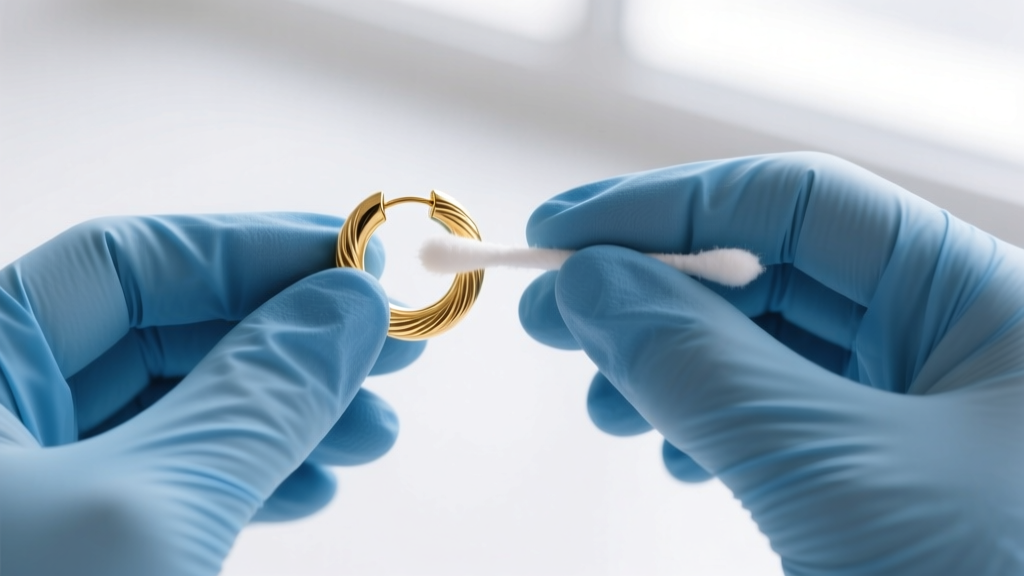
How you store your earrings when they are not in your ears is just as critical as how you clean them. Tossing sensitive-ear-friendly jewelry into a communal jewelry box is a recipe for cross-contamination. If a reactive metal earring (like cheap brass or nickel-laced steel) touches your titanium or gold pieces, microscopic particles can transfer, triggering a reaction the next time you wear them.
- Use Individual Pouches: Store each pair of high-quality earrings in its own soft, anti-tarnish flannel pouch or a sealed silicone baggie.
- Control Humidity: Moisture accelerates the oxidation of alloyed metals. Keep a few silica gel packets in your jewelry drawer or storage box to maintain a dry environment.
- Sanitize Before Insertion: Even if the earrings were cleaned before storage, always wipe the post with a sterile saline wipe or a 70% isopropyl alcohol pad immediately before inserting them into your ear. (Note: Alcohol is fine for sanitizing the *metal* post right before insertion, but should never be used to clean the *skin* or the piercing channel itself).
Troubleshooting: When "Safe" Earrings Still Cause Irritation
You have verified the metal grade, you have followed the cleaning protocol, but your ears are still red and itchy. What gives? In our experience, when certified safe metals fail, the issue usually lies in the mechanical design of the earring or the gauge size.
The Problem with Butterfly Backings
Standard friction-back (butterfly) earrings are notorious for causing issues in sensitive ears. The butterfly clutch traps moisture and dead skin directly against the back of the earlobe. Furthermore, the tight pressure cuts off localized circulation, leading to pressure necrosis and swelling. The Solution: Switch to flat-back labret studs. A flat titanium disc distributes pressure evenly across the back of the ear and allows for proper airflow and drainage.
Gauge Size and the "Cheese Cutter" Effect
Most standard fashion earrings are manufactured at 20-gauge (0.81mm) or even 22-gauge (0.64mm). While these thin posts are easy to push through the ear, they offer very little surface area. If the earring is slightly heavy, or if it gets snagged on a sweater, the thin wire acts like a cheese cutter, slicing through the delicate tissue of the fistula and causing chronic inflammation. For sensitive, easily irritated lobes, upgrading to an 18-gauge (1.02mm) or 16-gauge (1.29mm) post provides structural stability, reduces movement, and significantly minimizes mechanical irritation.
Ultimately, answering the question of what earrings are good for sensitive ears requires a holistic approach. By investing in verified implant-grade materials, abandoning butterfly backings, and committing to a gentle, saline-based cleaning routine, you can enjoy wearing earrings every day without the pain of chronic inflammation.


