Sheila Earrings Buying Guide: Enamel, Silver & Gold Tips
Discover our expert 2026 buying guide for Sheila earrings. Learn how to choose vitreous enamel, check silver hallmarks, and ensure the perfect lobe fit.

The Heritage and Appeal of Sheila Earrings
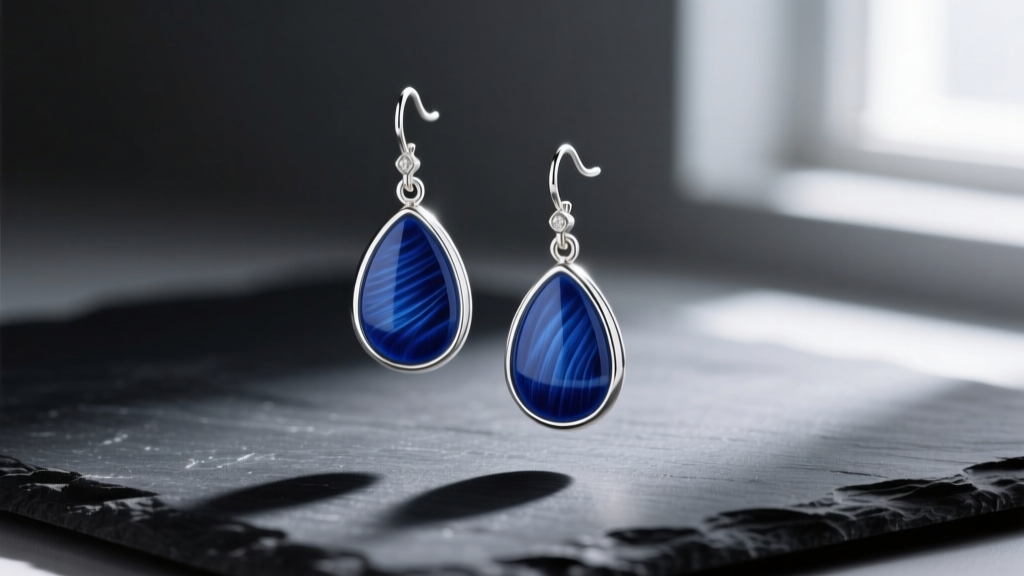
When collectors and jewelry enthusiasts search for Sheila earrings, they are most often referring to the iconic, nature-inspired creations originating from the Orkney Islands of Scotland. Pioneered by designers like Sheila Fleet, these earrings are celebrated for their intricate vitreous enamel work, Celtic motifs, and deep connection to coastal landscapes. However, the secondary market and artisan replicas in 2026 have made authentication and quality assessment more critical than ever. Whether you are investing in a pair of vintage Sea Life drops or purchasing contemporary sterling silver studs directly from an Orkney atelier, understanding the metallurgy and enamel techniques is essential.
This comprehensive buying guide will walk you through the exact material grades, hallmarking standards, and structural details you must inspect before adding Sheila earrings to your collection.
Decoding the Metals: Sterling Silver vs. 18k Gold
Authentic artisan earrings from the Orkney tradition are predominantly crafted in precious metals. The base metal dictates not only the price but also the longevity and skin compatibility of the piece.
Sterling Silver (925)
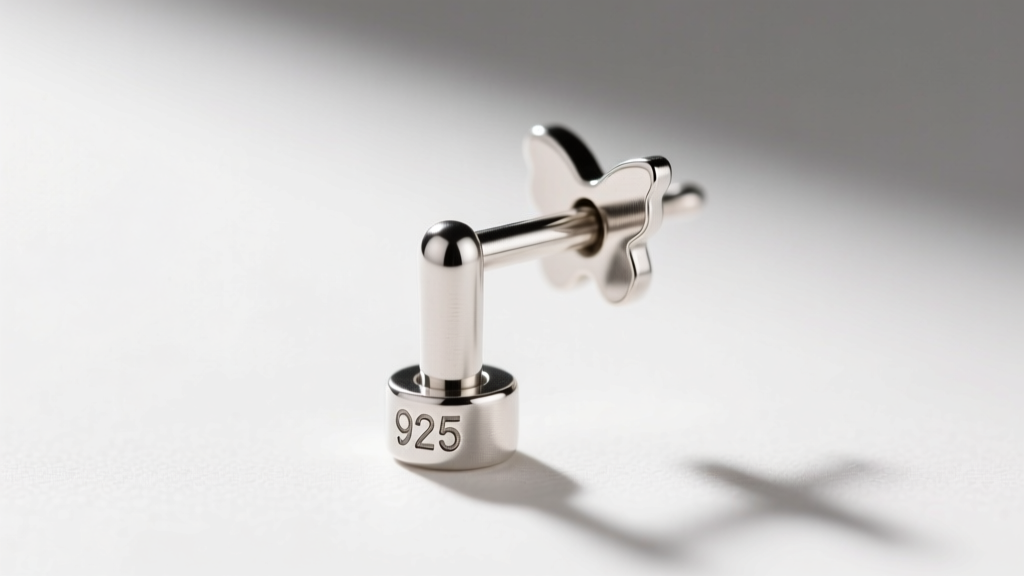
The vast majority of Sheila earrings are cast in 925 sterling silver. This alloy contains 92.5% pure silver and 7.5% copper for structural integrity. When buying, always inspect the reverse of the earring or the post for the '925' stamp and the official Assay Office hallmark. According to The Edinburgh Assay Office, a full UK hallmark on silver over 7.78 grams includes the maker's mark, the fineness mark (925), and the assay office symbol (an Edinburgh castle).
18k Gold (750) and Bimetallic Designs
For premium collections, 18k yellow or white gold (750 parts per thousand pure gold) is used, either as the primary metal or as accent wire wrapped around silver enamel panels. White gold pieces should be checked for rhodium plating wear, especially on the earring posts where friction occurs.
Vitreous Enamel vs. Cold Enamel: The Critical Difference
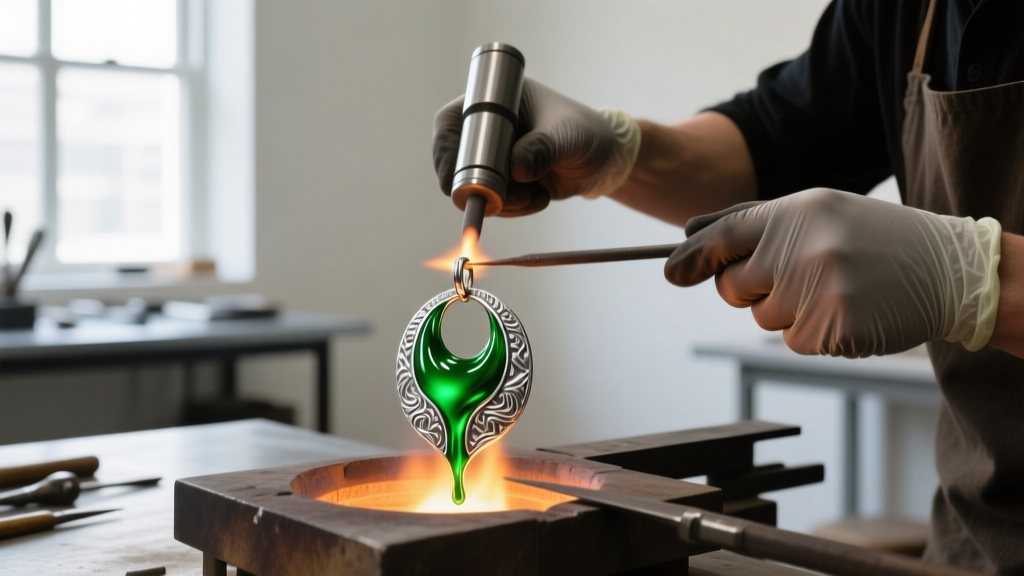
The defining characteristic of high-end Sheila earrings is the use of vitreous enamel. This is not paint or plastic; it is essentially glass. Enamel powder is packed into recessed metal cells (cloisonné) or applied to a textured surface (champlevé) and fired in a kiln at approximately 800°C. This fuses the glass to the silver at a molecular level.
In the 2026 market, you will encounter cheaper imitations using 'cold enamel' (epoxy resin). Here is how to tell them apart:
| Feature | Vitreous Enamel (Authentic) | Cold Enamel / Resin (Imitation) |
|---|---|---|
| Light Refraction | Deep, glass-like translucency | Flat, plastic-like opacity |
| Temperature Tolerance | Withstands high heat | Melts or yellows under heat |
| Scratch Resistance | High (similar to glass) | Low (scratches with a fingernail over time) |
| Surface Feel | Cool to the touch | Room temperature / warm |
For a deeper dive into the historical context and chemical makeup of these techniques, the Victoria and Albert Museum's guide on enamel provides an excellent academic overview of vitreous fusing.
Anatomy of the Fitting: Posts, Hooks, and Gauges
Artisan enamel earrings can be surprisingly heavy due to the density of the glass and silver. Therefore, the structural integrity of the fitting is paramount.
Post Gauges and Tension
Standard stud and drop earrings typically feature a post gauge of 0.8mm (20-gauge) or 0.9mm (19-gauge). If you are buying vintage Sheila earrings, check the post for bending. A 0.8mm silver post is relatively soft; if it has been bent and straightened multiple times, it may suffer from metal fatigue and snap inside the earlobe. Always ensure the accompanying butterfly clutch (friction back) has tight, uncompromised grooves. If the earring is heavy, consider swapping the standard metal clutch for a secure silicone O-ring back or a locking screw-back to prevent loss.
French Hooks and Ear Wires
For dangle styles, French hooks are common. Look for a slight upward sweep at the bottom of the hook and a small soldered loop where the enamel panel attaches. If the loop is unsoldered (a simple cut in the wire), the earring can easily slip off the ear or detach from the enamel drop.
Styling Orkney Motifs: Face Shape Considerations
Because Sheila earrings often feature intricate, nature-inspired shapes like scallop shells, otters, or Celtic knots, understanding how these motifs interact with your face shape is vital for styling.
Round and Square Faces
If you have a round or square jawline, avoid wide, circular enamel studs that mimic the face's geometry. Instead, opt for elongated drop earrings from the Sea Life collections. The vertical lines of a silver and enamel kelp drop will draw the eye downward, creating an elongating effect that balances wider cheekbones.
Heart and Oval Faces
Heart-shaped faces benefit from chandelier or wider dangle earrings that add volume near the jawline. Oval faces possess the most versatility, capable of pulling off both the bold, geometric Celtic knot studs and the longer, sweeping feather drops. When wearing heavy artisan drops, ensure your earlobe has adequate structural support; stretched lobes may require a specialized silicone support patch worn behind the ear to keep the enamel panel facing perfectly forward.
2026 Pricing Guide and Authentication
Pricing for authentic Sheila earrings varies wildly based on the era, materials, and complexity of the enamel work. Use this framework to gauge fair market value:
- Small Sterling Silver Studs (e.g., single flower or shell motifs): £60 – £120 retail. Vintage pairs may appear on the secondary market for £40 – £80.
- Medium Enamel Drops (e.g., Sea Life or Otter collections): £150 – £350. These are the most counterfeited; always demand proof of purchase or clear hallmark photos.
- Large Statement Pieces (18k Gold Accents / Complex Champlevé): £600 – £1,500+. These are often limited edition or bespoke.
When purchasing from secondary platforms, request a macro photograph of the Edinburgh Assay Office hallmark and the maker's mark. Genuine Sheila Fleet Jewelry pieces will also feature a distinct, high-quality finish on the reverse silver work, not just the enameled front.
Expert Care: Preventing Micro-Fractures
The greatest failure mode for vitreous enamel earrings is impact and thermal shock. Because enamel is glass, dropping a pair on a porcelain sink or ceramic tile will cause immediate spiderweb fractures or complete shattering of the color field.
Crucial Warning: Never place Sheila earrings in an ultrasonic jewelry cleaner. The high-frequency cavitation bubbles can create microscopic stress fractures within the enamel, leading to eventual crumbling. Furthermore, the heat generated by some ultrasonic baths can cause the metal base to expand at a different rate than the glass enamel, popping the enamel right off the silver.
Instead, clean your earrings using a few drops of mild, phosphate-free dish soap in lukewarm water. Gently agitate with a soft-bristled baby toothbrush, rinse, and dry immediately with a microfiber cloth. Store them in a padded, individual compartment to prevent the silver posts from scratching the enamel faces.


