Shell Silver Earrings: 2026 Budget & Value Assessment
Discover the true value of shell silver earrings in 2026. We analyze material grades, pricing tiers, and failure modes to help you buy smart.

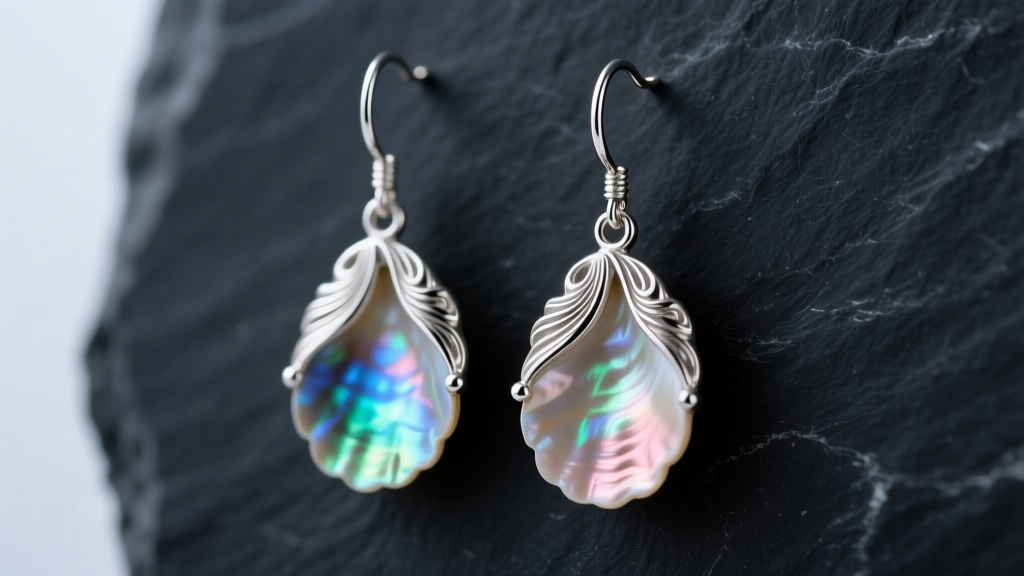
When browsing for coastal-inspired jewelry, shell silver earrings often catch the eye with their iridescent luster and organic charm. However, the market is flooded with pieces that range from exquisite artisan craftsmanship to mass-produced costume jewelry masquerading as fine accessories. As we move through 2026, inflation and shifting supply chains have drastically altered the pricing landscape for both precious metals and organic gemstones. To make an informed purchase, you must look beyond the aesthetic and evaluate the metallurgy, shell grading, and construction methods. This comprehensive value assessment will help you determine exactly what you are paying for and how to spot a genuine investment piece versus a fleeting fast-fashion trend.
The True Cost of Shell Silver Earrings in 2026
The price of shell and silver jewelry is dictated by three main factors: the purity and weight of the silver, the grade and thickness of the shell material, and the complexity of the setting. Below is a breakdown of the current market tiers to help you contextualize pricing.
| Quality Tier | Material Composition | Shell Grade | 2026 Price Range | Expected Lifespan |
|---|---|---|---|---|
| Mass-Market | Silver-plated brass or zinc alloy | Commercial veneer (<0.5mm) | $15 - $35 | 6 - 18 months |
| Mid-Tier Artisan | Solid 925 Sterling Silver | Gem-grade solid carve (1.5mm+) | $55 - $120 | 5 - 15 years |
| Luxury / Designer | Rhodium-plated 925 or Argentium | Premium Abalone / MOP (2mm+) | $150 - $350+ | Lifetime (with care) |
If you encounter a pair of "sterling silver" shell earrings priced under $30, you are likely dealing with a hollowed-out casting or a micro-veneer of shell glued over a resin core. True value in this category begins at the $55 mark, where the weight of the silver and the structural integrity of the shell align to create a durable accessory.
Material Breakdown: What You Are Actually Paying For
To accurately assess value, you must understand the physical properties of the materials involved. Both the metal and the organic shell possess specific vulnerabilities that dictate how the earring will age.
The Silver Standard: 925 vs. Plated Alloys
According to The Assay Office, genuine sterling silver must contain at least 92.5% pure silver, alloyed with 7.5% copper for strength. This 925 grade has a Vickers hardness of roughly 60-65 HV, making it rigid enough to hold prongs and bezels securely. Fine silver (999), while more valuable by weight, is far too soft (approx. 25 HV) for shell settings; prongs will easily bend, releasing the stone. Conversely, "Tibetan silver" or "Alpaca" contains zero actual silver. These copper-nickel-zinc alloys oxidize rapidly, and the resulting verdigris can chemically degrade the adhesives used to set the shell.
Shell Varieties and Durability Metrics
The Gemological Institute of America (GIA) notes that organic gems like shell are evaluated on nacre thickness, luster, and surface integrity.
- Mother of Pearl (MOP): Graded by its bright, pearlescent white luster. High-value earrings use solid carvings at least 1.5mm thick. Budget pieces use 0.2mm veneers backed by dyed resin.
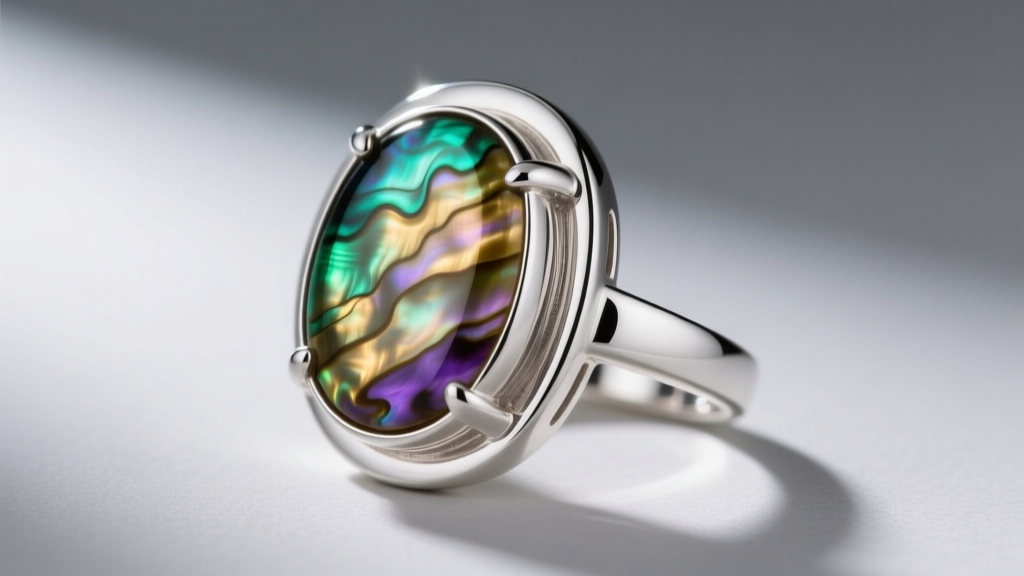
- Abalone: Prized for its vibrant blue-green iridescence. It is highly porous and brittle, registering only 2.5 to 3.0 on the Mohs hardness scale. It requires protective bezel settings to prevent chipping.
- Cowrie and Puka: Naturally thicker and more durable, often used in bohemian or surf-style studs. These hold up well to daily wear but lack the high-end luster of MOP.
Common Failure Modes and Hidden Costs
When evaluating the budget-friendliness of a piece, you must factor in the "hidden costs" of premature failure. Shell silver earrings typically fail in three specific ways:
- Adhesive Degradation: Mass-market manufacturers often use cyanoacrylate (super glue) to set shell inlays. This adhesive becomes brittle over time and degrades when exposed to the natural oils and acidity of human skin. Within 6 to 12 months, the shell will simply pop out. High-value pieces utilize two-part jeweler's epoxy or, ideally, mechanical bezel settings that require zero glue.
- Prong Fatigue: If the silver alloy is improperly tempered or plated over a soft base metal, the prongs holding the shell will snap or pull away from the backplate under minor stress, such as catching on a sweater.
- Delamination: Thin shell veneers are prone to peeling away from their resin backing when exposed to humidity, perfume, or hairspray. Once delamination begins, the structural integrity of the earring face is permanently compromised.
"A true investment in organic jewelry relies on mechanical settings. If you can see a thick rim of silver wrapping over the edge of the shell—a bezel setting—you are paying for craftsmanship that will outlast any glued inlay."
Value Assessment Framework: How to Spot a Fair Deal
Before clicking "add to cart" or purchasing at a boutique, run the earrings through this rapid assessment checklist to ensure you are getting fair market value:
- Check the Hallmark: Look for a stamped "925" on the post or backing. If it says "925" but the price is $18, it is likely a counterfeit stamp on plated brass.
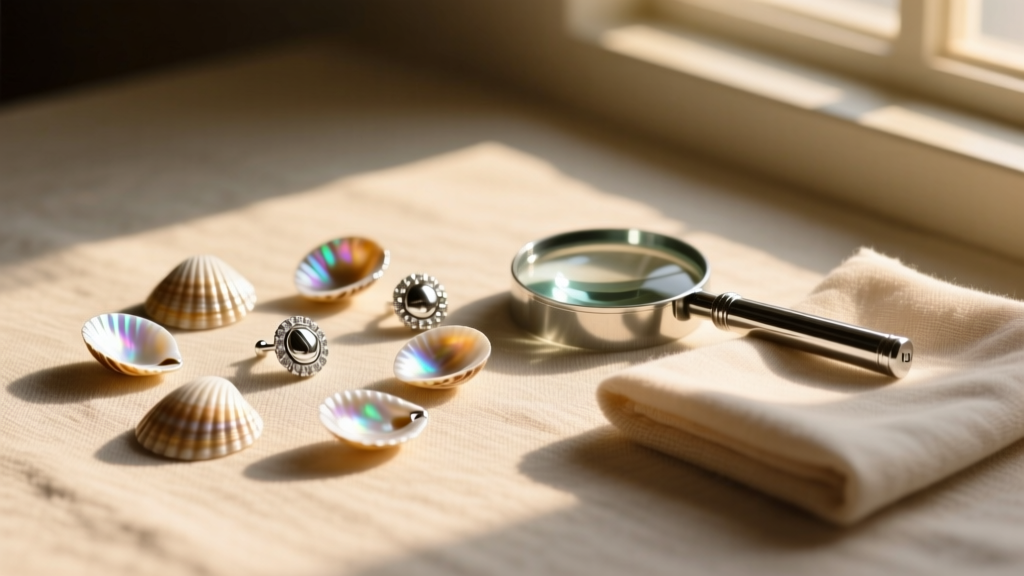
- Inspect the Setting: Use a 10x jeweler's loupe or your phone's macro camera. Are there visible seams of dried glue around the shell? If so, deduct points for longevity.
- Test the Weight: Solid 925 silver has a distinct, satisfying heft. If the earrings feel suspiciously light, the silver is likely hollow-cast or extremely thin-gauge sheet metal.
- Evaluate the Rhodium Plating: Premium 925 silver earrings are often plated with rhodium (a platinum-group metal) to prevent tarnishing. This adds roughly $10 to $20 to the manufacturing cost but drastically reduces maintenance. Ask the seller if the piece is rhodium-flashed.
Final Verdict: Are They Worth the Investment?
Shell silver earrings offer exceptional value, provided you target the mid-tier artisan market. Spending between $60 and $110 guarantees a piece crafted from solid 925 sterling silver and genuine, thick-cut shell, secured in a mechanical or high-grade epoxy setting. Avoid the $15 to $30 trap; the cost of replacing lost shell veneers and dealing with green-stained earlobes far outweighs the initial savings. By prioritizing metallurgical integrity and shell thickness over flashy, poorly constructed designs, you can build a coastal-inspired jewelry collection that retains its beauty and structural soundness for decades.


