Are Silver Bell Earrings Worth It? 2026 Value Guide
Discover if silver bell earrings are worth the investment in 2026. We analyze pricing tiers, silver grades, acoustic engineering, and hidden costs.

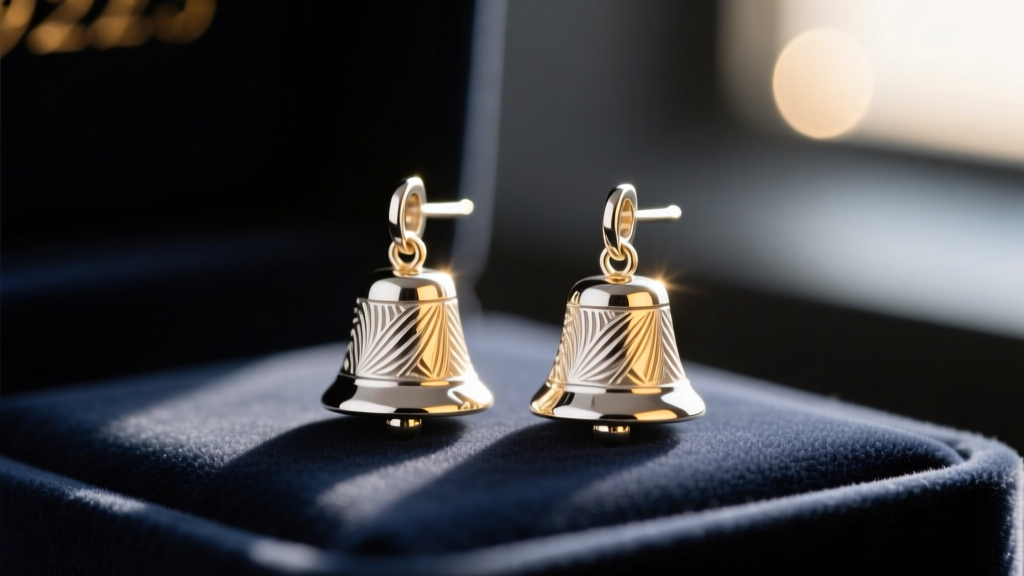
The Allure and Acoustics of Silver Bell Earrings
The resurgence of fairycore, neo-bohemian, and romantic goth aesthetics has firmly cemented silver bell earrings as a staple accessory in 2026. However, the romantic appeal of a delicate chime with every turn of the head often masks a market saturated with poorly engineered, overpriced, or allergenic alternatives. When evaluating the true value of silver bell earrings, consumers must look far beyond the surface shine. Assessing the budget and long-term value of these pieces requires a deep dive into acoustic engineering, metallurgical grades, and the biomechanics of earlobe health.
Unlike standard studs or hoops, bell earrings are kinetic, acoustic instruments. Their value is intrinsically tied to how they are constructed, the specific alloy used, and the hardware that suspends them from your piercing. In this comprehensive value assessment, we break down exactly what you should be paying for silver bell earrings this year, and where hidden costs often trap unwary buyers.
Material Breakdown: How Silver Alloys Affect Sound and Longevity
Not all silver is created equal, and the metallurgical composition directly dictates both the acoustic resonance of the bell and its resistance to tarnish. According to the Silver Institute, the addition of alloy metals to pure silver changes its structural integrity and acoustic dampening properties.
| Silver Grade | Composition | Acoustic Resonance | Tarnish Risk | Value Verdict |
|---|---|---|---|---|
| 925 Sterling | 92.5% Silver, 7.5% Copper | Bright, clear chime; excellent projection | Moderate (Copper oxidizes) | Best Overall Value |
| 999 Fine Silver | 99.9% Pure Silver | Soft, muted thud; lacks structural rigidity | Very Low | Poor for bells (dents easily) |
| Silver-Plated Brass | Brass core, thin silver wash | Loud, harsh, metallic ring | High (Wears off, exposes brass) | Low (Short lifespan) |
| Argentium 935 | 93.5% Silver, Germanium | Brilliant, sustained ring | Extremely Low | Premium (High upfront cost) |
For the best balance of durability and sound, 925 Sterling Silver remains the gold standard for bell earrings. The copper alloy provides the necessary stiffness to prevent the hollow bell chambers from denting upon impact, while allowing for a crisp, recognizable chime. Fine silver (999) is simply too soft; a hollow fine silver bell will crush under the weight of its own clapper within months of daily wear.
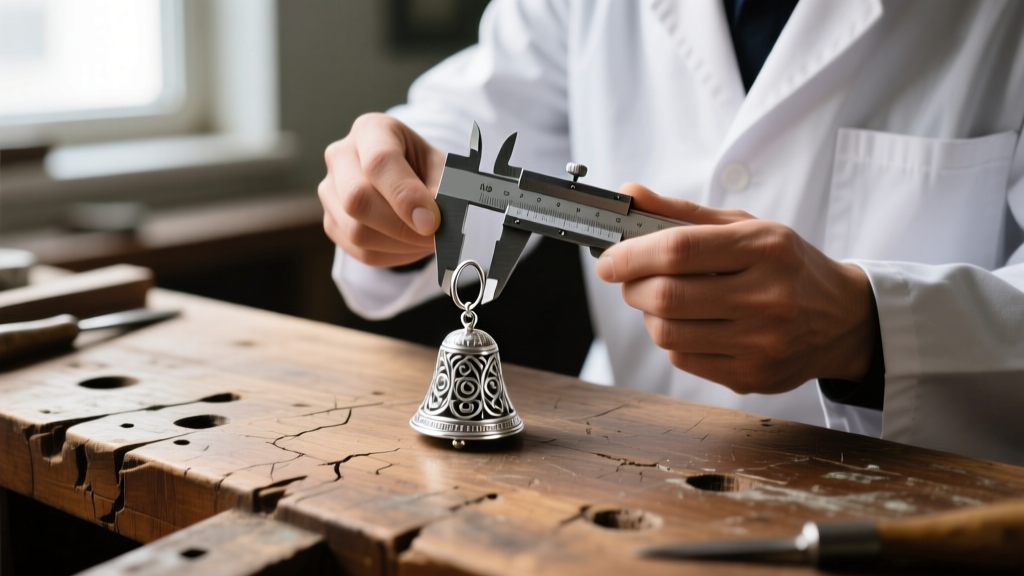
2026 Pricing Tiers: What Should You Actually Pay?
The price of silver bell earrings fluctuates based on the spot price of precious metals, but artisan labor and acoustic tuning create distinct pricing tiers. Here is a realistic budget framework for 2026.
Fast Fashion & Mass Market ($12 – $35)
In this tier, you are almost exclusively purchasing silver-plated brass or nickel-alloy bases with a microscopic silver flash. The bells are typically stamped from thin sheet metal and feature glued-in synthetic pearl or glass clappers. The Value Assessment: Poor. The plating will wear off at the friction points (where the bell strikes the clapper) within weeks, exposing base metals that frequently trigger contact dermatitis. The American Academy of Dermatology frequently warns against prolonged exposure to nickel alloys found in cheap jewelry, which can cause severe, blistering allergic reactions on the earlobe.
Independent Artisans & Mid-Tier ($45 – $120)
This is the sweet spot for genuine value. Artisan jewelers cast or hand-forge hollow 925 sterling silver bells. The clappers are usually solid sterling silver beads suspended on durable, soldered jump rings. You are paying for the labor of hand-polishing the interior of the bell (a step mass-manufacturers skip) and for high-quality ear wires. The Value Assessment: Excellent. These pieces offer true acoustic resonance, lifelong durability, and can be easily polished and repaired.
Heritage & Luxury Jewelers ($150 – $400+)
Luxury tiers introduce intricate metalwork, such as filigree-cut bells, gold vermeil accents, or gemstone-encrusted clappers. While beautiful, the acoustic properties are often compromised by the added weight of gemstones or the dampening effect of heavy gold plating. The Value Assessment: Moderate. You are paying for brand prestige and complex aesthetics rather than acoustic superiority or raw material value.
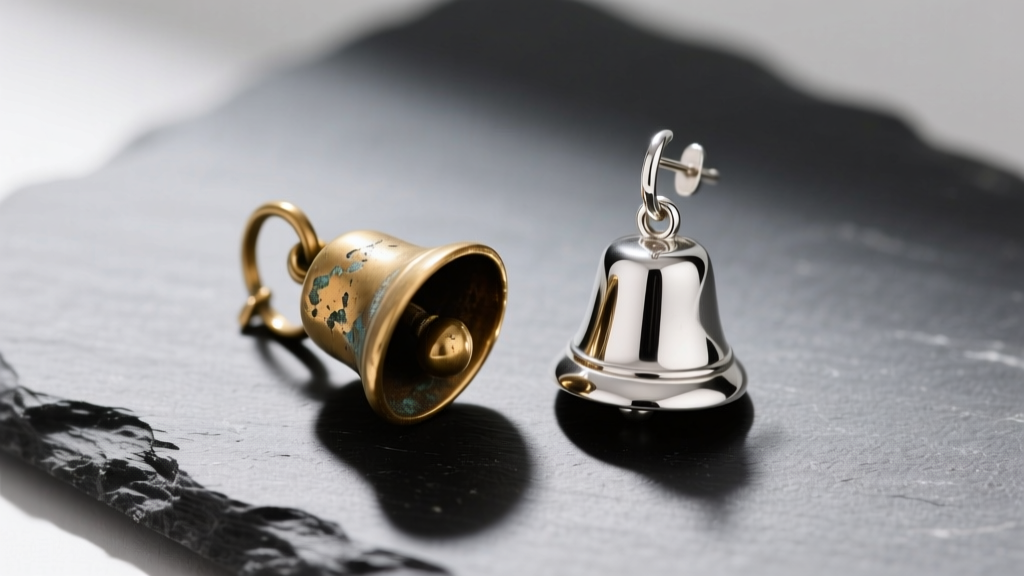
Hidden Costs: Ear Health and the "Cheese-Cutter" Effect
One of the most overlooked aspects of budgeting for bell earrings is the biomechanical toll they take on your piercings. Bells are inherently heavy, and their kinetic movement creates momentum that pulls downward on the earlobe.
- The Weight Limit: A standard, healthy earlobe piercing can comfortably support about 10 to 15 grams of static weight before stretching begins. A pair of solid, 1-inch cast silver bells can easily weigh 18 to 22 grams.
- The Gauge Problem: Mass-market bell earrings often use ultra-thin 22-gauge (0.64mm) or 20-gauge (0.81mm) ear wires to save on silver costs. When a heavy bell swings, this thin wire acts like a cheese cutter, slowly slicing through the bottom of your piercing hole.
- The Solution: Always check the wire thickness. According to jewelry fabrication standards outlined by Rio Grande, heavy or kinetic earrings require a minimum of 18-gauge (1.02mm) wire, or ideally, a secure leverback or French wire hook with a silicone stopper to distribute the kinetic load and prevent loss.
If you buy a $20 pair of heavy bells on 22-gauge wire, the hidden cost is the eventual need for a cosmetic earlobe reconstruction surgery or the permanent stretching of your piercing hole.
Maintenance Realities: Tarnish in the Crevices
Silver sulfide tarnish is an inevitability for 925 sterling silver, but bell earrings present a unique maintenance nightmare. The interior of a hollow bell, the hinge of the clapper, and the tight coils of the ear wire trap moisture, skin oils, and sulfur from the air.
Standard silver polishing cloths cannot reach inside the bell chamber. Over time, the interior turns black, which can actually dampen the acoustic resonance of the chime. To maintain the value and sound of your bells, you must budget for a liquid silver dip or an ultrasonic cleaner. However, a critical warning: never put bell earrings with loose, suspended clappers into an ultrasonic cleaner. The high-frequency vibrations can easily snap the delicate solder joints holding the internal clapper ring, ruining the earring.
The 2026 Value Assessment Checklist
Before purchasing your next pair of silver bell earrings, run them through this expert checklist to ensure you are getting true value for your budget:
- Verify the Stamp: Look for a "925" stamp on the ear wire or the top cap of the bell. Avoid anything labeled simply "Tibetan Silver" or "Alpaca," which are nickel-heavy base metals with zero silver content.
- The Shake Test: Shake the earring near your ear. A high-quality hollow 925 bell will produce a bright, multi-tonal chime. A dull, single-note clunk indicates a solid cast bell (too heavy) or a poorly engineered interior.
- Inspect the Hardware: Ensure the ear wire is at least 18-gauge if the bell is larger than 1/2 inch in diameter. Check that the clapper is suspended on a closed, soldered jump ring, not an open split ring that will eventually bend and drop the clapper.
- Check the Interior: Peer inside the bell. High-end artisan pieces will have a smooth, polished interior. Rough, porous interiors indicate cheap, mass-produced sand-casting that will trap tarnish and degrade the sound over time.
By prioritizing structural integrity, proper gauge sizing, and authentic 925 metallurgy, you can invest in silver bell earrings that offer a lifetime of beautiful acoustics without compromising your ear health or your wallet.


