Stud Earrings: Silver Earrings vs Titanium for Sensitive Lobes
Compare sterling silver and titanium stud earrings for sensitive ears. Discover metal grades, nickel risks, and the best hypoallergenic options.

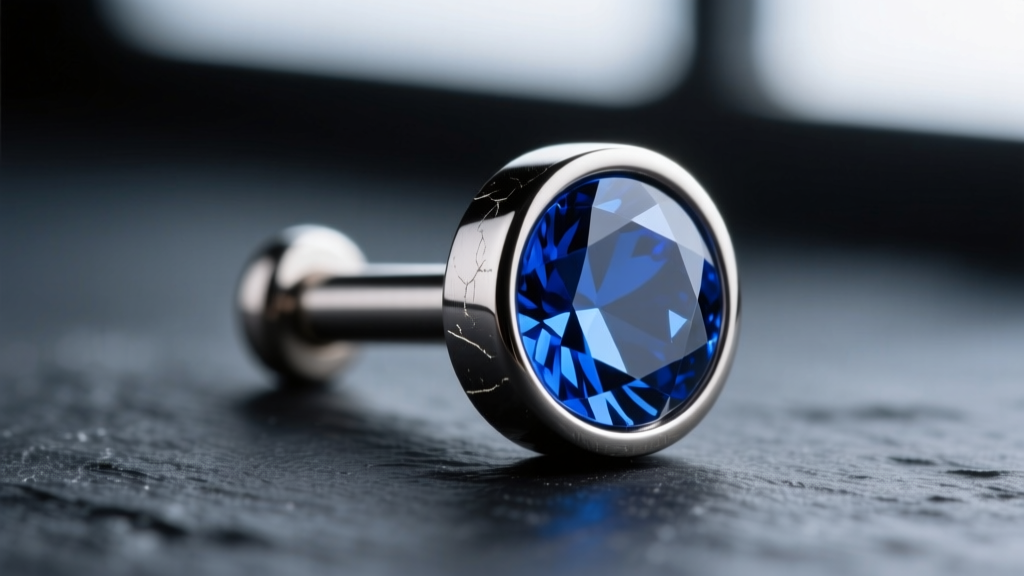
When shopping for new earrings, silver earrings are often the default choice for everyday wear, prized for their bright luster and timeless appeal. However, for the millions of people dealing with contact dermatitis and metal sensitivities, the journey to find the perfect stud or hoop is rarely straightforward. In 2026, the jewelry industry has seen a massive shift toward biocompatible metals, forcing consumers to weigh the classic beauty of sterling silver against the clinical safety of implant-grade titanium.
Whether you are healing a fresh piercing or managing chronically irritated lobes, understanding the metallurgical differences between these two popular materials is critical. This guide breaks down the exact compositions, allergy risks, gauge specifications, and structural integrity of both metals to help you make an informed, irritation-free choice.
The Hypoallergenic Hierarchy: Understanding Metal Sensitivities
Before comparing specific metals, it is essential to understand what causes an ear piercing to reject or become inflamed. According to the American Academy of Dermatology (AAD), nickel allergy is the most common cause of allergic contact dermatitis, affecting up to 15% of the global population. When sweat interacts with base metals or improper alloys, nickel salts are released into the skin, triggering redness, itching, and weeping fistulas.
True hypoallergenic jewelry must be entirely nickel-free or contain nickel in a state that is completely bound and non-reactive. This is where the distinction between commercial fashion jewelry and professional body jewelry becomes stark. While many brands market their pieces as 'hypoallergenic,' this is an unregulated marketing term. To guarantee safety, you must look at the exact metallurgical grade and the manufacturing standards of the post that passes through your skin.
Sterling Silver Earrings: The 925 Standard and Its Hidden Risks
Sterling silver is an alloy consisting of 92.5% pure silver and 7.5% other metals, almost universally copper. Pure silver (999) is too soft to hold the shape of a stud post or the tension of a huggie hoop, making the copper addition a structural necessity. However, this 7.5% copper content introduces two significant challenges for sensitive ears.
The Copper Conundrum and Tarnish
Copper is highly reactive to oxygen, moisture, and the natural pH of human skin. When sterling silver tarnishes, it forms silver sulfide and copper oxide on the surface. In a healed, dry lobe piercing, this is merely a cosmetic annoyance. But in a fresh, healing, or irritated piercing, these oxidized compounds can cause 'argyria'—a localized condition where the skin temporarily turns a grayish-black hue as metal salts embed in the healing tissue. Furthermore, while high-quality 925 silver is nickel-free, cheap imported alloys sometimes substitute copper with nickel or cadmium to cut costs, turning a supposedly safe pair of studs into an allergic trigger.
Rhodium Plating: A Temporary Shield
To combat tarnish and increase shine, most commercial sterling silver earrings are plated with rhodium, a precious metal in the platinum family. While rhodium is highly biocompatible and hypoallergenic, the plating on standard earrings is incredibly thin—usually between 0.1 and 0.5 microns. Within a few months of daily wear, the friction of the earring back and the acidity of your skin will wear through this microscopic layer, exposing the reactive copper-silver alloy beneath.
Implant-Grade Titanium: The Gold Standard for Fresh Piercings
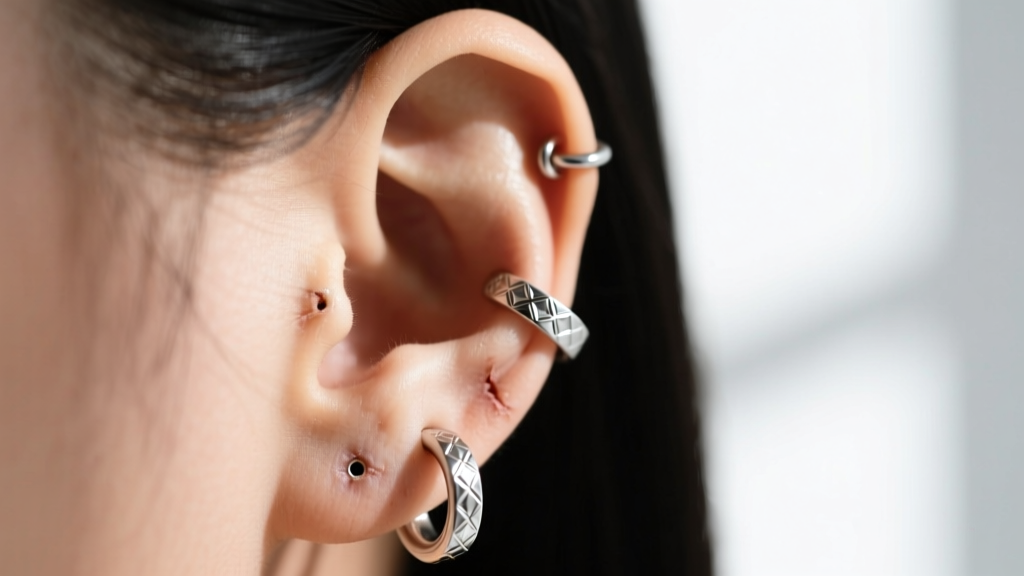
When professional piercers and dermatologists recommend a metal for compromised skin barriers, titanium is the undisputed champion. However, not all titanium is created equal. The jewelry market is flooded with 'commercially pure' titanium, but for sensitive ears and fresh piercings, you must seek out specific medical grades.
ASTM F-136 vs. Commercial Titanium
The Association of Professional Piercers (APP) strictly recommends Titanium Ti-6Al-4V ELI, which conforms to the ASTM F-136 standard for surgical implant applications. This specific alloy is entirely nickel-free, highly corrosion-resistant, and biologically inert. Unlike silver, titanium does not tarnish, oxidize, or react to human sweat. Furthermore, titanium can be anodized—a process that uses electrical voltage to thicken the metal's natural oxide layer, creating vibrant, permanent colors (like gold, rose, or teal) without the use of external dyes or reactive platings.
Head-to-Head Comparison: Silver Earrings vs. Titanium
To visualize how these metals stack up against each other for everyday wear, refer to the comparison matrix below.
| Feature | Sterling Silver (925) | Implant-Grade Titanium (ASTM F-136) |
|---|---|---|
| Nickel Risk | Low (if verified 925), but high in cheap alloys | Zero (100% Nickel-Free) |
| Tarnish & Oxidation | High (Requires regular polishing) | None (Will not tarnish or rust) |
| Weight | Heavier (Can stretch thin lobes over time) | 45% lighter than steel/silver (Ideal for large gauges) |
| Price Range (Studs) | $15 - $45 per pair | $30 - $85+ per piece (often sold individually) |
| Best Application | Fully healed, dry lobe piercings; occasional wear | Fresh piercings, cartilage, hyper-sensitive lobes |
Gauge Sizes and Threading: Why the Post Matters More Than the Head
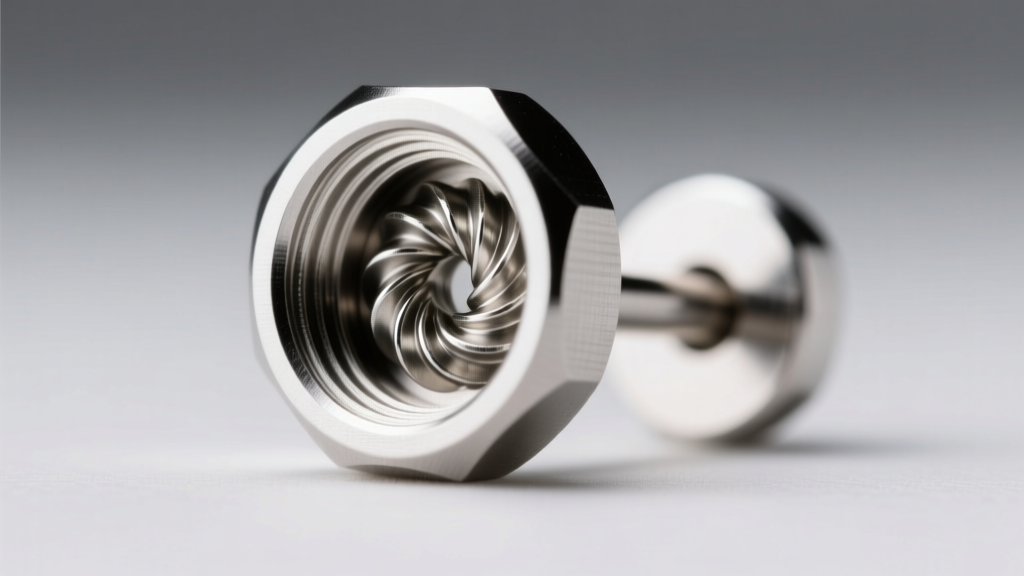
The material of the earring head (the decorative front) is only half the battle. The post—the part that actually resides inside your fistula—dictates your comfort and healing. In 2026, the industry standard for high-end body jewelry has firmly moved away from external threading.
- External Threading: The screw is on the post. Pushing this through a piercing creates micro-tears in the delicate fistula tissue. Avoid this entirely if you have sensitive ears.
- Internal Threading: The screw is on the decorative end, and the post is smooth. This is the minimum standard for safe, comfortable jewelry changes.
- Threadless (Push-Pin): The decorative end features a slightly bent pin that inserts into a hollow titanium post, held in place by tension. This is currently the gold standard for secure, trauma-free wear.
Regarding gauge (thickness), standard fashion earrings are typically 20G (0.81mm) or 22G (0.64mm). However, professional piercers usually pierce lobes at 18G (1.02mm) or 16G (1.29mm). Wearing a thin 22G silver wire in a 16G piercing hole can lead to the 'cheese-cutter effect,' where the thin wire slowly migrates and slices through the bottom of the earlobe over time. Upgrading to thicker, 16G titanium posts provides structural support and prevents lobe migration.
Maintenance and Longevity
Caring for these metals requires vastly different routines. Sterling silver demands regular maintenance to prevent the copper core from oxidizing. Storing silver in anti-tarnish cloth pouches and occasionally cleaning it with a specialized silver dip or a mild baking soda paste will keep it bright. However, you should never sleep in sterling silver studs, as the friction against cotton pillowcases accelerates the wearing away of the rhodium plating.
Titanium, conversely, is virtually maintenance-free. It can be worn in the shower, the ocean, and while sleeping without fear of corrosion. A simple wipe with a microfiber cloth or a wash with mild antibacterial soap is all that is required to remove natural skin oils and maintain its mirror finish.
Verdict: Which Metal Should You Choose?
If you are dealing with a fresh piercing, a history of contact dermatitis, or cartilage sensitivities, implant-grade titanium (ASTM F-136) is the only logical choice. Its lightweight nature, complete lack of nickel, and availability in threadless designs make it the ultimate functional metal for compromised skin.
However, if your lobes are fully healed, dry, and you prefer the warm, traditional aesthetic of precious metals, verified 925 sterling silver remains a beautiful, cost-effective option. Just ensure you are buying from reputable jewelers who guarantee a copper-only alloy mix, and remember to remove them before sleeping or swimming to preserve the protective rhodium finish. By matching the metal to your specific biological needs and lifestyle, you can build a jewelry collection that is as comfortable as it is stunning.


