Silver Safety Pin Earrings: Material Grades & Care Guide
Discover the best material grades for silver safety pin earrings. Learn about 925 sterling, Argentium, and hypoallergenic properties for sensitive ears.

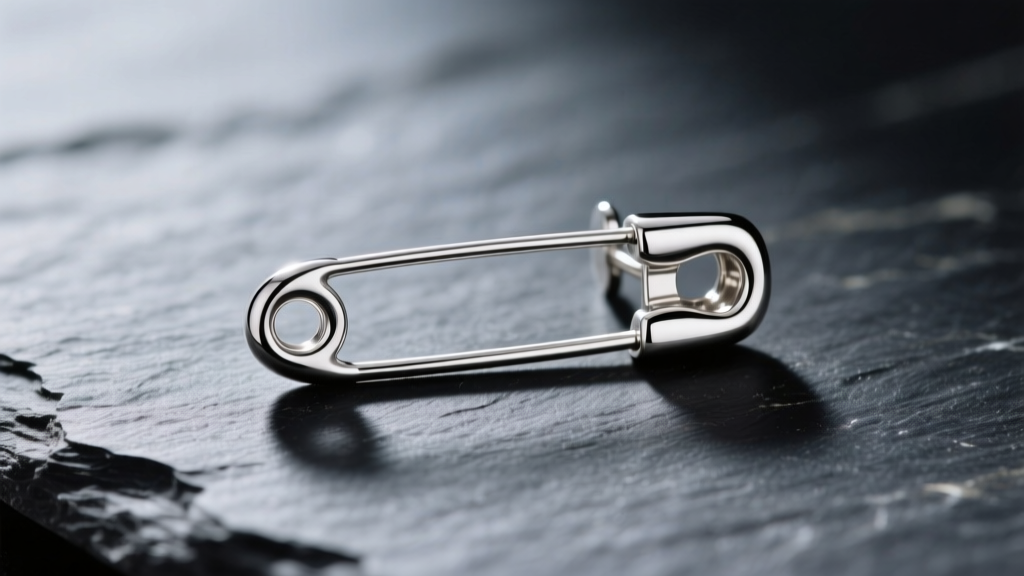
The Anatomy and Appeal of Silver Safety Pin Earrings
Silver safety pin earrings have successfully transitioned from underground punk subcultures to mainstream high fashion, offering an edgy yet minimalist aesthetic. However, the structural demands of a safety pin mechanism—specifically the hinge, the tension of the pin, and the catch hood—require precise metallurgical properties. Not all silver is created equal, and choosing the wrong alloy can result in bent posts, broken hinges, or severe contact dermatitis. In this comprehensive guide, we break down the exact material grades, gauge requirements, and maintenance protocols you need to know before investing in silver safety pin earrings.
Material Grades: 925 Sterling vs. Argentium vs. Fine Silver
The term "silver" in the jewelry industry is heavily regulated, but the specific alloy used drastically changes the performance of a safety pin earring. Because the pin must act as a spring to secure the clasp, tensile strength and hardness are paramount.
925 Sterling Silver
Standard sterling silver is an alloy consisting of 92.5% pure silver and 7.5% copper. The copper adds the necessary hardness (approximately 60 on the Vickers hardness scale) to allow the pin to snap into the catch hood and maintain tension. However, copper is highly reactive to sulfur and moisture in the air, meaning 925 sterling silver safety pin earrings will inevitably tarnish, developing a dark patina over time if not stored correctly.
Argentium Silver
Argentium is a modern, patented alloy that replaces some or all of the copper with germanium. Available in 93.5% and 96% purity grades, Argentium forms a transparent layer of germanium dioxide on its surface. This makes it highly tarnish-resistant and significantly brighter than traditional sterling. According to the official Argentium Silver institute, this alloy can also be heat-hardened to over 100 HV, making it exceptionally durable for the high-stress hinge of a safety pin earring.
Fine Silver (999)
Fine silver is 99.9% pure. While it is the most hypoallergenic and tarnish-resistant option, it is far too soft (around 25 HV) for mechanical jewelry components. A safety pin earring made from fine silver will permanently bend the first time it is snagged on a sweater, and the pin will lose the spring tension required to stay closed. Avoid fine silver for this specific earring style.
| Alloy Grade | Composition | Vickers Hardness (HV) | Tarnish Resistance | Suitability for Safety Pins |
|---|---|---|---|---|
| 925 Sterling | 92.5% Ag, 7.5% Cu | ~60 HV | Low | Excellent (Standard) |
| Argentium 960 | 96% Ag, Germanium | ~100+ HV (Heat Treated) | Very High | Superior (Premium) |
| Fine 999 | 99.9% Ag | ~25 HV | High | Poor (Will bend easily) |
Gauge Sizes and Structural Integrity
The thickness of the wire used for the pin and the main body of the earring is measured in gauges. For safety pin earrings, structural integrity is non-negotiable.
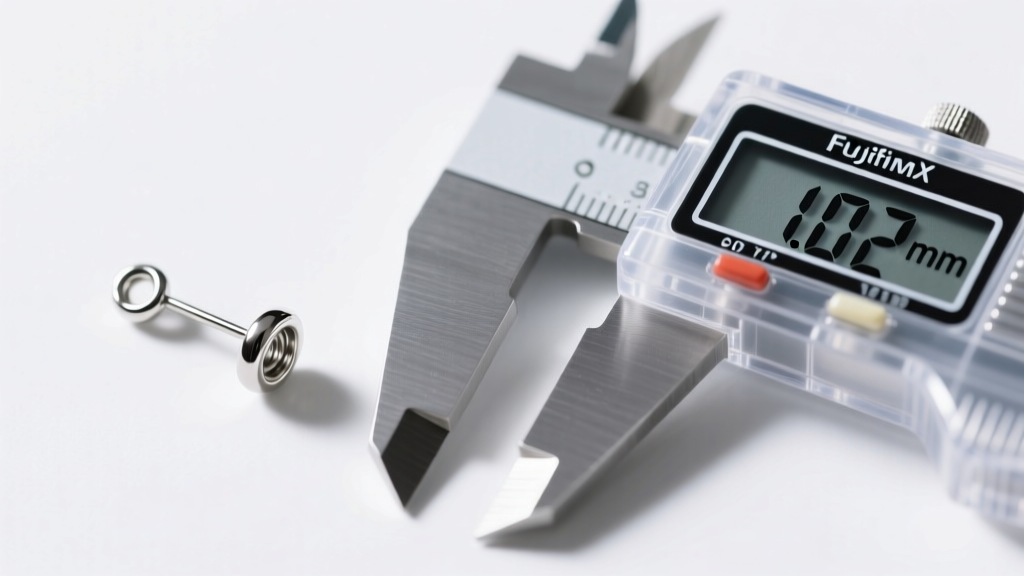
- 18 Gauge (1.0mm): The gold standard for the pin mechanism. An 18G wire provides enough rigidity to pierce through thicker earlobes or cartilage without flexing, while maintaining the spring tension needed to keep the catch hood securely closed.
- 20 Gauge (0.81mm): Common in lightweight, dainty safety pin studs. While acceptable for standard lobe piercings, 20G pins are more prone to warping if you sleep in them or catch them on your hair.
- 22 Gauge (0.64mm) and thinner: Strictly avoid these for the pin mechanism. They lack the tensile strength to function as a reliable clasp and pose a safety hazard if the pin snaps or bends open inside the ear.
Hypoallergenic Properties and Nickel Risks
A common misconception is that all silver jewelry is inherently hypoallergenic. Pure silver and high-quality alloys like Argentium are generally safe for sensitive ears. However, the danger lies in cheap manufacturing and deceptive marketing.
Many low-cost "silver" safety pin earrings are actually made from brass or nickel-silver (an alloy containing zero actual silver, just copper, nickel, and zinc) and are merely flash-plated with a microscopic layer of silver. Once that plating wears off at the friction points of the hinge or the post, the underlying nickel is exposed to the skin. According to the National Institutes of Health (NIH), nickel is the leading cause of allergic contact dermatitis, resulting in redness, itching, and weeping piercings. Always verify that the earrings are stamped "925" or "960" and purchase from reputable jewelers who guarantee nickel-free alloys. The Gemological Institute of America (GIA) also recommends looking for specific hallmarks and buying from vendors who provide metallurgical assays for their precious metals.
Tarnish Resistance and Daily Maintenance
Because safety pin earrings feature tight crevices around the hinge and the catch hood, they are notorious for trapping dead skin cells, sebum, and environmental sulfur, which accelerates tarnishing. Proper maintenance is critical.
The Electrochemical Reduction Method
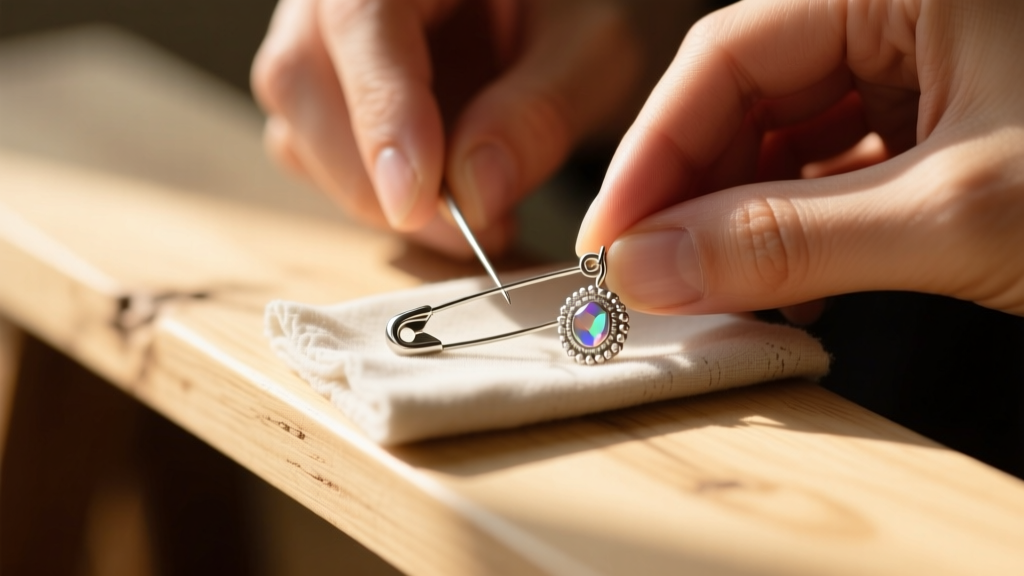
For heavily tarnished 925 sterling silver safety pin earrings, avoid commercial liquid silver dips. These dips often contain thiourea, a harsh chemical that strips away a microscopic layer of silver and can leave a porous, matte finish that tarnishes even faster in the future. Instead, use the electrochemical reduction method:
- Line a glass bowl with aluminum foil, shiny side up.
- Place the silver earrings on the foil.
- Sprinkle with 1 tablespoon of baking soda and a pinch of sea salt.
- Pour boiling water over the jewelry and let it sit for 3 to 5 minutes.
- The sulfur transfers from the silver to the aluminum foil, instantly restoring the shine without removing any silver mass.
Note: Do not use this method on Argentium silver or earrings with glued-in gemstones, as the boiling water can compromise the adhesive.
Daily Storage
Store your silver safety pin earrings in an airtight ziplock bag with a 3M anti-tarnish strip. The strip absorbs airborne sulfur compounds, keeping 925 sterling silver bright for months without the need for polishing.
Pricing Tiers and Brand Benchmarks
Understanding the material grades and gauge requirements helps contextualize the pricing of silver safety pin earrings in the current market.
- Fast Fashion / Mass Market ($15 - $35): Usually 925 sterling silver, but often mass-cast with thinner 20G or 22G pins to save on metal weight. High risk of bending and faster tarnishing due to porous casting.
- Artisan & Independent Jewelers ($45 - $95): The sweet spot for quality. These pieces typically feature robust 18G pins, hand-soldered hinges, and high-polish finishes. Many independent makers are now adopting Argentium silver for its superior durability and low maintenance.
- High-End Designer ($150 - $400+): Brands in this tier use premium 960 Argentium or heavily rhodium-plated 925 sterling silver to guarantee a white-gold-like finish that never tarnishes. The mechanical tolerances on the catch hoods are precision-machined for a satisfying, secure "click."
Final Verdict: Choosing Your Silver Grade
When shopping for silver safety pin earrings, prioritize structural integrity and alloy purity. An 18-gauge pin crafted from heat-hardened Argentium silver offers the ultimate combination of hypoallergenic safety, tarnish resistance, and mechanical durability. If you opt for traditional 925 sterling silver, ensure it is solid (not plated) and commit to a regular electrochemical cleaning routine to keep the intricate hinge mechanisms free of corrosive buildup. By understanding the metallurgy behind your jewelry, you can ensure your edgy accessories remain secure, comfortable, and brilliant for years to come.


