Silver Silver Earrings: A Technical Guide to 925 vs Plated
Explore the metallurgy of silver silver earrings. We compare 925 sterling, Argentium, and plated alloys, covering gauge sizes and tarnish chemistry.

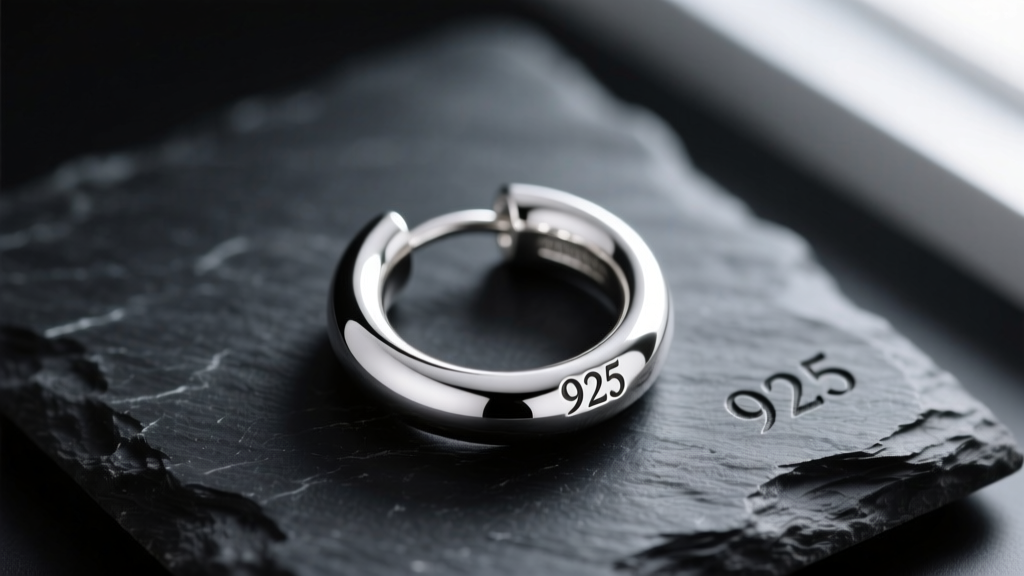
When consumers search for silver silver earrings, they are typically navigating a confusing market saturated with misleading terminology, attempting to distinguish between authentic solid alloys and deceptive base-metal imitations. In 2026, the jewelry market is flooded with advanced electroplating techniques that can make a $5 brass earring visually indistinguishable from a $150 solid sterling piece to the naked eye. As a domain expert in jewelry metallurgy and piercing biocompatibility, I am breaking down the exact chemical compositions, structural failure modes, and gauge specifications you need to know before investing in silver earwear.
The Metallurgy of Silver: Why Pure Ag Fails in Jewelry
Pure silver (999 fine silver, atomic number 47) possesses a Vickers hardness of roughly 25 HV. While this makes it exceptionally malleable and highly reflective, it is structurally inadequate for functional jewelry. A pure silver earring post will bend under the slightest pressure, and clasps will fail to maintain tension. To solve this, metallurgists alloy pure silver with other metals—most commonly copper—to increase the hardness to approximately 65 HV. According to the Gemological Institute of America (GIA), the global standard for sterling silver is 92.5% pure silver and 7.5% copper. However, this copper introduction creates a chemical vulnerability: tarnish.
Technical Breakdown: 925 Sterling vs. Argentium vs. Plated
Not all silver earrings are created equal. The term "silver" is frequently hijacked by marketers to describe silver-toned base metals. Below is a technical comparison of the primary silver alloys and treatments used in modern earring manufacturing.
| Material Grade | Composition | Vickers Hardness (HV) | Tarnish Resistance | Best Earring Application |
|---|---|---|---|---|
| 999 Fine Silver | 99.9% Ag | ~25 HV | High (No Copper) | Bezel wire, decorative inlays |
| 925 Sterling | 92.5% Ag, 7.5% Cu | ~65 HV | Moderate (Prone to H2S) | Standard lobe studs, hoops |
| 935 Argentium | 93.5% Ag, Cu, Germanium | ~75 HV (Hardened) | Exceptional | Cartilage clickers, seamless rings |
| Silver-Filled | Brass core, 5-10% Ag outer | ~90 HV (Brass dependent) | Moderate (Wears over time) | Thick gauge ear wires |
| Silver-Plated | Brass/Nickel core, <0.5% Ag | ~100+ HV | Poor (Micro-porous) | Fashion drop earrings (temporary) |
The Chemistry of Tarnish and Rhodium Plating Thickness
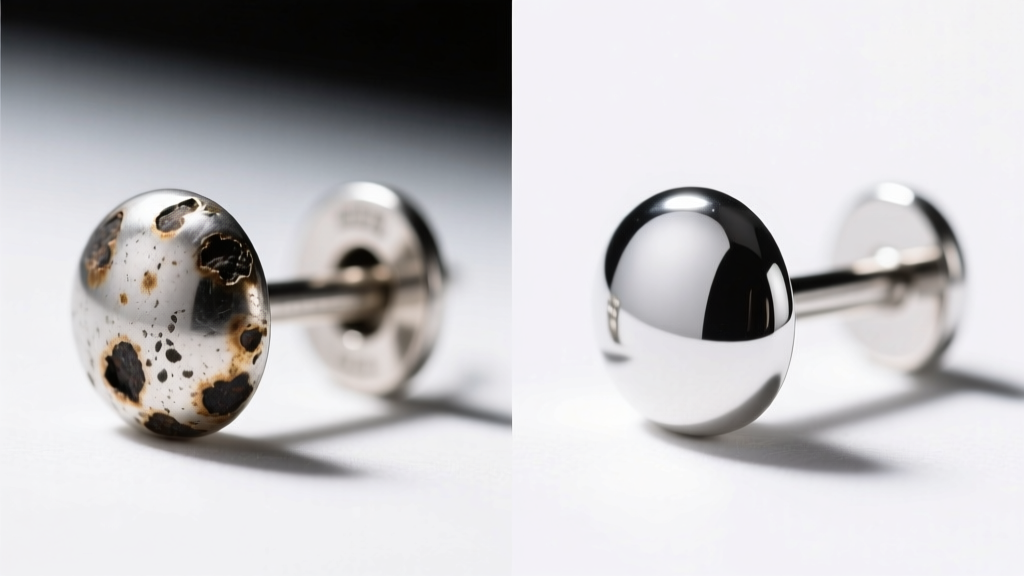
Tarnish on sterling silver is not a defect; it is a predictable chemical reaction. The copper in 925 sterling reacts with hydrogen sulfide (H2S) and moisture in the air to form copper sulfide and silver sulfide, manifesting as a yellowish, then black, surface layer. To combat this, manufacturers use rhodium plating. Rhodium is a platinum-group metal that provides a brilliant, inert, white-metal finish. However, the longevity of rhodium-plated silver silver earrings depends entirely on the micron thickness of the electroplating bath.
Flash Plating vs. Heavy Plating
- Flash Plating (0.01 - 0.05 µm): Common in fast fashion. The rhodium layer is mere molecules thick. It will wear through to the underlying copper-silver alloy within weeks of daily wear, especially on high-friction areas like earring posts and clutch backs.
- Standard Plating (0.1 - 0.25 µm): The industry standard for mid-tier jewelers. Provides 6 to 12 months of tarnish resistance before requiring re-polishing and re-dipping.
- Heavy Plating (0.5 - 2.0+ µm): Reserved for high-end, luxury sterling silver. This thickness mimics white gold and can withstand years of daily wear, including the friction of putting on and taking off huggie hoops.
Expert Warning: Many cheap silver-plated earrings utilize a "nickel strike" layer between the brass base and the rhodium topcoat to improve adhesion. If you experience contact dermatitis or itchy lobes from supposedly "hypoallergenic" silver earrings, you are likely reacting to nickel leaching through micro-fractures in the flash plating.
Piercing Gauges and Biocompatibility in Cartilage vs. Lobe
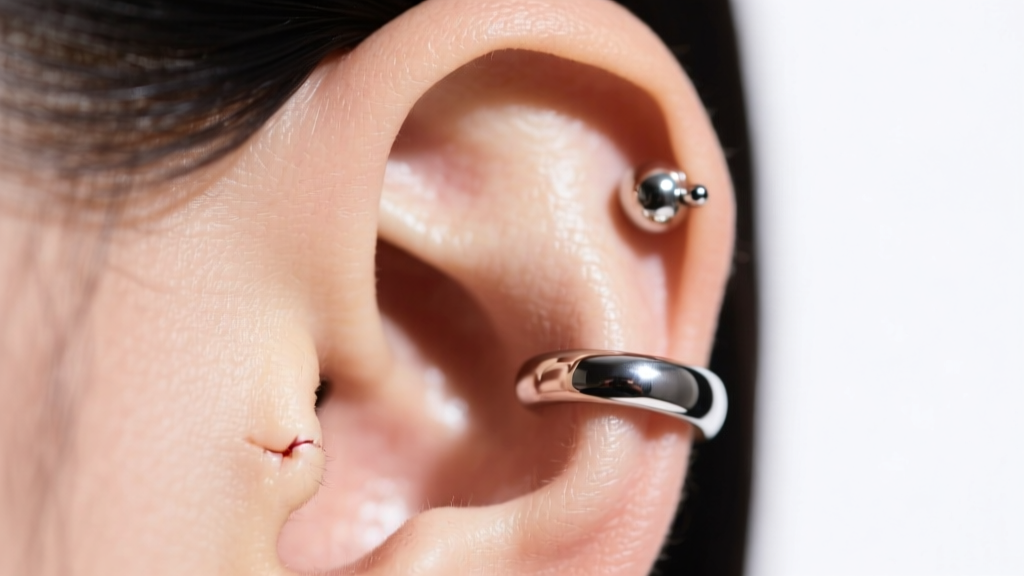
The anatomical location of your piercing dictates the required structural integrity and biocompatibility of your silver earrings. The Silver Institute notes that while silver is generally biocompatible, the alloys and plating processes introduce variables that can complicate healing tissue.
Lobe Piercings (20G to 18G)
Standard earlobe piercings are typically done at 20-gauge (0.81mm) or 18-gauge (1.0mm). Because lobe tissue is highly vascularized and heals quickly, 925 sterling silver is perfectly safe for healed lobes. However, for initial piercings, implant-grade titanium (ASTM F136) is vastly superior, as the copper in sterling silver can cause argyria (a localized blue/gray staining of the tissue) if left in a healing fistula for extended periods.
Cartilage Piercings (16G to 14G)
Cartilage piercings (helix, tragus, conch) require thicker jewelry, usually 16-gauge (1.2mm) or 14-gauge (1.6mm), to prevent the "cheese-cutter effect," where thin wire migrates through the dense tissue. If you are buying silver clickers or seamless rings for cartilage, you must opt for Argentium 935 or 960. Argentium replaces a portion of the copper alloy with germanium. When exposed to oxygen, the germanium forms a transparent, self-replenishing oxide layer that drastically reduces tarnish and eliminates the need for rhodium plating, making it vastly superior for intricate cartilage mechanisms where plating can flake off into the piercing channel.
Actionable Framework: How to Audit Your Silver Jewelry
If you have inherited or purchased silver silver earrings and need to verify their authenticity without destroying them, utilize this non-destructive testing framework:
- The Magnet Test (Diamagnetism): Pure silver and copper are both diamagnetic. If your earring exhibits any magnetic pull (attraction to a neodymium magnet), it contains a ferromagnetic core like steel or iron, confirming it is merely silver-plated base metal.
- The Ice Test (Thermal Conductivity): Silver has the highest thermal conductivity of any common metal. Place an ice cube on a silver earring hoop. The silver should feel instantly cold to the touch, and the ice should begin melting at a visibly accelerated rate compared to placing it on a steel or brass control piece.
- The Hallmark Audit: Use a 10x jeweler's loupe to inspect the earring post or the inside of the huggie hinge. Authentic pieces will be stamped with "925", "Sterling", or the Argentium "A" logo. Be wary of stamps that say "Tibetan Silver" or "Alpaca," which contain exactly 0% elemental silver and are primarily copper-nickel-zinc alloys.
- XRF Spectrometry (Professional): For high-value vintage pieces, a local jeweler can use an X-Ray Fluorescence (XRF) gun to determine the exact elemental breakdown of the alloy in seconds, without scratching or damaging the patina.
Understanding the metallurgy behind your jewelry transforms you from a passive consumer into an informed collector. Whether you are selecting a heavy-plated 925 stud for daily lobe wear or an un-plated Argentium 16G clicker for your helix, demanding technical transparency ensures your silver silver earrings remain both structurally sound and biologically safe for decades to come.


