Earring Right Ear Guide: Buying Single & Asymmetrical Styles
Discover our expert earring right ear buying guide. Learn how to select single statement pieces, curate asymmetrical stacks, and choose secure backings.

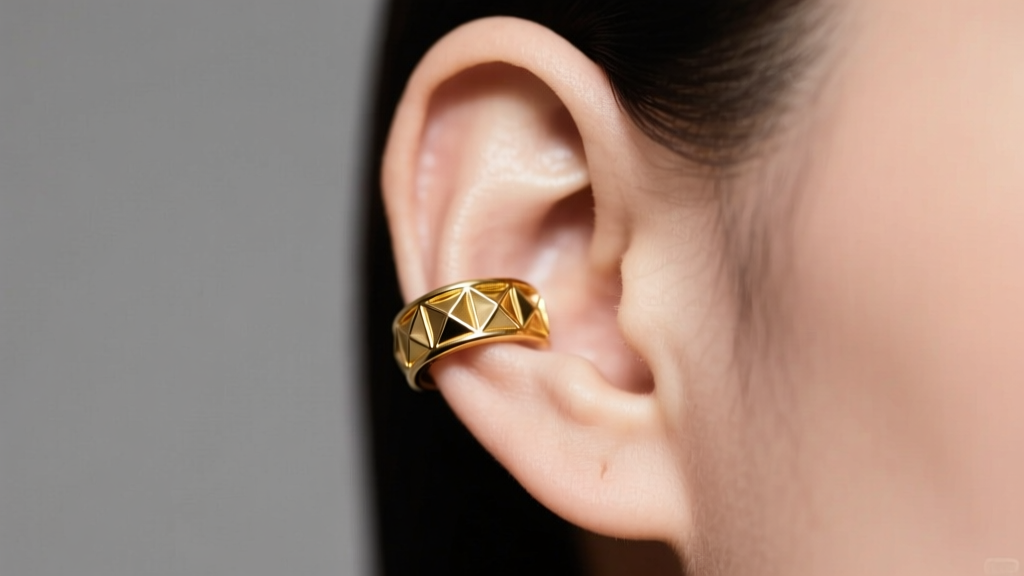
The Evolution of the Earring Right Ear: From Code to Couture
For decades, searching for an earring right ear meaning was tied to outdated cultural codes and gendered signaling from the 1970s and 1980s. Today, those archaic rules are entirely obsolete. In modern jewelry styling, the right ear has become a dedicated canvas for high-fashion asymmetry, single statement pieces, and meticulously curated unilateral stacks. Whether you are embracing the single-earring trend seen on contemporary runways or building a cohesive stack on your right side, buying for one ear requires a different strategic approach than buying symmetrical pairs.
This comprehensive buying guide breaks down the exact specifications, material grades, and structural mechanics you need to consider when shopping for right-ear-specific jewelry. From gauge sizing to advanced locking backings, we will help you invest in pieces that are secure, comfortable, and stylistically bold.
Anatomy of a Single Right Ear Statement Piece
When you wear a single earring, that piece commands 100% of the visual attention on that side of your face. Because it lacks a counterpart to balance it out, the physical construction and weight distribution of the earring are critical. A heavy, poorly balanced single drop earring will pull on the lobe, causing discomfort and potential tissue stretching over time.
Weight Distribution and Gauge Sizing
If you are opting for a single, oversized sculptural hoop or a heavy gemstone drop in the right lobe, you must pay attention to the wire gauge. Standard lobe piercings are typically 20G (0.81mm) or 18G (1.02mm). However, heavy single earrings should ideally feature an 18G or even 16G (1.29mm) post to provide structural integrity and prevent the 'cheese-cutter effect,' where thin wires slowly migrate through the earlobe tissue under the stress of asymmetric weight.
For cartilage placements like the helix or conch, 16G is the industry standard. Purchasing a single 16G titanium flat-back labret ensures the jewelry sits flush against the ear, eliminating the risk of snagging on hair or clothing—a common failure mode for single-ear wearers who sleep on their non-pierced left side.
Material Grades for Unilateral Wear
When curating a single ear, you are likely wearing these pieces 24/7. Continuous wear demands biocompatible materials that will not oxidize, tarnish, or trigger contact dermatitis. According to the Association of Professional Piercers (APP), the gold standard for continuous wear in both fresh and healed piercings is implant-grade titanium or specific karats of solid gold.
Titanium vs. Surgical Steel vs. Solid Gold
- ASTM F136 Implant-Grade Titanium: The ultimate choice for sensitive skin and cartilage stacks. It is completely nickel-free, lightweight, and can be anodized to produce vibrant colors without using surface paints or platings. Expect to pay $40 to $120 for high-quality threadless titanium ends.
- Surgical Stainless Steel (316L): While budget-friendly ($15–$40), surgical steel contains trace amounts of nickel. If your right ear is prone to weeping or itching, avoid steel entirely.
- 14k and 18k Solid Gold: The Gemological Institute of America (GIA) notes that 14k and 18k gold offer the best balance of purity and durability for body jewelry. Avoid anything below 14k, as lower karat gold contains higher percentages of alloyed metals (like copper and nickel) that can cause allergic reactions during continuous single-ear wear. Budget $250 to $800+ for solid gold single statement pieces.
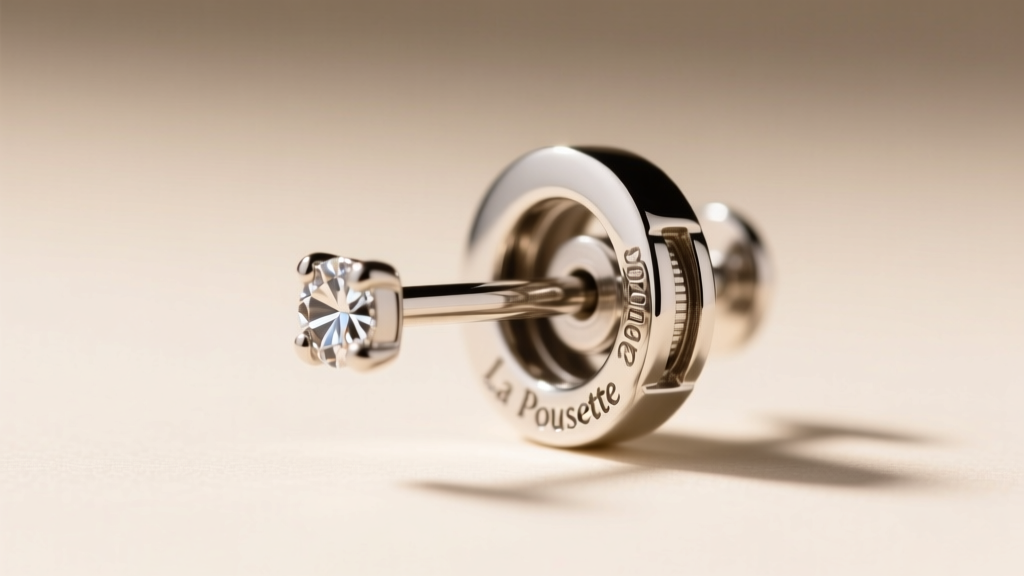
Securing Your Investment: Advanced Backing Mechanisms
The greatest risk of wearing a single, expensive earring is losing it. Standard friction 'butterfly' backs are notoriously unreliable, especially for single earrings that may experience uneven friction from hair, headphones, or phone receivers pressed against the right ear. When buying a premium single earring, look for these advanced securing mechanisms:
- La Pousette (Push-Pull) Backs: These mechanical backs feature a tiny internal spring mechanism that clicks securely into a grooved post. They require a deliberate pinching motion to release, making them virtually impossible to knock off accidentally.
- Screw Backs: The post is threaded, and the backing screws on. While highly secure, they can be frustrating to align if you have limited dexterity or long nails.
- Threadless (Push-Pin) Systems: Pioneered by brands like Neometal, threadless jewelry uses the tension of a slightly bent pin inside a hollow post. They are the most secure option for cartilage stacks and are easily removed with a specific twisting-pulling motion.
Curating the Right Ear Stack: A Buying Framework
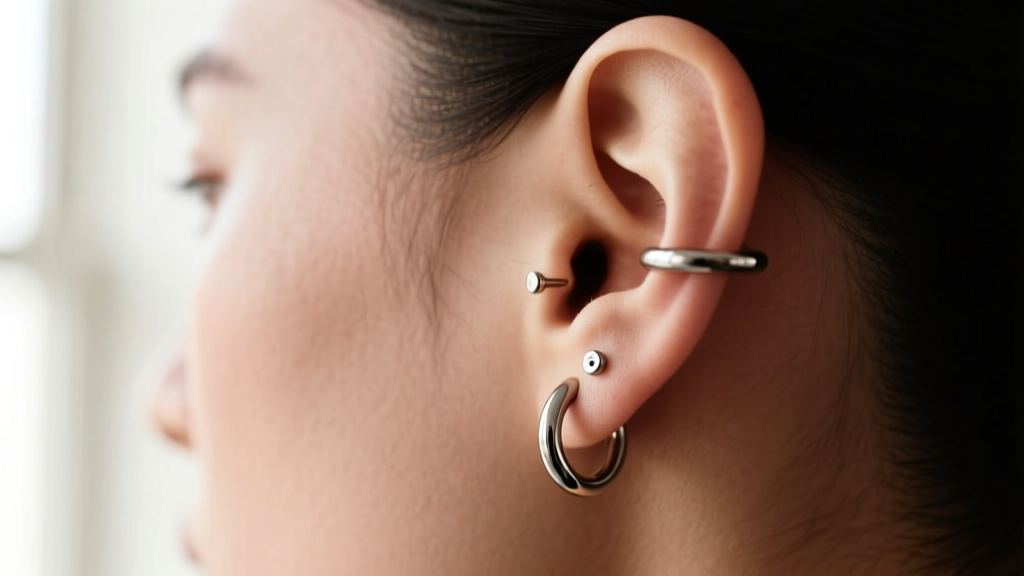
If your goal is not a single statement piece but rather a fully curated right-ear stack, you must plan your purchases around the anatomical limitations of your ear. A cohesive stack relies on varying the scale and texture of the jewelry while maintaining a unified metal tone or gemstone palette.
| Piercing Location | Standard Gauge | Recommended Jewelry Type | Average Price Range |
|---|---|---|---|
| Standard Lobe | 20G - 18G | Threadless Ends, Huggies | $40 - $250 |
| Upper Helix | 16G - 14G | Flat Back Labrets, Clickers | $50 - $300 |
| Tragus | 16G | Small Threadless Studs (2mm-3mm) | $45 - $150 |
| Conch | 16G - 14G | Large Hoops, Flat Backs | $60 - $400 |
When buying for a stack, always purchase the 'anchor' piece first—usually a slightly larger or more intricate stud in the primary lobe piercing or the conch. Build the rest of the stack with complementary, smaller pieces that do not compete for visual dominance. Ensure that adjacent piercings have enough space to accommodate the jewelry; a 10mm hoop in the tragus might overlap with a standard lobe huggie if the piercings are placed closely together.
Final Checklist Before You Buy
Before adding that single right-ear piece to your cart, run it through this expert checklist to ensure it meets the demands of asymmetrical wear:
- Is the metal implant-grade or solid 14k+ gold? (Avoid plated metals, as the friction of single-ear wear will wear off the plating rapidly).
- Is the backing secure? (Opt for La pousette, screw, or threadless mechanisms over standard friction backs).
- Is the gauge appropriate for the placement and weight? (Size up to 18G or 16G for heavy drops to protect the earlobe).
- Does the profile allow for comfortable phone use? (Avoid large, protruding gemstone settings on the tragus or conch if you frequently hold a phone to your right ear).
By prioritizing structural integrity, biocompatible materials, and secure locking mechanisms, your right ear jewelry will not only make a striking stylistic statement but will also remain a comfortable, lasting addition to your collection.


