Spirit Halloween Moon Earrings: Cleaning & Care Guide
Learn how to clean, store, and maintain Spirit Halloween moon earrings. Expert tips on preventing tarnish, green skin, and stone loss.

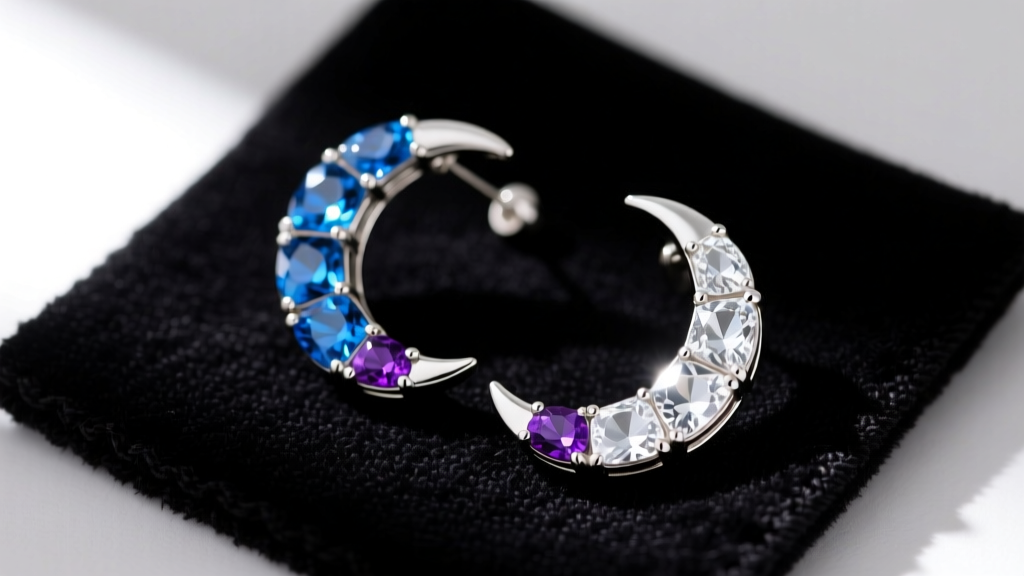
The Anatomy of Costume Celestial Jewelry
When you invest in seasonal statement pieces like Spirit Halloween moon earrings, you are purchasing fashion jewelry designed for high visual impact rather than multi-generational longevity. These celestial-themed accessories typically feature intricate crescent or full-moon silhouettes, dangling stars, and gothic embellishments. However, to maintain their dramatic aesthetic wear after wear, you must understand the materials involved. Unlike fine jewelry crafted from solid sterling silver or 14k gold, these earrings are predominantly constructed from base metal alloys—most commonly zinc, brass, or pewter.
The metallic finish is achieved through 'flash plating,' a process that deposits a microscopic layer of silver, gold, or rhodium (usually less than 0.5 microns thick) over the base metal. The moon phases and starry accents are often rendered using cast acrylic resin, painted enamel, or glass rhinestones affixed with cyanoacrylate-based adhesives. Because the plating is exceptionally thin and the embellishments are glue-set, standard jewelry cleaning methods will instantly destroy them. Ultrasonic cleaners will vibrate the glued rhinestones right out of their settings, while harsh chemical dips will strip the flash plating entirely, exposing the raw, oxidized base metal beneath.
The 'Green Ear' Phenomenon and Contact Dermatitis
The most common complaint regarding affordable costume jewelry is the dreaded 'green ear' effect, accompanied by itchy, red earlobes. This is not a sign of poor hygiene; it is a basic chemical reaction and a potential allergic response. The base metals used in Spirit Halloween moon earrings often contain copper, zinc, and nickel. When these metals interact with the natural acids, salts, and moisture in your sweat, they undergo oxidation, creating copper chloride—a green compound that transfers directly to your skin.
Furthermore, nickel is a prevalent hardening agent in cheap alloys and a leading cause of allergic contact dermatitis. According to the Mayo Clinic, nickel allergies affect a significant portion of the population, causing localized rashes, blistering, and severe itching where the metal touches the skin. The National Library of Medicine also notes that repeated exposure can sensitize the immune system, making future reactions progressively worse.
The Clear Polish Barrier Method
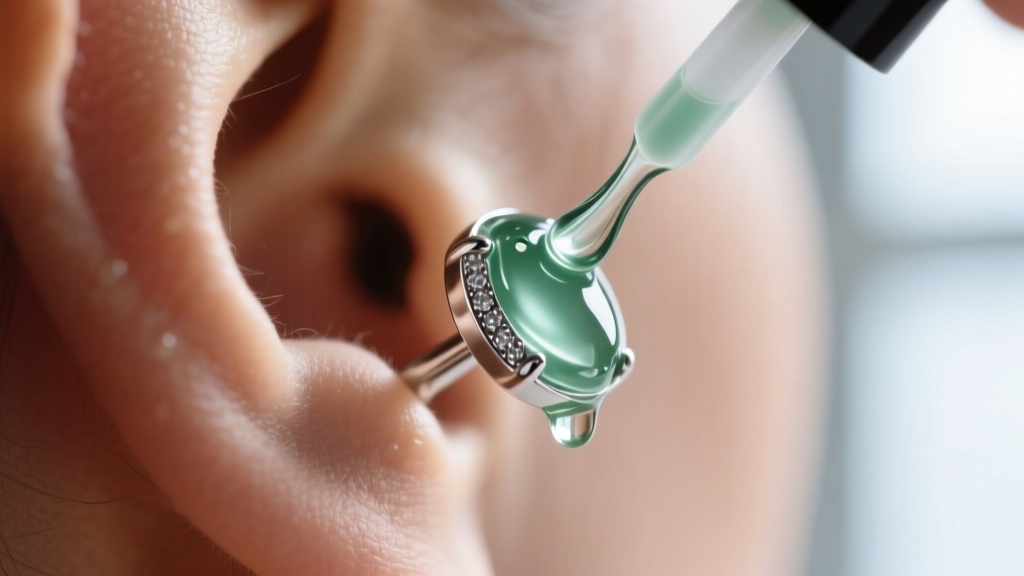
To prevent both oxidation and allergic reactions, you must create a physical barrier between the earring post and your skin. Before wearing your moon earrings for the first time, apply a thin, even coat of clear, hypoallergenic nail polish to the earring posts and the back of the clutch. Allow it to cure completely for at least two hours. This polymer seal prevents sweat from reaching the base metal. You will need to reapply this barrier every 4 to 6 wears, or whenever you notice the polish wearing thin near the friction grooves of the post.
Step-by-Step Cleaning Protocol for Plated and Painted Earrings
Because you cannot submerge these earrings in commercial silver dips or use abrasive polishing cloths (which will sand off the 0.5-micron plating), you must rely on a gentle, localized cleaning protocol. Follow these steps after every few wears to remove sebum, dead skin cells, and cosmetic residue.
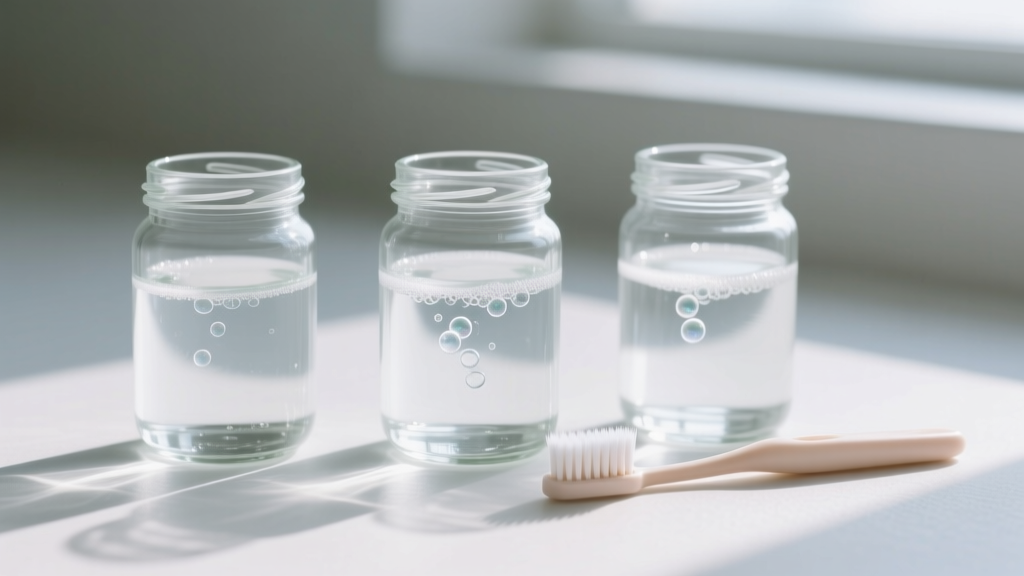
- Dry Debris Removal: Before introducing any moisture, use a clean, dry, soft-bristled baby toothbrush to gently sweep out the intricate crevices of the moon cutouts. This removes trapped foundation, powder, and dead skin without scratching the enamel.
- Prepare a pH-Neutral Lather: In a small glass bowl, mix three drops of pH-neutral, fragrance-free dish soap (such as original Dawn) with two tablespoons of distilled water. Never use tap water, as the chlorine and dissolved minerals can leave water spots on the acrylic and accelerate tarnishing on exposed base metals.
- Targeted Swabbing: Dip a cotton swab into the soapy lather, tapping off the excess. Carefully trace the edges of the rhinestones and the painted moon details. Do not scrub the glued settings; instead, let the mild surfactant lift the oils. Avoid getting the cotton fibers caught on the prongs.
- The Distilled Rinse: Dampen a fresh cotton swab with pure distilled water and wipe away the soap residue. Again, do not submerge the earrings, as water trapped beneath the rhinestone foil backing will cause the glass to 'fog' permanently from the inside.
- Immediate Drying: Moisture is the enemy of flash plating. Immediately dry the earrings using a lint-free microfiber cloth. For deep crevices in the crescent moon designs, use a can of compressed air (held at least six inches away) to blow out trapped water droplets.
Chemical Compatibility and Hazard Chart
Using the wrong cleaning agent on Spirit Halloween moon earrings will result in irreversible damage. Refer to this compatibility matrix before applying any substance to your jewelry.
| Cleaning Agent | Target Material | Result / Hazard |
|---|---|---|
| Rubbing Alcohol | Acrylic / Resin Moons | Causes severe clouding, micro-fractures, and strips painted finishes. |
| Silver Dip / Thiourea | Flash Plated Alloy | Strips the plating entirely, exposing raw zinc/brass base metal. |
| Ultrasonic Cleaner | Glass Rhinestones | Shatters the foil backing and dissolves cyanoacrylate glue. |
| Mild Dish Soap | All Materials | Safe. Lifts sebum and cosmetics without degrading glue or plating. |
| Baking Soda Paste | Painted Enamel | Acts as a micro-abrasive, permanently scratching the metallic finish. |
Strategic Storage to Prevent Tarnish and Humidity Damage
How you store your Spirit Halloween moon earrings between October seasons dictates whether they survive to the next year. Base metals tarnish when exposed to hydrogen sulfide and sulfur dioxide in the ambient air. Furthermore, high humidity accelerates the galvanic corrosion of mixed-metal alloys.
- Anti-Tarnish Interceptors: Store the earrings in a sealed polyethylene ziplock bag alongside a strip of 3M Anti-Tarnish paper. These strips contain copper carbonate particles that chemically bind with airborne sulfur gases, neutralizing them before they can react with your earring plating.
- Moisture Control: Drop a small packet of indicating silica gel into the storage bag. Avoid using activated charcoal, which can sometimes release trapped moisture if the ambient temperature fluctuates.
- Friction Prevention: Never toss multiple dangle earrings into the same compartment. The swinging metal stars and moon charms will act as tiny hammers, chipping the enamel and scratching the flash plating. Use a jewelry roll with individual, soft-flannel pockets.
When to Retire Your Costume Jewelry
While meticulous care can extend the life of your celestial earrings for several seasons, costume jewelry has a finite lifespan. It is time to retire the piece if you notice the following failure modes:
Visible Base Metal Bleed-Through: If the silver or gold tone has worn away on the high-friction areas (like the earring clutch or the outer edge of the moon), exposing a dull gray or brassy yellow underlayer, the piece can no longer be safely worn. Exposed zinc and nickel alloys will cause rapid contact dermatitis and cannot be effectively re-plated at home.
Bent Posts and Compromised Clutches: The posts on fashion earrings are often made of soft, easily bent metals. If the post has been bent and straightened multiple times, it suffers from metal fatigue and is at high risk of snapping off inside the earlobe. Furthermore, if the butterfly clutch no longer grips the friction groove securely, the earring is a loss risk and should be discarded or repurposed into a pendant.
By understanding the specific vulnerabilities of flash-plated alloys and glued embellishments, you can maintain the dark, celestial magic of your Spirit Halloween moon earrings, ensuring they remain a staple of your seasonal wardrobe for years to come.


