St John Earrings: 2026 Value & Investment Assessment
Evaluating the true cost, material quality, and resale value of St John earrings in 2026. Is luxury fashion jewelry worth the investment?

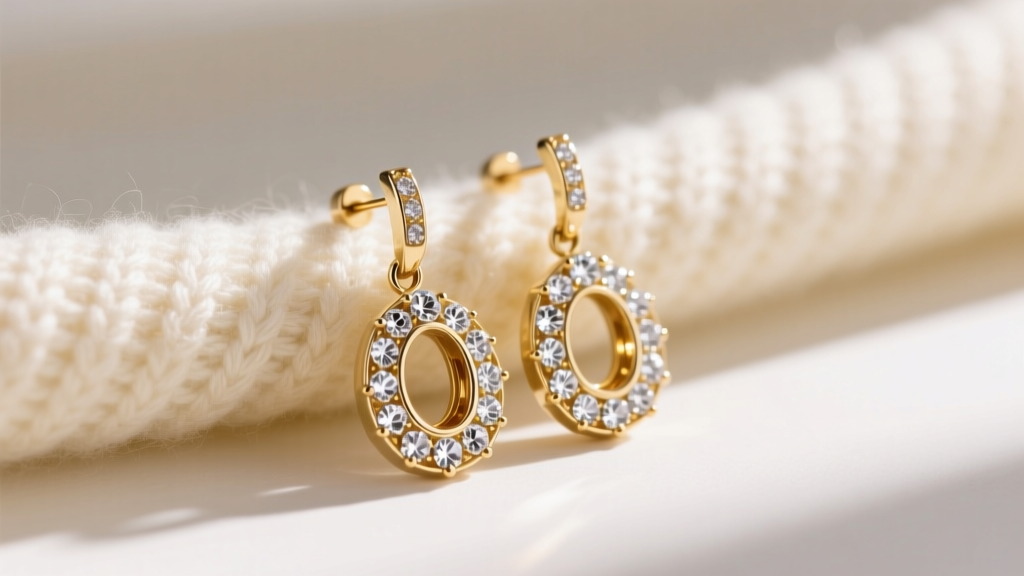
When navigating the luxury accessories market, consumers are frequently forced to choose between intrinsic material value and high-end brand prestige. St. John, the iconic American fashion house celebrated for its sophisticated knitwear and tailored silhouettes, extends its aesthetic vision into jewelry. But when you strip away the runway styling and brand heritage, what is the actual financial and material reality of purchasing St John earrings? In this 2026 value assessment, we deconstruct the pricing, material composition, hardware longevity, and secondary market performance of St. John's earring collections to determine if they represent a sound addition to your luxury wardrobe.
The St. John Earrings Proposition: Luxury Fashion vs. Fine Jewelry
To accurately assess value, we must first categorize the product. St John earrings are classified as luxury fashion (or costume) jewelry. Unlike fine jewelry brands that utilize solid 14k or 18k gold, platinum, and naturally mined diamonds, St. John primarily employs base metals—typically brass or jeweler's bronze—heavily plated in gold-tone or silver-tone finishes. The embellishments usually consist of precision-cut Austrian crystals, Swarovski elements, faux pearls, and high-grade enamel.
The retail price for a standard pair of St. John drop or stud earrings generally ranges from $150 to $450, with elaborate runway statement pieces occasionally pushing past $600. The value proposition here is not tied to the melt value of the metals, but rather the design cohesion, brand equity, and aesthetic finishing. For the dedicated St. John apparel collector, these earrings are engineered to perfectly complement the brand's seasonal knitwear and evening wear, offering a curated, head-to-toe luxury experience that independent fine jewelers cannot replicate.
Material Breakdown and Hardware Longevity
Understanding the physical construction of these earrings is critical for assessing long-term value. High-end fashion jewelry relies heavily on electroplating techniques to achieve a luxurious finish.
Plating Thickness and Base Metals
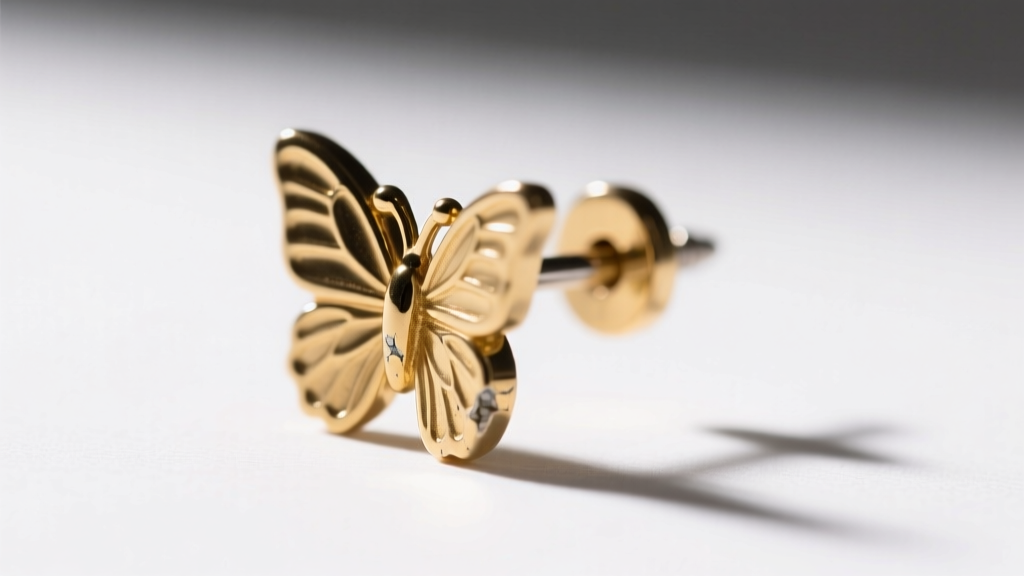
St. John typically utilizes a brass base for its earring bodies due to its excellent weight, malleability, and ability to hold intricate cast details. The gold-tone plating is generally applied at a thickness of 0.5 to 1.5 microns. While this is significantly thicker than fast-fashion jewelry (which often measures less than 0.1 microns), it is still a surface layer. Over a period of 3 to 5 years of regular wear, friction, skin acidity, and exposure to cosmetics will inevitably cause the plating to wear down to the brass base.
Post Gauge and Hypoallergenic Considerations
A major point of value in St John earrings is the hardware that actually touches the skin. To mitigate allergic contact dermatitis, the brand typically utilizes surgical-grade stainless steel or sterling silver for the earring posts, even if the decorative front is plated brass. The posts are standard 20-gauge (0.8mm) or 18-gauge (1.0mm), ensuring compatibility with standard pierced lobes. The butterfly friction backs are usually stamped brass with a steel insert for tension, providing a secure hold for heavier drop styles without bending.
Pricing Tiers and Value Assessment Matrix
How do St John earrings compare to other market players in the 2026 landscape? The table below contrasts St. John's luxury fashion positioning against both heritage costume jewelers and modern accessible fine jewelry brands.
| Brand Category | Material Base | Avg. Retail Price | Est. Resale Retention | Primary Value Driver |
|---|---|---|---|---|
| St. John (Fashion) | Plated Brass, Crystal | $150 - $450 | 10% - 25% | Brand synergy, elegant design |
| Chanel (Costume) | Plated Base Metal, Glass | $800 - $1,500 | 60% - 120% | Heritage status, collector demand |
| Mejuri (Fine) | Solid 14k Gold, Diamonds | $150 - $500 | 30% - 50% | Intrinsic metal value, daily wear |
| Kendra Scott (Bridge) | Plated Brass, CZ/Agate | $50 - $120 | 5% - 15% | Trend accessibility, color variety |
As noted by industry analysts at The Business of Fashion, the "bridge" and "accessible fine" jewelry markets have heavily disrupted luxury fashion jewelry. Consumers can now purchase solid 14k gold earrings from brands like Mejuri for the exact same price as a pair of plated brass St. John earrings. Therefore, purchasing St. John is strictly a stylistic and brand-loyalty decision, rather than a financial investment in precious metals.
The Secondary Market: Resale Realities
If you are considering St John earrings as an asset that will hold its value, the secondary market data provides a sobering reality check. Unlike the brand's iconic knitwear or structured handbags, which maintain a robust resale presence on platforms like The RealReal, fashion jewelry suffers from steep depreciation.
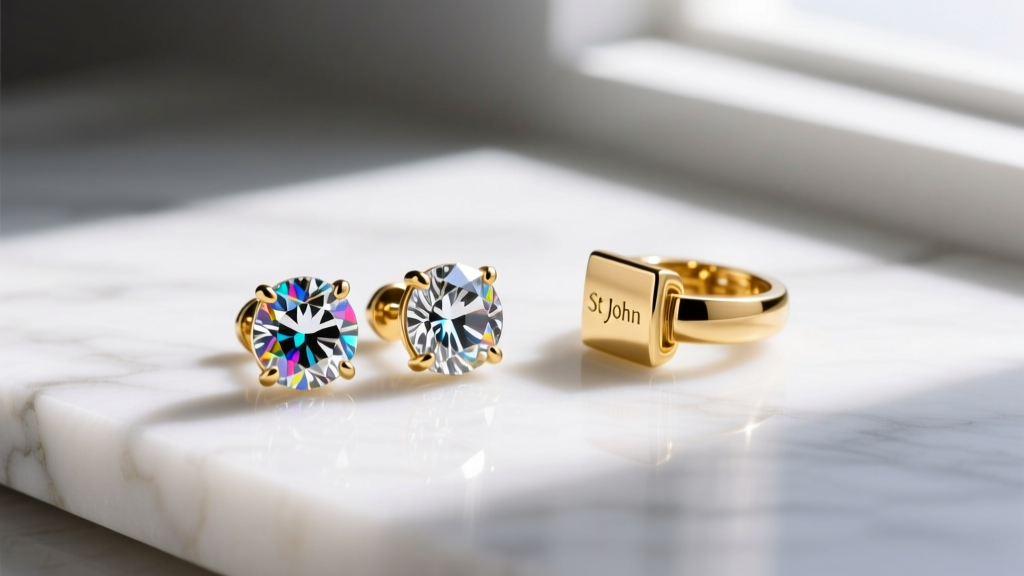
- Condition is Paramount: Because the value is entirely aesthetic, any flaking of the gold plating, missing pavé crystals, or tarnished enamel will reduce the resale value to near zero.
- Depreciation Curve: A $350 pair of St. John crystal drop earrings worn for one season will typically resell for $45 to $85 on luxury consignment sites.
- The Runway Exception: Rare, avant-garde statement pieces featured in major editorial spreads (such as those documented by Vogue) or worn by high-profile celebrities can occasionally bypass standard depreciation, appealing to niche vintage collectors.
For the pragmatic buyer, this means you should only purchase St John earrings if you are entirely comfortable with the idea of "sunk cost." You are paying for the immediate joy of wearing a beautifully crafted, heavy, and luxurious-feeling accessory, not for future financial return.
Care Protocols to Maximize Lifespan
To protect your investment and ensure the plated brass maintains its luster, implementing a strict care protocol is non-negotiable. Fashion jewelry requires more active maintenance than solid gold.
- The "Last On, First Off" Rule: Always apply your perfumes, hairsprays, and lotions before putting on your earrings. The alcohol and chemicals in cosmetics are the primary catalysts for stripping gold-tone plating from brass.
- Friction Management: When removing butterfly backs, pull them straight off the post. Wiggling them side-to-side wears down the microscopic plating layer on the steel post, leading to exposed base metals that can irritate sensitive earlobes.
- Storage Environment: Store the earrings in their original velvet-lined boxes or individual anti-tarnish cloth pouches. Do not leave them exposed to the humidity of a bathroom, which accelerates the oxidation of the underlying brass.
Who Should Buy St John Earrings? (The Verdict)
The value of St John earrings in 2026 is entirely subjective and dependent on your personal luxury framework.
Buy them if: You are a dedicated collector of St. John apparel and desire accessories that are specifically color-matched and proportionally scaled to complement the brand's seasonal clothing lines. The weight, drape, and crystal-cut quality of St. John's fashion jewelry are undeniably superior to mid-tier mall brands, offering a premium tactile experience.
Skip them if: You prioritize intrinsic material value, have severe metal allergies (unless you can verify the exact steel grade of the post), or expect to recoup a significant portion of your purchase price upon resale. In those cases, redirecting your $300 budget toward a minimalist pair of solid 14k gold or platinum stud earrings from a specialized fine jeweler will yield a vastly superior long-term financial outcome.


