Is Stainless Steel Good for Earrings? Solving Allergy Issues
Is stainless steel good for earrings? We troubleshoot green skin, nickel allergies, and tarnish, comparing 316L surgical steel grades.

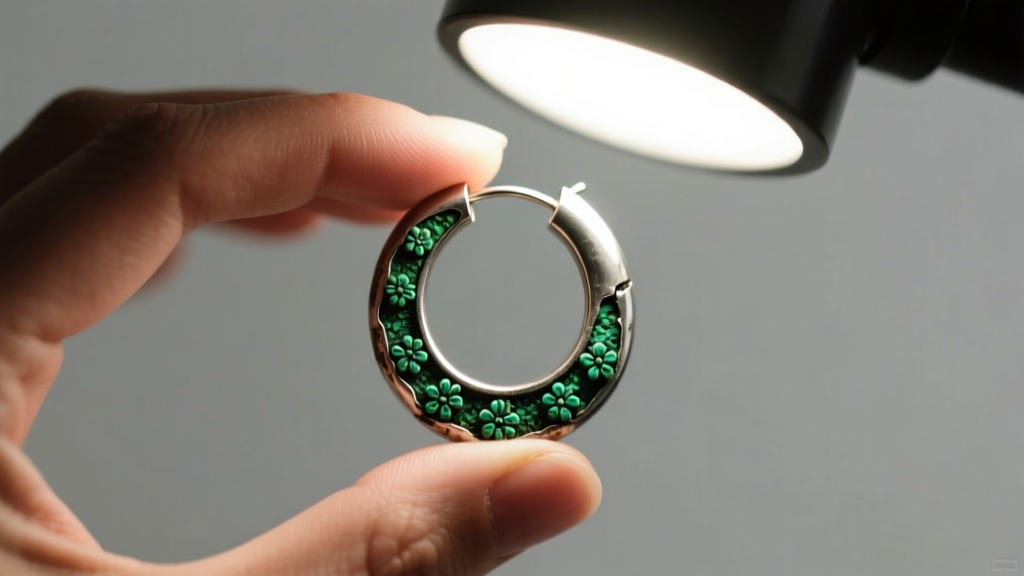
When building a versatile jewelry collection, one of the most common questions we encounter from readers with sensitive skin is: is stainless steel good for earrings? The answer is not a simple yes or no. While stainless steel is heavily marketed as 'hypoallergenic' and 'surgical,' the reality of its metallurgical composition tells a much more complex story. If you have ever experienced itchy earlobes, mysterious green discoloration, or stubborn tarnish in your cartilage piercings, the culprit is likely the specific alloy grade of your earrings.
In this comprehensive troubleshooting guide, we bypass the marketing fluff and dive deep into the material science of stainless steel earrings. We will diagnose the exact failure modes of common steel alloys, explain why your skin is reacting, and provide actionable frameworks to salvage or replace your jewelry.
The Short Answer: Decoding Surgical vs. Standard Steel
To determine if stainless steel is safe for your ears, you must identify the specific alloy grade. Not all stainless steel is created equal. The term 'stainless' simply means the steel contains at least 10.5% chromium, which forms a passive oxide layer to prevent rust. However, this tells us nothing about its biocompatibility.
- 316L (Surgical Steel): The gold standard for commercial stainless steel jewelry. It contains molybdenum for increased corrosion resistance and a lower carbon content ('L' stands for Low carbon). It is generally safe for healed piercings.
- 316LVM (Vacuum Melted): A superior variant where the alloy is melted in a vacuum, reducing impurities and inclusions. This is the only stainless steel grade sometimes acceptable for initial piercings, though titanium is preferred.
- 304 (Standard Stainless): Common in cheap fashion jewelry and kitchen appliances. It lacks molybdenum, making it highly susceptible to pitting corrosion when exposed to the chlorides in human sweat.
- 430 (Ferritic Stainless): Highly magnetic, lower corrosion resistance, and frequently used in ultra-low-budget earring posts. It is a primary trigger for contact dermatitis.
Troubleshooting Problem #1: 'My Earrings Turned My Ears Green'
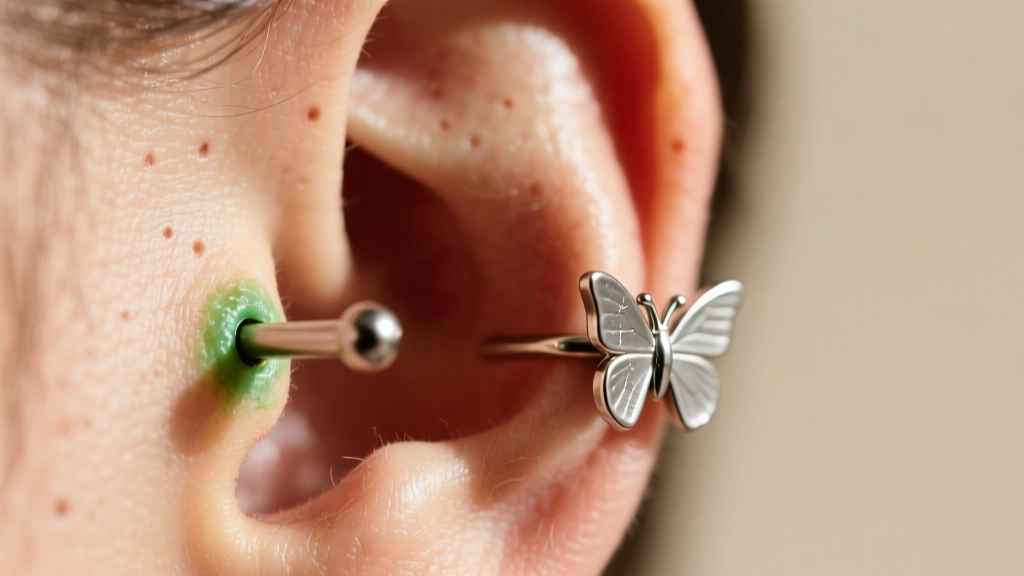
One of the most frustrating issues jewelry wearers face is the dreaded green stain left behind on the earlobe or cartilage. If you are asking, 'is stainless steel good for earrings if it turns my skin green?' the answer is that you are likely not wearing true stainless steel at all.
The Chemistry of the Green Stain
True 316L stainless steel does not contain copper. The green discoloration (copper chloride or copper carbonate) is the result of a galvanic reaction between copper-rich alloys (like brass or bronze) and the acidic pH of your sweat (which typically ranges from 4.5 to 7.0).
Many fast-fashion brands use a brass or copper base metal and electroplate it with a microscopically thin layer of stainless steel or rhodium. Once the friction of the earring post against your piercing wears through this plating, the underlying copper is exposed to your skin's moisture and oxygen, resulting in rapid oxidation and green skin.
Pro Tip: If your 'stainless steel' earrings turn your ears green, perform a magnet test. True austenitic 316L steel is largely non-magnetic. If a strong neodymium magnet aggressively snaps to the earring post, it is likely a cheaper ferritic steel or plated base metal.
Troubleshooting Problem #2: Allergic Contact Dermatitis
Even if you purchase genuine 316L surgical steel, you may still experience redness, flaking, and intense itching. This is Allergic Contact Dermatitis (ACD), and it is almost exclusively triggered by nickel. According to the American Academy of Dermatology, nickel allergy is the most common contact allergy worldwide, affecting roughly 18% of adults.
The Nickel Release Paradox
316L stainless steel contains between 10% and 14% nickel to maintain its austenitic crystal structure and corrosion resistance. In a perfect vacuum, this nickel is tightly bound. However, human sweat contains chloride ions. When chlorides interact with microscopic surface defects or scratches on the earring post, they cause 'pitting corrosion.' This localized breakdown of the chromium oxide layer releases free nickel ions directly into the epidermis.
The European Union's Nickel Directive (EN 1811) strictly limits nickel release from post-assembly jewelry to <0.5 µg/cm²/week. While high-quality 316L can pass this test when newly polished, everyday wear and tear rapidly increases the release rate.
Material Grade Comparison Chart
| Alloy Grade | Nickel Content | Corrosion Resistance | Suitable for Fresh Piercings? | Average Price Range (Studs) |
|---|---|---|---|---|
| 316L Surgical | 10 - 14% | High | No (Healed only) | $12 - $35 |
| 316LVM | 10 - 14% | Very High | Not Recommended | $20 - $45 |
| 304 Commercial | 8 - 10.5% | Moderate | No | $5 - $15 |
| ASTM F136 Titanium | 0% (Nickel-Free) | Exceptional | Yes (Gold Standard) | $40 - $90 |
Troubleshooting Problem #3: Cartilage Piercing Irritation & Tarnish
Cartilage piercings (typically 16G or 14G) present a unique microenvironment. Unlike the fleshy earlobe, cartilage lacks its own blood supply and heals much slower. The tight spaces of a helix or conch piercing trap sebum, dead skin cells, and moisture, creating a highly acidic environment that can degrade lower-quality metals.
Addressing Sebum Buildup and Pitting
If your stainless steel cartilage hoops feel 'gritty' when you rotate them, or if the metal appears dull and pitted under close inspection, you are experiencing localized corrosion exacerbated by biological buildup. The Association of Professional Piercers strongly advises against wearing any steel in unhealed cartilage due to this exact friction and corrosion risk.
The Ultrasonic Cleaning Protocol
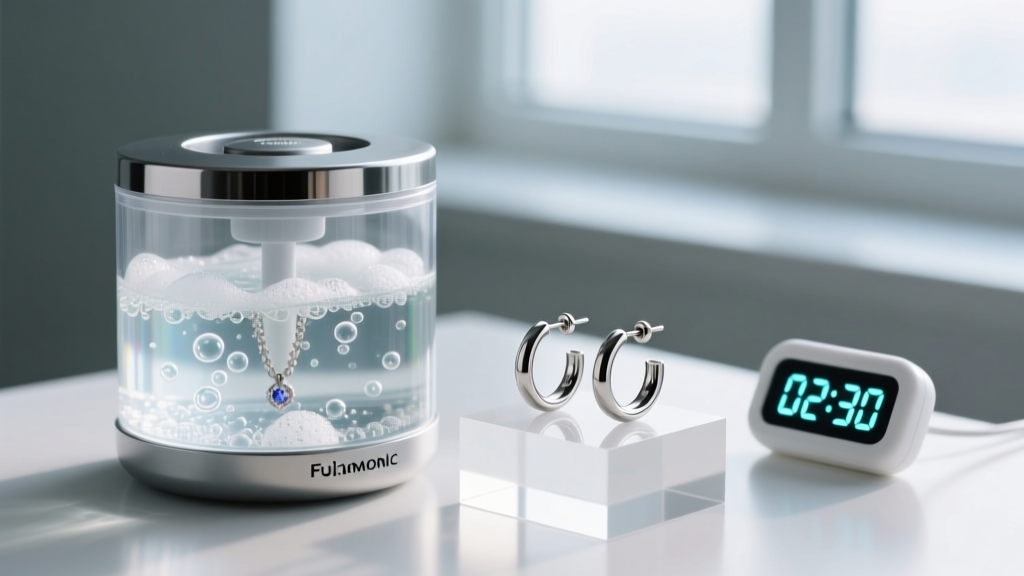
To restore tarnished 316L earrings and remove trapped biological matter without scratching the metal, abandon harsh chemical dips. Instead, use an ultrasonic cleaner:
- Fill the ultrasonic tank with warm distilled water and two drops of mild, fragrance-free dish soap.
- Place your stainless steel earrings in the basket (ensure they do not touch the bottom transducer).
- Run a 3-minute cycle at 40kHz.
- Rinse thoroughly with distilled water and dry completely with a lint-free microfiber cloth before reinserting.
When Steel Fails: Upgrading to Implant-Grade Titanium
If you have verified that you are wearing genuine 316L steel, have implemented strict cleaning protocols, and are still experiencing itching, swelling, or rejection, your body has likely developed a sensitization to the trace nickel release. At this stage, no amount of troubleshooting will fix the steel; you must change the material.
The ultimate solution is ASTM F136 Implant-Grade Titanium. This specific alloy (Ti-6Al-4V ELI) contains absolutely zero nickel. Furthermore, its surface oxide layer is vastly more stable than the chromium layer on stainless steel, making it entirely immune to the chloride-induced pitting caused by human sweat. While the upfront cost for a pair of 16G titanium cartilage hoops might be $55 compared to $20 for steel, the elimination of chronic inflammation and the risk of piercing migration makes it a mandatory investment for reactive skin.
Quick Diagnostic Checklist for Your Current Earrings
Before throwing away your entire jewelry box, run your stainless steel pieces through this rapid diagnostic checklist to determine their viability:
- The Magnet Test: Hold a strong neodymium magnet to the post. If it sticks firmly, discard the earring (it is likely 400-series ferritic steel or plated brass).
- The Hallmark Check: Use a jeweler's loupe to inspect the back of the earring post or clasp. Look for stamps like '316L', 'Surgical', or 'ASTM'. Unmarked posts are almost always 304 or lower grades.
- The Scratch Test: If the silver color flakes or reveals a yellowish/brass undertone beneath a scratch, it is plated base metal. True stainless steel is homogeneous throughout.
- The Wear Test: Wear the earrings for exactly 4 hours on a clean, dry earlobe. If you feel a localized 'heat' or itching, the nickel release rate is exceeding your personal threshold.
Ultimately, asking 'is stainless steel good for earrings' requires looking past the marketing label. By understanding the specific grade of your jewelry and recognizing the chemical triggers of your skin, you can curate a collection that is both beautiful and biologically compatible.


