Steely Dan Green Earrings: 2026 Collector Value & Budget Guide
Assess the 2026 market value of Steely Dan green earrings, from rare 1976 Royal Scam tour merch to vintage 70s chrysoprase and gold drops.

The Dual Market: 1976 Tour Merch vs. The Yacht Rock Aesthetic
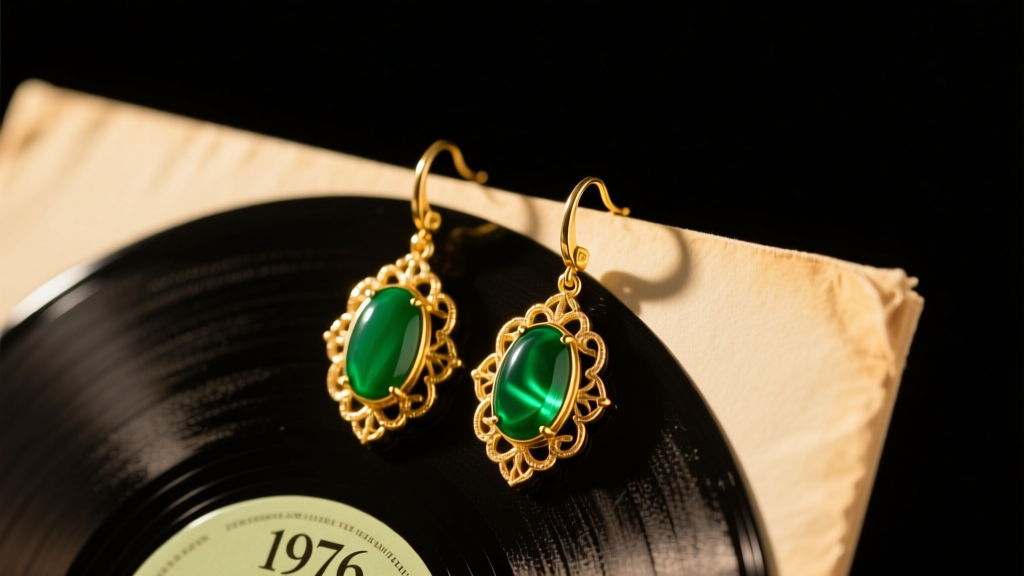
When collectors and stylists search for "Steely Dan green earrings" in 2026, they are typically navigating a highly specific dual market. On one side, there is the ultra-niche world of music memorabilia: rare, literal promotional or fan-made jewelry tied to the band’s 1976 album The Royal Scam, which features the cult-favorite track "Green Earrings." On the other side, there is the broader vintage jewelry market, where buyers seek authentic 1970s yellow gold and green gemstone drop earrings that capture the exact "Yacht Rock" studio-era aesthetic immortalized by the band. Understanding the budget and value assessment for both categories requires a deep dive into 1970s metallurgy, gemological authenticity, and music memorabilia grading.
The lyric "I bought you green earrings, but you left them in the cab" has cemented the accessory as a symbol of 1970s jazz-rock melancholy. Whether you are hunting for a verified 1976 tour artifact or a pristine pair of vintage 14k gold and chrysoprase drops, the financial outlay and authentication hurdles vary wildly. This guide breaks down the exact pricing tiers, material grades, and failure modes you need to know before investing.
Valuing Authentic 1976 Promotional & Fan Jewelry
Authentic Steely Dan tour merchandise from the mid-1970s is notoriously scarce. Unlike the mass-produced concert tees of the 1980s, 1970s band jewelry was often produced in limited regional runs by local jewelers or specialized promotional firms. If you encounter a pair of earrings explicitly branded with The Royal Scam artwork or the band's iconic logo from this era, you are looking at a collector's item where the provenance dictates the price, not the raw materials.
- Tier 1: Base Metal / Pot Metal Souvenirs ($150 - $350) Often featuring enamel or painted resin "green stones" set in brass or pewter. These are highly prone to verdigris (copper oxidation) and skin irritation. Value is purely historical.
- Tier 2: Low-Karat Gold Vermeil ($400 - $800) 10k or 12k gold-plated silver with synthetic green spinel or glass cabochons. The plating is usually heavily worn by 2026, requiring careful storage to prevent further flaking.
- Tier 3: Verified Solid Gold Artifacts ($1,200 - $3,500+) Extremely rare 14k solid gold pieces commissioned for band members, crew, or high-level label executives. These require ironclad provenance, such as a letter of authenticity from a former tour manager or auction house verification via platforms like Heritage Auctions.
Authentication Markers and Failure Modes
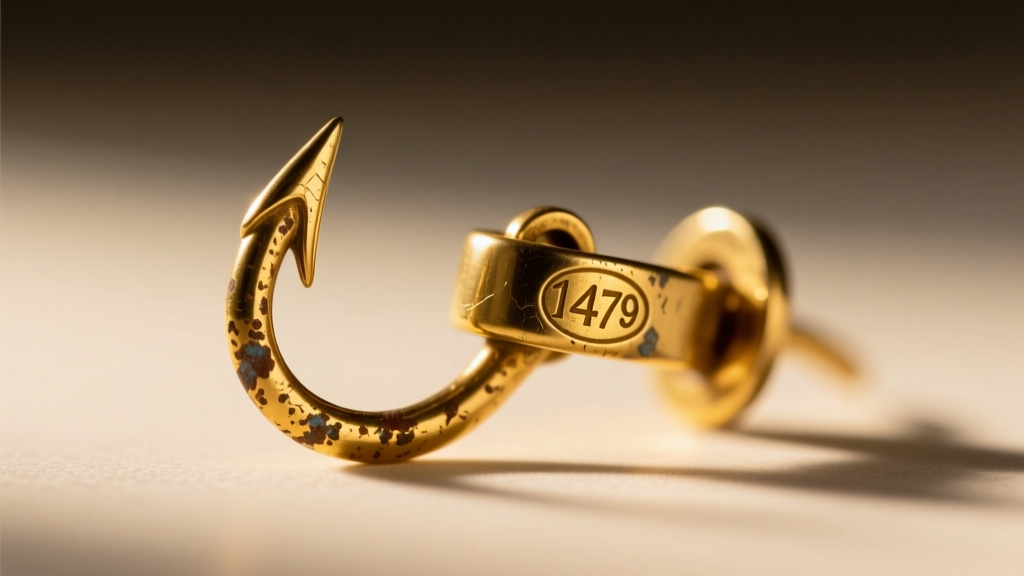
When assessing vintage 70s band merch, examine the hardware. Original 1970s fishhook wires or early friction posts were typically stamped with simple, often slightly blurred maker's marks. Modern laser-engraved hallmarks are an immediate red flag for reproduction. A common failure mode in 1970s base-metal souvenir earrings is the degradation of the adhesive holding the cabochon; always check for yellowed, brittle epoxy around the stone bezel.
The Studio Era Gemstone Guide: Budgeting for the Look
For most buyers, the goal is not literal band merchandise, but rather the sophisticated, 1970s Los Angeles studio aesthetic that Steely Dan embodied. The "green earrings" of the 1970s elite were predominantly set with three specific stones. According to the GIA Gem Encyclopedia, understanding the gemological differences is critical for accurate budgeting and long-term wearability.
| Gemstone | 1970s Authenticity | Mohs Hardness | Avg. 2026 Price (14k Gold Pair) | Maintenance Risk |
|---|---|---|---|---|
| Chrysoprase | High (Natural nickel-bearing chalcedony) | 6.5 - 7.0 | $800 - $2,200 | UV fading; requires dark storage |
| Green Onyx | Very High (Usually dyed agate in the 70s) | 6.5 - 7.0 | $500 - $1,400 | Dye sweating in high heat/humidity |
| Tsavorite Garnet | Low (Rare in large 70s cabochons, mostly faceted) | 7.0 - 7.5 | $2,500 - $5,000+ | Thermal shock during jewelry repair |
| Emerald | Medium (Usually heavily included/oiled) | 7.5 - 8.0 | $3,000 - $8,000+ | Fracture filling degradation over time |
If you want the most historically accurate "Steely Dan" look without overpaying, vintage chrysoprase is your target. It was the quintessential 1970s green stone, beloved for its opaque, apple-green hue that contrasted beautifully with the warm, high-polish yellow gold of the era. However, buyers must be warned: chrysoprase is notoriously sensitive to prolonged sunlight and heat, which can cause the stone to fade to a dull gray. Always ask sellers for the stone's storage history.
Hardware, Gauge Sizes, and Material Grades
The structural integrity of vintage earrings is a major factor in their value assessment. In the 1970s, the standard post thickness for drop earrings was 18-gauge (1.02mm) or 20-gauge (0.81mm). This is noticeably thicker than the flimsy 22-gauge (0.64mm) posts found on many modern mass-market earrings. The thicker gauge was necessary to support the heavy gold bezels and dense chalcedony cabochons typical of the era.
When evaluating a pair of vintage 14k or 18k gold drops, check the post-to-head solder joint. A common failure mode in 40-year-old jewelry is a micro-fracture at this exact stress point. Gently apply lateral pressure to the post; if there is any wiggling or visible cracking in the solder, factor a $75-$150 laser-welding repair into your budget. Furthermore, authentic 1970s yellow gold was often alloyed with copper and silver, giving it a slightly warmer, richer tone compared to the pale, brassy 14k gold produced in the late 1990s. Reference guides like Lang Antiques University provide excellent visual benchmarks for identifying period-correct gold alloys and clasp mechanisms, such as the classic Porteous lock or simple friction backs.

2026 Price Index & Sourcing Framework
Sourcing authentic 1970s green gemstone earrings requires moving beyond standard retail and into the estate and vintage market. Here is a practical framework for where to look and what to expect in 2026:
- Specialized Vintage Dealers (Etsy / 1stDibs): Expect a 30-50% premium for curated pieces. A verified 1970s 14k gold and chrysoprase pair will typically list between $1,200 and $1,800. The premium pays for the dealer's authentication and professional ultrasonic cleaning.
- Estate Auctions & Liquidations: The highest potential for value, but requires gemological knowledge. You can often win 18k gold and green onyx lots for $400-$600, essentially paying near melt-value for the gold while getting the stones for free.
- Music Memorabilia Platforms (Reverb / eBay): For literal band-associated pieces, cross-reference the seller's history. If a pair of "1976 Steely Dan Tour Earrings" is listed without specific provenance or high-resolution macro photos of the hallmarks, assume it is a modern reproduction.
"The 1970s marked a transitional period in jewelry manufacturing. We see a lot of 'green onyx' from this era that is actually dyed agate. While natural chrysoprase holds its value exceptionally well, dyed stones can literally sweat their color onto the gold bezel if exposed to high humidity, permanently staining the metal and tanking the resale value."
Final Verdict: Investment vs. Aesthetic Value
Are Steely Dan green earrings worth the investment? If you are chasing literal 1976 tour memorabilia, the market is highly illiquid and fraught with reproductions; proceed only with verified auction house documentation. However, if you are using the band's iconic 1976 aesthetic as a blueprint to acquire vintage 14k/18k yellow gold and chrysoprase drop earrings, the value proposition is excellent. These pieces represent a high-water mark in American jewelry design, offering heavy, durable 18-gauge hardware and natural gemstones that are increasingly scarce in today's market. By focusing on material grades, avoiding dyed agate, and verifying period-correct hallmarks, you can secure a piece of 1970s jazz-rock history that will only appreciate in both style and financial value.


