Sterling Silver Moonstone Earrings: A Technical Buyer's Guide
Discover the technical details of sterling silver moonstone earrings. Learn about adularescence grading, 925 silver alloys, and bezel setting durability.

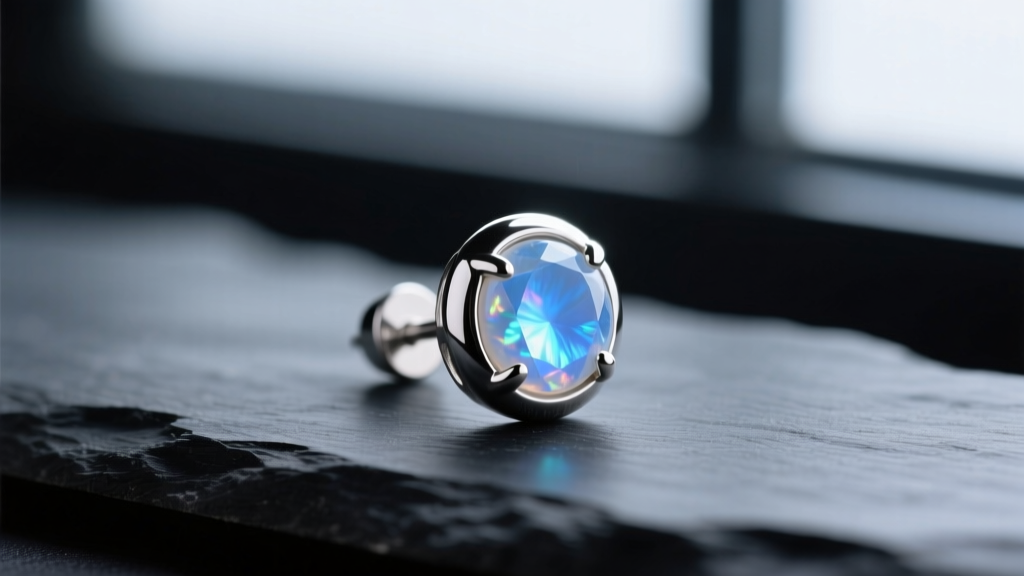
The Anatomy of High-Quality Sterling Silver Moonstone Earrings
When evaluating sterling silver moonstone earrings, casual shoppers often focus solely on the ethereal glow of the gemstone. However, as a domain expert in ear jewelry metallurgy and lapidary arts, I look at the structural integrity, alloy composition, and optical physics that dictate a piece's longevity and value. Moonstone is a feldspar mineral with a Mohs hardness of 6 to 6.5 and perfect cleavage planes, making it uniquely vulnerable to the mechanical stresses of daily wear. When paired with sterling silver—an alloy that requires precise engineering to resist tarnish and prevent contact dermatitis—the margin for manufacturing error is incredibly slim. This technical deep dive will equip you with the exact specifications needed to assess, purchase, and maintain premium sterling silver moonstone earrings in 2026 and beyond.
Evaluating Moonstone: Exsolution, Adularescence, and Cut
The defining characteristic of moonstone is adularescence, an optical phenomenon caused by the exsolution of orthoclase and albite feldspar layers. As light enters the stone, it scatters between these microscopic, alternating layers, creating a billowing, floating light effect known as the schiller. True technical grading of moonstone requires evaluating the thickness, color, and mobility of this schiller.
For earrings, the lapidary cut is critical. Moonstones are almost exclusively cut as cabochons. A high-quality cabochon must feature a high, symmetrical dome. If the dome is too flat, the adularescence will appear weak and static. If the stone is cut too thick at the pavilion (the bottom), it will sit too high in the earring setting, increasing the risk of impact damage and creating an awkward profile against the earlobe. Furthermore, buyers must inspect the stone for "centipede inclusions"—stress fractures that resemble the legs of a centipede. While common in natural moonstone, inclusions that reach the surface severely compromise the stone's structural integrity, especially when subjected to the pressure of metal prongs.
The GIA Color and Sheen Grading Framework
According to the Gemological Institute of America (GIA), the value of moonstone is heavily dictated by the color of its sheen and the transparency of its body. Below is a technical breakdown of the varieties commonly used in sterling silver ear jewelry:
| Variety | Body Color | Sheen Color | Technical Notes & Durability |
|---|---|---|---|
| Blue Moonstone | Colorless to White | Vivid Blue | Highest value. Requires precise layer thickness (~0.15 microns) for optimal blue scattering. |
| Rainbow Moonstone | White/Translucent | Multicolor | Technically labradorite (plagioclase). More abundant, highly durable, excellent for large drop earrings. |
| Peach Moonstone | Peach/Orange | White/Silver | Softer schiller. Often features more internal inclusions; requires protective bezel settings. |
| Gray Moonstone | Gray/Brown | Silver/Blue | Lower commercial value but prized for moody, alternative jewelry designs. High inclusion tolerance. |
925 Sterling Silver Alloys: Tarnish, Plating, and Sensitivities
Sterling silver is defined by a millesimal fineness of 925, meaning it contains 92.5% pure silver and 7.5% alloy metals. Historically, copper was the standard alloying metal, but copper reacts with sulfur and moisture in the air to form silver sulfide (tarnish). Furthermore, copper-rich alloys can cause green skin discoloration and are prone to "fire scale" (cupric oxide) during the soldering process.
As of 2026, the industry standard for premium sterling silver moonstone earrings involves advanced metallurgical tweaks and surface treatments:
- Argentium Silver: An upgraded alloy where a portion of the copper is replaced with germanium. This creates a transparent germanium oxide layer that drastically slows tarnishing and eliminates fire scale during manufacturing.
- Rhodium Plating Thickness: To prevent tarnish and provide a bright white finish, earrings are often plated with rhodium. For ear jewelry, a thickness of 0.25 to 0.50 microns is optimal. Anything less will wear off within months; anything thicker can become brittle and flake off the flexible ear wire.
- The Strike Layer: Rhodium cannot bond directly to silver. A "strike layer" of nickel or palladium is applied first. Crucial Warning: Nickel strike layers are a leading cause of contact dermatitis in cartilage piercings. Always verify that the manufacturer uses a nickel-free palladium strike layer.
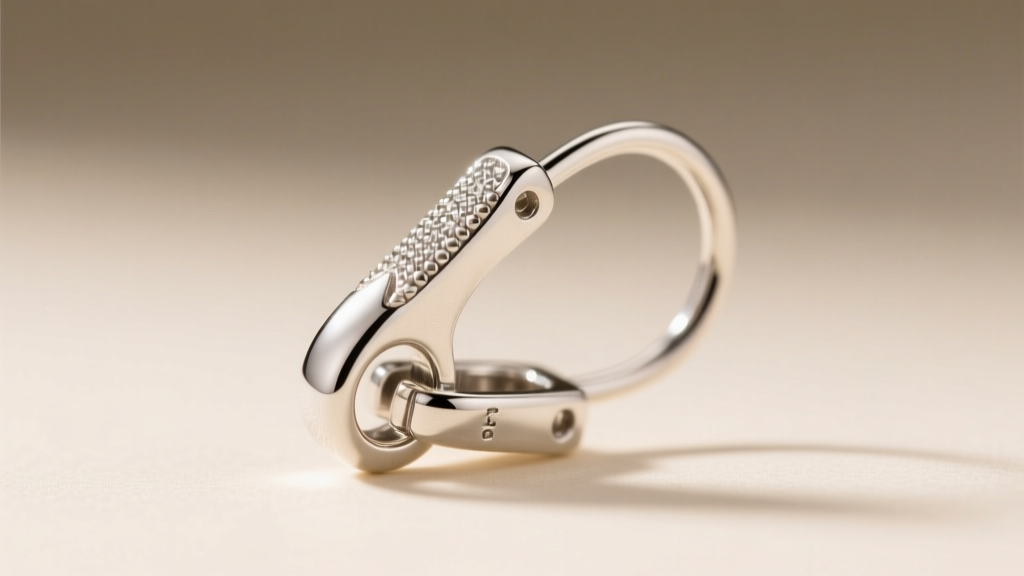
Setting Mechanics: Why Bezel Beats Prong for Moonstone
The most common failure mode in moonstone earrings is stone fracture caused by improper setting techniques. Because moonstone possesses perfect cleavage in two directions, it splits easily if subjected to uneven, localized pressure.
Expert Troubleshooting Insight: Prong settings rely on four or six metal claws pressing down on the crown of the stone. If the jeweler applies even a fraction of a millimeter too much pressure to a single prong, the moonstone will cleave along its internal fault lines. This fracture may not be visible immediately but will cause the stone to shatter weeks later due to thermal expansion or minor impacts.
For this reason, a full bezel setting is the only technically sound choice for moonstone ear studs and drops. A bezel wraps a continuous ribbon of sterling silver around the entire girdle of the cabochon, distributing pressure evenly. The bezel wall should be burnished smoothly over the edge of the stone without overlapping the dome, which would obscure the adularescence. For drop earrings, a half-bezel (which leaves the sides open to allow light entry) can be used, provided the stone is heavily domed and the culet is protected by a solid metal basket underneath.
Gauge Sizing, Weight Distribution, and Ear Ergonomics
The structural success of an earring relies heavily on the relationship between the post gauge, the weight of the moonstone, and the backing mechanism. Moonstone cabochons, particularly those over 10mm in diameter, carry significant mass.
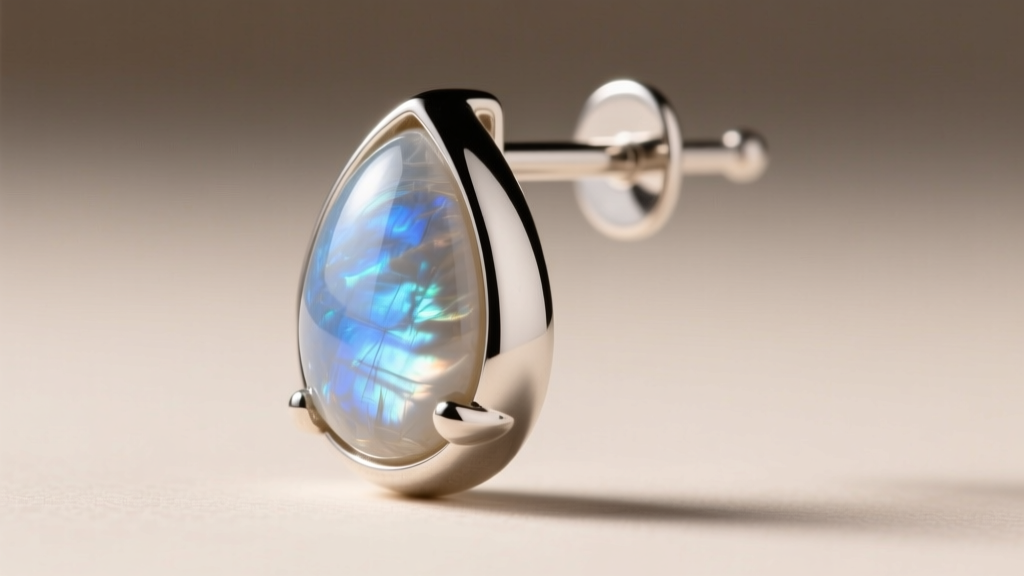
Standard earlobe piercings are typically 20-gauge (0.81mm) or 18-gauge (1.02mm). If a heavy moonstone drop earring is fitted with a thin 20-gauge wire and a standard friction back (butterfly clutch), the weight of the stone will pull the earring forward. This causes the post to tilt downward, creating a permanent, stretched slit in the earlobe over time. To counteract this, technical jewelers employ specific ergonomic solutions:
- Oversized Silicone Discs: Replacing standard metal friction backs with 10mm silicone O-rings distributes the weight across a wider surface area of the earlobe.
- La Pousette Backings: These mechanical locking backs feature a spring-loaded clutch that grips the post securely, preventing the heavy moonstone from drooping or falling out during sleep.
- Cartilage Considerations: For helix or tragus piercings, moonstone earrings must be kept under 3 grams. The delicate cartilage tissue is prone to migration and rejection if subjected to the pendulum effect of heavy, swinging gemstones.
Maintenance: The Dangers of Ultrasonic Cleaning
The most critical aspect of owning sterling silver moonstone earrings is understanding how not to clean them. According to care guidelines published by Jewelers of America, ultrasonic cleaners are strictly prohibited for feldspar minerals. The high-frequency acoustic cavitation bubbles generated by ultrasonic machines will aggressively exploit the microscopic exsolution layers and internal stress fractures of the moonstone, causing the stone to literally vibrate apart from the inside out.
Proper Cleaning Protocol:
- Mix a few drops of pH-neutral dish soap in lukewarm (never hot) distilled water.
- Soak the earrings for exactly 3 minutes to loosen sebum and cosmetic buildup.
- Gently agitate the silver setting with an extra-soft, baby-bristle toothbrush. Avoid brushing the surface of the moonstone, as accumulated dust often contains quartz particles (Mohs 7) which will scratch the moonstone (Mohs 6).
- Rinse under a gentle stream of distilled water and pat dry immediately with a lint-free microfiber cloth to prevent water spots on the silver.
By understanding the metallurgical nuances of 925 silver, the optical physics of adularescence, and the mechanical requirements of bezel settings, you can confidently select sterling silver moonstone earrings that are not only visually captivating but engineered to last a lifetime.


