Sterling Silver Teardrop Earrings: The Ultimate Buying Guide
Discover how to choose the perfect sterling silver teardrop earrings. Learn about 925 hallmarks, rhodium plating, gauge sizes, and styling.

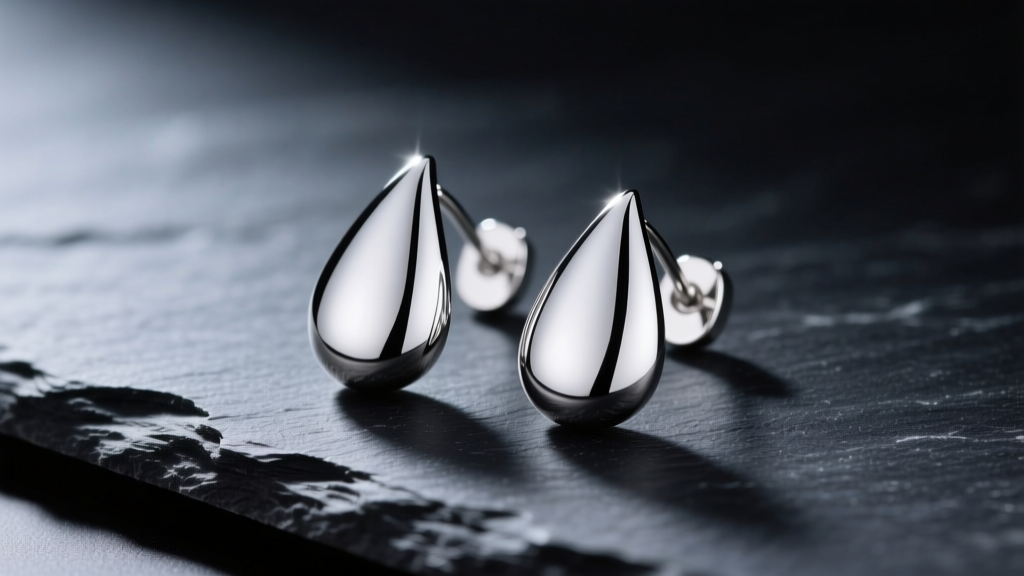
The teardrop silhouette is a masterclass in jewelry design. It bridges the gap between the understated elegance of a simple stud and the dramatic flair of a chandelier drop. When executed in sterling silver, this shape offers a brilliant interplay of light and shadow, making it a staple in both minimalist and maximalist collections. However, not all sterling silver teardrop earrings are created equal. As we navigate the 2026 jewelry market, understanding the metallurgy, structural engineering, and finishing techniques behind these pieces is critical for making a smart investment.
This comprehensive buying guide will dissect exactly what to look for when purchasing sterling silver teardrop earrings, ensuring you select a pair that is durable, hypoallergenic, and perfectly proportioned for your features.
The Metallurgy of 925: Why Pure Silver Fails
To understand the value of sterling silver, we must first look at its chemical composition. Pure silver, also known as fine silver (999), is exceptionally malleable. While this makes it ideal for intricate wire-wrapping or bezel settings, it is a catastrophic choice for earring posts. A pure silver post will bend under the kinetic weight of a teardrop dangle, eventually snapping at the stress point near the friction back.
Sterling silver solves this structural vulnerability. By law and industry standard, sterling silver must contain exactly 92.5% pure silver and 7.5% alloy metals—most commonly copper. According to the Gemological Institute of America (GIA), this specific ratio provides the necessary tensile strength for jewelry that undergoes daily wear and tear while maintaining the brilliant white luster of pure silver.
The Rise of Argentium Silver
For buyers highly sensitive to tarnish, look for teardrops crafted from Argentium silver (often stamped 935 or 960). Argentium replaces a portion of the copper alloy with germanium. This creates a transparent germanium dioxide layer on the surface that drastically slows oxidation, meaning your teardrops will require significantly less polishing over their lifespan.
Structural Integrity: Gauges, Bails, and Jump Rings
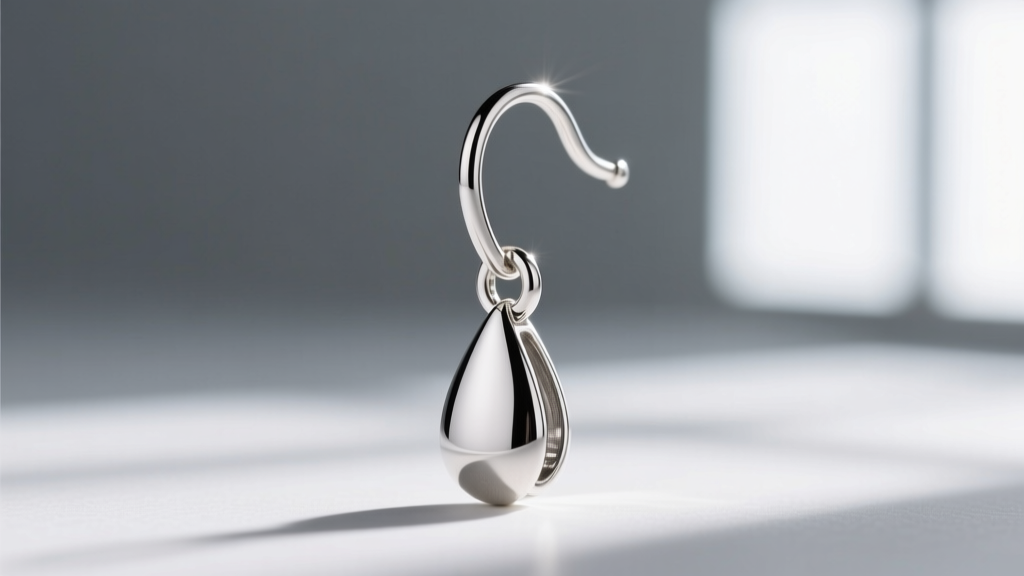
The most common failure point in drop earrings is not the metal itself, but the connections. A teardrop earring acts as a pendulum; every time you turn your head, kinetic energy transfers through the post, the jump ring, and the bail.
Post Gauge Sizing
The thickness of the earring post (the gauge) must be matched to the weight of the teardrop drop.
- 22-Gauge (0.64mm): Suitable only for ultra-lightweight, hollow, or miniature teardrops (under 2 grams). Prone to bending if the drop is solid.
- 20-Gauge (0.81mm): The industry standard. Ideal for medium-sized solid teardrops ranging from 2 to 5 grams. Provides a secure fit in standard lobe piercings without causing stretching.
- 18-Gauge (1.02mm): Required for heavy, oversized, or gemstone-inlaid teardrops exceeding 6 grams. Note that 18G posts can feel thick for those with delicate or newly healed piercings.
The Soldered Jump Ring Rule
Never purchase teardrop earrings where the jump ring (the tiny circle connecting the post loop to the teardrop bail) is merely butted together. Over time, the pendulum motion will pry the gap open, and you will lose the earring. Always inspect the connection point: a soldered jump ring (where the gap is fused shut with silver solder) is non-negotiable for high-quality drop earrings.
Surface Finishes: Rhodium, Oxidized, and High-Polish
The finish applied to the sterling silver dictates both the aesthetic and the maintenance requirements of the teardrop earrings. The Silver Institute notes that surface treatments are essential for mitigating silver's natural reaction to sulfur in the atmosphere.
| Finish Type | Visual Profile | Durability & Maintenance | Best For |
|---|---|---|---|
| Rhodium Plated | Bright, mirror-like white luster; resembles white gold or platinum. | Highly tarnish-resistant. Plating eventually wears off (1-3 years) and requires re-dipping. | Everyday wear, bridal, and high-shine minimalist looks. |
| Oxidized (Antiqued) | Darkened recesses with polished high points; vintage or gothic aesthetic. | Very low maintenance. The dark patina hides natural tarnish and scratches beautifully. | Filigree designs, textured teardrops, and edgy streetwear. |
| High-Polish (Bare) | Classic, warm silver glow. Reflective but slightly softer than rhodium. | Requires regular polishing with a microfiber cloth. Will tarnish if exposed to humidity/sulfur. | Purists who prefer un-plated metals and don't mind routine care. |
Pro-Tip on Rhodium Thickness: If buying rhodium-plated teardrops, ask the jeweler about the plating thickness. A standard flash plating is under 0.25 microns and will wear through in months. High-end pieces utilize 0.75 to 1.0 microns, ensuring years of protection before a re-plate is needed.
Price vs. Quality: What You Should Actually Pay
The market is flooded with misleading pricing. Use this framework to evaluate if a pair of sterling silver teardrop earrings is priced fairly based on its manufacturing origin and weight.
- $15 - $35 (Mass-Produced / Hollow): Usually imported, lightweight hollow teardrops or brass cores with thin silver plating (often mislabeled). Posts are frequently 22G and prone to snapping.
- $45 - $120 (Solid Artisan / Mid-Tier): The sweet spot for solid 925 sterling silver. Expect 20G posts, soldered jump rings, and either high-quality rhodium plating or hand-finished oxidization. Weight should be between 3 to 8 grams per earring.
- $150 - $300+ (Designer / Heavyweight): Features heavy-gauge 18G posts, custom-cast bails, premium Argentium silver, or integration with semi-precious stones like moonstone or turquoise. You are paying for brand prestige and advanced structural engineering.
Styling Teardrops for Your Face Shape Geometry
The teardrop is inherently elongating. Its visual weight is concentrated at the bottom, which naturally draws the eye downward. Understanding this geometric pull is key to selecting the right dimensions for your face shape.

Round and Square Faces
Teardrops are exceptionally flattering for round and square face shapes. The vertical drop creates an optical illusion that elongates the face and softens angular jawlines. Opt for medium to long teardrops (1.5 to 2.5 inches) that fall just below the jawline to maximize this lengthening effect.
Oblong and Rectangular Faces
If you have a naturally long face, traditional narrow teardrops will exaggerate the length. Instead, look for wide, chunky teardrops or designs that feature horizontal flaring near the bottom of the drop. Alternatively, opt for a smaller, stud-like teardrop that sits flush against the lobe, avoiding any downward extension.
Heart-Shaped Faces
Heart-shaped faces (wider forehead, narrow chin) benefit from teardrops that are voluminous at the bottom. The wider base of the teardrop visually balances the narrowness of the chin, creating a harmonious, symmetrical profile.
Care, Storage, and Tarnish Prevention
Even the highest quality sterling silver will react to environmental sulfur, leading to silver sulfide (tarnish). To protect your teardrop earrings, implement the following maintenance protocol:
- The Wipe-Down: After every wear, gently wipe the earrings with a lint-free microfiber cloth to remove skin oils, lotions, and sweat, which accelerate oxidation.
- Anti-Tarnish Storage: Never store sterling silver in humid environments like bathroom counters. Keep them in an airtight ziplock bag with a 3M anti-tarnish strip or a silica gel packet to absorb ambient moisture.
- Chemical Avoidance: Always put your earrings on after applying hairspray, perfume, and makeup. The alcohols and aerosolized chemicals can strip rhodium plating and cause bare silver to dull rapidly.
- Polishing: For bare or oxidized silver, use a treated silver polishing cloth (like a Sunshine cloth). Never use liquid silver dips on oxidized teardrops, as the harsh chemicals will strip the intentional dark patina from the recesses, ruining the contrast.
By prioritizing structural integrity, understanding the nuances of silver alloys, and selecting a finish that matches your lifestyle, you can secure a pair of sterling silver teardrop earrings that will remain a cornerstone of your jewelry wardrobe for decades.


