Prevent Green Gunk on Earrings: The Ultimate Metal Buying Guide
Discover why green gunk on earrings happens and learn which hypoallergenic metals to buy. Our expert guide ensures your lobes stay clean and irritation-free.

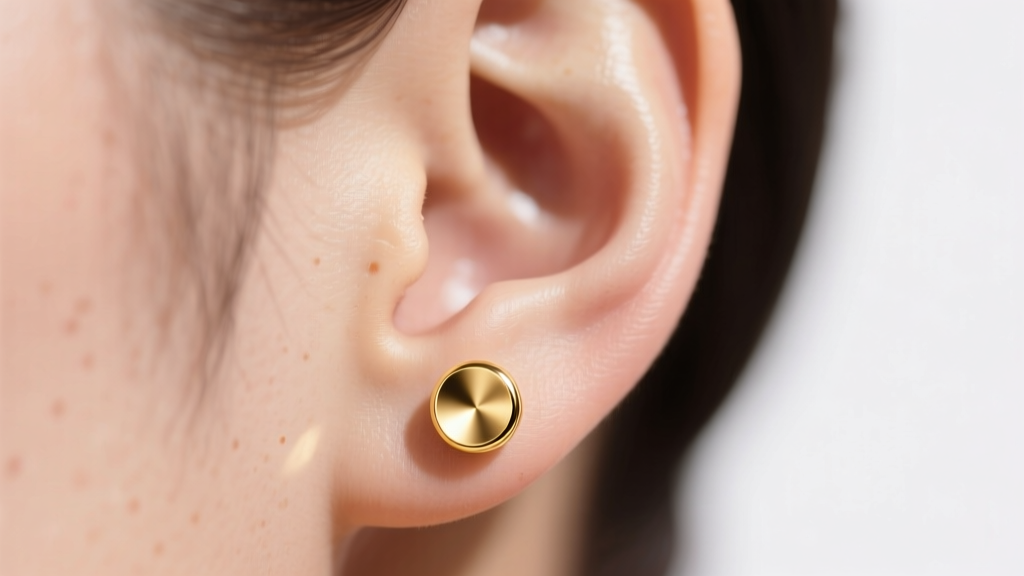
The Chemistry of the Slime: Why You Get Green Gunk on Earrings
If you have ever taken off a pair of stud earrings or hoops only to find a crusty, dark green residue coating the post and your earlobe, you are not alone. The dreaded 'green gunk on earrings' is one of the most common complaints in jewelry care, yet it is widely misunderstood. Many consumers mistakenly believe this green sludge is a sign of a bacterial infection or poor hygiene. In reality, it is a predictable metallurgical reaction known as verdigris.
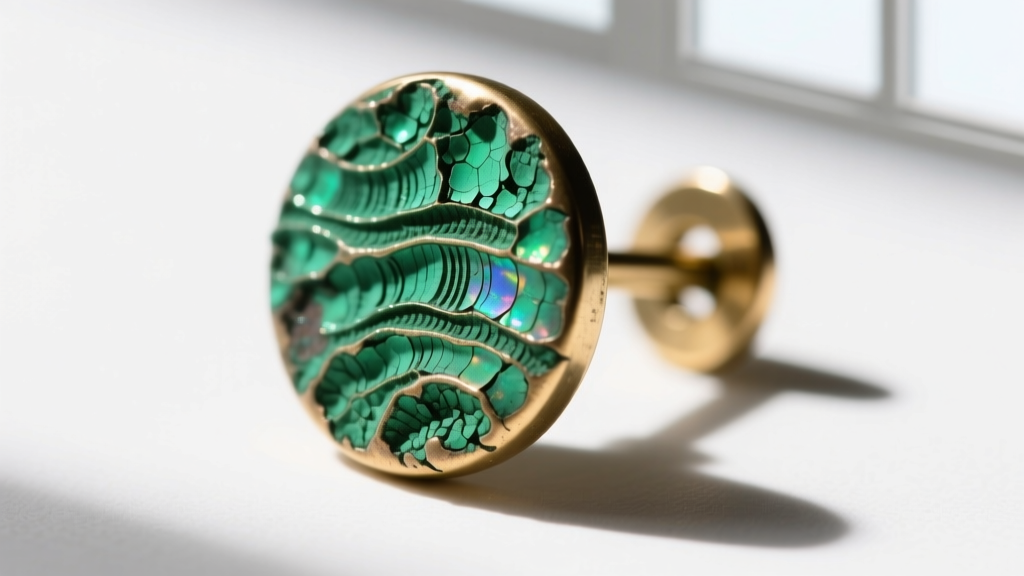
Verdigris is the informal name for copper carbonate or copper chloride, which forms when copper or copper-alloy metals react with oxygen, moisture, and the natural acids found in human sweat. The average human sweat has a slightly acidic pH ranging from 4.5 to 7.0, and it contains chlorides and urea. When this acidic moisture meets a reactive base metal hidden beneath a thin layer of plating, it triggers rapid oxidation. The resulting copper salts are not only unsightly but can also cause severe contact dermatitis, leading to itchy, swollen, and weeping earlobes.
According to the American Academy of Dermatology, metal allergies are incredibly common, and the porous, oxidized surface of reactive earrings acts as a breeding ground for both chemical irritation and bacterial buildup. To stop this cycle, you must fundamentally change how you evaluate the materials of the earrings you buy.
The Usual Suspects: Base Metals to Avoid
To prevent green gunk on earrings, your first line of defense is knowing which metals to leave on the rack. The jewelry industry frequently uses misleading marketing terms to disguise cheap, highly reactive alloys. Here are the primary culprits you must avoid:
- Brass and Bronze: These are copper-heavy alloys. Brass is a mix of copper and zinc, while bronze is copper and tin. Because they are up to 85% copper, they will almost guarantee a green reaction when exposed to the micro-environment of a piercing.
- 'Nickel Silver' or 'German Silver': This is perhaps the most deceptive term in jewelry. These alloys contain absolutely zero silver. They are typically composed of 60% copper, 20% nickel, and 20% zinc. Not only will they turn your ears green due to the copper, but the high nickel content is a primary trigger for severe allergic contact dermatitis, as noted by the Mayo Clinic.
- Sterling Silver (The Hidden Trap): While sterling silver is a precious metal, it is stamped '925' because it is 92.5% pure silver and 7.5% copper. That 7.5% copper is often enough to cause green oxidation, especially in humid climates or for individuals with highly acidic sweat. Furthermore, many cheap silver earrings are plated with rhodium to prevent tarnishing; once that microscopic plating wears off, the copper core is exposed to your skin.
- 'Hypoallergenic' Mystery Metals: The term 'hypoallergenic' is entirely unregulated by the FDA or international jewelry boards. A brand can slap this label on a nickel-brass alloy simply because it has a temporary clear-coat finish that will inevitably chip within weeks of wear.
The Buying Guide: Metals That Guarantee Clean Lobes
When shopping for everyday earrings, cartilage studs, or heavy huggies that you intend to sleep in or wear through showers, you must demand elemental purity or biocompatible alloys. Here is exactly what to look for when building a safe, sludge-free jewelry collection.
1. Implant-Grade Titanium (ASTM F136)
Titanium is the gold standard for sensitive ears, but not all titanium is created equal. You must look for earrings specifically labeled as ASTM F136 compliant. This is the standard for implant-grade titanium alloys (Ti-6Al-4V ELI), which are used in medical pacemakers and surgical joint replacements. It contains zero nickel and will never oxidize or turn green. Avoid 'titanium steel,' which is a deceptive marketing buzzword often used for 316L surgical stainless steel—a metal that contains up to 14% nickel and can still cause reactions in highly sensitive piercings.
2. Niobium
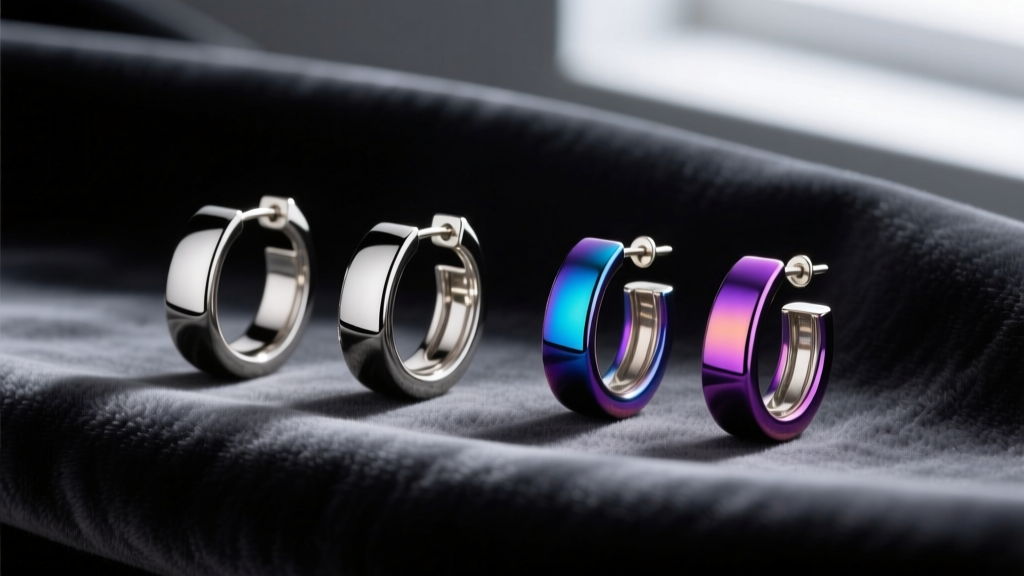
Niobium is an elemental metal that is highly unreactive and completely nickel-free. Unlike titanium, which is difficult to cast, niobium is easily worked and can be anodized using electricity to create a vibrant spectrum of colors without using any chemical dyes or reactive plating. If you want colorful cartilage cuffs or huggies without the risk of green gunk, anodized niobium is an exceptional, safe choice.
3. Solid 14k and 18k Gold (Beware the Alloy Mix)
Pure 24k gold is entirely non-reactive, but it is far too soft for earring posts, which require structural integrity to support the weight of a gemstone or hoop. Therefore, gold is alloyed with other metals. 18k gold (75% pure gold) is generally safer for sensitive ears than 14k gold (58.3% pure gold) because 14k gold requires a higher percentage of filler metals—often including copper and zinc—which can occasionally oxidize and cause mild green staining if the alloy mix is poor. Always buy from reputable jewelers who disclose their alloy compositions, and completely avoid 'gold-plated' or 'gold-filled' earrings if your primary goal is to avoid reactive base metals, as the underlying brass or copper core will eventually be exposed through friction.
Material Reactivity & Pricing Matrix
Understanding the intersection of price, material safety, and structural gauge sizes is crucial for making informed purchases. Standard lobe piercings are typically 20G (0.81mm) or 18G (1.02mm), while cartilage piercings often require 16G (1.29mm) to prevent the 'cheese-cutter' effect.
| Material | Base Composition | Green Gunk Risk | Avg. Price Range (Studs) | Best Application |
|---|---|---|---|---|
| Implant-Grade Titanium (F136) | Ti-6Al-4V ELI | Zero | $25 - $60 | Fresh piercings, 24/7 wear, sleepers |
| Niobium | Elemental Niobium | Zero | $20 - $50 | Colorful huggies, cartilage cuffs |
| Solid 18k Gold | 75% Gold, 25% Safe Alloys | Negligible | $150 - $400+ | Heirloom pieces, formal wear, luxury |
| Solid 14k Gold | 58.3% Gold, Copper/Zinc Mix | Low (Brand Dependent) | $75 - $200 | Everyday hoops, durable dangles |
| Sterling Silver (925) | 92.5% Silver, 7.5% Copper | Moderate to High | $30 - $100 | Occasional wear, dry climates only |
| Brass / 'Nickel Silver' | Copper, Zinc, Nickel | Guaranteed | $5 - $25 | Avoid entirely for pierced ears |
Maintenance: What to Do With Your Existing Reactive Jewelry
If you already own sentimental pieces or expensive designer earrings that happen to have brass or sterling silver posts, you do not necessarily have to throw them away. However, you must alter how you wear and maintain them to prevent the green gunk on earrings from returning.
For occasional wear, you can create a physical barrier between the reactive metal and your skin. Applying a thin coat of clear, flexible nail polish or a specialized jewelry barrier polymer to the earring post and butterfly backing will seal the copper away from your sweat. This barrier must be reapplied every few weeks, as the friction of inserting the earring will eventually wear the coating down.
When it comes to cleaning existing verdigris, do not use harsh chemicals like bleach, which can degrade the structural integrity of the metal and leave toxic residues near your piercing. Instead, create a mild paste using baking soda and a few drops of distilled water. Gently scrub the earring post with a soft-bristled toothbrush, rinse thoroughly, and dry completely with a microfiber cloth before storing. Never store your earrings in humid bathroom environments; keep them in a dry jewelry box with silica gel packets to halt the oxidation process before it even begins.
The Verdict: Investing in Ear Health
The presence of green gunk on earrings is a clear distress signal from your jewelry box, indicating that your skin is in constant contact with reactive, oxidizing base metals. By shifting your purchasing habits away from unregulated 'hypoallergenic' marketing and toward verified, biocompatible materials like ASTM F136 titanium, elemental niobium, and high-purity solid gold, you can permanently eliminate the slime. Your earlobes and cartilage piercings deserve the same medical-grade consideration as any other part of your body. Invest in the right metals, and your jewelry will remain as pristine and brilliant as the day you bought it.


