Earring Back is Stuck? Emergency Removal & Gifting Guide
Panicking because an earring back is stuck on a newly gifted pair? Learn safe removal techniques and discover the best earring backs to gift for any occasion.

The Gifter’s Nightmare: When an Earring Back is Stuck
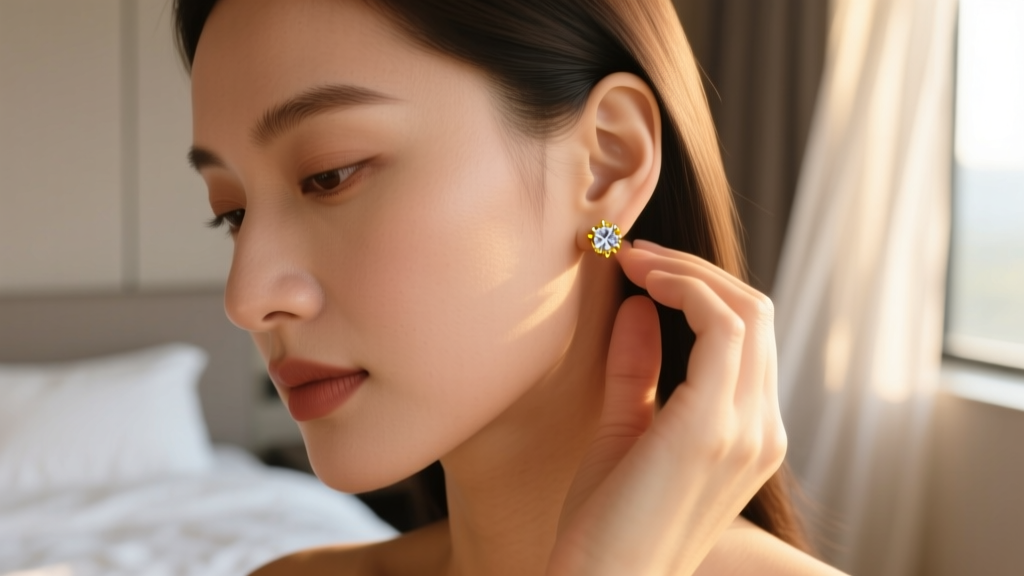
Gifting fine jewelry is a timeless gesture for anniversaries, graduations, and milestone birthdays. Imagine the scene: you present a stunning pair of 14k gold diamond studs, your partner or loved one excitedly pierces their earlobe to try them on, and then the panic sets in. The earring back is stuck. Whether it is a friction clutch jammed too tightly against the skin or a screw back that has cross-threaded, a stuck earring back can quickly turn a romantic gifting moment into a stressful medical dilemma. Tissue swells, frustration mounts, and the precious gift suddenly feels like a liability.
As a domain expert in jewelry styling and piercing aftercare, I have seen countless high-end gifts ruined by improper clasp mechanics or allergic tissue engorgement. This guide will walk you through the immediate emergency protocols to safely remove a stuck earring back without damaging the earlobe or the jewelry. More importantly, it will serve as your ultimate 2026 occasion-matching guide, ensuring you select the correct earring back mechanics and metallurgy for your recipient's lifestyle, preventing this disaster from ever happening again.
Emergency Protocol: Safely Removing a Stuck Clasp
Before attempting any removal, wash your hands thoroughly with antibacterial soap. If the earlobe is red, hot, or visibly swollen, apply a cold compress for five minutes to reduce tissue volume. Never use brute force, as this can tear the fistula (the piercing channel) or snap the earring post.
1. The Friction Push Back (Buttery Clutch) Trap
Friction backs rely on tension. When pushed too close to the earlobe, they restrict blood flow, causing the tissue to swell around the post. Furthermore, natural sebum and dead skin cells can act like cement, sealing the clutch to the skin.
- The Dental Floss Method: Take a piece of clean, unwaxed dental floss and wrap it tightly around the earring post in the microscopic gap between the earlobe and the clutch. Pull the floss taut and use a gentle sawing motion. This breaks the vacuum seal and cuts through sebum buildup.
- The Rubber Grip Trick: Put on a pair of clean, powder-free nitrile or latex medical gloves. The rubber provides immense friction against the smooth metal of the clutch, allowing you to twist and pull simultaneously without your fingers slipping.
2. The Screw Back Cross-Threading Crisis
Screw backs are prized for their security, but they are notorious for cross-threading if forced at the wrong angle. If an earring back is stuck due to stripped or crossed threads, twisting harder will only lock it permanently.
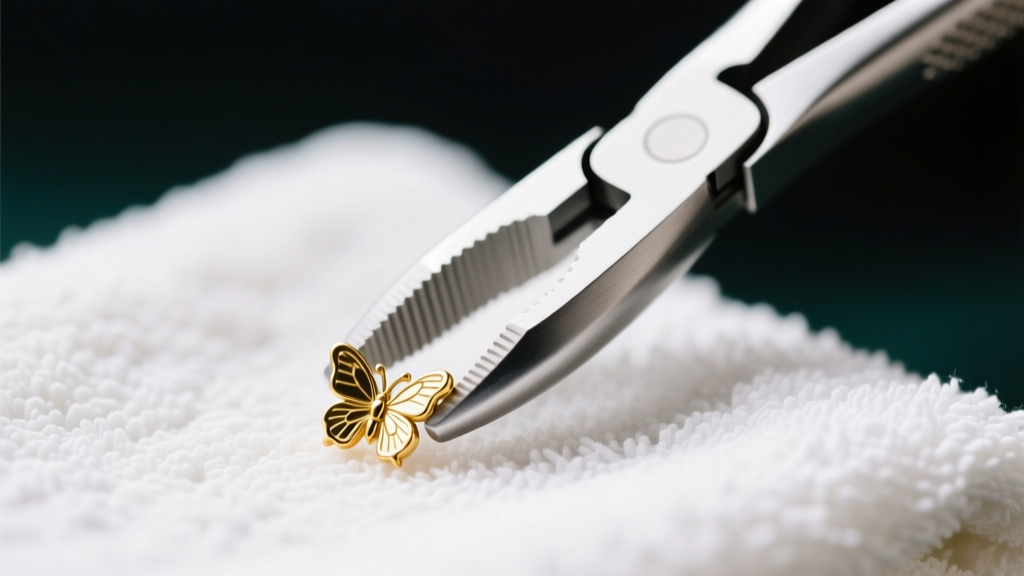
- Lubrication and Reverse-Tension: Apply a drop of sterile saline or pure mineral oil to the threading. Using a pair of padded hemostats (locking forceps), gently grip the front stud to stabilize it. With your other hand, apply slight backward pressure on the screw back while turning it counter-clockwise. The backward pressure forces the misaligned threads to catch and release.
Note: If the lobe is severely engorged or the post has embedded into the tissue, stop immediately and visit an urgent care clinic or a professional piercer. The Association of Professional Piercers strongly advises against DIY surgical extraction.
The Occasion-Matching Guide: Gifting the Right Earring Back
To avoid the stuck clasp nightmare, you must match the earring back mechanism to the recipient's lifestyle, the occasion, and their piercing gauge. In 2026, fine jewelry brands are finally moving away from the archaic butterfly clutch, adopting engineering from the professional body modification industry. Use this matrix to select the perfect gift.
| Occasion / Recipient Profile | Recommended Back Type | Material & Gauge | Why It Works |
|---|---|---|---|
| Active Lifestyle / Gym Goer | Threadless Push-Pin (Flat Back) | ASTM F136 Titanium, 16G or 14G | No threads to cross; tension-fit pin won't snag on hair or towels. Flat back prevents sleeping discomfort. |
| High-Value Anniversary Gift | Internally Threaded Screw Back | 18k Solid Gold, 18G | Threads are inside the post, preventing tissue damage and ensuring the back cannot easily unscrew itself. |
| First Piercing / Child's Gift | Medical-Grade Locking Clutch | Niobium or Implant-Grade Plastic | Hypoallergenic and features a locking mechanism that prevents toddlers or children from pulling the back off. |
| Formal Event / Wedding Day | Silicone-Stopped Friction Post | 14k Gold, 20G | Classic aesthetic with a modern silicone O-ring stopper to prevent the metal clutch from sliding off during dancing. |
Material Matters: Why Cheap Backs Fail and Stick
When an earring back is stuck, the culprit is often hidden at the molecular level. The metallurgy of the earring post and back dictates how the body reacts to it, which directly impacts how easily the jewelry can be removed.
The Nickel Allergy Swell
Many mass-produced "gold-plated" or "surgical steel" earrings contain nickel. According to the American Academy of Dermatology, nickel allergy is one of the most common causes of allergic contact dermatitis. When a sensitive recipient wears a nickel-laced post, the earlobe undergoes an inflammatory response, swelling rapidly and engulfing the earring back. What feels like a mechanically stuck back is actually tissue engorgement. Always gift implant-grade titanium (ASTM F136) or niobium if you are unsure of the recipient's metal sensitivities.
Porosity and the "Sebum Cement" Effect
Cheap cast metals are highly porous at a microscopic level. These pores trap sebum, sweat, and soap residue. Over just a few weeks, this organic matter calcifies, essentially gluing the earring back to the post. High-end brands use CNC-machined metals, which are perfectly smooth and non-porous, allowing the earring back to slide off effortlessly even after months of continuous wear.
Gauge Sizing: The Silent Gift Killer
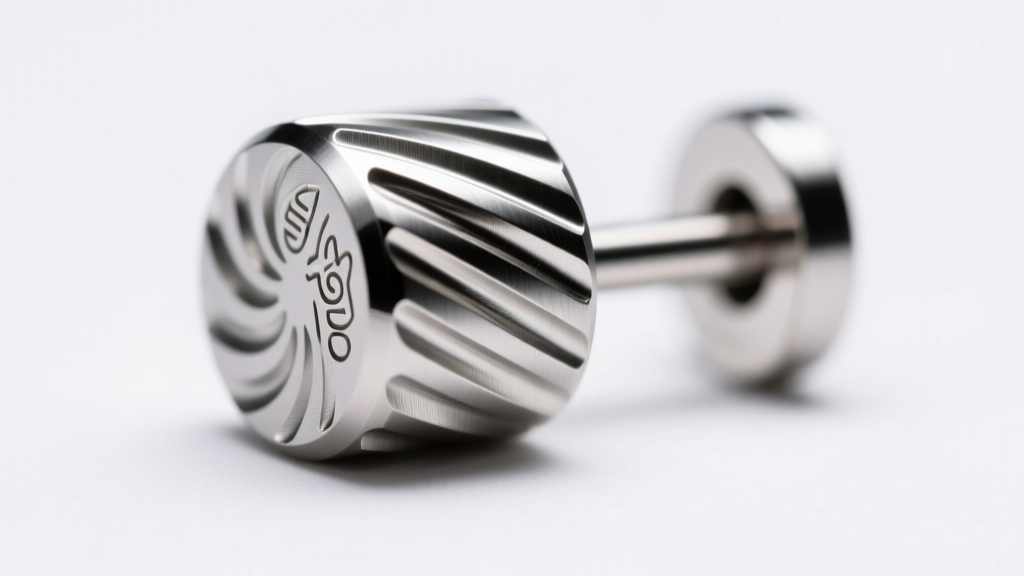
Gifting the wrong gauge size guarantees a stuck or rejected earring. Standard mall-kiosk lobe piercings are typically 20-gauge (0.81mm) or 18-gauge (1.02mm). However, professional cartilage piercings (helix, tragus, conch) are almost exclusively 16-gauge (1.29mm) or 14-gauge (1.63mm). If you gift a delicate 18G earring for a 16G cartilage hole, it will slide out and get lost. If you attempt to force a 16G post into an 18G lobe, you will cause micro-tears, immediate swelling, and a permanently stuck earring back. Always discreetly check the recipient's existing jewelry gauge before purchasing.
Pro-Tips for Gifting Earrings in 2026
To elevate your gifting experience and demonstrate true expertise, consider how you present and support the jewelry after the box is opened.
- The "Care & Rescue" Kit: Don't just hand over a velvet box. Include a small, aesthetically pleasing pouch containing sterile saline wound wash, a microfiber polishing cloth, and a specialized earring back removal tool (like a rubber-grip clutch puller). This shows you care about the longevity of the gift and their comfort.
- Opt for Threadless Systems: Brands like Neometal and BVLA have revolutionized fine jewelry with threadless push-pin systems. The pin is slightly bent before insertion, creating a custom tension fit inside the hollow post. It is entirely secure, impossible to cross-thread, and incredibly easy to remove by simply bending the pin straight. Gifting a threadless fine jewelry piece is the ultimate flex of modern piercing knowledge.
- Include a Sizing Guarantee: Because earlobe thickness varies wildly (from 2mm to over 10mm), a post that is too short will cause the back to dig into the skin, while a post that is too long will snag. Purchase from retailers that offer free post-length exchanges within 30 days of the gift being opened.
Conclusion
A stuck earring back is a stressful but entirely preventable crisis. By understanding the mechanics of friction and threading, and by respecting the biology of the earlobe, you can safely navigate any emergency removal. More importantly, by utilizing this occasion-matching guide, you can ensure that your future jewelry gifts are not only beautiful but ergonomically flawless. Whether you are gifting a classic diamond stud for an anniversary or a modern titanium flat-back for an active graduate, choosing the right mechanism and material guarantees your gift will be worn comfortably for a lifetime.