Stud Earring Organizer Materials: Which Protects Jewelry Best?
Discover which stud earring organizer materials prevent tarnish and damage. Compare leather, acrylic, and archival options for safe storage.

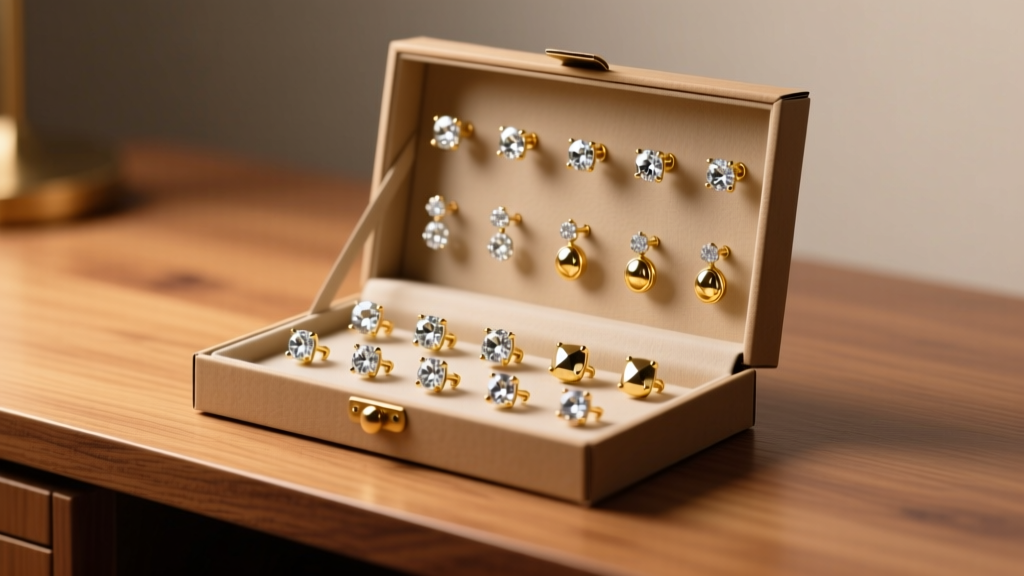
The Hidden Danger of the Wrong Storage Material
When collectors and everyday wearers invest in fine jewelry, the focus is almost entirely on the metal purity and gemstone quality. However, the environment in which these pieces rest when not in use is just as critical. A poorly chosen stud earring organizer can actively degrade your jewelry through chemical off-gassing, moisture trapping, and abrasive friction. As of 2026, the market is flooded with aesthetically pleasing storage solutions that fail basic conservation standards.
The primary culprits of jewelry degradation in storage are volatile organic compounds (VOCs), sulfur compounds, and acid migration. According to the Conservation Wiki's guidelines on museum storage, materials that are safe for human contact are not necessarily safe for long-term metal and gemstone preservation. Understanding the material science behind your storage is the first step in protecting your investment.
Material Breakdown: Pros, Cons, and Chemical Properties
To make an informed decision, we must look past the exterior fabric and examine the structural and chemical properties of the most common materials used to manufacture a stud earring organizer.
Acid-Free Cardboard and Archival Paper
High-end archival organizers utilize lignin-free, acid-free cardboard with a pH buffered between 7.0 and 8.5. Standard cardboard contains lignin, a natural polymer that breaks down over time to release acidic compounds. These acids can cause microscopic pitting on the posts of 14k and 18k gold studs and accelerate the oxidation of copper alloys found in rose gold.
- Pros: Chemically inert, breathable (prevents moisture trapping), lightweight.
- Cons: Vulnerable to ambient humidity and physical crushing if not stored in a secondary hard shell.
PU Leather vs. Genuine Leather (The Sulfur Problem)
Genuine leather is a traditional luxury material, but it is notoriously hostile to sterling silver. The tanning process often utilizes sodium sulfide for unhairing, leaving residual sulfur compounds trapped in the hide's fibers. When enclosed in a tight organizer, these compounds off-gas hydrogen sulfide (H2S), reacting with silver to form black silver sulfide tarnish.
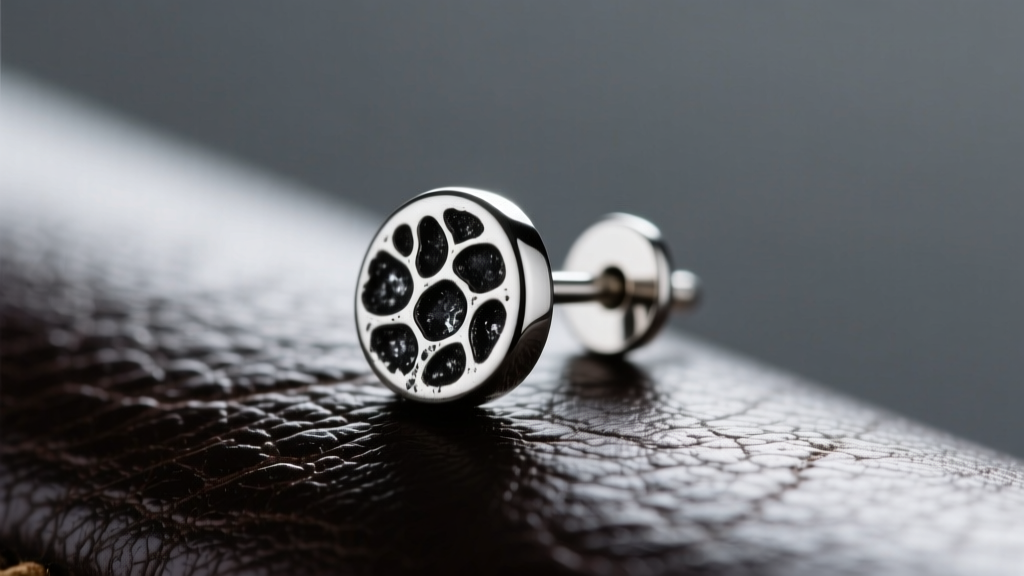
Polyurethane (PU) leather avoids the sulfur issue but introduces plasticizers. Over time, especially in warm environments, these phthalates can migrate to the surface, leaving a greasy, difficult-to-remove film on porous gemstones like pearls or opals set in your studs.
Acrylic and Polycarbonate Plastics
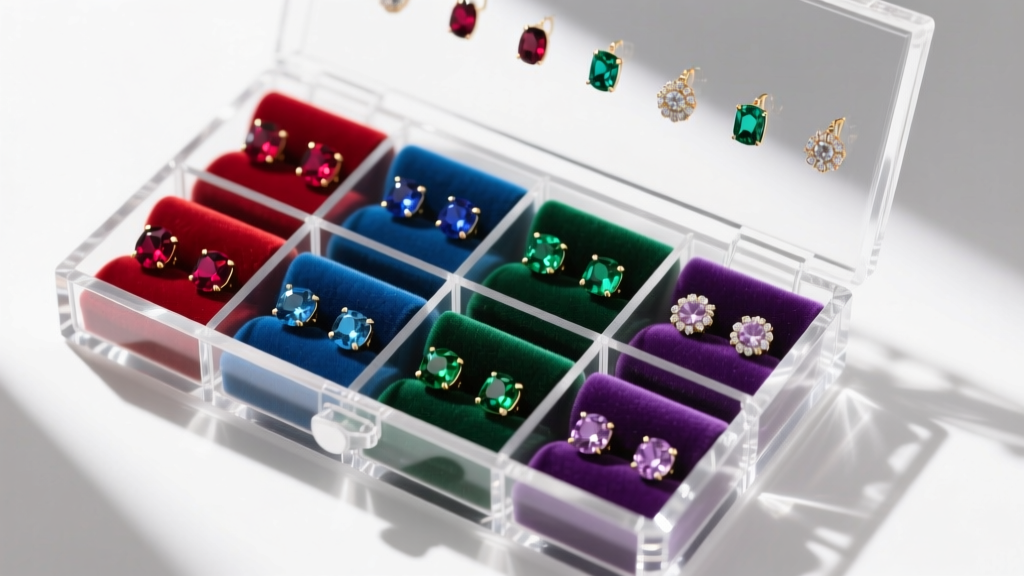
Clear acrylic organizers are highly popular for their visibility. Chemically, cast acrylic (PMMA) is highly stable and does not off-gas harmful plasticizers, making it a favorite among archivists for display cases. However, extruded acrylic or cheaper PVC alternatives can release hydrogen chloride gas, which is highly corrosive to base metals and can cloud the surface of soft stones like turquoise.
Solid Woods and Veneers
Wooden jewelry boxes lined with felt are a classic staple. Yet, woods like oak and cedar contain natural tannins and acetic acid. Without a proper barrier sealant (like polyurethane or water-based acrylic sealers), these acids will migrate into the velvet lining and attack the earring posts. The Gemological Institute of America (GIA) explicitly warns against storing jewelry in unsealed wooden environments due to these acidic vapors.
Comparative Data: Tarnish Rates and Scratch Hardness
When selecting a stud earring organizer, you must weigh chemical stability against physical protection. The table below compares the core structural materials based on their risk factors.
| Material | Chemical Stability | Off-Gassing Risk | Moisture Retention | Best For |
|---|---|---|---|---|
| Archival Cardboard | Excellent | None | High (if unsealed) | Sterling Silver, Pearls |
| Cast Acrylic | Excellent | None | None | Diamonds, Platinum, Gold |
| Genuine Leather | Poor | High (Sulfur) | Moderate | Stainless Steel, Titanium |
| PU Leather (Vegan) | Moderate | Moderate (Plasticizers) | Low | Cubic Zirconia, Base Metals |
| Unsealed Oak Wood | Poor | High (Acetic Acid) | Variable | None (Requires lining) |
Matching Organizer Materials to Earring Metals
A one-size-fits-all approach to jewelry storage is a recipe for damage. Here is a practical framework for matching your stud earring organizer material to the specific metals in your collection.
Sterling Silver (925)
Silver is highly reactive to sulfur and chlorine. Avoid genuine leather, rubberized inserts, and any organizer that uses PVC plastics. The ideal storage environment is an acid-free cardboard organizer lined with Pacific Silvercloth—a specialized cotton fabric embedded with microscopic silver particles that intercept and absorb H2S gas before it reaches your earrings.
Gold Alloys (14k, 18k, 22k)
While pure 24k gold is virtually impervious to tarnish, the copper and silver alloys mixed into 14k and 18k gold are vulnerable to acidic environments. Acrylic and glass organizers with inert silicone or polyethylene foam inserts are the safest choices. Avoid organizers with cheap polyurethane foam, which undergoes esterification over 5 to 10 years, degrading into a sticky, acidic goo that can permanently fuse to earring posts and butterfly backs.
Platinum and Titanium
These highly inert, durable metals are virtually immune to chemical off-gassing and tarnishing. For platinum and titanium studs, your primary concern is physical scratching. While platinum is dense, it is relatively soft on the Mohs scale and can develop a patina if rubbed against hard acrylic dividers. Opt for organizers with soft, un-dyed microfiber or cotton velvet slots.
Expert Troubleshooting: When Your Organizer Fails
Even well-intentioned storage solutions can fail. Recognizing the early signs of material degradation can save your jewelry from permanent damage.
The Velvet Glue Trap: Many budget organizers use synthetic velvet glued to a cardboard backing with solvent-based adhesives. In high-humidity environments (above 60% RH), these adhesives can liquefy and bleed through the fabric, creating a sticky residue that traps dust and adheres to earring clasps. Always test a hidden corner of the velvet with a slightly damp cotton swab; if any discoloration or tackiness transfers, discard the organizer.
Dealing with Foam Degradation
If you notice your earring posts becoming difficult to remove from the organizer's foam insert, or if the foam feels tacky to the touch, the polyurethane is breaking down. Do not attempt to pull the earrings out by the gemstone setting, as this can bend the prongs. Instead, use a pair of smooth-jawed nylon pliers to grip the metal post directly, and clean the post immediately with isopropyl alcohol to remove the degraded foam residue.
Final Verdict on Building a Safe Storage Ecosystem
The perfect stud earring organizer does not exist in a single material; rather, it requires a layered approach. For the ultimate preservation setup, utilize a hard-shell cast acrylic or sealed wooden outer box to protect against physical crushing and ambient humidity, paired with an interior lining of acid-free archival paper or untreated cotton. By understanding the chemical properties of storage materials, you ensure that your studs remain as pristine in 2036 as the day you first wore them.


