Why Does My Earring Hole Hurt After Years? Trend & Style Fixes
Discover why does my earring hole hurt after years of wear. Explore how heavy earring trends cause delayed pain and learn safe, stylish fixes.

The Intersection of Earring Trends and Delayed Piercing Pain
You have worn the same lobe piercings for a decade without a single issue, yet suddenly, you find yourself asking: why does my earring hole hurt after years of trouble-free wear? As a senior style analyst tracking the evolution of ear aesthetics, I see this exact complaint surge alongside shifting jewelry trends. Delayed piercing pain is rarely a random medical anomaly; it is usually a direct mechanical or chemical reaction to the specific styles, weights, and alloys dominating the current market.
In 2026, the earring landscape is defined by bold, sculptural silhouettes, modular charm stacking, and oversized statement hoops. While visually stunning, these trends introduce new physical stressors to healed fistulas (the skin tunnel of your piercing). Understanding the mechanics behind this delayed pain is the first step toward curating a stylish, pain-free ear.
Trend 1: The Heavy Statement Hoop and the 'Cheese-Cutter' Effect
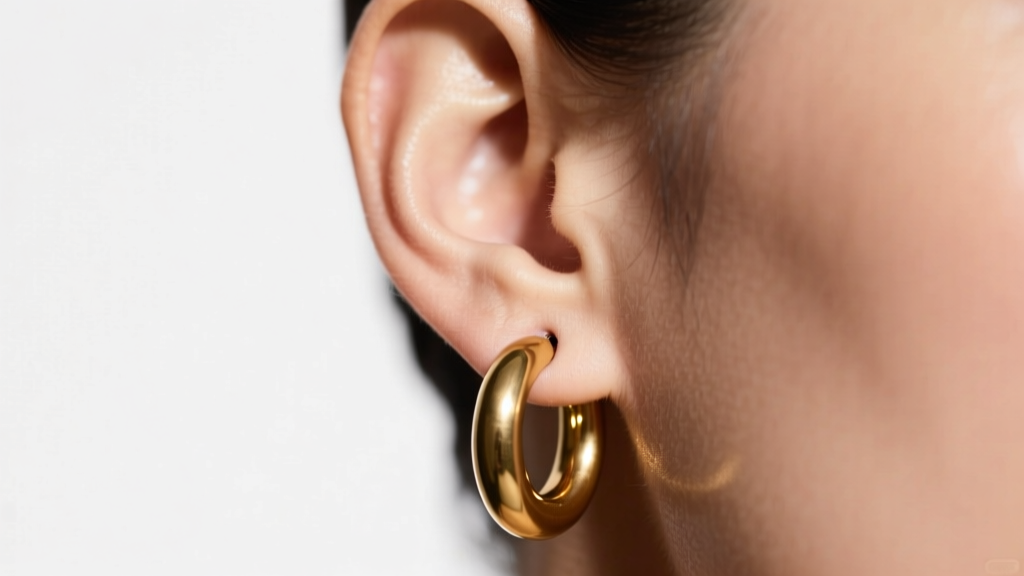
The most common culprit behind delayed lobe pain is mechanical trauma caused by heavy jewelry. Standard earlobe piercings are typically performed at 20-gauge (0.81mm) or 18-gauge (1.02mm). When you hang a heavy, solid-metal statement hoop weighing 15 grams or more on a delicate 20G wire, gravity takes over.
This creates what professional piercers call the 'cheese-cutter effect.' The thin wire acts like a blade, slowly slicing through the tissue of the fistula over time. You might not feel it immediately, but after years of wearing heavy drop earrings or thick brass hoops for 8-hour workdays, the cumulative micro-tears lead to inflammation, tenderness, and eventual downward migration of the piercing hole.
Material Density and Weight Impact Chart
Not all metals weigh the same, even if the visual volume is identical. Here is how popular earring materials impact your healed lobes:
| Material | Density/Weight Profile | Allergy Risk | Best For |
|---|---|---|---|
| Solid 14k/18k Gold | High (Very Heavy) | Low (if nickel-free) | Small studs, huggies, lightweight hoops |
| Brass/Bronze | Medium-High (Heavy) | High (often contains nickel/zinc) | Occasional wear statement pieces only |
| Implant-Grade Titanium (ASTM F136) | Low (Lightweight) | None (Hypoallergenic) | Everyday wear, cartilage, heavy-looking but light designs |
| Sculptural Acetate/Resin | Very Low (Featherlight) | None | Oversized 2026 statement hoops and chunky drops |
Trend 2: The 'Curated Ear' and Cartilage Overload
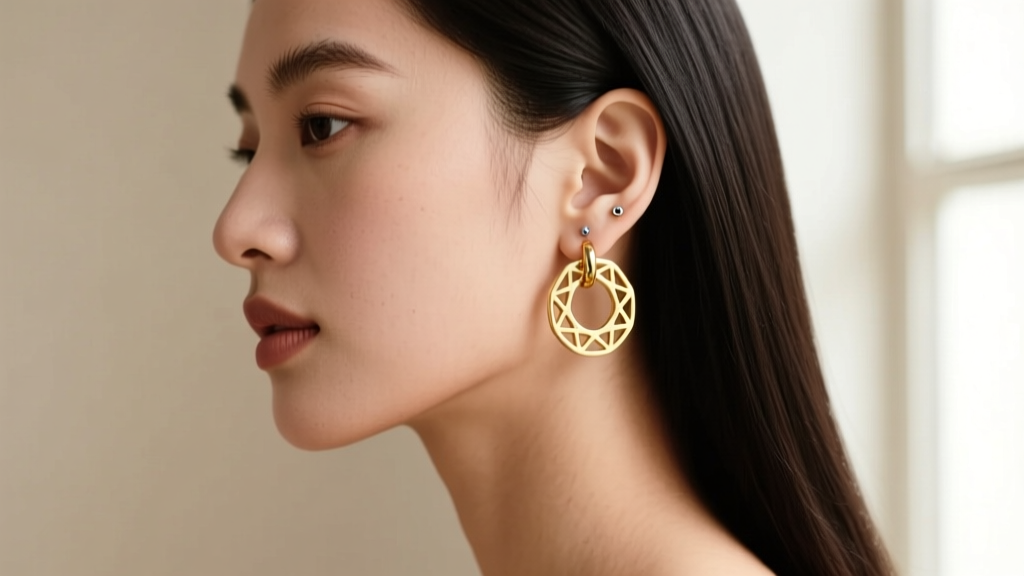
The 'curated ear' trend—featuring multiple helix, conch, and tragus piercings adorned with flat-back labrets and delicate chains—has evolved from a niche subculture to mainstream high fashion. However, cartilage is highly unforgiving. If you are experiencing pain in older cartilage piercings, the issue is often pressure necrosis or sleeping trauma.
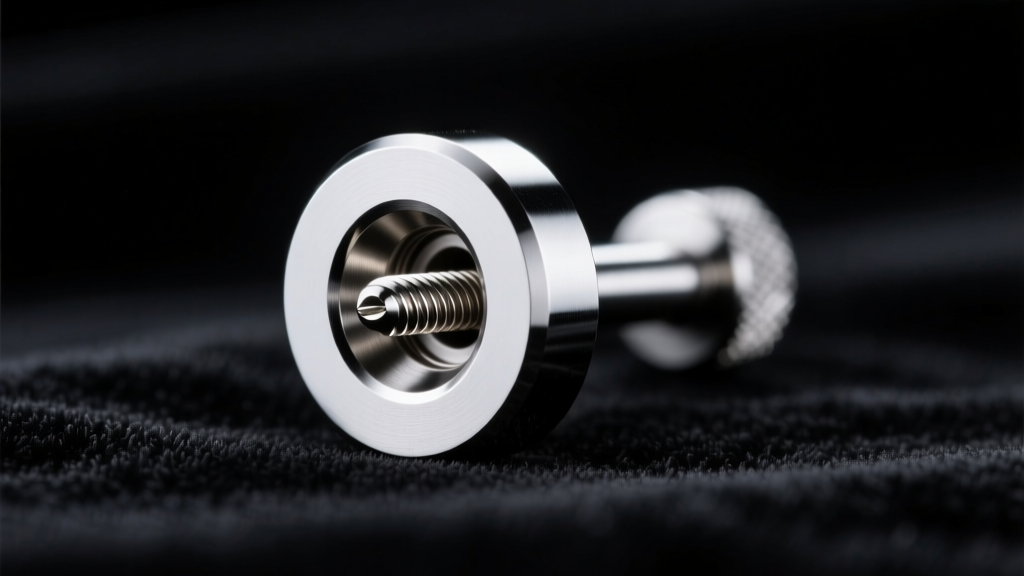
Many trend-followers opt for cheap, externally threaded flat-backs from fast-fashion retailers. The rough threads scrape the fistula every time they are inserted or removed. Furthermore, sleeping on rigid titanium or steel posts creates localized pressure, cutting off blood flow to the cartilage. Over years, this chronic micro-trauma causes the cartilage to swell, forming irritation bumps that mimic infection but are actually mechanical stress responses.
'A healed cartilage piercing is not invincible. If your flat-back post is too long and catches on hair, or too short and compresses the tissue, the body will eventually react with delayed inflammation.' — Association of Professional Piercers (APP)
Trend 3: Nickel Sensitization and Fast-Fashion Alloys
If your pain is accompanied by itching, flaking, or a clear discharge, you are likely dealing with Allergic Contact Dermatitis (ACD). But why now, after years of wearing the same fashion jewelry?
Nickel sensitization is cumulative. You can wear nickel-containing alloys for a decade without issue, but once your immune system crosses the threshold of exposure, it develops a permanent allergy. According to the American Academy of Dermatology, nickel is the most common cause of contact dermatitis. Many overseas-manufactured 'gold-plated' earrings use a nickel underlayer. As the microscopic gold plating wears off after years of friction and exposure to skin oils, the nickel is exposed directly to the fistula, triggering a sudden, painful immune response.
Actionable Style Fixes: How to Wear Trends Without the Pain
You do not need to abandon your love for bold earrings to save your piercings. By making strategic, style-conscious adjustments, you can mitigate delayed pain while staying on-trend.
- Upsize Your Gauge for Heavy Pieces: If you love heavy drop earrings, look for designs with 16-gauge (1.29mm) or 14-gauge (1.63mm) ear wires. The thicker metal distributes the weight over a wider surface area inside the fistula, completely neutralizing the cheese-cutter effect.
- Embrace Hollow Tubing: The 2026 sculptural hoop trend is heavily reliant on hollow-tube 14k gold or high-grade resin. These pieces offer the exact same chunky, oversized visual impact as solid metal but weigh up to 70% less.
- Use Silicone Earring Supports: For valuable or sentimental heavy earrings, use discreet silicone support patches (like BlingDots) on the back of the earlobe. These adhesive pads distribute the downward pull across a wider area of skin, saving the actual piercing hole from bearing the brunt of the tension.
- Switch to Internally Threaded or Threadless Cartilage Jewelry: For your curated ear, invest in implant-grade titanium (ASTM F136) jewelry that is internally threaded or uses a push-pin threadless mechanism. This ensures the smooth post glides through the fistula without scraping the delicate cartilage tissue.
When to See a Professional Piercer vs. Dermatologist
It is vital to distinguish between mechanical failure and medical infection. If the pain is strictly mechanical (pulling, stretching, or pressure bumps), visit an APP-certified professional piercer. They can assess your jewelry angle, downsize your posts, and recommend ergonomic swaps. However, if the earring hole is hot to the touch, weeping yellow/green pus, or spreading redness across the ear, bypass the jewelry store and consult a board-certified dermatologist immediately to rule out perichondritis or severe bacterial infection.
Ultimately, asking why does my earring hole hurt after years is a signal from your body that your current jewelry rotation is no longer compatible with your healed anatomy. By respecting the physics of weight and the biology of metal sensitization, you can continue to express your personal style comfortably and safely.


