How to Style 80s Gold Hoop Earrings Without Looking Costumey
Master the art of styling 80s gold hoop earrings. Learn step-by-step how to choose the right karat, diameter, and clasp for a modern, elevated look.

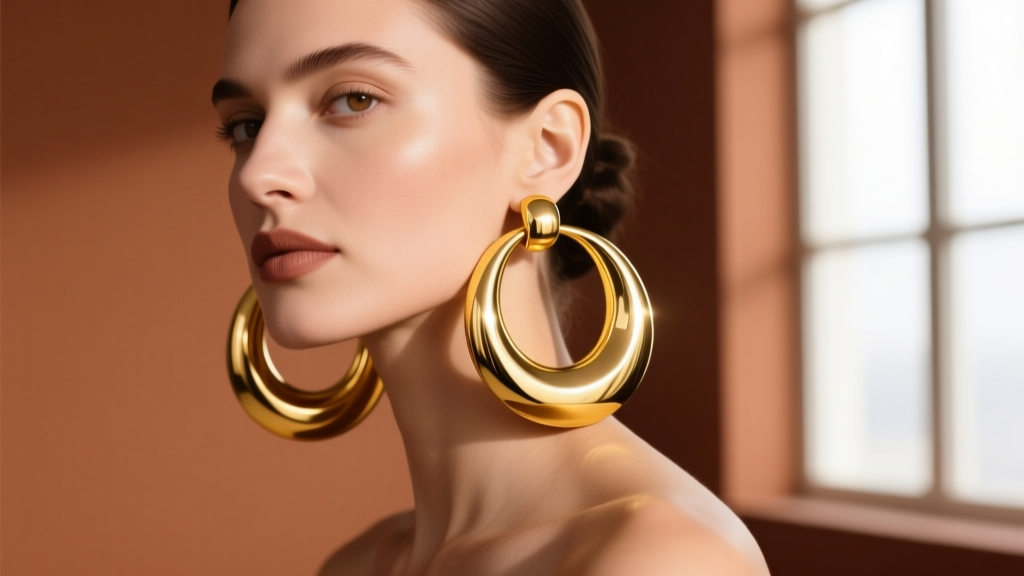
The resurgence of maximalist jewelry has firmly planted 80s gold hoop earrings back into the mainstream rotation. However, there is a fine line between channeling authentic vintage power-dressing and looking like you are wearing a Halloween costume. In 2026, the key to pulling off this iconic silhouette lies in understanding the metallurgical history, structural anatomy, and modern styling frameworks of these pieces. Whether you are hunting for genuine vintage finds at estate sales or investing in high-quality modern reproductions, this step-by-step guide will ensure your gold hoops elevate your wardrobe rather than overwhelm it.
Step 1: Decoding the Anatomy of Authentic 80s Hoops
To truly appreciate and accurately source 80s gold hoop earrings, you must first understand the economic and manufacturing realities of the decade. The 1980s were defined by a massive spike in precious metal markets. In 1980, gold prices briefly surged to $850 per ounce. Because of this, the American jewelry market heavily standardized around 14k yellow gold (58.5% pure gold) for everyday and statement pieces, reserving 18k gold almost exclusively for high-end bridal or European imports.
Karat Weight and Alloy Composition
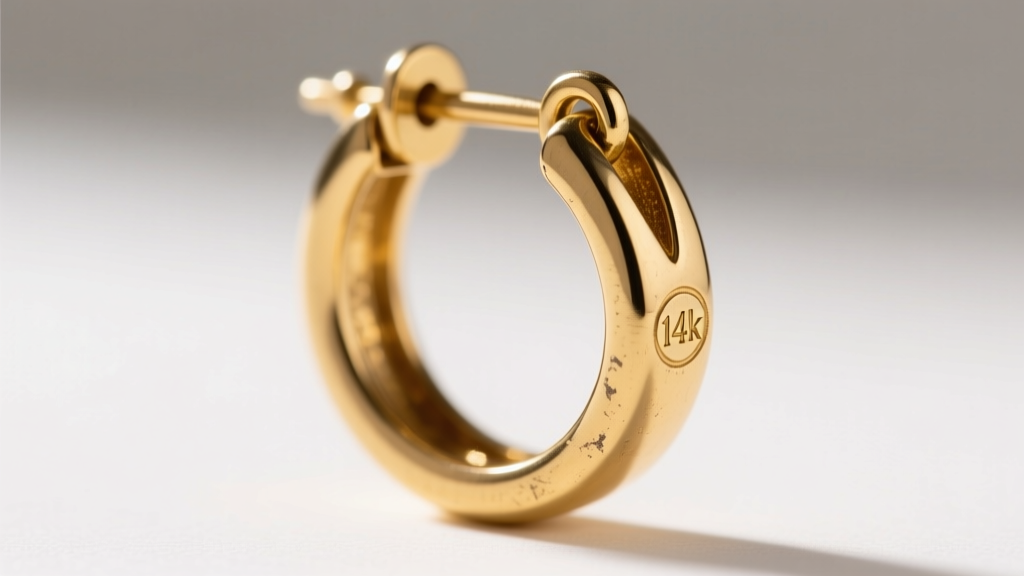
When evaluating vintage pieces, look for the 14K or 585 stamp. The copper and silver alloys used in 1980s 14k gold gave it a distinctly warm, rich yellow hue that differs slightly from the paler, more brass-toned 14k gold often produced today. If a piece is stamped 18K or 750, verify its provenance, as it may be a European import (like Italian-made Tubogas styles) or a modern reproduction masquerading as vintage.
The Crucial Clasp Mechanisms
The hardware is the biggest giveaway of a hoop's true age. Authentic 80s gold hoops rarely used the modern "hinged click" or "snap" closures found on today's mass-market huggies. Instead, look for:
- The V-Latch (or Saddleback): A thick wire post that clicks into a V-shaped groove on the opposite side of the hoop. This was the gold standard for 40mm+ hoops in the 80s.
- The Friction Post and Clutch: Used primarily on smaller, solid-cast hoops (under 30mm), featuring a standard straight post with a butterfly backing.
- Omega Backs (Clip-Ons): Because ear piercing was still transitioning into universal acceptance in the early 80s, many high-end designer hoops (think Chanel or Dior costume jewelry, or 14k gold from department stores) featured padded omega clips for non-pierced ears.
Step 2: Sizing and Proportion Mapping
The most common mistake when styling 80s gold hoop earrings is ignoring the relationship between the hoop's diameter, the thickness of the gold tubing (gauge), and your facial structure. In the 1980s, the "power hoop" was defined by its volume. However, wearing a 75mm hoop with the wrong gauge can cause severe lobe stretching or sagging.
According to historical jewelry manufacturing standards, larger hoops were constructed using hollow gold tubing to keep the weight manageable, while smaller hoops were often solid cast. Below is a decision framework for selecting the right proportion based on diameter and facial geometry.
| Hoop Diameter | Tubing Gauge (Thickness) | Construction | Best Face Shape Pairing | Styling Vibe |
|---|---|---|---|---|
| 25mm - 35mm | 12g to 8g (2.0mm - 3.2mm) | Solid Cast | Round, Oval | Everyday Minimalist |
| 40mm - 50mm | 6g to 4g (4.0mm - 5.0mm) | Hollow Tubing | Square, Heart | Office Power Dressing |
| 60mm - 75mm+ | 2g to 0g (6.5mm - 8.2mm) | Hollow Tubing | Long, Diamond | Evening Maximalism |
Note: The wire that actually passes through your ear piercing on a V-latch hoop is typically much thinner, usually between 18-gauge (1.0mm) and 20-gauge (0.8mm), regardless of how thick the front-facing hoop appears.
Step 3: How to Verify Vintage Gold (Avoiding Modern Fakes)
The vintage market in 2026 is flooded with modern gold-vermeil and heavily plated brass pieces artificially aged to look like 1980s estate jewelry. The Gemological Institute of America (GIA) emphasizes that hallmarks can be easily forged, so secondary testing is vital when investing in authentic 80s gold hoop earrings.
- The Magnet Test: Gold is non-magnetic. If your hoop is attracted to a strong neodymium magnet, it is either plated brass, steel, or contains a heavily magnetic internal tension spring (which is rare in pure vintage gold hoops but common in modern plated ones).
- The Sound Test (The Ping): Solid 14k gold has a dull, heavy thud when tapped. Hollow 14k tubing has a distinct, light, metallic resonance. Plated base metals often produce a high-pitched, cheap "clink."
- Inspect the Wear Points: Check the inside of the V-latch groove and the post. If you see silver or copper bleeding through the yellow surface, you are holding gold-plated brass, not solid 14k gold. The Federal Trade Commission (FTC) strictly regulates gold stamping; genuine vintage pieces will show uniform wear without revealing a base metal core.
Step 4: Modern Styling Frameworks for Retro Gold
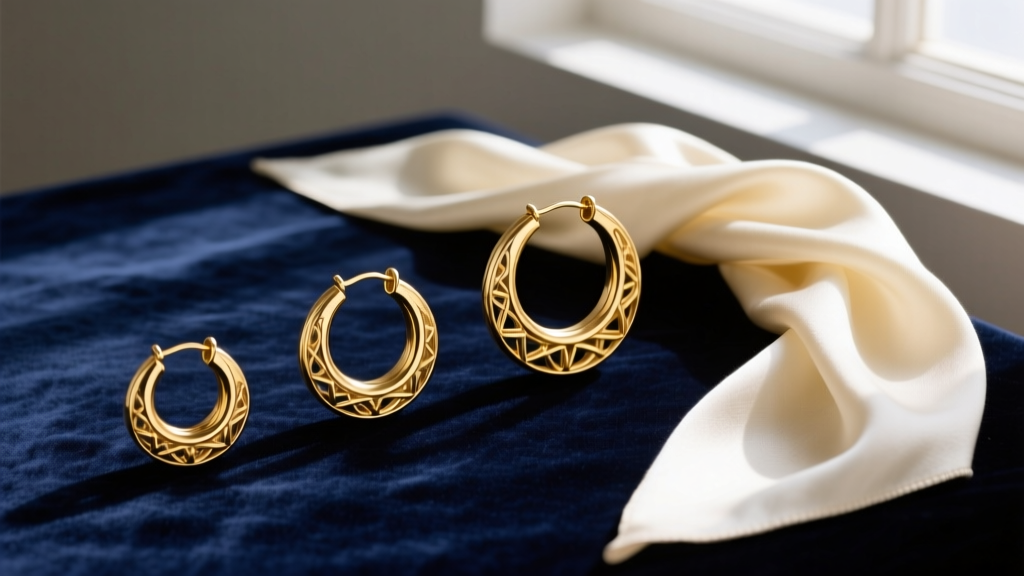
Styling 80s gold hoop earrings today requires a deliberate contrast. The 1980s aesthetic was inherently maximalist—think big hair, shoulder pads, and layered costume jewelry. To avoid looking costumey in 2026, you must anchor these bold pieces with modern, architectural minimalism.
"The secret to wearing vintage maximalist jewelry in a contemporary setting is isolation. Let the 50mm gold hoop be the sole focal point of your face. Pair it with a slicked-back low bun, a structured blazer, and completely bare skin. The gold needs room to breathe."
— Editorial Jewelry Stylist, Vogue Archives
The "Corporate Power" Framework
Opt for 40mm to 50mm hollow tubing hoops with a high-polish finish. Pair them with a monochromatic neutral wardrobe (charcoal, camel, or ivory). The reflective quality of the 14k gold will catch the light and frame the face without the distracting movement of dangle earrings.
The "Off-Duty Model" Framework
Choose smaller, chunky 25mm solid-cast hoops (often called "sleepers" or "creoles" in the 80s). Wear them with an oversized vintage leather bomber jacket and a crisp white ribbed tank top. This leans into the gritty, downtown New York street style of the late 1980s rather than the polished Wall Street aesthetic.
Step 5: Care and Maintenance of Hollow vs. Solid Hoops
Maintaining the structural integrity of 80s gold hoop earrings requires specific care routines, particularly because of the prevalence of hollow tubing in larger sizes.
- Cleaning Hollow Tubing: Never use ultrasonic cleaners on vintage hollow hoops. The high-frequency vibrations can weaken the microscopic solder joints where the post meets the tubing, or cause trapped moisture inside the tube to expand and crack the gold. Instead, use a soft-bristled baby toothbrush with warm water and a single drop of mild dish soap.
- Polishing Solid Cast Hoops: Solid 14k hoops can handle gentle polishing cloths. However, avoid aggressive buffing wheels, as 14k gold is alloyed with copper and silver; over-polishing can remove the outer layer of gold and expose the slightly different hue of the alloy beneath.
- Clasp Lubrication: If your V-latch becomes stiff, do not force it. Apply a microscopic drop of sewing machine oil to the hinge pin, work it back and forth, and wipe away the excess. Forcing a dry hinge is the number one cause of snapped posts in vintage hoops.
By respecting the history, proportions, and structural realities of these iconic accessories, you can seamlessly integrate 80s gold hoop earrings into your modern jewelry rotation. They are not just a passing trend; they are a masterclass in wearable, enduring design.


