A Step-by-Step Guide to Styling and Caring for Koru Earrings
Learn how to choose, style, and maintain authentic koru earrings. Explore face-shape matching, gauge sizes, and pounamu care tips.

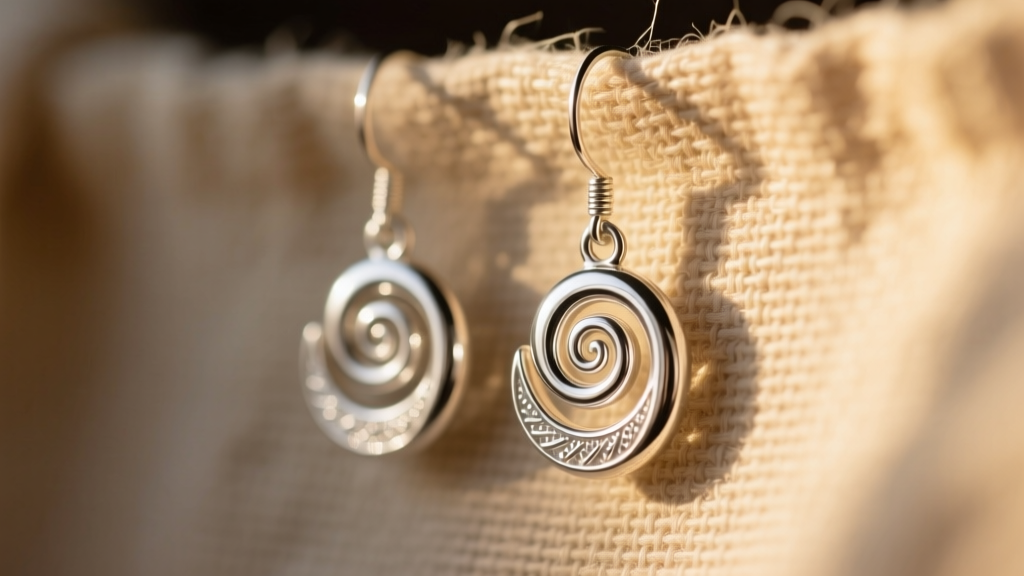
Understanding the Koru Symbolism and Material Grades
The koru, a deeply revered Māori symbol representing the unfolding silver fern frond, embodies new life, growth, strength, and peace. In 2026, as jewelry consumers increasingly gravitate toward mindful, story-driven pieces, koru earrings have surged in popularity. However, wearing this sacred motif requires more than just slipping it through a piercing; it demands an understanding of its cultural weight, material integrity, and proper maintenance.
Authentic koru earrings are typically crafted from two primary materials, each requiring specific care:
- 925 Sterling Silver & Argentium: Traditional sterling silver (92.5% pure silver, 7.5% copper) is a staple for koru metalwork. However, modern jewelers are increasingly using Argentium silver, which replaces some copper with germanium to offer superior tarnish resistance while maintaining the bright, reflective luster needed to highlight the koru's spiral grooves.
- Pounamu (New Zealand Greenstone): Pounamu is a highly prized nephrite jade. According to Te Ara - The Encyclopedia of New Zealand, pounamu is classified into several grades. Kawakawa is a dark, rich green often with black inclusions, while Marsden is a translucent, vibrant green. With a Mohs hardness of 6 to 6.5, pounamu is durable but can fracture if struck against hard surfaces.
Step 1: Selecting the Right Koru Earring Style for Your Face Shape
The koru's defining feature is its inward-coiling spiral. Because this shape naturally draws the eye inward and downward, selecting the right silhouette is crucial for balancing your facial proportions. Use the framework below to match your face shape with the ideal koru earring style.
| Face Shape | Recommended Koru Style | Why It Works |
|---|---|---|
| Round | Elongated Koru Dangles (1.5" - 2") | The vertical drop creates a lengthening line that counteracts the width of a round face, while the spiral adds soft movement. |
| Square | Curved, Open-Loop Koru Studs | The soft, continuous curve of an open-loop koru stud softens a strong jawline and angular cheekbones without adding bulk. |
| Oval | Medium Pounamu Koru Drops | Oval faces are highly versatile. A medium-sized greenstone drop resting just below the earlobe highlights natural symmetry. |
| Heart | Wide, Coiled Koru Huggies | Huggies that wrap the earlobe add visual weight to the lower half of the face, balancing a narrower chin and wider forehead. |
Step 2: Verifying Piercing Gauges and Wire Thickness
A common mistake when purchasing artisan jewelry is ignoring the wire gauge, which can lead to discomfort or even tissue damage. The Gemological Institute of America (GIA) notes that proper jewelry engineering is just as important as the gemstone quality.
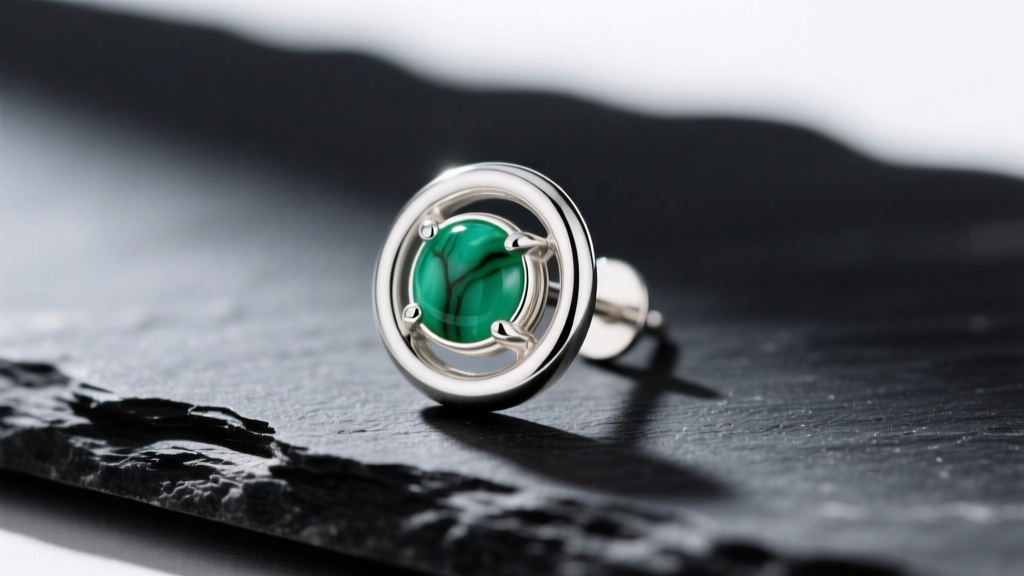
For standard lobe piercings, the industry standard is 20-gauge (0.81mm) or 18-gauge (1.02mm). If you are buying heavy, solid pounamu koru dangle earrings, you must avoid 22-gauge (0.64mm) wire. Thin wire supporting heavy stone creates the "cheese cutter effect," where the wire slowly migrates through the earlobe tissue due to gravity and weight. Always opt for 18G or even 16-gauge (1.29mm) for heavy drops.
For cartilage or helix piercings, koru ear cuffs or flat-back studs should match the piercing gauge, typically 16-gauge (1.29mm) or 14-gauge (1.63mm). Ensure the post length is at least 6mm to 8mm to accommodate cartilage thickness and prevent the backing from pressing into the skin.
Step 3: Authentic Sourcing and Cultural Respect
The koru is not merely a decorative swirl; it is a taonga (treasure) of Māori culture. In an era of mass-produced fast fashion, it is vital to avoid culturally appropriated knockoffs manufactured without indigenous input.
When sourcing authentic koru earrings, look for the Toi Māori Aotearoa trademark, which certifies that the artwork is authentically Māori and created by indigenous artists. Alternatively, purchase directly from established New Zealand-based carvers and jewelers who transparently share the whakapapa (genealogy/origin) of their materials, particularly the specific river or region where the pounamu was ethically gathered.
Step 4: A Step-by-Step Cleaning and Hydration Routine
Proper maintenance ensures your koru earrings remain vibrant and structurally sound. Because silver and pounamu have vastly different chemical properties, they require entirely different cleaning protocols.
Cleaning Sterling Silver Koru Earrings
Silver naturally oxidizes when exposed to sulfur in the air, leading to black tarnish that can obscure the intricate carved lines of the koru. Avoid abrasive polishing cloths, which can wear down the silver over time. Instead, use an electrochemical bath:
- Line a glass bowl with aluminum foil, shiny side up.
- Place your silver koru earrings in the bowl, ensuring they touch the foil.
- Sprinkle 1 tablespoon of baking soda over the jewelry.
- Pour 1 cup of boiling water into the bowl. You will see bubbling as the sulfur transfers from the silver to the aluminum.
- After 3 minutes, remove the earrings with wooden tongs, rinse with distilled water, and pat dry with a microfiber cloth.
Maintaining and Hydrating Pounamu (Greenstone)
Unlike silver, pounamu is a living stone that thrives on hydration and human contact. According to gemological guidelines on nephrite jade, ultrasonic cleaners and harsh chemical dips are strictly forbidden, as they can degrade the stone's natural waxy luster and exacerbate internal micro-fractures.
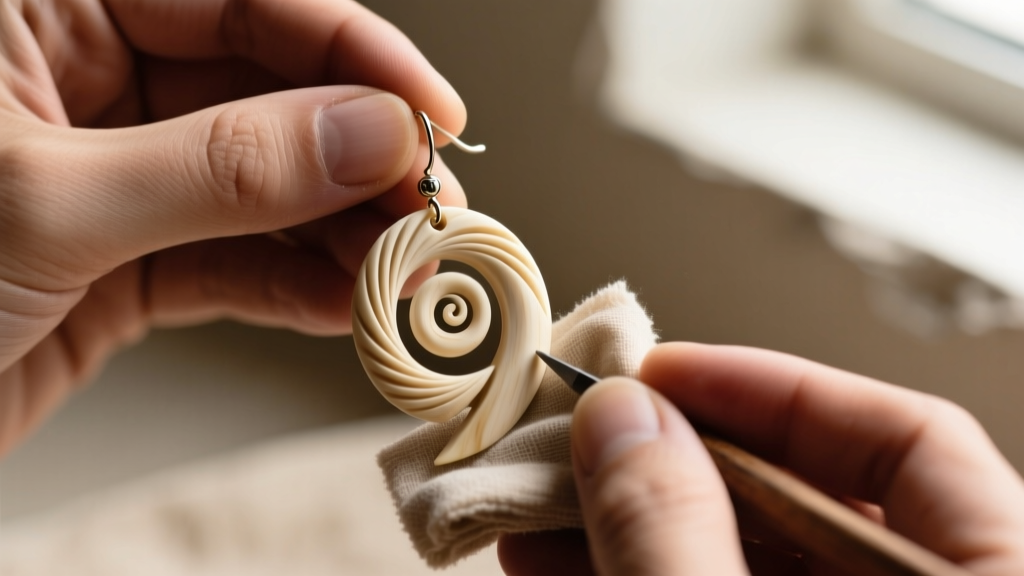
- Daily Care: Simply wearing your pounamu koru earrings allows the natural oils from your skin to polish and hydrate the stone, enhancing its translucency over time.
- Deep Hydration: If the stone looks dry or chalky after being stored in a jewelry box, apply a single drop of pure, cold-pressed jojoba oil or sweet almond oil to a soft cotton cloth.
- Polishing: Gently rub the oil into the pounamu in circular motions, following the spiral of the koru. Buff away any excess oil with a clean, dry section of the cloth.
- Storage: Store pounamu earrings in a soft velvet pouch separate from diamonds or sapphires, which rank higher on the Mohs scale and can easily scratch the greenstone's surface.
Final Thoughts on Wearing Koru Jewelry
Koru earrings are a profound expression of growth and connection to the natural world. By carefully selecting a silhouette that complements your facial structure, verifying the structural integrity of the wire gauge, and committing to a mindful, material-specific cleaning routine, you honor both the artistry of the maker and the deep cultural roots of the symbol. Treat your koru earrings with respect, and they will remain a luminous, meaningful staple in your collection for decades to come.


