Stirrup Earrings: The Ultimate 2026 Equestrian Trend Guide
Explore the 2026 stirrup earrings trend. Discover architectural equestrian styles, material grades, weight mechanics, and face-shape styling frameworks.

The Evolution of Equestrian Core in Fine Jewelry
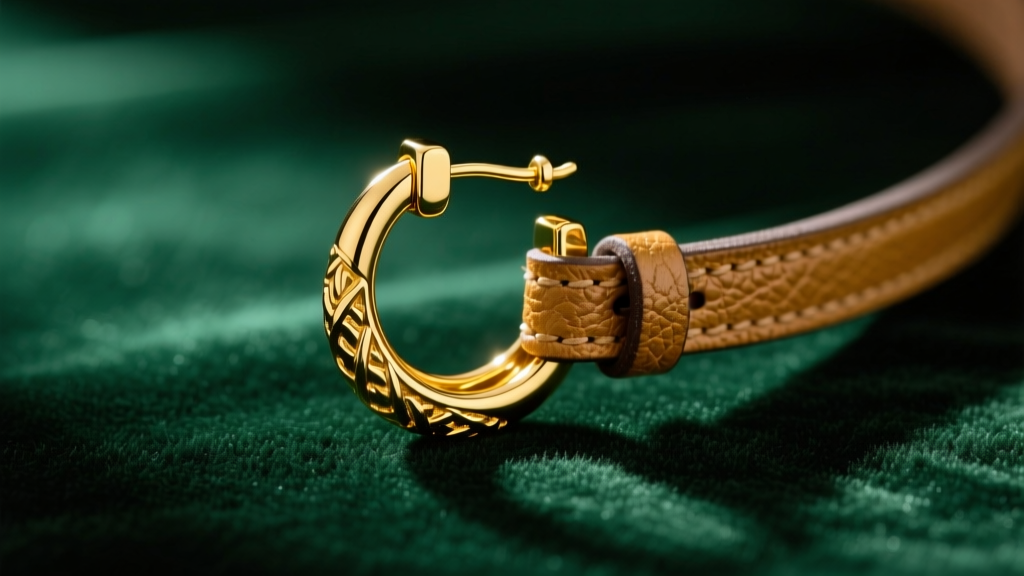
The equestrian aesthetic has long been a staple of heritage luxury, but the 2026 jewelry market has completely reimagined the stirrup earrings silhouette. Moving away from the hyper-literal, charm-heavy designs of the early 2020s, today's stirrup earrings embrace architectural minimalism and structural integrity. According to trend forecasts from Vogue Fashion, the modern 'quiet luxury' movement demands that equestrian motifs be abstracted into clean, geometric lines rather than relying on overt novelty. This shift has transformed stirrup earrings from a niche trend into a sophisticated, everyday staple for the modern wardrobe.
As a style radar, we track not just the aesthetic shift, but the engineering behind these pieces. A stirrup earring is inherently top-heavy due to its curved 'tread' (the bottom footrest portion) and elongated 'branch' (the side arms). Designing a pair that sits flush against the earlobe without drooping requires precise weight distribution, specific post gauges, and advanced clasp mechanics. In this comprehensive guide, we break down the anatomy, material science, and styling frameworks for the 2026 stirrup earring trend.
Deconstructing the Stirrup Silhouette
To understand the engineering of high-quality stirrup earrings, we must look at the actual equestrian equipment that inspires them. A traditional riding stirrup consists of three main parts, all of which translate into jewelry design:
- The Eye: The top loop where the leather strap threads through. In earrings, this translates to the post, the hinge, or the top jump ring connecting to a French wire.
- The Branch: The two side arms that extend downward. In jewelry, these form the elongated drop or the structural frame of the earring.
- The Tread: The flat or curved bottom base where the rider's foot rests. In earrings, this is the visual anchor, often weighted to provide a satisfying swing or cast in a wide, polished band to catch the light.
2026 Design Shift: Architectural vs. Literal
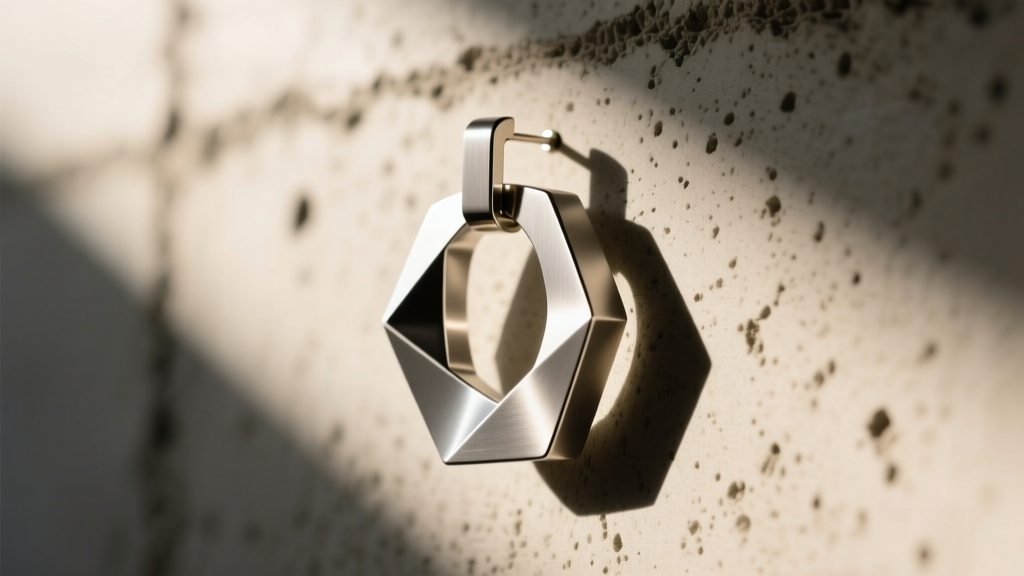
In 2026, the most sought-after stirrup earrings feature an 'open branch' design. Instead of a solid cast metal frame, designers are using negative space, creating an outline of the stirrup using 1.2mm to 1.5mm wire. This reduces the overall gram weight of the earring, allowing for larger, more dramatic silhouettes that won't stretch the earlobe over time. Furthermore, textured 'leather' motifs on the top strap are being replaced by brushed metal finishes or matte enamel accents, aligning with the Bauhaus-inspired jewelry trends dominating the current market.
Material Grades and Weight Distribution Mechanics
The physical properties of the metal used in stirrup earrings dictate their comfort and longevity. Because the shape requires a larger surface area, material density is a critical factor. The GIA Gem Encyclopedia notes that alloy composition directly impacts both the hypoallergenic properties and the structural yield strength of jewelry metals. Below is a comparative analysis of the most common materials used for stirrup earrings in 2026.
| Material Grade | Density & Weight | Hypoallergenic | Best Earring Back | Average Price Tier |
|---|---|---|---|---|
| ASTM F136 Titanium | Ultra-Light (1.5g - 3g) | 100% Biocompatible | Standard Push Back | $45 - $120 |
| 316L Surgical Steel | Heavy (4g - 8g) | Low (Trace Nickel) | Screw Back / Omega | $30 - $85 |
| Solid 14k Gold | Medium-Heavy (3g - 6g) | High (Nickel-Free) | Leverback / La Pousette | $250 - $600 |
| 18k Gold Vermeil | Variable (Depends on base) | Moderate | Hinged Snap Back | $80 - $180 |
Post Gauge and Failure Modes
A standard earring post is 20-gauge (0.8mm thick). However, a solid metal stirrup earring weighing over 4 grams will cause a 20g post to bend under the leverage of the heavy tread. For 2026, premium jewelers are upgrading to 18-gauge (1.0mm) or even 16-gauge (1.2mm) posts for their heavier stirrup designs. If you are purchasing a solid brass or steel pair, always check the post thickness. A bent post is the number one failure mode for this specific silhouette, leading to metal fatigue and eventual snapping.
Common Failure Modes and Troubleshooting
Beyond bent posts, the unique geometry of stirrup earrings presents specific wearability challenges. Here is how to troubleshoot the most common issues:
- The 'Forward Tilt' Droop: Because the bottom tread is heavier than the top eye, stirrup earrings naturally want to pull forward, causing the earring back to dig into the back of your earlobe. Solution: Use silicone earring lifters or jumbo friction backs that distribute the pressure across a wider area of the lobe.
- Hair Snagging: The open branch design creates a gap where long hair can easily loop through, risking a torn earlobe. Solution: Opt for 'closed branch' designs where the metal loops back onto itself seamlessly, or wear hair tied back when wearing large, open-frame stirrups.
- Clasp Slippage: French wire (fishhook) backs are popular for dangle earrings but lack security for heavy, swinging stirrups. Solution: Demand leverback closures or add a silicone stopper to the end of the French wire to prevent loss.
Styling Framework: Face Shapes and Proportions
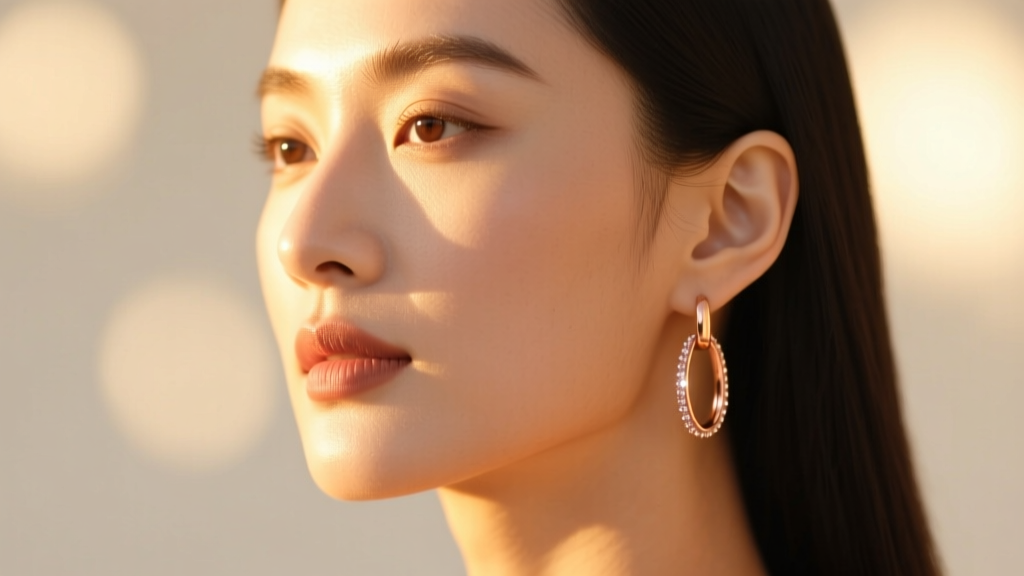
Stirrup earrings are inherently elongating due to their vertical drop and curved base. However, the specific proportions of the branch and tread should be matched to your facial geometry to achieve optimal aesthetic balance.
Round and Oval Face Shapes
For round faces, the goal is to introduce angles and length. Look for stirrup earrings with a square or angular tread and a long, narrow branch. Avoid wide, circular stirrup hoops, which will only emphasize the roundness of the face. An elongated, geometric 14k gold stirrup drop will draw the eye downward, creating a slimming, contoured effect.
Square and Heart Face Shapes
Square jaws and prominent cheekbones benefit from softening curves. The classic rounded tread stirrup is ideal here. The sweeping curve at the bottom of the earring mimics the soft lines of a traditional equestrian iron, which helps to visually soften a sharp jawline. For heart-shaped faces (wider forehead, narrow chin), a medium-sized stirrup with a slightly flared tread adds necessary visual weight to the lower half of the face.
Investment Tiers: Navigating the 2026 Market
When shopping for stirrup earrings, understanding the pricing tiers will help you identify true value versus brand markup. In the current market, you can categorize offerings into three distinct tiers:
1. The Trend Tier ($30 - $90): Typically crafted from brass with gold plating or 316L stainless steel. These pieces are excellent for seasonal trend participation but may suffer from plating wear or post bending within 6 to 12 months of regular wear. Look for brands that specify a minimum of 2.5 microns of gold vermeil for better longevity.
2. The Bridge Tier ($150 - $450): This is the sweet spot for 2026. You will find solid 14k gold (both yellow and rose), high-grade titanium alloys, and secure leverback mechanics. These pieces are designed for daily wear, offer excellent hypoallergenic properties, and maintain their structural integrity indefinitely.
3. The Heritage Tier ($800+): Reserved for fine jewelry houses and independent master goldsmiths. These stirrup earrings often incorporate micro-pave diamonds along the branch, custom-cut gemstones set into the tread, and proprietary hinge mechanisms. They are investment-grade pieces that hold intrinsic metal value alongside their design prestige.
The 2026 Verdict: Stirrup earrings have successfully graduated from a fleeting 'old money' costume trend to a permanent fixture in structural jewelry design. By prioritizing 18-gauge posts, architectural negative space, and secure leverback closures, you can invest in a pair that offers both equestrian elegance and modern engineering.