How to Style and Authenticate Betsey Johnson Bow Earrings
Learn how to authenticate, style, and care for vintage Betsey Johnson bow earrings with our expert step-by-step guide for collectors.

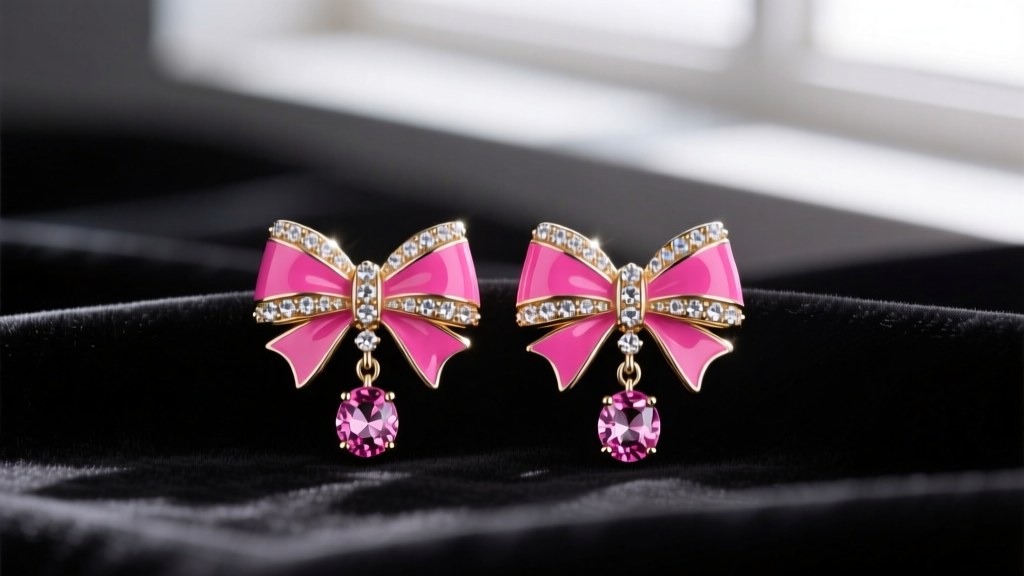
For decades, Betsey Johnson has reigned as the undisputed queen of whimsical, punk-infused, and unapologetically bold fashion jewelry. Among her most enduring and highly collectible designs is the iconic bow motif. Whether you are hunting for rare 1990s runway pieces or styling contemporary drops, Betsey Johnson bow earrings are a staple for maximalists. However, their heavy construction, specific material grades, and the prevalence of counterfeits in the vintage market require a discerning eye.
In this comprehensive step-by-step guide, we will explore the exact anatomy of these statement pieces, teach you how to authenticate the hallmark stamps, and provide actionable solutions for wearing heavy drop earrings without suffering from earlobe fatigue.
The Anatomy of Betsey Johnson Bow Earrings
To properly care for and evaluate these earrings, you must first understand the materials used in their construction. Unlike fine jewelry, Betsey Johnson pieces are classified as high-end fashion or 'bridge' jewelry. They are not cast in solid gold or silver, nor do they typically feature precious gemstones.
Base Metals and Plating
The foundation of a classic Betsey Johnson bow earring is usually a cast pewter or brass alloy. This base is chosen for its ability to capture intricate mold details—like the folds of a taffeta ribbon—while keeping production costs manageable. The base metal is then heavily plated in either 14k gold-tone, rhodium (silver-tone), or antique brass. Over time, friction and skin acidity can wear through this plating, revealing the darker base metal beneath, a common trait in well-loved vintage pieces from the 1stDibs Vintage Archive.
Cold Enamel vs. Vitreous Enamel
One of the most critical E-E-A-T distinctions in fashion jewelry is the type of enamel used. Betsey Johnson jewelry utilizes cold enamel (an epoxy-based resin), not vitreous enamel. Vitreous enamel is powdered glass fused to metal in a kiln at over 1400°F. Cold enamel, however, cures at room temperature. While it allows for the vibrant, opaque pinks, reds, and blacks synonymous with the brand, it is significantly softer. Dropping a cold-enamel bow earring on a hard tile floor will almost certainly result in a chip or crack, whereas vitreous enamel might survive the impact.
Step-by-Step Authentication Guide
As the secondary market for Y2K and 90s fashion explodes, so does the market for counterfeit Betsey Johnson jewelry. Authenticating a pair of bow earrings requires examining the hardware, the stones, and the hallmark.
| Feature | Authentic Betsey Johnson | Counterfeit / Replica |
|---|---|---|
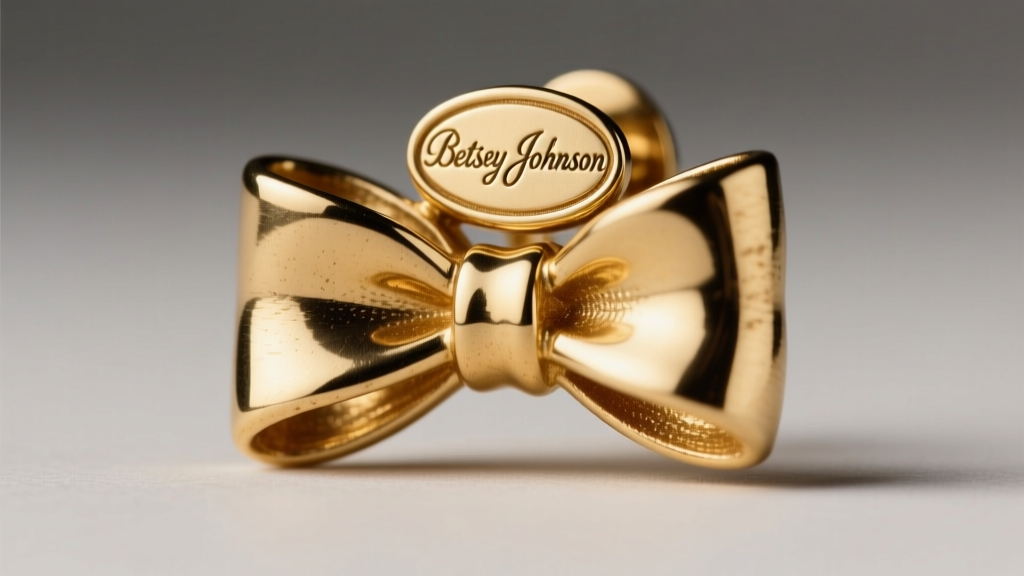
| Hallmark Stamp | Oval cartouche stamped 'Betsey Johnson' or a 'BJ' inside a heart logo. Deep, clean casting. | Shallow laser etching, misspelled names, or completely missing stamps on the post/clasp. |
| Rhinestones | High-grade glass rhinestones (often Swarovski in older pieces) with brilliant foil backing. | Dull acrylic or plastic stones that lack refraction and feel lightweight. |
| Enamel Quality | Smooth, opaque cold epoxy. Clean lines where enamel meets the metal bezel. | Streaky, paint-like application. Bleeding over the metal borders. |
| Weight | Substantial heft. A large statement bow can weigh 15g to 30g per earring. | Noticeably lightweight, often under 10g due to cheap hollow plastics. |
Step 1: Inspect the Cartouche. Look at the back of the earring post or the clip-on paddle. Authentic pieces from the 1990s and 2000s will feature a raised oval cartouche. If the earring is a clip-on, check the tension paddle; the stamp is often hidden on the interior mechanism.
Step 2: The Foil Test. Examine the pavé rhinestones under a jeweler's loupe. Authentic glass stones will have a metallic foil backing glued behind the glass to maximize light return. If the stones look uniformly flat or have a grayish, dead appearance, the foil has either oxidized from water damage (a common issue in poorly stored vintage) or the stones are cheap acrylic molded with a painted back.
How to Style Heavy Statement Bows Without Earlobe Fatigue
The most common complaint regarding Betsey Johnson bow drop earrings is their weight. A heavily crystallized, oversized bow can easily exceed 25 grams. When worn on a standard pierced lobe, gravity pulls the earring forward, causing the post to dig into the ear cartilage and stretching the piercing hole over time.
The Silicone Support Patch Method
To wear heavy bows comfortably for an entire event, you must distribute the weight across a larger surface area of the earlobe. Here is the step-by-step method used by professional stylists:
- Cleanse the Lobe: Wipe the front and back of your earlobe with an alcohol prep pad to remove natural skin oils. This ensures the adhesive will grip properly.
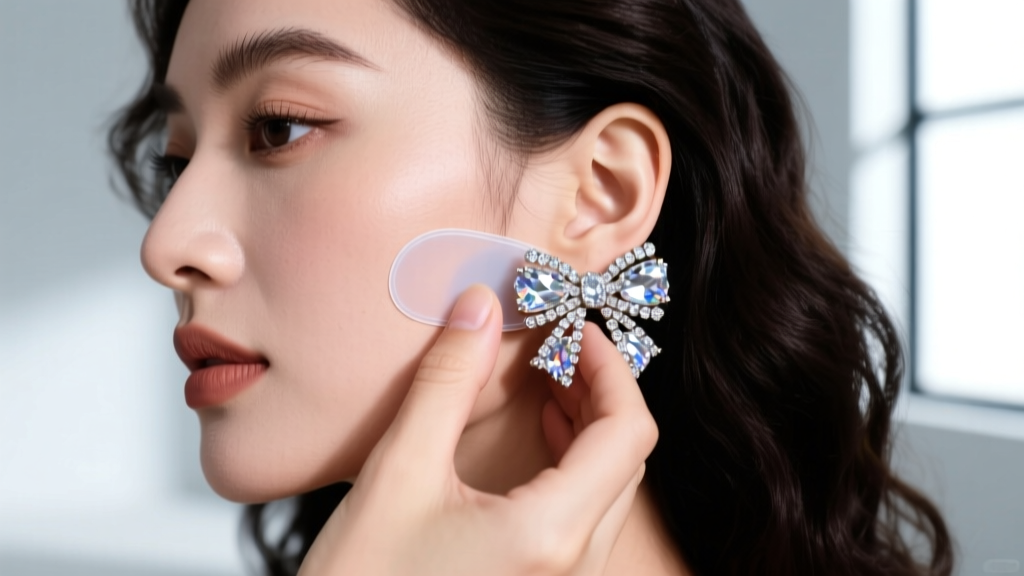
- Apply the Support Patch: Take a clear, medical-grade silicone earring support patch (often sold under brand names like BlingWraps or LobeWonder). Peel off the backing and center the hole directly over your piercing.
- Pierce Through: Push your earring post through the hole in the silicone patch. The patch should sit flush against your skin, hidden behind the bow motif.
- Secure with a Jumbo Back: Discard the standard butterfly clutch that came with the earring. Instead, use a jumbo silicone friction back or a secure screw-back clutch. The wide base of the jumbo back, combined with the front patch, creates a sandwich effect that completely eliminates forward drooping.
Converting Vintage Clip-Ons to Pierced Earrings
Many of the most spectacular 1980s and 1990s Betsey Johnson bow earrings were originally manufactured as clip-ons. If you have non-pierced ears, or simply prefer the security of a post, conversion is possible but requires a professional bench jeweler. Do not attempt this with pliers. Snapping off the clip-on paddle will leave a jagged scar on the base metal. A jeweler will use a jeweler's saw to cleanly remove the tension clip, polish the scar, and laser-solder a sterling silver or gold-filled post onto the brass base. Laser soldering is crucial here, as traditional torch soldering can melt the cold enamel and shatter the glass rhinestones due to extreme heat transfer.
Cleaning and Restoring Vintage Enamel and Rhinestones
Maintaining the vibrant aesthetic of your Betsey Johnson bow earrings requires strict adherence to specific cleaning protocols. The biggest threat to vintage fashion jewelry is the ultrasonic cleaner.
Why You Must Avoid Water and Ultrasonics
As mentioned in our authentication section, the glass rhinestones rely on a delicate foil backing. If you submerge the earrings in water, liquid jewelry dip, or place them in an ultrasonic machine, moisture will seep under the prong settings. Once trapped, the moisture oxidizes the metallic foil, turning it black. This damage is irreversible without completely unsetting and replacing every individual stone. For more on the vulnerabilities of foiled stones, refer to the official Betsey Johnson care guidelines and general gemological best practices.
The Dry-Bowl Cleaning Method
To safely remove hairspray, perfume, and skin oils from your bow earrings, follow this dry-cleaning framework:
- Step 1: Lay the earrings on a microfiber cloth over a soft surface (to prevent enamel chipping if dropped).
- Step 2: Use a brand-new, dry, soft-bristle makeup brush (like a clean eyeshadow blending brush) to gently sweep away dust and dry debris from the pavé stone settings.
- Step 3: For stubborn grime on the metal and enamel only, dip a cotton swab in a tiny amount of isopropyl alcohol. Carefully trace the metal borders and the enamel surfaces. Never let the alcohol touch the rhinestones, as it can dissolve the adhesive holding the stones in their bezels.
- Step 4: Buff the gold-tone or silver-tone plating with a dry, untreated jewelry polishing cloth to restore the high-shine finish.
Collector's Tip: When storing your Betsey Johnson bow earrings, never toss them into a communal jewelry box. The hard glass rhinestones will easily scratch the soft cold enamel of adjacent pieces. Store each pair in its own anti-tarnish flannel pouch, and include a silica gel packet to control ambient humidity and protect the foil backings.
By understanding the material science behind cold enamel, respecting the fragility of foiled rhinestones, and utilizing proper lobe-support techniques, you can confidently wear and collect Betsey Johnson bow earrings. These pieces are not just accessories; they are wearable artifacts of fashion history that demand expert care and styling.


