The Ultimate Care Guide for Double Pearl Earring Studs
Learn expert cleaning and maintenance tips for double pearl earring studs. Protect your organic gems from damage and keep them lustrous for years.

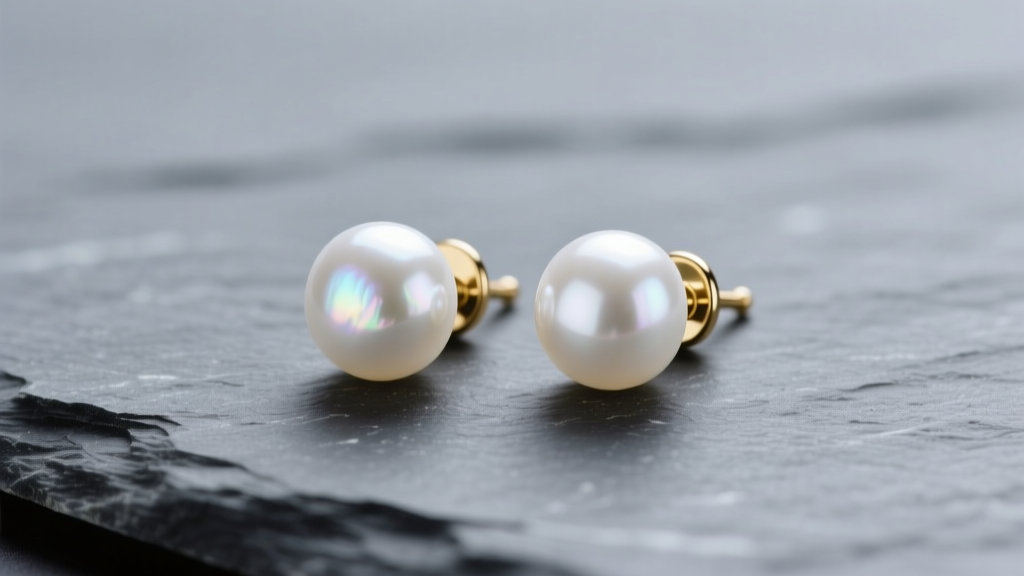
Double pearl earring studs have evolved from a high-fashion runway statement into a sophisticated everyday staple. Characterized by a pearl resting on the front of the earlobe and a second pearl (or pearl-encrusted jacket) securing the back, these earrings offer a striking, three-dimensional aesthetic. However, their unique structural design, combined with the delicate organic nature of pearls, demands a highly specific maintenance regimen. Unlike diamonds or sapphore, pearls are not inert minerals; they are living gemstones composed of calcium carbonate and conchiolin, requiring meticulous care to preserve their orient and luster.
The Unique Anatomy of Double Pearl Studs
To properly care for double pearl earring studs, you must first understand their construction. The front pearl is typically half-drilled and mounted onto a metal post using a specialized jeweler's epoxy, then seated into a tiny metal cup (the bezel or gall). The post passes through the ear piercing, and the back pearl serves a dual purpose: it acts as the decorative backing and, in many designs, functions as the friction clutch or screw-back mechanism.
This dual-sided architecture creates several vulnerability points. The gap between the pearl and the metal cup can trap sebum, dead skin cells, and hair products. Furthermore, the back pearl is subjected to constant mechanical friction every time you put the earrings on or take them off. If moisture infiltrates the half-drilled hole of the back pearl, it can compromise the adhesive bond, leading to the dreaded "spinning pearl" or, worse, complete detachment and loss of the gem.
The Golden Rules of Organic Gem Maintenance
According to the Gemological Institute of America (GIA), pearls rank at a mere 2.5 to 3.0 on the Mohs hardness scale, making them exceptionally prone to scratching and chemical erosion. The fundamental rule of pearl care is "last on, first off." Your double pearl studs should be the very last items you put on after applying cosmetics, perfumes, hairsprays, and lotions, and the first items you remove upon returning home.
Human sweat is slightly acidic, and prolonged exposure can slowly dissolve the aragonite platelets that give pearls their iridescent luster. If you wear your double pearl studs during a workout or on a humid day, it is imperative to wipe them down immediately afterward. Never store them in airtight plastic bags; pearls require a slight amount of ambient moisture to prevent the nacre from drying out, crazing, or cracking over time.
Step-by-Step Cleaning Protocol for Double Pearl Studs
Because of the adhesive joints and the porosity of the gems, you must never submerge double pearl earring studs in water or use commercial jewelry dips. Instead, follow this meticulous surface-cleaning protocol to safely remove daily buildup without compromising the structural integrity of the earrings.
What You Will Need
- Distilled Water: Tap water contains chlorine, fluoride, and trace minerals that can leave microscopic deposits on the nacre, dulling the pearl's surface over time.
- Mild Castile Soap: A pH-neutral, detergent-free liquid soap. Avoid dish soaps, which contain harsh degreasing enzymes that strip the pearl's natural moisture.
- Untreated Microfiber Cloths: Ensure the cloth is free of any embedded dust or grit that could act like sandpaper on the soft nacre.
- Soft-Bristled Makeup Brush: A clean, unused eyeshadow or blending brush with ultra-soft synthetic or natural bristles.
- Cotton Swabs: For precision cleaning around the metal posts and back mechanisms.
The Cleaning Process
- Prepare the Solution: Mix a single drop of mild castile soap into a small bowl of lukewarm distilled water. The water should never be hot, as extreme temperature changes can cause the pearl to expand or contract, fracturing the nacre or breaking the adhesive seal.
- Dampen, Don't Drench: Dip the microfiber cloth into the solution and wring it out completely until it is only slightly damp. You want to transfer the cleaning agents via surface contact, not liquid saturation.
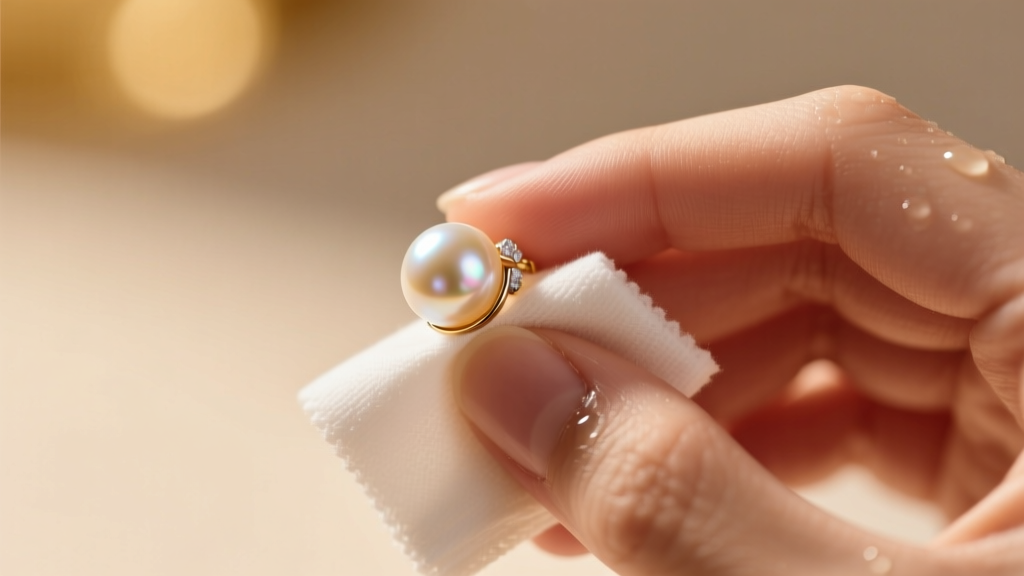
- Wipe the Nacre: Gently cradle the front pearl in your hand and wipe the surface with the damp cloth. Use light, circular motions to lift oils and cosmetic residue. Repeat for the back pearl.
- Detail the Mechanism: Dip the soft makeup brush lightly into the solution, tap off the excess, and gently sweep the bristles around the metal cup where the pearl meets the gold or silver setting. This dislodges trapped sebum without forcing water into the drill hole.
- Clean the Post: Use a cotton swab dipped in the solution to carefully wipe down the metal post and the friction clutch or screw-back threading. This removes skin cells that can harbor bacteria and cause earlobe irritation.
- Immediate Drying: Immediately buff both pearls with a dry, clean section of the microfiber cloth. Allow the earrings to air-dry completely on a soft towel for at least two hours before storing or wearing them again.
Structural Integrity: Checking the Front-to-Back Mechanism
The most common failure mode for double pearl earring studs is the degradation of the adhesive bond. Over time, exposure to body heat, sweat, and cosmetic oils can soften the jeweler's epoxy. Once a month, perform a gentle "wiggle test." Hold the metal post firmly and apply the lightest possible lateral pressure to the pearl. If you detect any movement, rotation, or hear a faint clicking sound, the adhesive has failed.
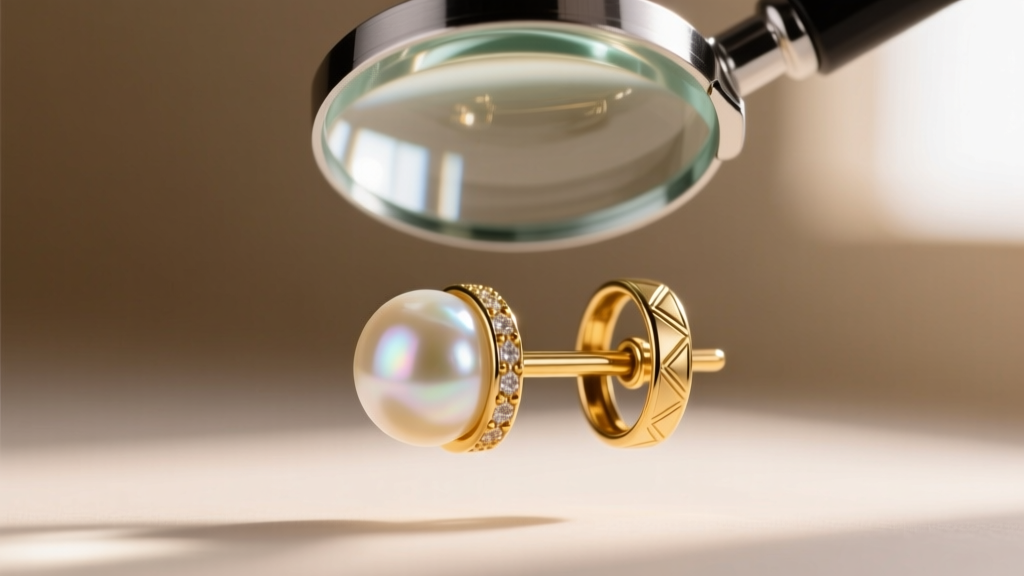
Do not attempt to fix a loose pearl at home using household super glue (cyanoacrylate). Super glue releases fumes as it cures that can permanently cloud the pearl's nacre, creating a milky, irreversible haze. Furthermore, it dries brittle and will inevitably fail again under the mechanical stress of daily wear. Instead, take the earrings to a professional jeweler who can safely dissolve the old adhesive, clean the drill hole, and reset the pearl using a flexible, pearl-safe two-part epoxy.
Storage and Environmental Hazards
Proper storage is just as critical as the cleaning process. The Jewelers of America strongly advises against storing pearls in communal jewelry boxes where they can come into contact with harder gemstones. A diamond or sapphire resting against your double pearl studs will easily scratch the nacre, leaving permanent, dull gouges.
Store your earrings in a dedicated, soft silk or velvet pouch. If the earrings came in a specialized box with individual slots, use it. Avoid storing them in extremely dry environments, such as a safety deposit box or a bathroom with fluctuating humidity levels, which can cause the organic conchiolin within the pearl to dry out and crack. Lay the earrings flat; hanging them by the post for long periods can place uneven stress on the adhesive joint of the front pearl.
Safe vs. Unsafe Cleaning Methods
When maintaining your collection, it is vital to distinguish between methods suitable for metallic jewelry and those that will destroy organic gems. Refer to the table below to ensure you are never inadvertently damaging your double pearl earring studs.
| Cleaning Method | Safety Status | Impact on Double Pearl Studs |
|---|---|---|
| Ultrasonic Cleaners | Highly Unsafe | High-frequency vibrations will shatter the nacre and instantly detach the pearls from their metal cups. |
| Steam Cleaners | Highly Unsafe | Intense heat and moisture will melt the jeweler's epoxy and cause the pearl to crack or peel. |
| Ammonia / Bleach | Highly Unsafe | Harsh chemicals will dissolve the calcium carbonate surface, leaving the pearl permanently pitted and chalky. |
| Commercial Silver Dips | Unsafe | While safe for the metal post, accidental contact with the pearl will strip its luster and damage the nacre. |
| Damp Microfiber & Mild Soap | Safe | Gently lifts oils and debris without saturating the drill holes or compromising the adhesive bond. |
| Distilled Water Rinse | Conditionally Safe | Only safe if the pearls are not half-drilled; for double studs, surface wiping is always preferred over rinsing. |
When to See a Professional Jeweler
While regular at-home maintenance will keep your double pearl earring studs looking radiant, professional intervention is occasionally necessary. If you notice the metal post becoming bent—which can happen if you sleep in the earrings or catch them on clothing—do not attempt to bend it back into shape yourself. Repeated bending will cause metal fatigue, leading to a snapped post that is incredibly difficult to repair without damaging the front pearl.
Additionally, if the pearls begin to lose their luster despite proper cleaning, they may have suffered from superficial acid etching due to prolonged sweat exposure. A master jeweler can sometimes perform a very delicate, microscopic polishing of the nacre to remove the damaged outer layer, though this is only possible if the pearls have a sufficiently thick nacre layer to begin with. By adhering to these specialized care protocols, your double pearl earring studs will remain a flawless, luminous fixture in your jewelry wardrobe for decades to come.


