How to Style and Care for Pink Conch Shell Earrings
Master the art of styling and maintaining pink conch shell earrings. Learn step-by-step cleaning, hardware upgrades, and face-shape matching tips.

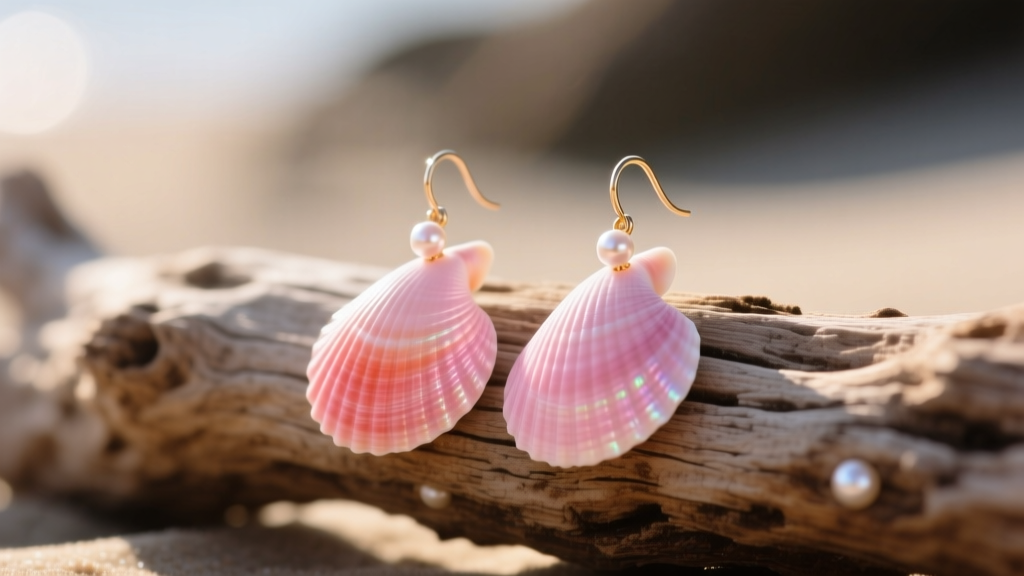
Organic jewelry has experienced a massive renaissance, and at the forefront of this movement are pink conch shell earrings. Prized for their delicate pastel hues and unique flame-like chatoyancy, these earrings offer a coastal elegance that synthetic materials simply cannot replicate. However, because they are crafted from calcium carbonate rather than crystallized minerals, they require a highly specific care regimen to prevent etching, delamination, and fading.
In this comprehensive 2026 how-to guide, we will walk you through the exact steps to clean, style, and maintain your pink conch shell earrings, ensuring they remain a vibrant staple in your jewelry collection for decades.
The Anatomy and Sourcing of Pink Conch Shell
Before diving into maintenance, it is crucial to understand what you are wearing. Genuine pink conch comes from the Queen Conch (Lobatus gigas), specifically the outer lip of the shell. Unlike nacre (mother-of-pearl), conch shell features a non-nacreous, cross-lamellar microstructure that creates a shimmering "flame" pattern.
On the Mohs hardness scale, conch shell ranks between 3.0 and 3.5. This makes it significantly softer than quartz or topaz, meaning it is highly susceptible to scratching from everyday dust and abrasion. Furthermore, because it is primarily calcium carbonate, it is deeply reactive to acids. Even the natural lactic acid in human sweat or the citric acid in everyday perfumes can cause permanent chemical etching, leaving the shell looking chalky and dull.
Sustainability and CITES Regulations
As of 2026, ethical sourcing is non-negotiable for conscious jewelry collectors. The Queen Conch is listed under Appendix II of the CITES Species Database, meaning international trade is strictly regulated to prevent overharvesting. When purchasing new pink conch shell earrings, always demand proof of MSC (Marine Stewardship Council) certification or CITES export permits. Alternatively, sourcing vintage or upcycled conch shell jewelry is an excellent way to enjoy this material without impacting current marine ecosystems.
Step-by-Step Cleaning Protocol
Forget everything you know about cleaning diamond or sapphire jewelry. The GIA Organic Gem Materials Guide explicitly warns against using ultrasonic cleaners, steamers, or commercial silver dips on porous organic gems. Here is the safest, most effective method to clean your pink conch shell earrings at home.
Step 1: Dry Dusting
Because household dust contains microscopic quartz particles (Mohs 7), wiping a dusty shell with a cloth will act like sandpaper, creating micro-scratches. Always begin by using a clean, soft-bristled makeup brush (like a goat-hair powder brush) to gently sweep away loose debris from the carvings and crevices of the shell.
Step 2: The Distilled Water Wipe
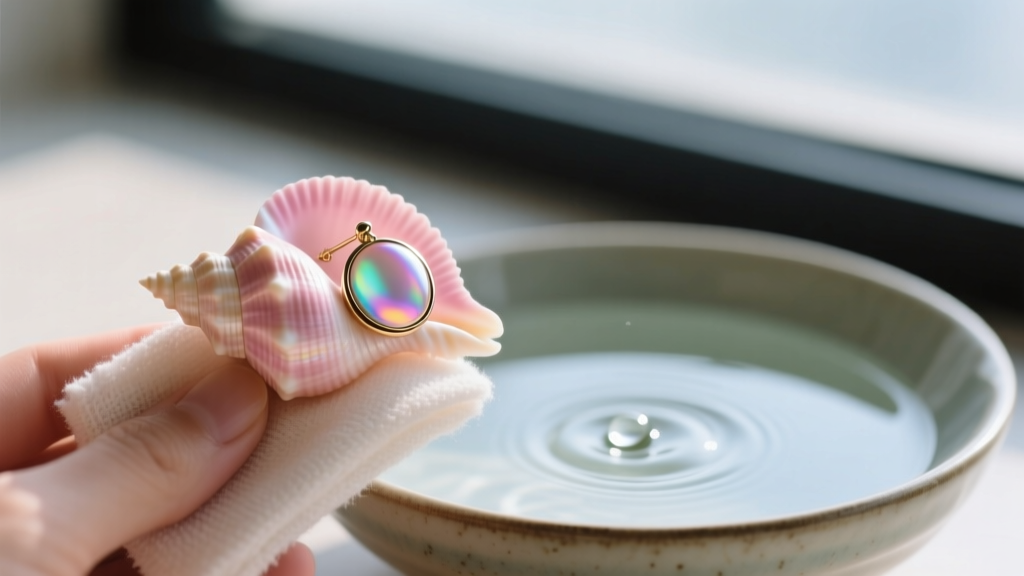
Never use tap water, as the chlorine, fluoride, and varying pH levels can react with the calcium carbonate. Instead, lightly dampen a lint-free microfiber cloth with distilled water. Gently wipe the surface of the shell to remove body oils and sweat. If the earrings are heavily soiled, add a single drop of pH-neutral, phosphate-free baby shampoo to the damp cloth. Never submerge the earrings in water, as prolonged moisture can weaken the adhesive bonding the shell to its metal backing.
Step 3: Drying and Polishing
Immediately dry the earrings with a second, completely dry microfiber cloth. Buff the shell using light, circular motions to restore its natural, waxy luster.
Styling Framework: Matching Face Shapes and Occasions
Pink conch shell earrings are incredibly versatile, but their organic shapes and soft colors require strategic styling to complement your facial structure and wardrobe. Use the matrix below to select the ideal silhouette for your needs.
| Face Shape | Recommended Conch Style | Styling Rationale |
|---|---|---|
| Round | Long, angular shell drops | Elongates the jawline and provides structural contrast to soft facial curves. |
| Square | Curved shell hoops or oval cabochons | Softens strong jawlines and adds organic movement to the lower face. |
| Heart | Teardrop dangles or bottom-heavy studs | Balances a wider forehead by drawing visual weight to the lower cheekbones. |
| Oval | Any style (studs, huggies, chandeliers) | Naturally balanced proportions allow for experimental and oversized shell pieces. |
Wardrobe Pairing Tip: The milky pink hue of conch shell acts as a neutral in the jewelry world. It pairs exceptionally well with linen, silk, and lightweight cottons in earth tones (sage green, terracotta, cream). Avoid pairing delicate shell earrings with heavy, dark winter fabrics like tweed or thick wool, as the visual weight mismatch will make the jewelry look fragile and out of place.
Hardware Upgrades: Securing Your Shells
A common failure point in mass-market organic jewelry is the hardware. Many commercial pink conch shell earrings are strung on cheap brass or copper-plated iron wires. Not only do these base metals cause contact dermatitis, but the copper oxidation will eventually stain the porous edges of the shell with a permanent green patina.
Choosing the Right Gauge and Metal
If your earrings have removable hooks, upgrade them immediately. The standard earlobe piercing is typically 20-gauge (0.81mm) or 18-gauge (1.02mm). We recommend purchasing 20-gauge 14k solid gold French wire hooks or 22-gauge niobium ear wires. Niobium is highly recommended for 2026 jewelry trends due to its 100% hypoallergenic properties and its ability to be anodized into soft pastel colors that can perfectly match the pink hue of the conch shell.
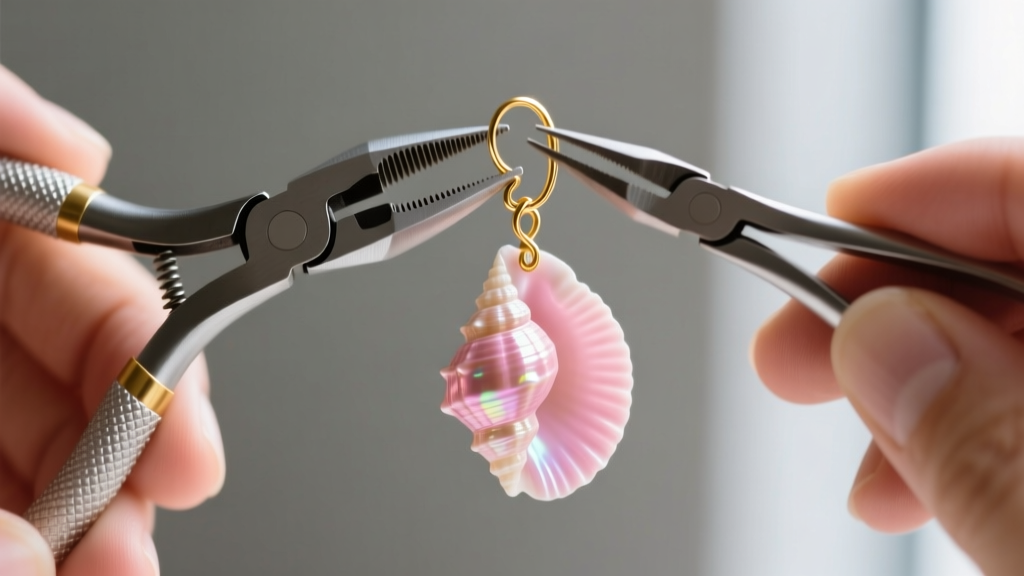
When swapping hooks, always use nylon-jaw pliers rather than metal jewelry pliers. Metal pliers will easily crush the delicate jump rings or scratch the gold wire, compromising the structural integrity of the earring.
Troubleshooting Common Conch Shell Damage
Even with meticulous care, organic materials interact with their environment. Here is how to troubleshoot the three most common issues faced by conch shell jewelry owners.
- Chalky White Spots (Acid Etching): If you wear your earrings to the beach or during a heavy workout, sweat and saltwater will etch the surface, leaving dull white patches. The Fix: You cannot wash this away. A professional jeweler can lightly buff the surface using a felt polishing wheel charged with a mild jeweler's rouge, removing the damaged top micron layer to reveal the vibrant shell beneath.
- Delamination (Peeling Layers): Conch shell is formed in layers. Exposure to extreme heat (like leaving them on a car dashboard) or harsh chemicals can cause these layers to separate. The Fix: If caught early, a jeweler can stabilize the peeling edge using optical-grade cyanoacrylate adhesive. If the peeling is extensive, the piece is unfortunately beyond repair.
- Fading of the Pink Hue: Prolonged exposure to direct, intense UV sunlight can bleach the organic pigments in the shell over several years. The Fix: Prevention is the only cure. Store your pink conch shell earrings in a dark, lined jewelry box or an anti-tarnish pouch when not in use. Never display them in a sunlit window.
Expert Insight: "The biggest mistake consumers make with organic jewelry is treating it like a diamond. Diamonds are born in extreme heat and pressure; conch shells are grown in delicate, temperate waters. Treat your shell earrings with the same gentle care you would give to a rare silk garment, and they will outlive you." — Senior Gemologist, Jewel Styler Radar
Final Thoughts on Organic Jewelry Care
Maintaining pink conch shell earrings requires a shift in how we think about jewelry care. By abandoning harsh chemical cleaners, upgrading to biocompatible hardware, and respecting the material's organic origins, you preserve not just a beautiful accessory, but a remarkable piece of natural history. For more detailed guidelines on maintaining your entire jewelry wardrobe, consult the comprehensive resources provided by the Jewelers of America Care Guide.


