Why Does My Earring Hole Hurt? A Step-by-Step Healing Guide
Discover exactly why your earring hole hurts and follow our step-by-step guide to soothe irritation, prevent infection, and choose hypoallergenic metals.

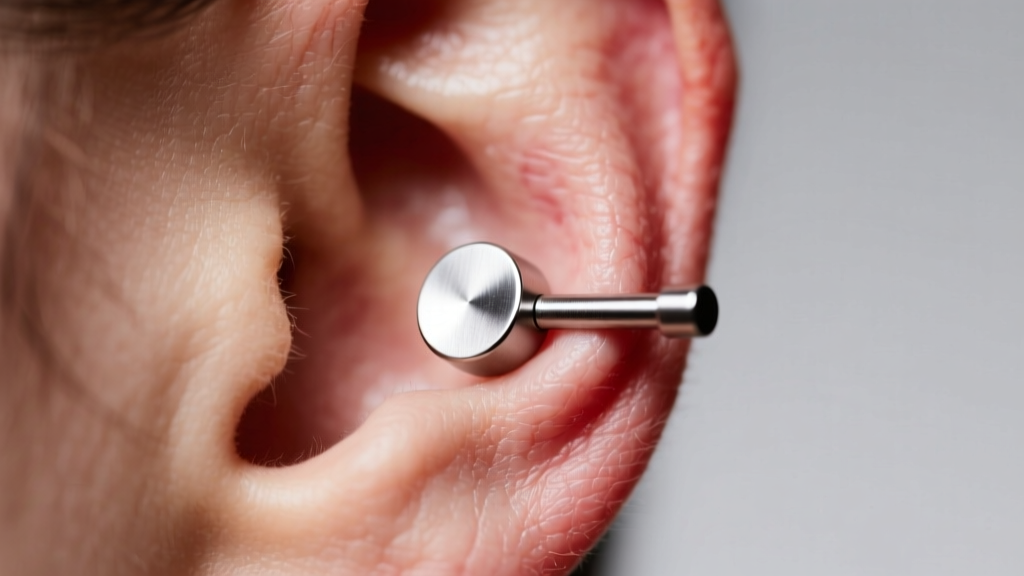
If you are asking yourself, "why does my earring hole hurt?" you are not alone. Earring hole pain is one of the most common complaints among both newly pierced individuals and seasoned jewelry collectors. Whether you are dealing with a fresh lobe piercing that suddenly feels tender, or a decades-old cartilage hole that aches when you wear heavy dangles, the pain is usually a symptom of a specific mechanical, chemical, or biological failure. In this comprehensive step-by-step guide, we will diagnose the root cause of your discomfort and provide actionable, professional-grade solutions to restore your ear health.
The Anatomy of Earring Hole Pain: Why It Happens
Before treating the pain, we must identify the catalyst. Earring hole discomfort generally falls into three distinct categories:
- Mechanical Trauma: Caused by sleeping on uneven jewelry posts, snagging on hair or clothing, or wearing heavy earrings that pull on the fistula (the healed skin tube inside the piercing).
- Chemical Irritation (Contact Dermatitis):strong> Triggered by reactive metals leaching nickel or copper ions into the tissue, causing an localized allergic response.
- Biological Complications: Ranging from trapped dead skin cells and sebum buildup to localized bacterial infections or hypertrophic scarring.
According to the Association of Professional Piercers (APP), the vast majority of earring pain in healed piercings is due to mechanical irritation and poor jewelry metallurgy, rather than true infection.
Step-by-Step Triage: What to Do Right Now
When your earlobe or cartilage is actively throbbing, follow this immediate triage protocol to halt the inflammatory response.
Step 1: Assess and Cleanse
Do not immediately rip the earring out. Removing jewelry from an angry, swollen piercing can cause the hole to close around trapped bacteria, forming an abscess. Instead, wash your hands thoroughly with antimicrobial soap and gently examine the entry and exit points. Look for localized redness, clear lymph fluid (normal), or thick yellow/green discharge (a sign of infection).
Step 2: The 5-Minute Sterile Saline Protocol
Flush the area with a sterile 0.9% sodium chloride wound wash. Do not use homemade sea salt soaks, as the incorrect ratio can dehydrate the tissue and worsen the pain. Spray the saline directly onto a sterile non-woven gauze pad and hold it as a warm compress against the earring hole for exactly five minutes. This softens crusties and increases local blood flow to aid healing.
Step 3: Downsize or Switch to a Flat-Back
If you are wearing a butterfly-back stud or a hoop, the pain is likely caused by the post digging into your neck or the hoop moving excessively. Swap to an internally threaded or threadless ASTM F136 titanium flat-back labret. The flat disc distributes pressure evenly and eliminates the sharp post that causes mechanical stabbing pain while you sleep.
Material Upgrades: Stop the Chemical Burn
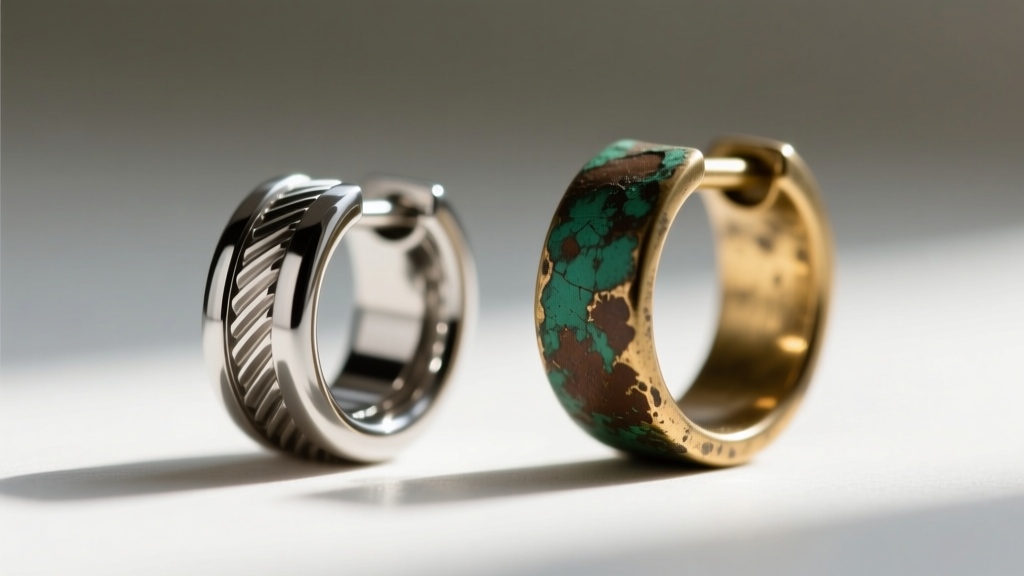
If your earring hole hurts specifically when wearing certain pairs, but feels fine when bare, you are likely experiencing nickel-induced contact dermatitis. The Mayo Clinic notes that nickel allergy is the leading cause of allergic contact dermatitis, often presenting as an itchy, burning sensation inside the piercing channel.
Upgrading your jewelry metallurgy is non-negotiable for long-term comfort. Below is a breakdown of acceptable versus reactive metals for sensitive earring holes:
| Material Grade | Nickel Content | Surface Porosity | Verdict for Sensitive Holes |
|---|---|---|---|
| ASTM F136 Implant-Grade Titanium | 0% | Mirror Polish (Non-porous) | Best Choice: Biocompatible, ideal for angry or healing holes. |
| Niobium (99.99% Pure) | 0% | Highly Polishable | Excellent: Safe for unhealed piercings and severe metal allergies. |
| 14k or 18k Solid Gold (Nickel-Free) | 0% (if alloyed with palladium/silver) | Low | Good: Ensure it is specifically cast as nickel-free white or yellow gold. |
| "Surgical" Stainless Steel (316L) | 8% - 10.5% | Micro-porous | Avoid: High nickel content; causes burning in sensitive fistulas. |
| Brass / Copper Alloys | Variable | Highly Porous (Oxidizes) | Toxic: Causes green discoloration, severe irritation, and pain. |
The "Cheese Cutter" Effect: Gauge and Weight Dynamics
Have you ever taken out a pair of heavy drop earrings and felt a sharp, slicing pain at the bottom of your earring hole? This is known in the body modification industry as the "cheese cutter effect."
Standard fashion earrings are often manufactured at 20-gauge (0.81mm) or even 22-gauge (0.64mm). When you hang a heavy dangle or a thick hoop on a 20-gauge wire, the extreme surface-area-to-weight ratio causes the thin wire to slowly migrate downward, slicing through the tissue. Over time, this thins out the bottom of your earlobe, causing micro-tears, chronic tenderness, and eventually, a split lobe.
How to Fix Gauge-Related Pain
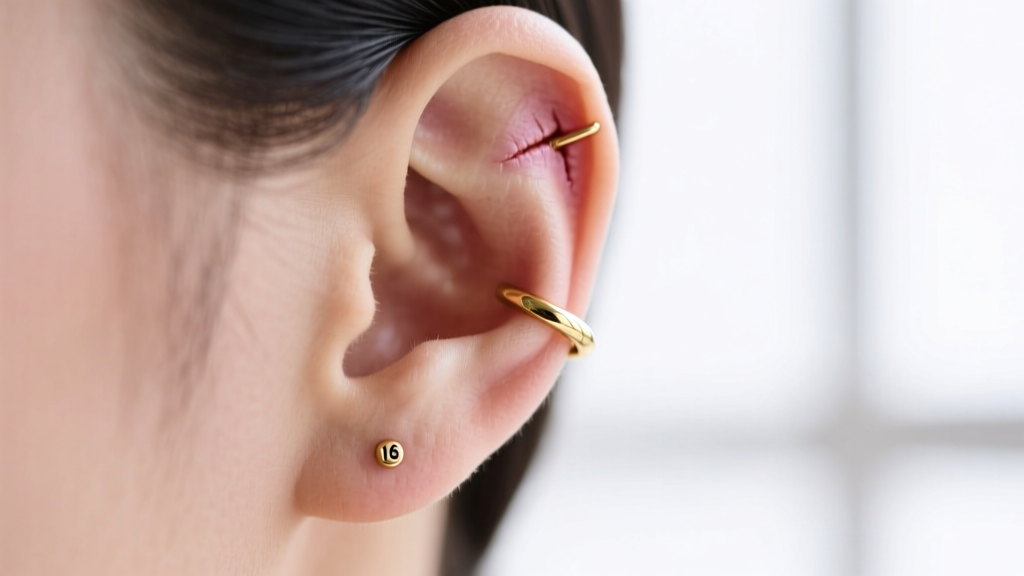
To resolve this, you must increase the surface area of the jewelry post. Visit a professional piercer to have your lobes stretched or re-pierced to 16-gauge (1.2mm) or 14-gauge (1.6mm). A 16-gauge post distributes the weight of heavy earrings across a wider band of tissue, entirely eliminating the slicing sensation and providing structural integrity to the lobe.
Cartilage vs. Lobe: Vascularity and Healing Timelines
The location of your pain dictates how you must treat it. Earlobes are highly vascular, meaning they have a rich blood supply that delivers white blood cells to fight off bacteria and heal micro-tears rapidly. Cartilage (the helix, tragus, or conch), however, is avascular. It receives nutrients and immune responses through the perichondrium (the connective tissue wrapping the cartilage).
According to the Cleveland Clinic, cartilage piercings are highly susceptible to perichondritis—a severe inflammation of the tissue surrounding the cartilage. If your cartilage earring hole hurts, is hot to the touch, and the redness is spreading outward from the hole, you must seek medical attention immediately. Cartilage infections do not resolve with saline soaks; they require prescription oral antibiotics to prevent permanent tissue necrosis and ear deformation.
Irritation Bumps vs. True Infections
Finally, it is vital to differentiate between an irritation bump and an infection, as the treatments are exact opposites.
- Hypertrophic Scarring (Irritation Bump): A small, flesh-colored or pink bump located immediately adjacent to the piercing hole. It is caused by mechanical friction (like sleeping on a hoop) or moisture trapping. Treatment: Apply warm sterile saline compresses, switch to a flat-back titanium stud, and keep the area bone-dry after showering. Do not use tea tree oil or aspirin pastes, as these cause chemical burns.
- True Infection: Characterized by deep throbbing pain, extreme heat, swelling that engulfs the jewelry, and foul-smelling, opaque yellow or green pus. Treatment: Leave the jewelry in to maintain a drainage pathway and consult a physician for a targeted antibiotic regimen.
Summary: Your Action Plan for Pain-Free Piercings
Understanding why your earring hole hurts is the first step toward permanent relief. By auditing your jewelry materials for nickel, upgrading to a thicker 16-gauge post for heavy earrings, and adhering to a strict sterile saline cleaning protocol, you can eliminate inflammation and protect your fistula. Treat your piercings as minor medical modifications rather than simple fashion accessories, and your ears will reward you with a lifetime of pain-free styling.


