How to Style and Care for Silver Oval Hoop Earrings
Master the art of wearing silver oval hoop earrings. Follow our step-by-step guide on gauge sizing, face-shape styling, and anti-tarnish care routines.

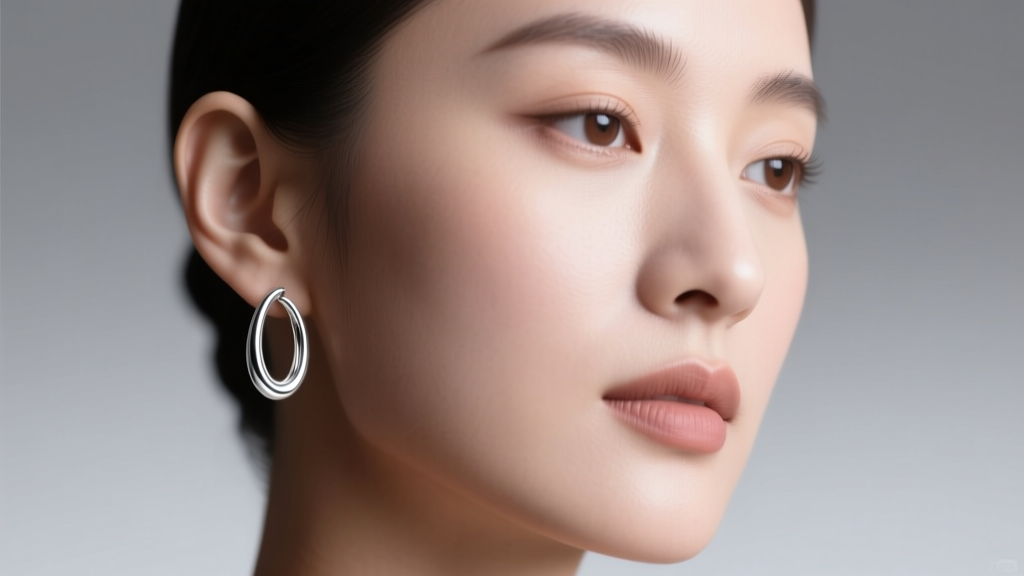
The Metallurgy of Silver Hoops: 925 vs. Argentium
Before diving into styling, it is crucial to understand the material resting against your skin. In 2026, the jewelry market is heavily divided between traditional 925 sterling silver and the increasingly popular Argentium silver. Standard sterling silver is an alloy containing 92.5% pure silver and 7.5% copper. While the copper adds necessary structural integrity for hoops, it is also the culprit behind oxidation and tarnish. According to the Gemological Institute of America (GIA), this copper content requires regular maintenance to prevent the metal from turning black or green when exposed to sulfur in the air or acidic skin pH levels.
Alternatively, Argentium silver replaces a portion of the copper with germanium. This creates a transparent germanium oxide layer on the surface, making silver oval hoop earrings highly tarnish-resistant and hypoallergenic. If you have sensitive earlobes or plan to wear your hoops in cartilage piercings where healing and irritation are concerns, investing in Argentium or rhodium-plated 925 silver is a non-negotiable step for long-term comfort.
Step 1: Selecting the Right Gauge and Dimensions
The most common mistake consumers make is ignoring wire thickness (gauge) in favor of purely aesthetic dimensions. Wearing a 20-gauge wire in a 16-gauge cartilage piercing can lead to the 'cheese-cutter effect,' where the thin wire slowly migrates through the tissue. Conversely, forcing a thick 14-gauge hoop into a standard 20-gauge lobe piercing will cause micro-tearing and inflammation. The Association of Professional Piercers (APP) strictly advises matching your jewelry gauge to your specific piercing anatomy.
| Hoop Dimensions (mm) | Ideal Wire Gauge | Best Placement | Average Weight |
|---|---|---|---|
| Petite (12x16mm) | 20g or 18g | Standard Lobe / Helix | < 1.0g |
| Medium (20x30mm) | 18g or 16g | Lobe / Lower Cartilage | 1.5g - 2.5g |
| Statement (35x50mm) | 16g or 14g | Lobe (Stretched) / Conch | 4.0g+ |
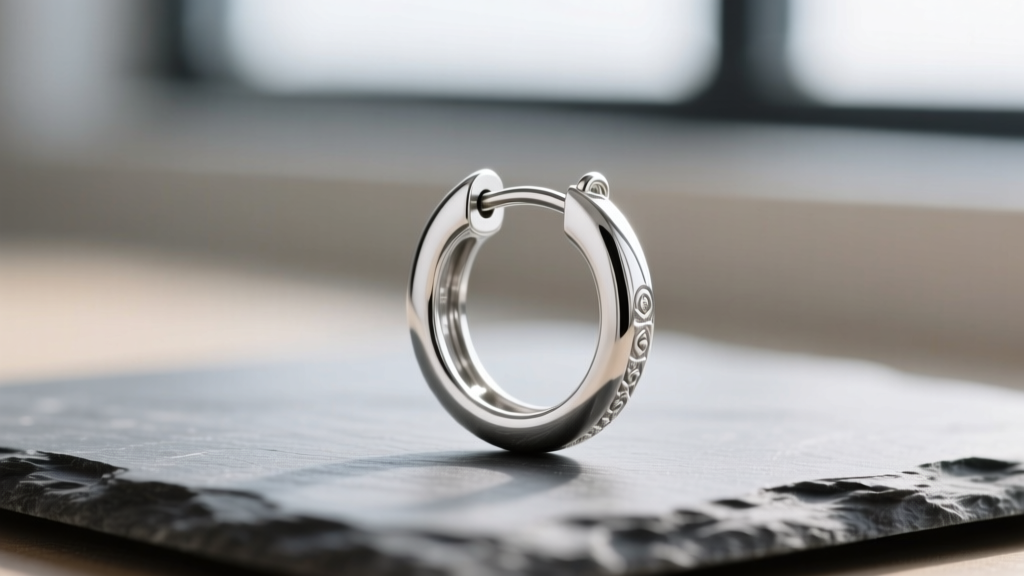
Step 2: Matching Oval Proportions to Your Face Shape
Unlike perfect circles, the elongated geometry of oval hoops creates a directional visual pull. This makes them an incredible tool for facial contouring. Here is your step-by-step framework for matching proportions to your bone structure:
- Round Faces: Opt for medium to large silver oval hoop earrings (25x35mm or larger). The vertical elongation draws the eye downward, creating the illusion of a more defined, angular jawline.
- Square Faces: The continuous, sweeping curves of an oval hoop soften sharp mandibular angles. Avoid hoops with flat, geometric edges or hammered textures that emphasize harsh lines.
- Heart-Shaped Faces: Choose teardrop-leaning ovals that are wider at the bottom. This adds visual weight to the lower half of the face, balancing a narrower chin.
- Oblong Faces: Be cautious with highly elongated vertical ovals, as they will exaggerate face length. Instead, seek out 'wide ovals' or oval huggies that sit closer to the earlobe, providing horizontal width rather than vertical drop.
Step 3: Mastering Lobe vs. Cartilage Placement
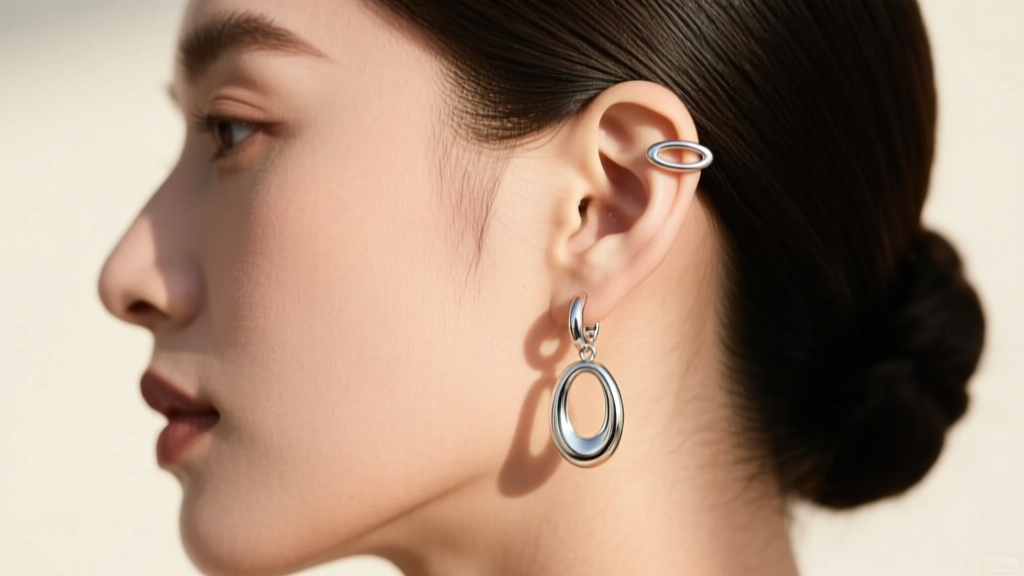
Silver oval hoops are no longer confined to the standard lobe piercing. In contemporary ear curation, they serve as dynamic connectors in complex stacks. When placing an oval hoop in a conch or rook piercing, the elongated shape allows the jewelry to contour naturally to the folds of the ear without protruding awkwardly like a circular hoop would.
For a seamless lobe-to-cartilage transition, use a petite 12x16mm oval hoop in your upper helix or forward helix, and anchor the ear with a 25x35mm oval in the primary lobe. The shared geometric language ties the curation together without looking overly matchy. Always ensure that cartilage placements feature a secure clicker or threaded clasp, as standard friction-backed posts are prone to catching on hair and clothing in higher ear positions.
Step 4: The Ultimate Cleaning and Anti-Tarnish Routine
Even the highest quality silver oval hoop earrings will accumulate sebum, dead skin cells, and environmental pollutants. Follow this exact 5-step protocol every two weeks to maintain a mirror finish and prevent contact dermatitis:
- Prep the Solution: Mix three drops of phosphate-free, mild dish soap into a bowl of warm (not hot) distilled water. Avoid tap water, as chlorine and heavy minerals can cause micro-pitting on the silver surface.
- Soak: Submerge the hoops for exactly 3 to 5 minutes. This loosens oxidized oils trapped in the clasp mechanisms.
- Agitate: Use an extra-soft baby toothbrush to gently sweep the inside of the wire and the hinge areas. Never use abrasive toothpaste or baking soda, as these will scratch the high-polish finish and create microscopic grooves where future tarnish will anchor.
- Rinse: Rinse thoroughly under a gentle stream of distilled water.
- Dry and Store: Pat completely dry with a lint-free microfiber cloth. Store in an airtight ziplock bag with a silica gel packet or anti-tarnish 3M strip to absorb ambient moisture.
Troubleshooting Common Silver Hoop Issues
Silver is a relatively soft metal (2.5 to 3 on the Mohs hardness scale), which makes it prone to specific mechanical failures over time. If your clicker clasp refuses to snap shut, do not force it. Use a jeweler's loupe to inspect the hinge for trapped debris or a slightly bent tension pin. You can gently realign the pin using nylon-jaw pliers—never bare metal pliers, which will mar the silver. If the post or wire of your hoop becomes bent out of its oval shape, roll it on a flat glass surface to identify the warp point, and apply gentle, distributed pressure with your thumbs to coax it back into an elliptical plane. Regular maintenance ensures your silver oval hoops remain a staple in your rotation for decades.


