How to Wear Heavy Jeenmata Earrings Without Ear Pain
Learn how to comfortably wear heavy Jeenmata earrings. This step-by-step guide covers sahaara chains, lobe support, and Kundan care.

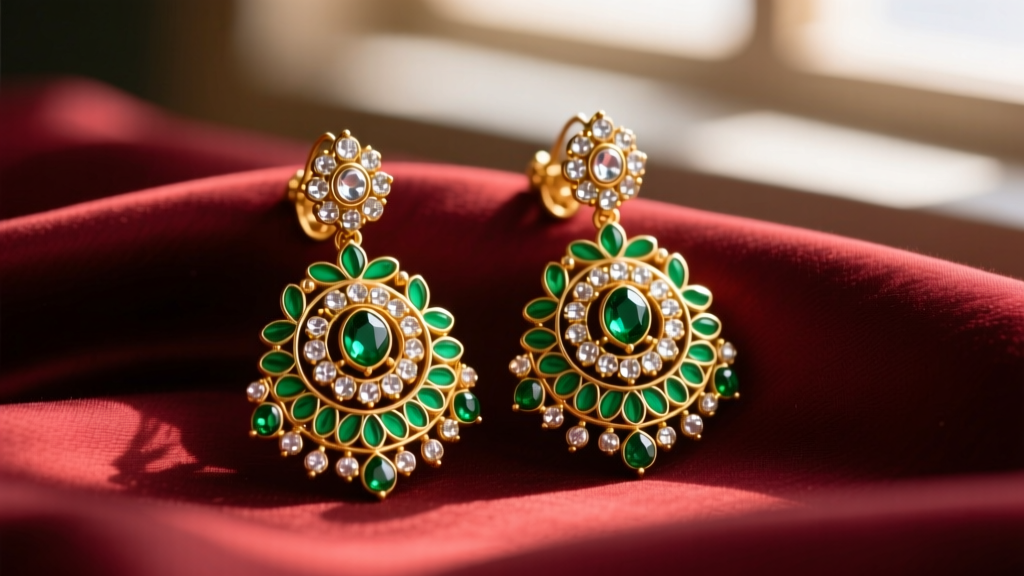
Jeenmata earrings, inspired by the revered Rajasthani folk deity, are masterpieces of traditional Indian jewelry design. Known for their elaborate jhumka silhouettes, intricate Meenakari (enameling), and heavy Kundan or Polki stone settings, these pieces are a staple for bridal trousseaus and festive wear. However, their breathtaking beauty comes with a distinct physical challenge: extreme weight. Authentic Jeenmata style dangles can weigh anywhere from 40 to 90 grams per earring. Without proper technique and support, this weight can cause severe lobe stretching, pain, or even tearing. This comprehensive guide provides a step-by-step methodology for styling, securing, and maintaining these heavy heritage pieces comfortably.
Understanding the Weight and Structure of Jeenmata Earrings
To properly wear Jeenmata earrings, you must first understand their anatomy and the physics of the human earlobe. A standard earlobe can comfortably support between 10 and 15 grams of weight for extended periods. Traditional Jeenmata earrings often feature a tripartite structure: the upper stud (karnphool), the central connecting link, and the heavy, bell-shaped lower dome (jhumka) adorned with dangling pearls or gemstone beads. According to the Victoria and Albert Museum's historical jewelry archives, traditional Indian goldsmiths designed these pieces with the assumption that supplementary support mechanisms would be utilized. The sheer volume of 22k gold plating, lac core settings for Kundan stones, and enamel work on the reverse side accumulates mass rapidly. Attempting to wear a 60-gram earring relying solely on the friction of a standard screw-back or push-post is a recipe for immediate lobe fatigue and potential tissue damage.
Step-by-Step Guide to Securing Heavy Jeenmata Earrings
Achieving a comfortable fit requires a multi-point support system that distributes the weight away from the delicate earlobe tissue and onto the cartilage and hair. Follow these precise steps to secure your earrings:
- Apply Silicone Lobe Pads: Before inserting the earring, slide a medical-grade silicone earlobe support pad onto the post. Use a pad with a 12mm to 15mm diameter and a 1mm center hole. This widens the surface area bearing the weight, reducing pressure points by up to 60%.
- Insert and Secure the Post: Push the earring post through the piercing and the silicone pad. Fasten it using a heavy-duty screw-back or a wide, flat friction back. Ensure it is snug but not tight enough to restrict blood circulation.
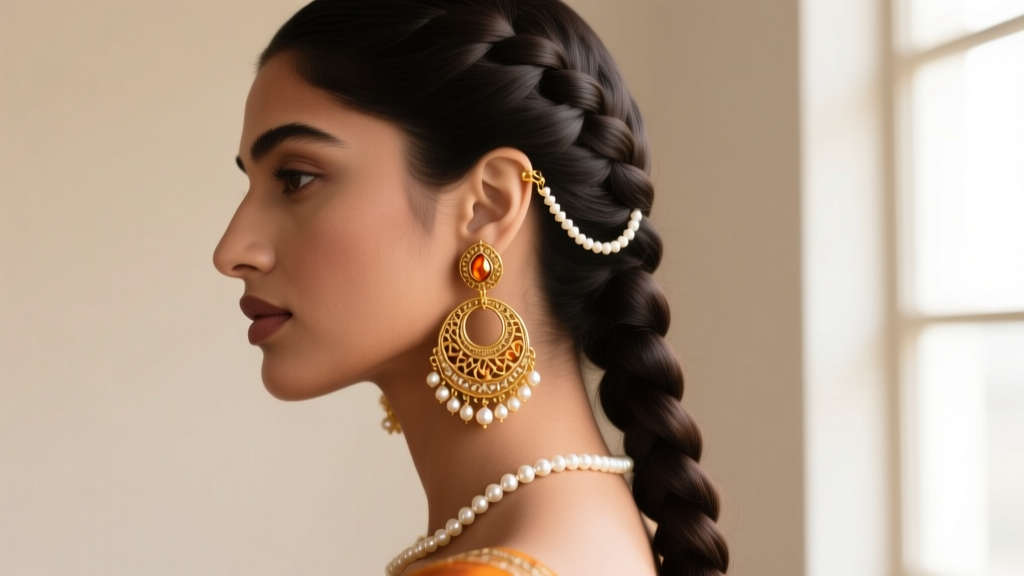
- Attach the Sahaara (Ear Chain): The sahaara is a delicate chain that hooks onto a small loop on the main earring stud and drapes over the top of the ear. Hook the opposite end of the chain into a specialized comb or a loop pinned directly into your hair.
- Adjust the Tension: The chain must be adjusted so that it bears 80% of the earring's weight. If the chain is too loose, the lobe takes the strain; if it is too tight, it will pull the hair and cause scalp tension. Aim for a gentle upward lift on the earring dome.
- Anchor with Bobby Pins: For extra security, especially during dancing or movement, use two crossed bobby pins to anchor the sahaara chain's hair hook to a sturdy section of braided or pinned hair, hiding the mechanics beneath the top layer of hair.
Material Grades and Authenticity Markers
When investing in Jeenmata earrings, understanding the material composition is critical for assessing both value and weight. The Gemological Institute of America (GIA) notes that traditional Kundan jewelry relies on highly refined gold foil rather than solid prong settings, which alters how the piece should be handled and cleaned. Below is a breakdown of common material grades found in these earrings:
| Component | Standard Commercial Grade | Heritage / Bridal Grade | Weight Impact |
|---|---|---|---|
| Base Metal | Brass or Nickel Alloy | Copper, Silver, or Solid 18k Gold | Silver and Copper are heavier but hypoallergenic. |
| Plating | Flash Gold Plating (0.5 microns) | 22k Gold Vermeil or Matte Gold Leaf | Negligible weight difference, massive durability gap. |
| Stone Setting | Cast Glass or Resin | Uncut Polki Diamonds or Genuine Kundan | Polki is significantly heavier and requires careful handling. |
| Enameling | Cold Enamel (Painted Resin) | Traditional Meenakari (Fired Glass) | Fired Meenakari is fragile and can chip if dropped. |
Choosing the Right Silhouette for Your Face Shape
Because Jeenmata earrings command so much visual attention, selecting the correct proportion for your face shape is essential for a balanced aesthetic.
- Round Faces: Opt for Jeenmata designs that feature an elongated vertical drop below the jhumka dome. The vertical lines and dangling pearl strings will create the illusion of length, drawing the eye downward and slimming the cheekbones. Avoid excessively wide, horizontal dome spreads.
- Oval Faces: You have the versatility to wear the classic, wide-domed jhumkas with heavy horizontal spreads and thick, multi-layered sahaara chains. The natural symmetry of an oval face balances the volume of traditional Rajasthani designs perfectly.
- Square Faces: Choose Jeenmata earrings with curved, circular jhumka bottoms and soft, rounded gemstone cabochons. The circular geometry will soften a strong, angular jawline. Avoid designs with sharp, geometric kundan cuts.
- Heart-Shaped Faces: Look for designs where the upper stud (karnphool) is minimal, but the bottom jhumka is wide and heavily embellished. This adds necessary visual weight to the lower half of the face, balancing a narrower chin.
Troubleshooting Common Fit and Comfort Issues
Even with proper preparation, heavy earrings can present mechanical challenges. Here is how to troubleshoot the most common failure modes:
Issue: The earring tilts forward, pointing at the floor.
Solution: This occurs when the center of gravity of the heavy bottom dome overpowers the top stud. Tighten the screw-back slightly to increase friction against the silicone pad. If the tilt persists, the piercing hole may be stretched. Switch to a thicker post adapter or use a specialized earring lifter that clips onto the back of the post to physically push the front upward.
Issue: The Sahaara chain keeps slipping out of the hair.
Solution: Fine, silky hair struggles to hold traditional metal hooks. Wrap the hook in a tiny piece of clear elastic band to increase grip, or sew a small, discreet fabric loop into your hairstyle specifically to catch the chain hook.
Cleaning and Storing Traditional Meenakari and Kundan
The longevity of Jeenmata earrings depends entirely on how they are maintained. The materials used in heritage Indian jewelry are highly reactive to moisture, perfumes, and modern cosmetics. Never use ultrasonic cleaners, liquid jewelry dips, or even a damp cloth on Kundan or Meenakari pieces, as moisture can dissolve the natural lac (resin) used to secure the stones and cause the gold foil to oxidize and turn black.
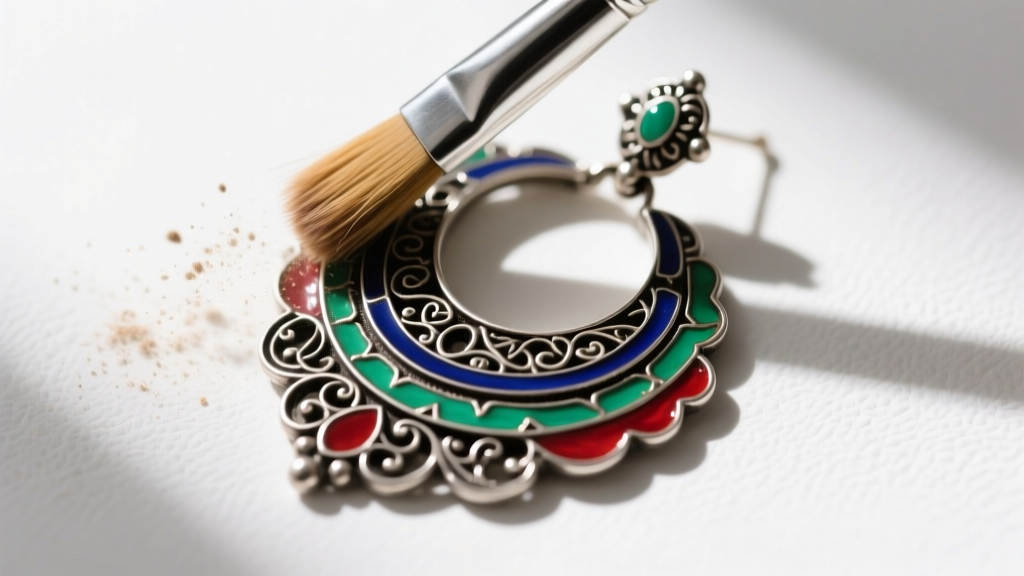
For routine cleaning, use a standard, clean pencil eraser. Gently rub the eraser over the gold-plated surfaces and the kundan stones; the mild friction lifts oils and restores the shine without introducing moisture. Use a soft, dry makeup brush to dust out the intricate crevices of the meenakari enamel on the reverse side. Always store Jeenmata earrings flat in a velvet-lined box to prevent the heavy domes from bending the connecting links. Include a small packet of silica gel in the storage box to control ambient humidity and prevent the base metals from tarnishing over time.


