How to Style Kyrie Irving Earrings: Step-by-Step Guide
Learn how to style Kyrie Irving earrings with our step-by-step guide. Discover piercing maps, gauge sizes, and material tips to recreate his iconic look.

The Evolution of the Kyrie Irving Ear Aesthetic
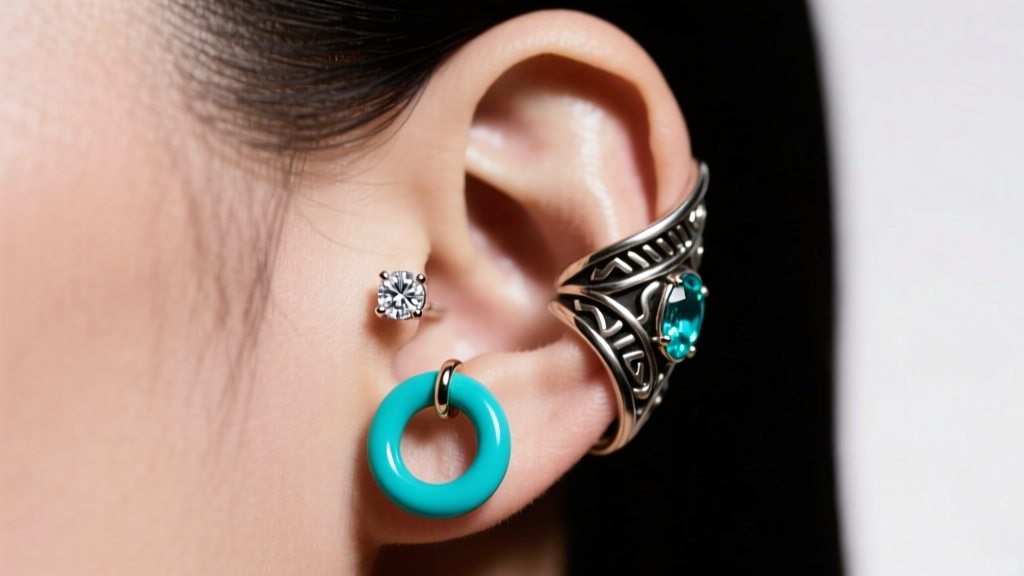
When fans and style enthusiasts search for kyrie irving earrings, they are rarely looking for a single, generic piece of jewelry. Over the years, the NBA superstar’s off-court style has evolved into a masterclass of eclectic curation. From his early days sporting classic, high-carat diamond solitaires to his recent integration of Southwestern turquoise, tribal motifs, and heritage silversmithing, Kyrie’s ear game represents a bridge between high-end streetwear and grounded, cultural artistry. As we move through 2026, the trend of mixing 'ice' with earthy, artisanal elements has become a dominant force in men's jewelry.
Recreating this aesthetic requires more than just buying expensive jewelry; it demands an understanding of ear anatomy, precise gauge sizing, and material metallurgy. This step-by-step guide will walk you through building a curated ear inspired by Kyrie Irving’s iconic look, ensuring your setup is both visually striking and anatomically safe.
Step 1: Mapping the Piercings (The Kyrie Layout)
You cannot achieve a layered, dynamic look without the proper piercing real estate. Kyrie typically favors a multi-lobe setup paired with strategic cartilage placements. The goal is to create a vertical flow that draws the eye upward without overcrowding the ear. Below is the foundational piercing map required to achieve this specific aesthetic.
| Piercing Placement | Standard Gauge Size | Recommended Jewelry Type | Average Healing Time |
|---|---|---|---|
| Standard Lobe | 18g or 16g (1.0mm - 1.2mm) | Bezel-set diamond stud or threadless labret | 6 to 8 weeks |
| Upper Lobe | 16g (1.2mm) | Small turquoise stud or 10mm clicker hoop | 8 to 12 weeks |
| Mid-Helix | 16g (1.2mm) | 12mm-14mm tribal motif hoop or cuff | 6 to 9 months |
| Tragus | 16g (1.2mm) | 3mm-4mm gemstone or subtle gold ball | 4 to 8 months |
Note: Always consult with a certified professional piercer to assess your specific ear anatomy. Not all ears have the necessary ridge depth for a tragus or the flat space for a mid-helix.
Step 2: Selecting the 'Ice' (Diamonds and White Gold)
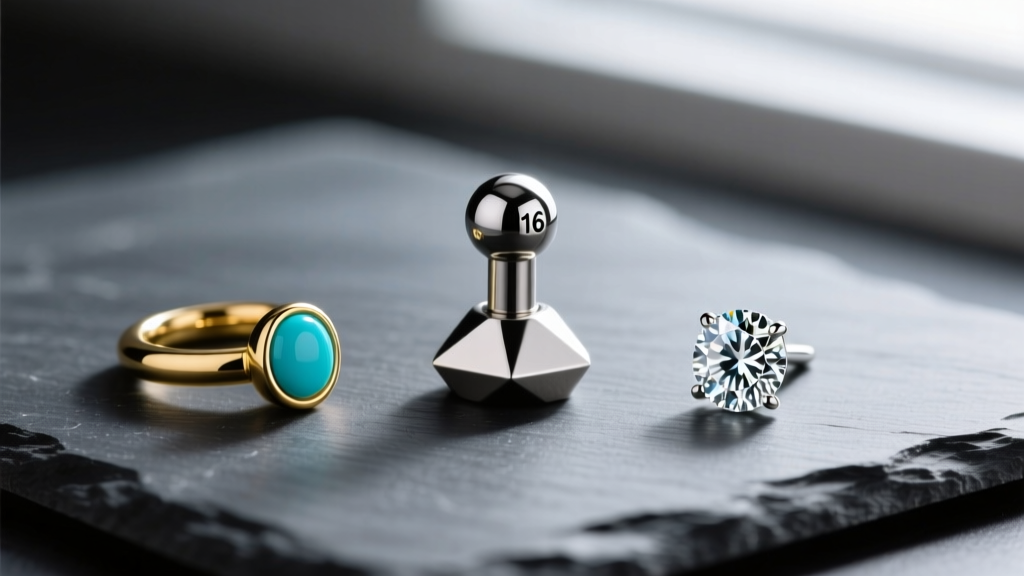
The foundation of the Kyrie Irving earrings aesthetic is the classic diamond lobe stud. However, the execution is where most people go wrong. To capture his specific vibe, you must pay attention to the setting and the carat weight.
Choosing the Right Setting
While prong settings allow maximum light to enter the diamond, they are prone to snagging on hoodies, headphones, and collars. For an active lifestyle or a sleek, modern streetwear look, opt for a bezel setting. A bezel setting encases the diamond's girdle in a thin rim of metal, providing a smooth profile that sits flush against the earlobe. Alternatively, a martini setting with three prongs offers a lower profile than the traditional four-prong basket while still showcasing the stone's brilliance.
Carat Weight and Proportions
Kyrie often wears diamonds that make a statement without overwhelming his facial features. For men's ear curation, the sweet spot for a single lobe stud is between 0.50 carats (approx. 5mm) and 0.75 carats (approx. 6mm) per ear. If you are doing a double-lobe setup, graduate the sizes: wear a 6mm diamond in the lower lobe and a 3mm or 4mm diamond (or a colored gemstone) in the upper lobe to create visual hierarchy.
Step 3: Integrating Earthy and Cultural Accents
What truly separates Kyrie’s style from standard athlete 'ice' is his incorporation of indigenous-inspired and Southwestern jewelry. Turquoise, oxidized silver, and intricate tribal engravings add a layer of depth and storytelling to his ear curation.
Sourcing Authentic Turquoise
The market is flooded with dyed howlite and reconstituted turquoise dust. If you want to replicate the authentic pieces seen on Kyrie, you must source genuine, stabilized turquoise from reputable mines like Sleeping Beauty or Kingman. According to the Gemological Institute of America (GIA), stabilization is an accepted industry practice that hardens the porous stone for jewelry use, but you must avoid entirely synthetic or dyed imitations which can leak color into your skin and cause irritation.
Metal Pairings for Cartilage
While the lobe gets the white gold and diamonds, the cartilage is the perfect canvas for 14k yellow gold or oxidized sterling silver. A 12mm 14k gold clicker hoop featuring a single, bezel-set turquoise cabochon perfectly bridges the gap between luxury and heritage craftsmanship. Ensure that any silver used is stamped '925' and is nickel-free, as nickel allergies are a primary cause of cartilage piercing rejection.
Step 4: Hardware, Gauges, and Threadless Technology
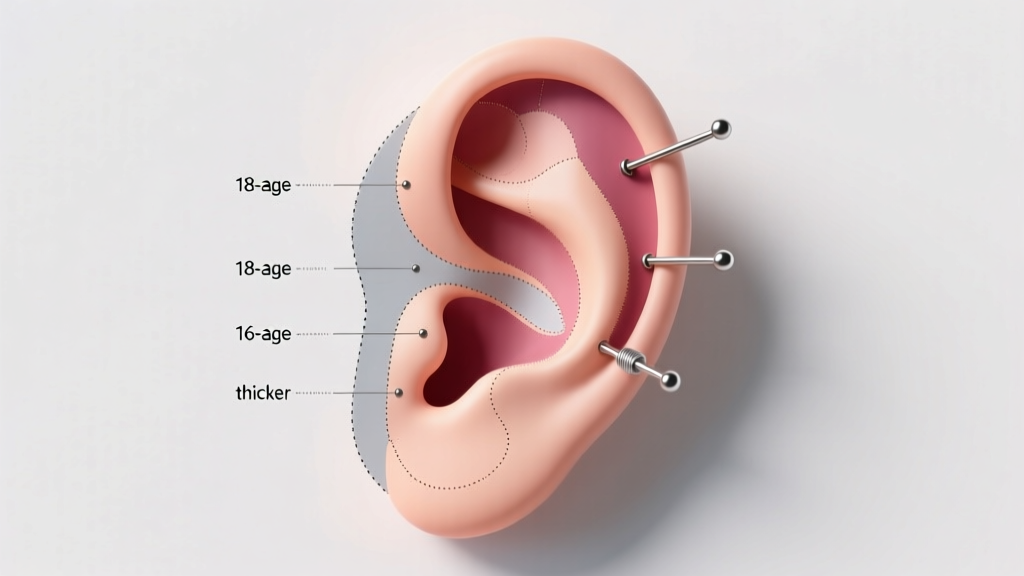
The jewelry you see on the outside is only half the equation; the hardware inside the ear dictates comfort and longevity. In 2026, the gold standard for high-end ear curation is threadless push-pin jewelry.
- Threadless (Push-Pin): Utilizes tension to hold the decorative end onto the post. This eliminates the microscopic threads that harbor bacteria and makes swapping out decorative tops incredibly easy without removing the base post from the piercing.
- Internally Threaded: If you prefer screw-in jewelry, ensure the threading is on the post, not the decorative end. Externally threaded jewelry acts like a cheese grater on your fistula (the piercing channel) every time you insert it.
- Material Grades: For fresh piercings or sensitive ears, the Association of Professional Piercers (APP) strictly recommends ASTM F-136 implant-grade titanium. Once fully healed, you can safely transition to 14k or 18k solid gold.
Step 5: Sourcing and Aftercare Protocol
Never use a piercing gun to achieve your layout. Piercing guns use blunt force trauma, causing micro-tears in the cartilage that can lead to severe swelling, keloids, and 'cauliflower ear.' Always visit an APP-certified piercer who uses single-use, sterilized hollow needles.
The 2026 Aftercare Standard
Forget the harsh alcohols and antibiotic ointments of the past. The modern protocol for healing cartilage and lobe piercings relies on sterile saline. According to the APP aftercare guidelines, you should spray the area 1-2 times daily with a sterile, preservative-free 0.9% sodium chloride wound wash. Let it air dry or gently pat it with non-woven gauze. Avoid cotton swabs, as the fibers can wrap around the jewelry post and cause irritation bumps.
Troubleshooting Common Curation Issues
Even with perfect planning, issues can arise when building a multi-piercing layout. Here is how to troubleshoot the most common problems:
- Irritation Bumps (Not Keloids): Often caused by sleeping on the fresh piercing or using jewelry posts that are too long. Have your piercer 'downsize' the post once the initial swelling subsides (usually around 3-4 weeks) to ensure the jewelry sits flush.
- Migration: If a surface piercing or tragus piercing appears to be moving closer to the edge of the skin, remove the jewelry immediately to prevent permanent scarring and rejection.
- Tarnished Silver: If your sterling silver tribal hoops begin to tarnish, clean them with a specialized silver polishing cloth. Never use liquid silver dips on jewelry that contains turquoise, as the harsh chemicals will ruin the porous gemstone.
Final Thoughts on the Kyrie Aesthetic
Mastering the kyrie irving earrings look is about embracing contrast. It is the tension between the flawless, light-reflecting precision of a VVS diamond and the raw, historical weight of a hand-cut turquoise stone. By mapping your piercings correctly, investing in threadless, implant-grade hardware, and respecting the healing process, you can build an ear curation that is as dynamic and culturally rich as the basketball icon himself.


