Styling Big Big Earrings: A Beginner-Friendly Guide
Learn how to style and wear big big earrings comfortably. Discover weight limits, supportive backings, and lobe care tips in our beginner guide.

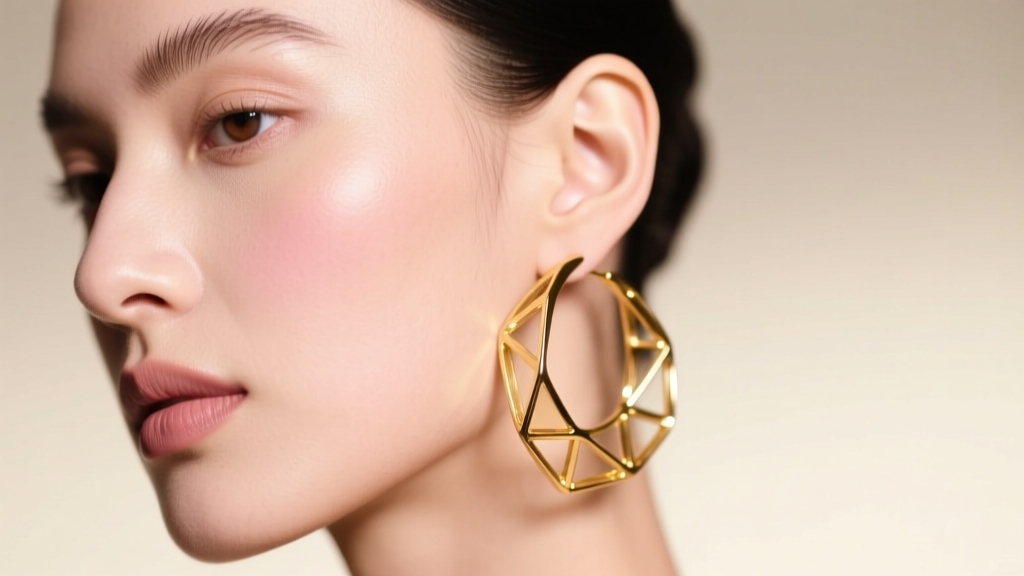
The world of statement jewelry is vast, but nothing quite commands a room like the big big earrings trend. Whether you are drawn to massive sculptural hoops, oversized resin drops, or dramatic chandelier styles, wearing large-scale earrings is an art form that requires more than just a confident stride. For beginners, the transition from standard studs to dramatic, face-framing statement pieces can be intimidating. How do you keep them from drooping? How do you avoid earlobe pain after a few hours?
This beginner-friendly explainer will walk you through the exact anatomy, materials, and hardware you need to wear oversized earrings comfortably and safely, ensuring your style remains the focal point—not your earlobe pain.
The Appeal of the 'Big Big' Earring Trend
Why are we so obsessed with oversized earwear? From a styling perspective, big big earrings act as natural face-framers. They draw the eye upward, accentuate the jawline, and can completely transform a minimalist outfit into a high-fashion look. In 2026, the trend has shifted away from heavily encrusted, rhinestone-laden designs toward bold, architectural shapes and fluid, molten-metal silhouettes.
However, the visual weight of these pieces often translates to physical weight. A standard stud earring weighs between 1 and 2 grams. In contrast, a large statement earring can easily weigh between 15 and 40 grams. Understanding how to manage this weight is the cornerstone of comfortable wear.
Understanding Earring Weight and Lobe Anatomy
Your earlobe is composed of areolar connective tissue and fat, lacking the rigid cartilage found in the upper ear. This makes it highly susceptible to stretching, a condition dermatologists and plastic surgeons refer to as earlobe ptosis. When you wear heavy earrings, gravity continuously pulls on the fistula (the healed piercing channel).
The Cheese-Cutter Effect
One of the most critical concepts for beginners to understand is the 'cheese-cutter effect.' Standard lobe piercings are typically done at 20-gauge (0.81mm) or 18-gauge (1.02mm). If you purchase a massive, heavy earring that utilizes a thin 22-gauge (0.64mm) wire to save on manufacturing costs, that thin wire will act exactly like a cheese wire slicing through butter. Over time, or even within a single day of heavy wear, it can cause micro-tears in the fistula, leading to permanent stretching or splitting.
Expert Rule of Thumb: For any earring weighing over 15 grams, ensure the post or wire is at least 18-gauge (1.02mm), but ideally 16-gauge (1.29mm) for maximum structural support. The Association of Professional Piercers emphasizes that thicker jewelry distributes weight more evenly across the tissue, drastically reducing the risk of migration and tearing.
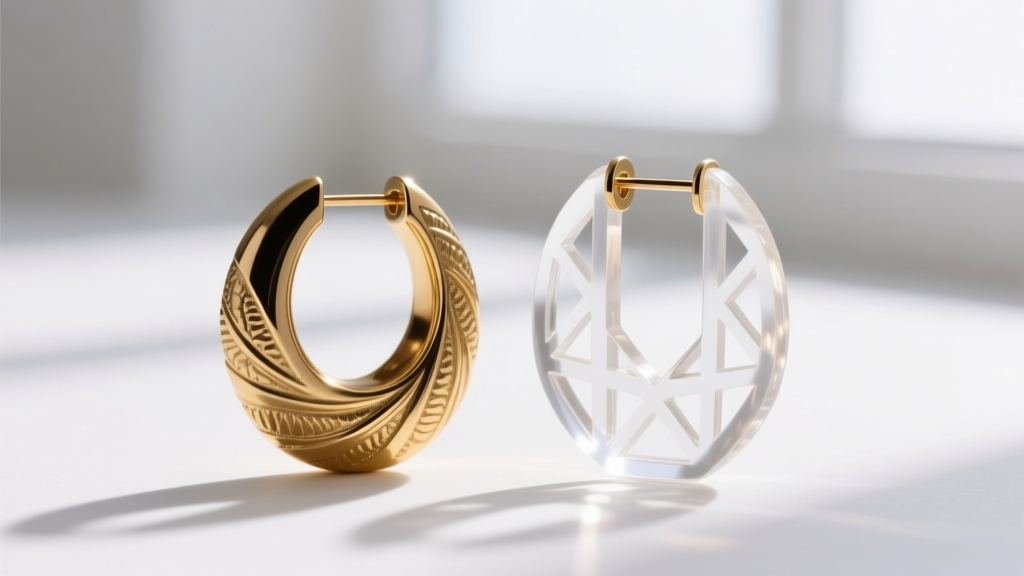
Material Matters: Choosing Lightweight Statement Pieces
If you want the look of big big earrings without the neck strain, material selection is your best defense. You do not have to sacrifice size for comfort if you choose the right mediums. Here is a breakdown of common materials used in oversized earrings and how they perform.
| Material | Avg. Weight (3-inch Hoop) | Pros | Cons |
|---|---|---|---|
| Solid Brass | 35-45g | Durable, affordable, great for casting | Very heavy, high risk of nickel allergies |
| Hollow 14k Gold | 8-12g | Hypoallergenic, luxurious, lightweight | Expensive, prone to denting if dropped |
| Cellulose Acetate | 4-6g | Extremely light, vibrant colors, durable | Can warp if left in extreme heat |
| Cast Resin | 10-15g | Versatile shapes, budget-friendly | Can yellow over time, heavier than acetate |
| Titanium (Grade 23) | 12-18g | Biocompatible, strong, modern aesthetic | Harder to find in massive statement sizes |
For beginners, cellulose acetate is the ultimate cheat code. It is the same material used in high-end eyeglass frames, offering incredible durability and a featherlight feel, allowing you to wear 4-inch hoops all day without fatigue.
The Hardware: Backings That Actually Support Heavy Earrings
The tiny metal butterfly clutch that comes standard with most earrings is entirely useless for big big earrings. It provides a surface area that is far too small, causing the earring to pivot forward and drag the top of your fistula downward. To keep oversized earrings sitting flush and proud against your face, you need to upgrade your hardware.
1. Jumbo Silicone Discs
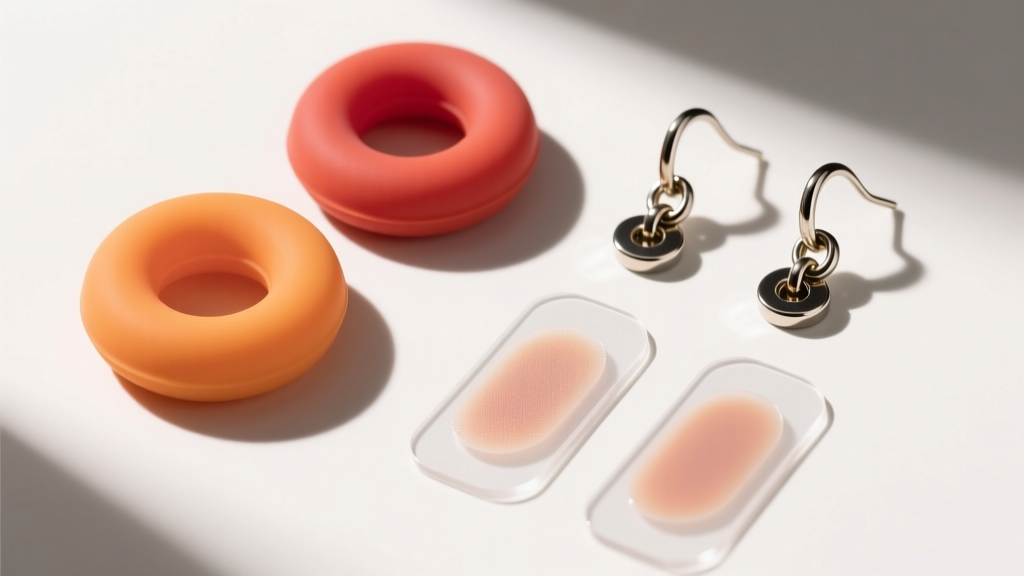
Swap out metal clutches for 10mm to 12mm flat silicone disc backs. The wide surface area distributes the weight of the earring across a broader section of the back of your earlobe, preventing the 'forward droop' that plagues heavy drops.
2. Adhesive Lobe Support Patches
Products like 'Lobe Wonder' are small, clear, adhesive patches with a pre-punched hole. You stick them to the back of your earlobe before inserting the earring. The patch acts as an exoskeleton for your ear, bearing the brunt of the weight and completely eliminating pulling on the piercing itself.
3. Locking Leverbacks or French Wires with Stoppers
For dangles and hoops, a secure locking leverback ensures the earring won't fall out if it gets caught in your hair. If you prefer French wires (fishhooks), always use a clear silicone stopper behind the ear to prevent the heavy piece from sliding off.
Troubleshooting Common 'Big Earring' Problems
Even with the right materials and backings, beginners may encounter a few hurdles. Here is how to troubleshoot the most common issues associated with large-scale earwear.
Problem: Contact Dermatitis and Itching
Heavy earrings cause friction, which compromises the skin barrier. If your earrings contain nickel or cheap alloys, this friction accelerates allergic reactions. According to the Mayo Clinic, nickel allergy is one of the most common causes of allergic contact dermatitis. The Fix: Always ensure the post or wire touching your skin is implant-grade titanium, niobium, or solid 14k/18k gold. Avoid 'gold-plated' brass for heavy pieces, as the friction will wear the plating away rapidly.
Problem: Earlobe Fatigue and Soreness
If your lobes feel tender, warm, or throbbing after wearing big big earrings, you have exceeded your tissue's load-bearing capacity for the day. The Fix: Practice 'earlobe conditioning.' Start by wearing your heavy statement pieces for just two hours at a time. Gradually increase the duration over several weeks to allow the connective tissue to adapt. Always give your lobes a 48-hour break between heavy wears, opting for lightweight huggies or studs on your 'rest days.'
Problem: The Earring Spins or Sits Crooked
This happens when the earring's center of gravity is poorly balanced, or the post is too thin for the piercing. The Fix: Use a slightly thicker post (16-gauge) to fill the fistula completely, reducing the room for the earring to pivot. Alternatively, use a small dab of clear nail polish on the post to create a custom, thicker friction-fit (ensure the polish is 100% dry before inserting).
Final Tips for First-Time Wearers
Embracing big big earrings is a fantastic way to elevate your personal style, but it requires a mindful approach to your body's limits. Always prioritize the gauge thickness of the wire, invest in wide-back silicone supports, and lean into ultra-lightweight materials like acetate or hollow metals when trying out dramatic new silhouettes. By respecting the physics of your jewelry and the anatomy of your earlobes, you can rock the boldest, most dramatic earrings of 2026 with absolute comfort and confidence.


