Style Guide: Healing an Infected Ear From Earring Reactions
Discover 2026 trends for styling a curated ear while treating an infected ear from earring reactions, featuring ASTM F136 titanium and threadless ends.

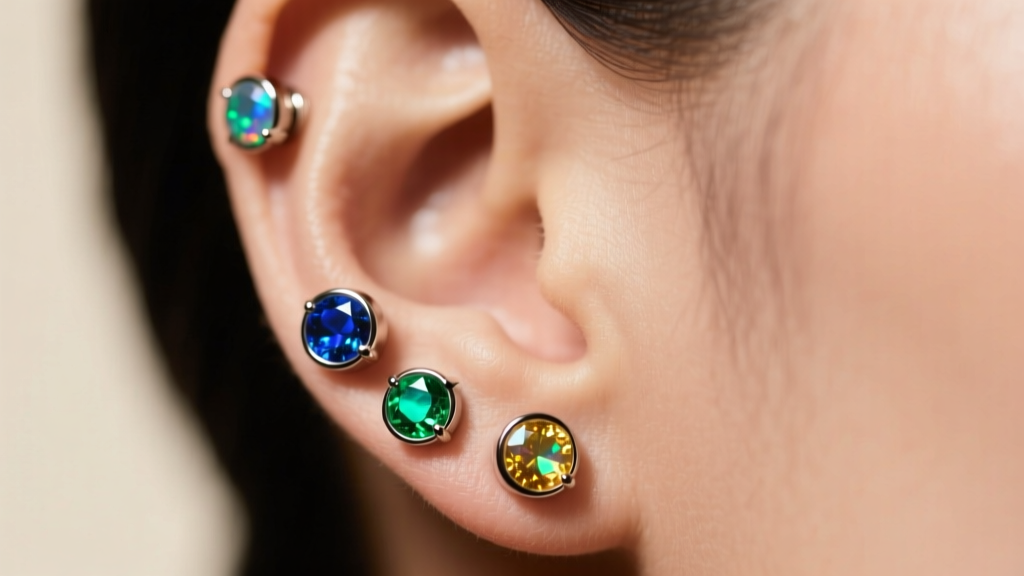
In the high-stakes world of ear curation, few things derail a meticulously planned aesthetic faster than a sudden, painful flare-up. Whether it stems from a nickel allergy, improper gauge sizing, or blunt-force trauma from sleeping on a fresh helix, treating an infected ear from earring complications is a universal frustration. However, the 2026 style landscape has shifted dramatically. We are no longer stripping our ears bare at the first sign of irritation. Instead, the 'Healing Curation' movement champions the use of hyper-specific, biocompatible metals and frictionless designs that allow you to maintain a high-fashion ear profile while your tissue recovers.
The 2026 Shift: Embracing the 'Healing Curation' Aesthetic
Historically, the standard advice for an irritated piercing was to remove the jewelry and let the hole close entirely. Today, leading piercers and jewelry designers recognize that abandoning a curated ear is unnecessary if the root cause is addressed. The modern approach focuses on swapping out reactive fashion jewelry for implant-grade alternatives that mimic high-end aesthetics without the biological tax. When you develop an infected ear from earring metals that contain nickel or cadmium, the tissue becomes hyper-reactive. The trend now is 'intentional minimalism'—using high-polish, bezel-set gems in threadless titanium to create a look that says you are healing, and doing it expensively.
Material Forensics: Why Your Ear Got Infected
To style safely, we must first understand the failure mode. An infected ear from earring reactions is rarely a true bacterial infection; more often, it is allergic contact dermatitis or a mechanical blowout. 'Surgical steel' (often 316L) is a massive culprit in the fashion jewelry space. While it is acceptable for surgical tools that are discarded or sterilized, it contains 8% to 10.5% nickel. When worn in a healing fistula, body heat and saline cause the nickel to leach, triggering an immune response that mimics infection with swelling, weeping, and redness.
| Material Grade | Nickel Content | Biocompatibility | Best Use Case |
|---|---|---|---|
| 316L Surgical Steel | 8 - 10.5% | Poor for healing | Fully healed lobes only |
| ASTM F136 Titanium | 0% | Excellent (Implant-grade) | Fresh piercings, irritated ears |
| Niobium (99.9%) | 0% | Excellent | Cartilage hoops, sensitive lobes |
| 14k/18k Solid Gold | Varies by alloy | Good (if nickel-free) | Long-term wear, healed ears |
| Plated / Filled | High (base metal) | Very Poor | Never for compromised ears |
According to the Association of Professional Piercers, only implant-grade materials like ASTM F136 titanium should be used in fresh or compromised tissue to prevent adverse reactions.
The Threadless Revolution: Styling Without the Friction
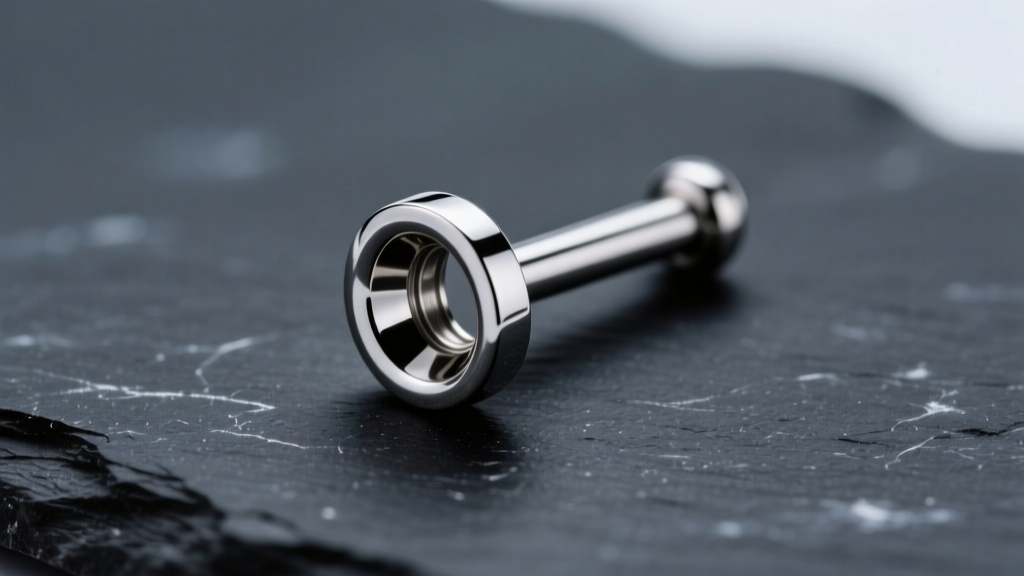
If you are nursing an infected ear from earring friction, the culprit is likely your jewelry's threading. Externally threaded jewelry (where the screw is on the post) acts like a cheese wire, tearing the delicate epithelial lining of the fistula every time you insert it. Internally threaded jewelry is better, but the 2026 gold standard for irritated ears is threadless (press-fit) jewelry.
Threadless systems, pioneered by high-end brands like Neometal and BVLA, use a slightly bent pin that creates tension inside a hollow post. This means zero threading, zero micro-tears, and a completely smooth insertion. You can swap out the decorative end—from a simple titanium bead to a 14k gold diamond cluster—without ever removing the post from your healing ear. This mechanical advantage is crucial for maintaining your curated look while eliminating the physical trauma that leads to an infected ear from earring changes.
Curating the 'Safe Ear': A Step-by-Step Style Framework
How do you build a cohesive look when half your ear is compromised? The secret lies in a capsule jewelry wardrobe that prioritizes tissue health while delivering maximum visual impact.
- The Anchor (Lobes): Swap to 14k solid gold or titanium seamless hoops (10mm-12mm). Avoid huggies with hinges, as the joint can trap bacteria and irritate the lobe during a flare-up.
- The Focal Point (Conch/Upper Lobe): Use a threadless titanium flat-back labret with a large, bezel-set lab-grown diamond (3mm-5mm). The flat back prevents sleeping pressure, while the bezel setting prevents prongs from catching on hair.
- The Minimalist (Helix): Downsize to a shorter post (5/16" or 1/4") in ASTM F136 titanium with a simple 2mm ball end. This reduces the 'snag factor' that causes cartilage bumps.
Gauge Sizing and the Blowout Effect
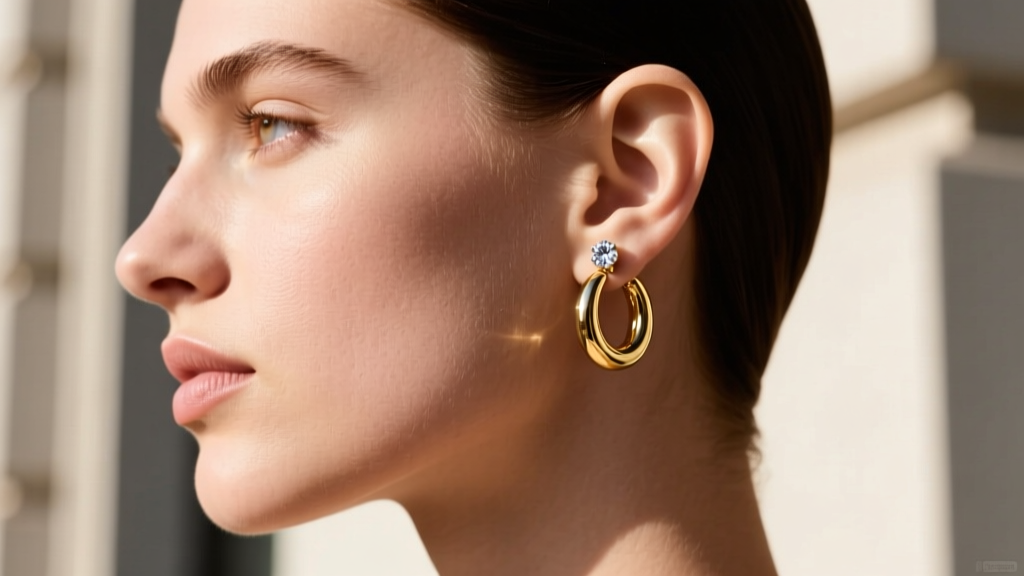
Another hidden cause of an infected ear from earring trauma is improper gauge sizing. The fashion jewelry industry frequently defaults to 20-gauge (0.8mm) or 22-gauge (0.6mm) posts for standard lobe and cartilage earrings. However, professional piercers universally recommend 16-gauge (1.2mm) or 14-gauge (1.6mm) for initial piercings and long-term cartilage health.
Wearing a thin 20-gauge wire in a 16-gauge hole creates a 'cheese-cutter' effect. The thin wire applies concentrated pressure to the bottom of the fistula, slowly migrating downward and causing micro-tears that invite bacteria. If you are experiencing persistent irritation in your lobes or helix, check your gauge. Upgrading to a thicker 16-gauge titanium post distributes the weight of the jewelry evenly, eliminating the mechanical stress that causes chronic inflammation.
True ear curation is an exercise in anatomy as much as aesthetics. If you ignore the biomechanics of the fistula, no amount of 14k gold will save you from chronic irritation.
Troubleshooting: When to Downsize and When to Remove
Not all irritation can be styled away. You must differentiate between a mechanical bump and a true bacterial infection. The American Academy of Dermatology notes that allergic contact dermatitis presents as itchy, red, and scaly skin, whereas a true infection involves throbbing pain, excessive heat, and yellow or green pus.
If your ear is simply swollen from a post that is too long, visit a professional piercer to 'downsize.' A standard initial helix piercing uses a 3/8" (10mm) post to accommodate swelling. Once the swelling subsides, leaving that long post in creates a lever effect; every time you brush your hair, you torque the jewelry, creating an angle that leads to an infected ear from earring migration. Downsizing to a 1/4" (6mm) or 5/16" (8mm) post stabilizes the fistula and allows the bump to flatten within days.
Final Thoughts on Sustainable Ear Styling
The era of sacrificing style for biological safety is over. By understanding the metallurgy of your jewelry and the biomechanics of your piercings, you can navigate the healing process without losing your aesthetic edge. Treat an infected ear from earring mishaps not as a failure, but as an opportunity to upgrade your collection to implant-grade, threadless masterpieces that will last a lifetime.


