Styling Pink and Blue Earrings: A Beginner's Guide
Discover how to style pink and blue earrings with our beginner's guide. Learn about gemstone pairings, gauge sizes, and skin tone matching.

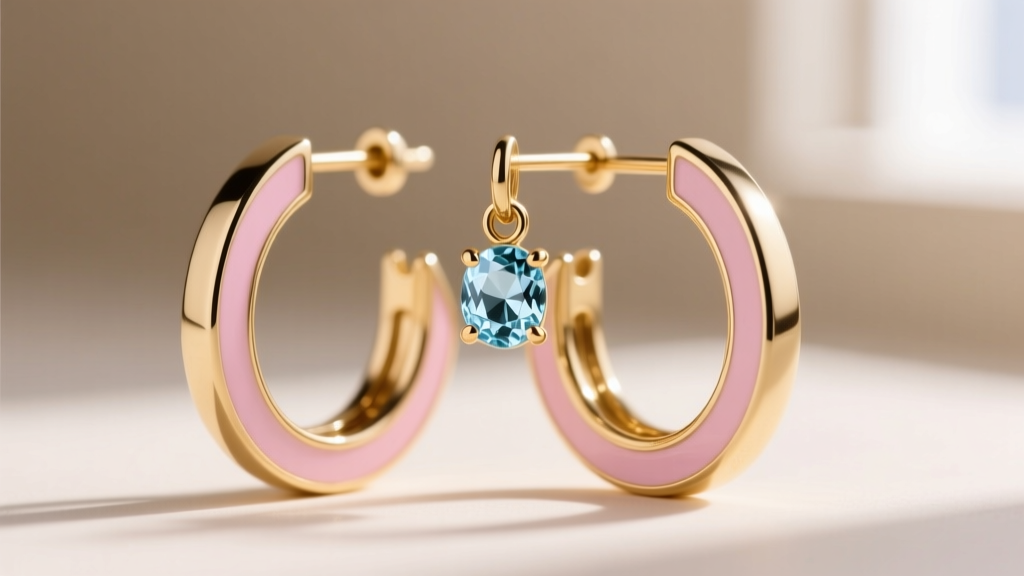
When it comes to building a versatile and expressive jewelry wardrobe, color theory plays a pivotal role. As we navigate the jewelry landscape in 2026, dual-tone pieces have moved from niche artistry to mainstream staples. Specifically, pink and blue earrings offer a striking visual contrast that balances warmth and coolness, making them an incredibly dynamic choice for both new collectors and seasoned enthusiasts. Whether you are looking at delicate enamel studs or vibrant gemstone drops, understanding how these two hues interact with your skin tone, piercing anatomy, and personal style is essential.
This beginner-friendly explainer will demystify the process of selecting, styling, and caring for pink and blue earrings. We will dive deep into material grades, exact gauge sizing, and gemological properties to ensure your next purchase is both beautiful and anatomically sound.
The Color Theory Behind Pink and Blue Pairings
On the traditional color wheel, pink (a tint of red) and blue sit in a split-complementary relationship. This means they offer high contrast without the intense visual vibration of direct opposites like red and green. When paired in jewelry, the blue grounds the design with cool, receding tones, while the pink advances, drawing the eye with its warm, energetic undertones.
For beginners, the key to pulling off this combination is balancing the saturation and value of the colors. Pairing a pastel baby blue with a soft blush pink creates a harmonious, ethereal look ideal for daytime wear. Conversely, pairing a deep navy sapphire with a vivid magenta tourmaline creates a bold, high-drama aesthetic perfect for evening styling.
Decoding the Materials: Enamel vs. Gemstones
The medium through which your pink and blue colors are presented drastically affects the price, durability, and care requirements of your earrings. Let us break down the two most common methods.
Cold Enamel vs. Vitreous Enamel
Enamel jewelry is experiencing a massive resurgence, but not all enamel is created equal. Cold enamel is essentially a pigmented epoxy resin that cures at room temperature. It is highly affordable ($30–$80 per pair) and allows for crisp, opaque blocks of pastel pink and sky blue. However, it ranks low on the Mohs hardness scale (around 2.5) and can scratch or yellow over time if exposed to UV light and cosmetics.
Vitreous enamel, on the other hand, is finely ground glass fused to a metal base (usually 18k gold or sterling silver) in a kiln at temperatures exceeding 1400°F. This process yields a translucent, jewel-toned finish that is highly resistant to scratching (Mohs 5-6) and will never fade. Vitreous pink and blue enamel earrings are an investment, typically starting around $250 and reaching well over $1,000 for artisan pieces.
Gemstone Pairings and Hardness Disparities
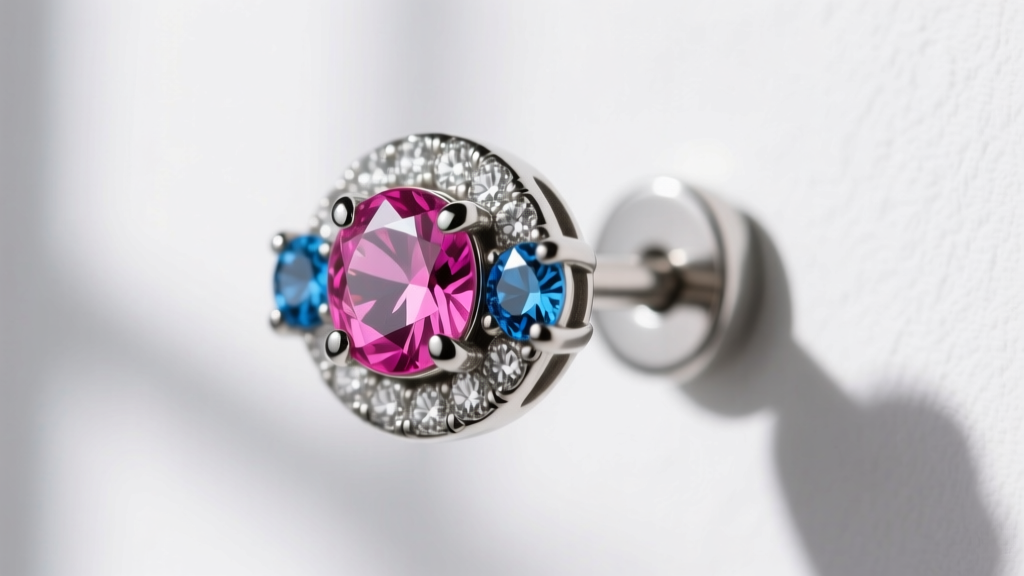
If you prefer the natural brilliance of gemstones, pairing pink and blue stones requires an understanding of mineral hardness. A common beginner mistake is setting a soft stone next to a hard one in a shared bezel, leading to severe abrasion over time.
| Gemstone Pairing | Mohs Hardness | Estimated Price Range (per carat) | Best Piercing Placement |
|---|---|---|---|
| Pink Tourmaline & Blue Sapphire | 7-7.5 vs 9 | $150-$400 / $300-$1,200 | Standard Lobe (Studs) |
| Morganite & Aquamarine | 7.5-8 vs 7.5-8 | $100-$300 / $150-$400 | Cartilage / Helix |
| Pink CZ & Blue Topaz | 8-8.5 vs 8 | $10-$30 / $20-$60 | Everyday Huggies |
As noted by the Gemological Institute of America (GIA), pink tourmaline is notorious for internal inclusions and tension fractures. If set directly against a blue sapphire (which is a 9 on the Mohs scale and exceptionally hard), the sapphire will eventually grind down the tourmaline's polish. Always ensure your jeweler uses separate prongs or a dividing metal bar between disparate stones.
Matching Pink and Blue to Your Skin Undertone
Color analysis is a cornerstone of jewelry styling. The undertone of your skin dictates which shades of pink and blue will make your complexion glow versus looking washed out.
- Cool Undertones (Veins appear blue/purple): Opt for icy, jewel-toned combinations. Think fuchsia pink paired with royal blue sapphire, or cool magenta with icy aquamarine. Silver, white gold, and platinum settings will enhance these crisp hues.
- Warm Undertones (Veins appear green/olive): Choose earthy, muted, or coral-based shades. A peachy-pink coral paired with a warm teal or turquoise blue is exceptionally flattering. Yellow gold or rose gold settings will bridge the gap between the warm metals and the gemstones.
- Neutral Undertones (Veins appear blue-green): You have the flexibility to wear almost any iteration. Dusty rose pink combined with slate blue enamel offers a sophisticated, modern look that works beautifully in mixed-metal settings.
Piercing Placements, Gauge Sizing, and Anatomy
A beautiful pair of pink and blue earrings will only look good if it fits your anatomy correctly. According to the Association of Professional Piercers (APP), wearing the correct gauge and material is critical for long-term tissue health, especially in cartilage.
Standard Lobe vs. Cartilage Sizing
Most standard lobe piercings done with a gun or standard needle are 20-gauge (0.81mm) or 18-gauge (1.02mm). If you are buying pink and blue enamel huggies or lightweight drop earrings for your lobes, 18g is the industry standard for durability; 20g wire can easily bend out of shape when putting on heavier gemstone drops.
For upper ear placements like the helix, forward helix, or conch, the standard is 16-gauge (1.29mm) or 14-gauge (1.60mm). If you are purchasing a pink and blue threadless end for a cartilage piercing, ensure the backing post is implant-grade titanium (ASTM F-136). Titanium is non-reactive and essential for cartilage, which heals slower and is more prone to hypertrophic scarring than lobe tissue.
Care and Maintenance for Dual-Tone Pieces
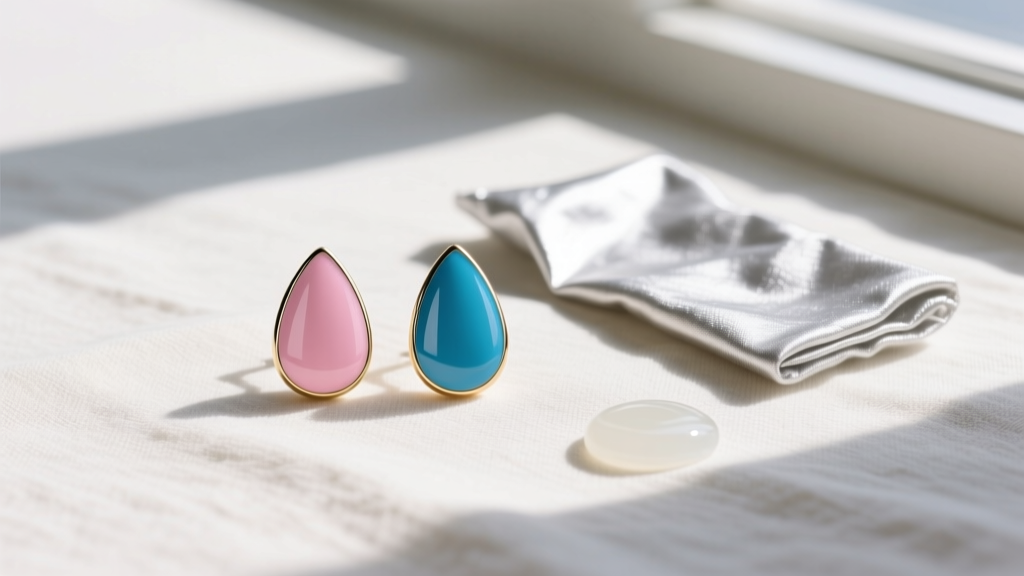
Maintaining the vibrancy of dual-tone earrings requires specific cleaning protocols. The biggest mistake beginners make is tossing all their jewelry into an ultrasonic cleaner.
Expert Warning: Never use ultrasonic cleaners or steam cleaners on cold enamel, as the high-frequency vibrations will shatter the resin bond, causing the pink and blue pigments to flake off the metal base. Furthermore, ultrasonic waves can fracture treated blue topaz and heavily included pink tourmaline.
Instead, create a gentle cleaning solution using lukewarm water and a few drops of pH-neutral dish soap (like Dawn). Use a baby-soft toothbrush to gently sweep away sebum and lotion buildup from behind the gemstone settings. For vitreous enamel, a quick wipe with a microfiber cloth will restore its glass-like luster without the risk of chemical degradation.
Final Thoughts on Building Your Collection
Styling pink and blue earrings is an exercise in balancing contrast, material integrity, and personal anatomy. By understanding the Mohs hardness of your chosen gemstones, respecting the gauge requirements of your specific piercings, and selecting hues that complement your skin's undertones, you can curate a collection that is as technically sound as it is visually stunning. Start with a versatile pair of 18g pastel enamel huggies for daily wear, and gradually invest in vitreous enamel or precision-set semi-precious stones as your confidence and collection grow.


