Beginner Guide to Koppu Earrings: Styling Traditional Kemp Jewelry
Discover everything about traditional Koppu earrings. This beginner guide covers Kemp stone grades, weight management, styling, and temple jewelry care.

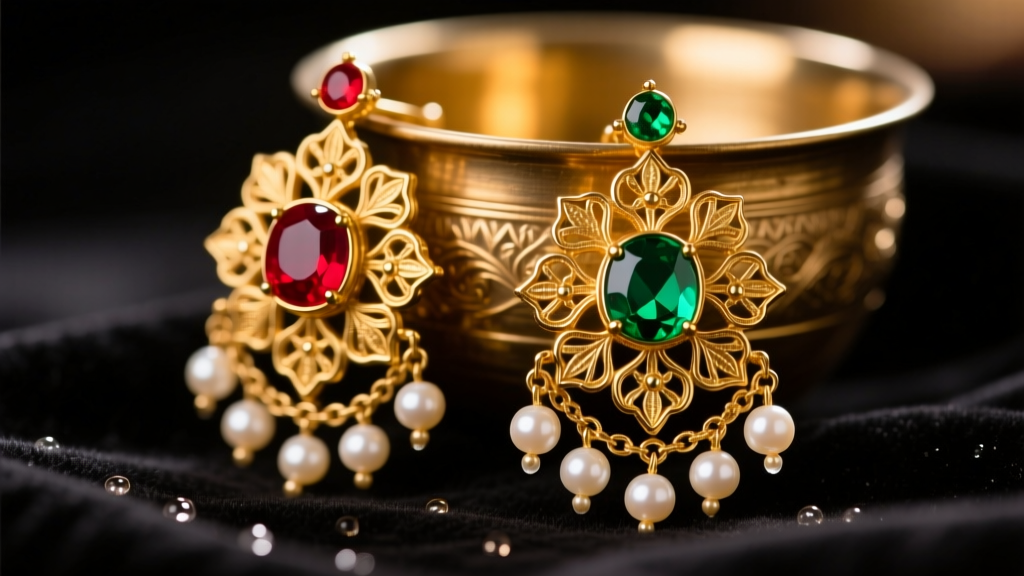
When exploring the rich heritage of South Indian temple jewelry, few pieces command as much attention as Koppu earrings. Characterized by their signature inverted dome shape and vibrant, uncut gemstone aesthetics, Koppus are a staple in bridal trousseaus and classical Bharatanatyam dance costumes. However, for beginners transitioning from lightweight modern studs to traditional heritage pieces, the sheer weight, intricate craftsmanship, and specific care requirements of Koppu earrings can be overwhelming.
This comprehensive beginner’s guide breaks down the anatomy of Koppu earrings, explains the material grades you will encounter in the market, and provides actionable, expert-level advice on managing their weight and preserving their vibrant Kemp stones. Whether you are investing in solid 22-karat gold or buying gold-plated brass for a single festive event, understanding these nuances will protect both your investment and your earlobes.
The Anatomy of Temple Jewelry: What Defines a Koppu?
The term "Koppu" translates roughly to "dome" or "bud" in Tamil and Kannada. Unlike standard Jhumkas, which are typically bell-shaped and hollow, a traditional Koppu earring features a solid or semi-solid dome base that is heavily encrusted with stones. The defining feature of authentic Koppu jewelry is the use of Kemp stones—uncut, flat-backed glass or crystal cabochons that are foil-backed and set into gold using a resinous lacquer called lac.
Understanding Kemp Stones and Foil Backing
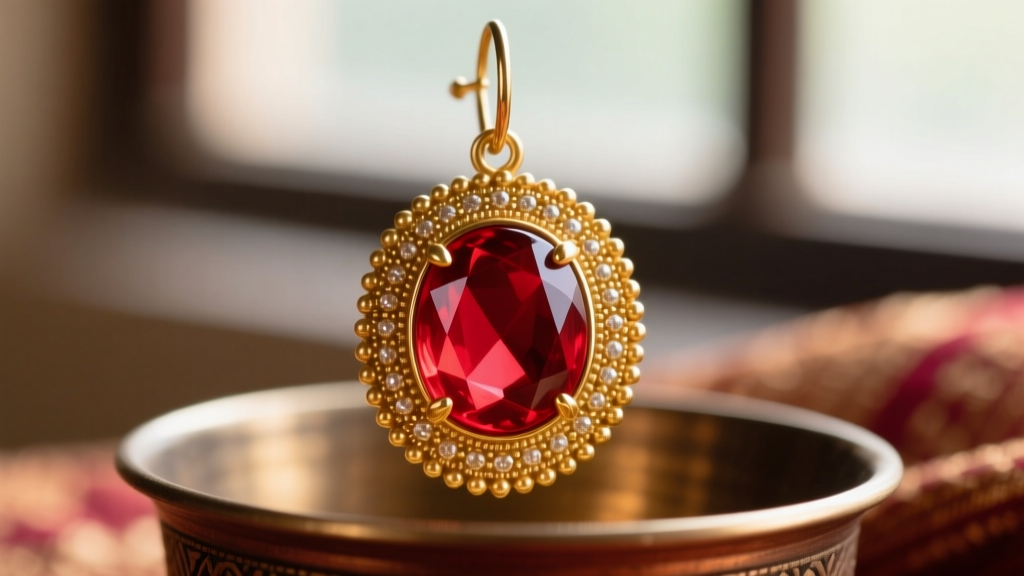
According to the GIA Gem Encyclopedia, historical Indian jewelry often utilized foil-backed glass or quartz to simulate the deep, saturated colors of rubies and emeralds. In Koppu earrings, red and green Kemp stones are the most prevalent. The colored foil placed behind the glass cabochon reflects light back through the stone, creating a brilliant, jewel-like glow. Because these stones are not prong-set but rather glued into the gold bezel with heated lac, they require highly specialized care to prevent the stones from popping out or the foil from tarnishing.
Material Grades and Pricing: A Buyer’s Comparison
Walking into a jewelry boutique or browsing online heritage stores can yield wildly different price tags for what looks like the exact same Koppu earring. The variance comes down to the base metal, the gold plating thickness, and the origin of the Kemp stones. Below is a structured breakdown to help you set a realistic budget.
| Material Grade | Base Metal & Plating | Stone Quality | Estimated Price Range (USD) | Best Use Case |
|---|---|---|---|---|
| Solid Heritage | 22k Solid Gold | Natural Polki, Ruby, Emerald | $2,500 - $10,000+ | Generational heirlooms, high-end weddings |
| Premium Temple | Brass with 2-3 Micron 22k Gold Plating | High-grade Kemp glass, freshwater pearls | $80 - $180 | Bridal parties, frequent festive wear |
| Costume Alloy | Zinc Alloy with flash gold plating | Synthetic resin stones, plastic pearls | $15 - $45 | One-time events, dance recitals, cosplay |
Expert Tip: If you are buying premium temple jewelry, ask the jeweler about the plating thickness. A minimum of 1.5 to 2 microns of gold plating is required to prevent the brass underneath from oxidizing and turning your skin green within a few wears.
Managing the Weight: Comfort Hacks for Heavy Domes
The most common failure mode for beginners wearing Koppu earrings is earlobe tearing or severe stretching. A standard pair of premium brass Koppu earrings can weigh between 35 to 60 grams per ear. For context, a standard earlobe piercing can comfortably support about 10 to 15 grams before experiencing fatigue and pain. Furthermore, traditional Indian earrings often feature thicker screw-backs or custom hooks (usually 16-gauge or 14-gauge), which can irritate modern 20-gauge or 18-gauge piercings.
Three Essential Weight-Distribution Techniques
- The Maatal (Ear Chain): This is the most traditional and effective method. A Maatal is a delicate gold or gold-plated chain that attaches to the top hook of the Koppu earring and wraps over the ear, fastening into your hair. This transfers up to 70% of the earring's weight from the lobe to the cartilage and hair.
- Silicone Earlobe Support Patches: For a modern, invisible solution, apply medical-grade silicone earlobe support patches behind the ear. These adhesive pads distribute the pressure of the heavy nut or screw-back across a wider surface area, preventing the "cheese-cutter" effect that leads to stretched piercings.
- Thread Tying (Sutra Method): If your Koppus feature a top loop (common in Bharatanatyam dance sets), use a piece of matching silk thread to tie the top of the earring directly to the hair or a secondary cartilage piercing. This completely bypasses the earlobe for weight-bearing.
Styling Koppu Earrings: Balancing Proportions
Because Koppu earrings are visually heavy and physically substantial, they dictate the balance of your entire look. The Victoria and Albert Museum's archives on Indian Jewelry highlight how temple jewelry was historically designed to complement the rich, heavy silk textiles of South India, such as Kanjeevaram sarees.
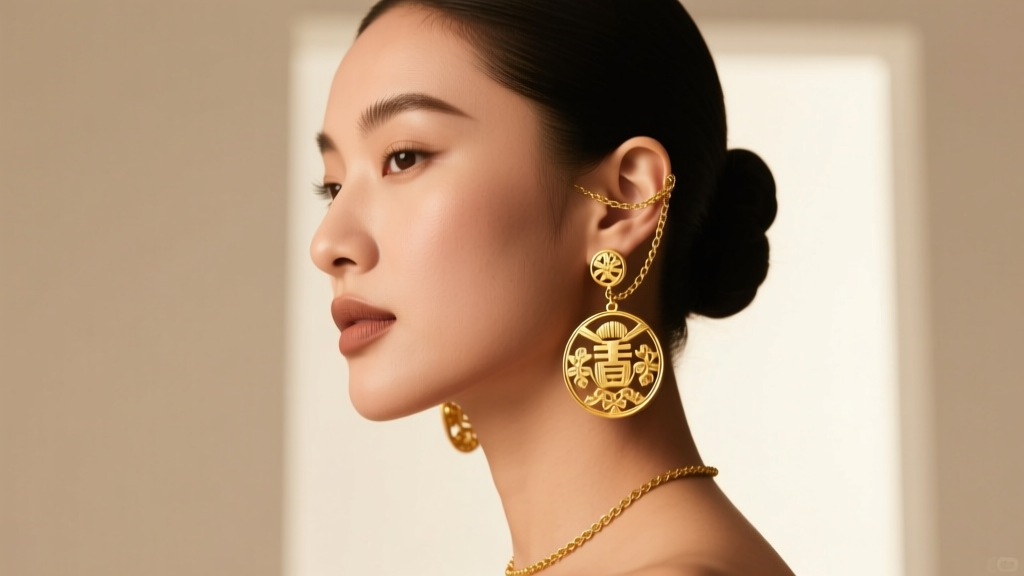
"When wearing statement Koppu earrings, the golden rule of proportion is to keep the neckline bare. Opt for a deep V-neck or a sweetheart neckline blouse, and skip the heavy choker or short necklace. Let the dome of the Koppu frame the jawline without competing with collarbone jewelry."
Adapting for Indo-Western Silhouettes
You do not need to wear a traditional silk saree to rock Koppu earrings. They pair stunningly with contemporary Indo-western fusion wear. Try styling a medium-sized, lightweight alloy Koppu with a crisp white button-down shirt and a structured blazer. The contrast between the ancient, ornate gold-and-red aesthetic and modern, minimalist tailoring creates a striking, high-fashion editorial look. Just ensure the Koppu size does not extend more than an inch below the jawline when wearing Western corporate or fusion attire.
Cleaning and Storing: Preserving the Lac and Foil
The biggest mistake beginners make with Kemp jewelry is treating it like modern diamond or plain gold jewelry. Never use ultrasonic cleaners, liquid jewelry dips, or even a damp cloth on Koppu earrings. Moisture will seep under the glass cabochon, ruin the reflective foil backing, and dissolve the natural lac resin holding the stone in place.
The Dry-Clean Protocol
- Dust Removal: Use a brand-new, ultra-soft baby toothbrush to gently sweep dust out of the intricate gold granulation and pearl settings.
- Polishing the Gold: Use a dry, untreated microfiber jewelry cloth to gently buff the exposed gold or gold-plated areas. Do not use treated polishing cloths (like Sunshine cloths) on the Kemp stones, as the mild abrasives can scratch the glass.
- Pearl Care: If your Koppus feature dangling freshwater pearls or synthetic moti, wipe them gently with a dry cotton swab. Pearls are highly porous and will absorb oils and perfumes, leading to yellowing over time.
Long-Term Storage Solutions
Store your Koppu earrings in individual, airtight ziplock bags to prevent the brass or alloy base from oxidizing in humid environments. Place a small silica gel packet and an anti-tarnish strip inside the bag. Always lay them flat in a padded jewelry box; hanging heavy Koppu earrings on standard jewelry trees will bend the thick hooks and put undue stress on the pearl strings.
Final Thoughts on Investing in Temple Jewelry
Koppu earrings are more than just accessories; they are wearable art that connects the wearer to centuries of South Indian craftsmanship. By understanding the delicate nature of foil-backed Kemp stones, investing in proper weight-distribution tools like the Maatal, and adhering to a strict dry-cleaning regimen, you can ensure your temple jewelry remains vibrant and structurally sound for decades. Whether you choose a solid 22k gold heirloom or a beautifully crafted brass replica, wearing Koppus with confidence starts with knowing exactly how to care for and carry them.


