Supreme Earrings: Decoding the 2026 Hype-Fine Jewelry Trend
Explore the 2026 supreme earrings trend where streetwear hype meets high jewelry. Discover material grades, gauge sizes, and styling frameworks.

The Genesis of Hype-Fine: What Are Supreme Earrings?
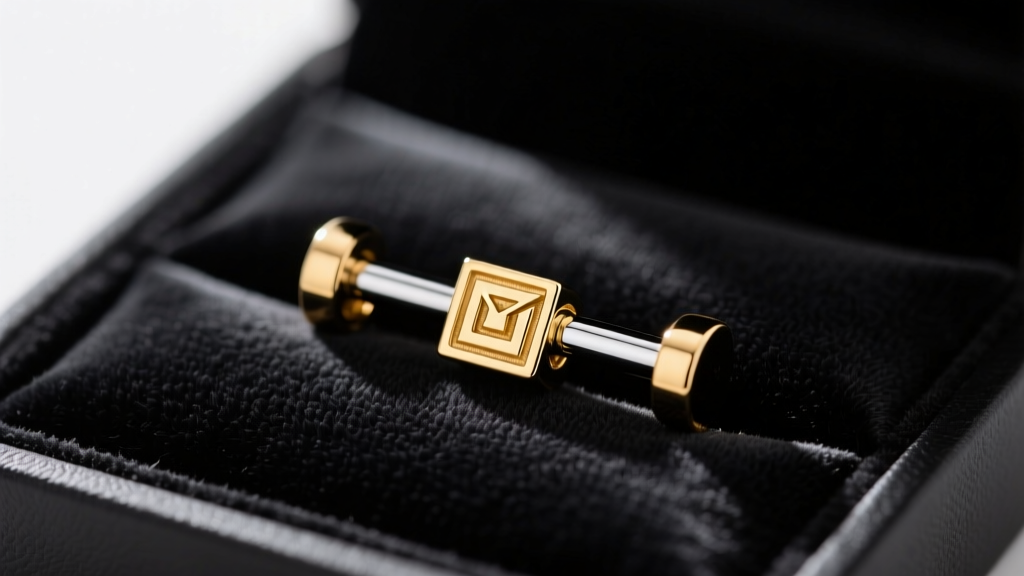
The intersection of skate culture and high jewelry is no longer a fleeting anomaly; it is the defining luxury movement of 2026. When we discuss 'supreme earrings' in the modern style lexicon, we are referring to the apex of the hype-fine jewelry trend—a category where the exclusivity, industrial motifs, and bold branding of streetwear giants like Supreme are reimagined through the lens of Place Vendôme craftsmanship. What began with groundbreaking collaborations, such as the legendary Tiffany & Co. x Supreme collection, has evolved into a permanent stylistic pillar. Today, supreme earrings are characterized by their juxtaposition of raw, utilitarian hardware silhouettes with ultra-premium materials like D-flawless diamonds, 18k recycled gold, and anodized titanium.
This trend caters to a demographic that views jewelry not merely as an accessory, but as a liquid asset and a cultural signifier. The aesthetic relies heavily on mixed metals, oxidized finishes, and oversized structural elements that mimic industrial fasteners, carabiners, and skate hardware. However, executing this look requires a deep understanding of metallurgy and ear biomechanics, as the weight and gauge of these pieces demand specialized piercing protocols.
Material Breakdown: Industrial Hardware Meets Precious Metals
True hype-fine jewelry relies on materials that can withstand the rigors of an active, streetwear-oriented lifestyle while maintaining intrinsic luxury value. Below is a technical breakdown of the primary materials used in 2026's supreme earring collections.
| Material Grade | Aesthetic Role | Durability & Biocompatibility | Price Range (Per Pair) |
|---|---|---|---|
| ASTM F136 Titanium (Anodized) | Gunmetal, dark purple, or matte black industrial finishes. | 100% biocompatible, ideal for fresh cartilage piercings, lightweight. | $150 - $450 |
| 316L Surgical Steel (PVD Coated) | Distressed silver, raw hardware looks. | Highly durable, but contains trace nickel; not for healing piercings. | $80 - $250 |
| 18k Recycled Yellow Gold | Classic luxury contrast against streetwear fabrics. | Soft metal; prone to scratching if worn during skating or sports. | $1,200 - $4,500 |
| Black Rhodium over 18k White Gold | High-contrast, oxidized 'skated-in' dark luxury aesthetic. | Rhodium wears off over time, revealing white gold (a desired patina). | $3,000 - $8,500+ |
The use of black rhodium is particularly notable in the supreme earrings category. Unlike traditional fine jewelry, where wear and tear is viewed as damage, the gradual fading of black rhodium to reveal the white gold beneath is embraced as a 'distressing' process, giving the piece a vintage, lived-in streetwear authenticity. For those with sensitive skin, the Gemological Institute of America (GIA) consistently recommends avoiding base metals in favor of high-karat gold or implant-grade titanium to prevent contact dermatitis, a common failure mode in heavy, friction-prone earring styles.
Sizing, Gauges, and Biomechanical Realities
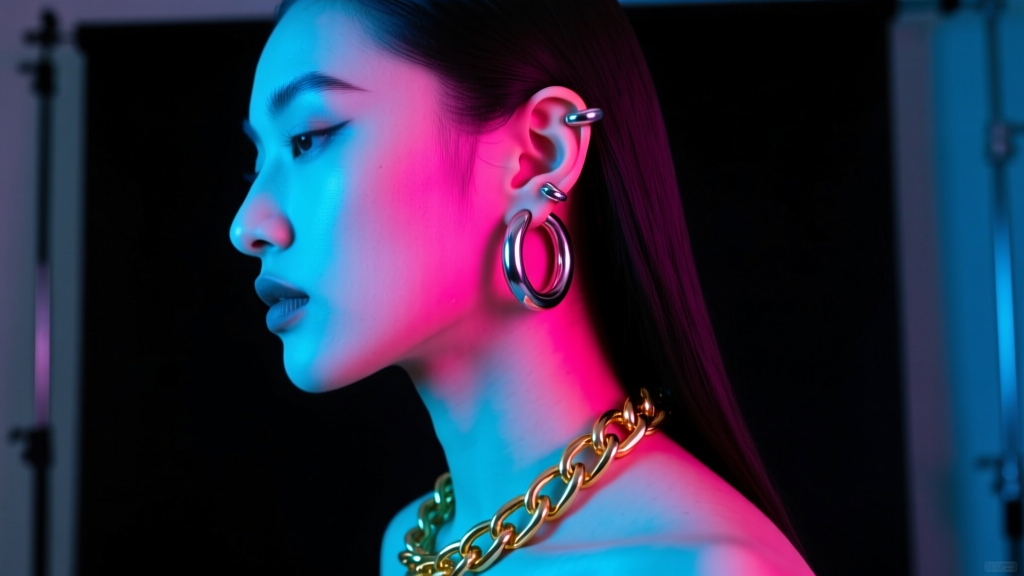
The most critical mistake enthusiasts make when adopting the supreme earring aesthetic is ignoring gauge thickness and weight distribution. Streetwear-inspired earrings often feature heavy curb chains, oversized box-logo motifs, and solid metal barbell structures. A standard 20-gauge (0.8mm) or 18-gauge (1.0mm) lobe piercing will inevitably suffer from the 'cheese-cutter effect'—a biomechanical failure where the thin wire slices through the earlobe tissue under the weight of the jewelry.
The 14-Gauge Minimum Rule
For any earring exceeding 8 grams in weight, a 14-gauge (1.6mm) or 12-gauge (2.0mm) post is mandatory. This thickness distributes the kinetic load across a wider surface area of the fistula (the piercing canal), preventing lobe migration and tearing. Furthermore, the backing mechanism must be reevaluated. Traditional butterfly friction backs are entirely unsuitable for hype-fine drops; they slip under lateral pressure. Instead, 2026's premium industrial earrings utilize internally threaded flat-back labret posts or specialized silicone O-rings that lock the heavy face of the earring flush against the earlobe, ensuring both security and a clean, architectural silhouette.
The 2026 Styling Framework: How to Wear Industrial-Luxury Drops
Styling supreme earrings requires a deliberate departure from traditional symmetry and matched sets. The goal is to curate an ear curation that looks collected, slightly chaotic, and deeply personal. Here is the definitive styling framework for the hype-fine aesthetic:
- Calculated Asymmetry: Pair a heavy, 18k gold industrial barbell in the left helix with a cluster of micro-pave diamond box-logo studs in the right lobe. The imbalance creates visual tension that is central to streetwear styling.
- The High-Low Mix: Combine a $10,000 limited-edition collaboration piece with a $40 raw brass hardware store washer modified into a cartilage hoop. This subversion of value is the core ethos of the Supreme brand and its stylistic descendants.
- Fabric Pairing: Hype-fine earrings demand heavyweight textiles to balance their visual mass. Pair oversized gold drop earrings with 400gsm cotton hoodies, distressed denim, or structured leather jackets. Delicate fabrics like silk or fine merino wool will clash with the industrial weight of the jewelry and can be physically damaged by heavy metal clasps.
- Hardware Echoing: Match the metal finish of your earrings to other functional hardware on your person—such as the zipper pulls on a technical shell jacket, the aglets of your sneaker laces, or the clasp of a heavyweight Cuban link chain.
Investment Value: Do Hype Earrings Hold Their Price?
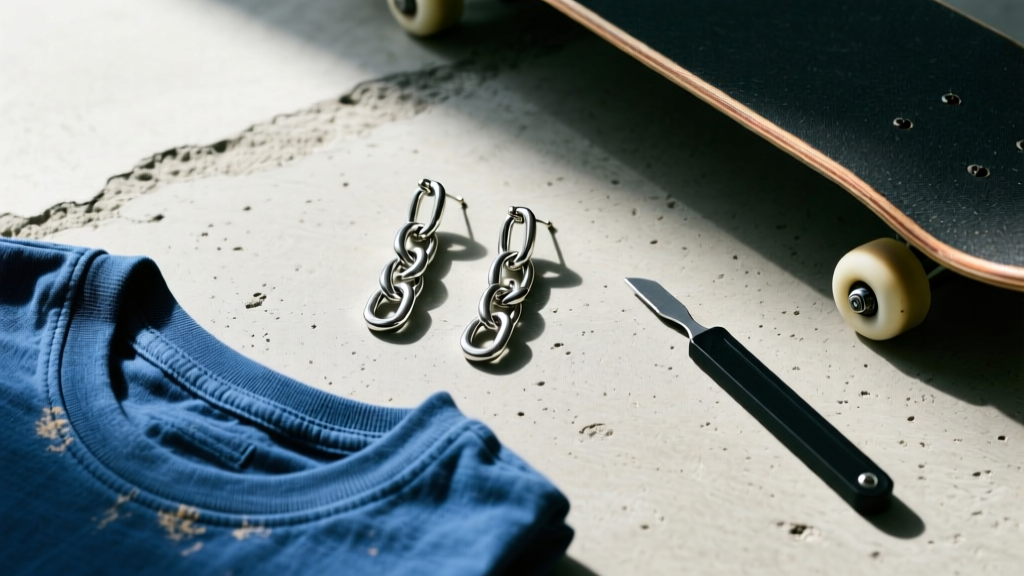
When dropping upwards of $5,000 on a pair of limited-run supreme earrings, buyers are inevitably thinking about the secondary market. Unlike traditional diamond studs, which depreciate the moment they leave the boutique, hype-fine jewelry operates on a scarcity model similar to limited-edition sneakers or mechanical watches.
Limited collaboration pieces—particularly those featuring co-branding between heritage jewelers and streetwear monoliths—frequently appreciate by 30% to 150% on platforms like StockX and specialized jewelry auction houses. However, permanent 'hype-style' collections produced in unlimited quantities by standard luxury houses do not hold this premium. To maximize investment value, collectors must focus on pieces with verifiable serial numbers, original 'grail' packaging (such as the iconic red Supreme-branded leather jewelry boxes), and unique material combinations that are retired after a single seasonal drop. Ultimately, supreme earrings represent a paradigm shift where the cultural capital of streetwear is permanently forged into the enduring value of precious metals.


