How to Choose Pearl Clip Earrings: Expert Buying Guide
Discover how to choose the perfect pearl clip earrings. Our expert guide covers clasp mechanisms, pearl grades, comfort engineering, and pricing.

The Resurgence of Non-Pierced Pearl Jewelry
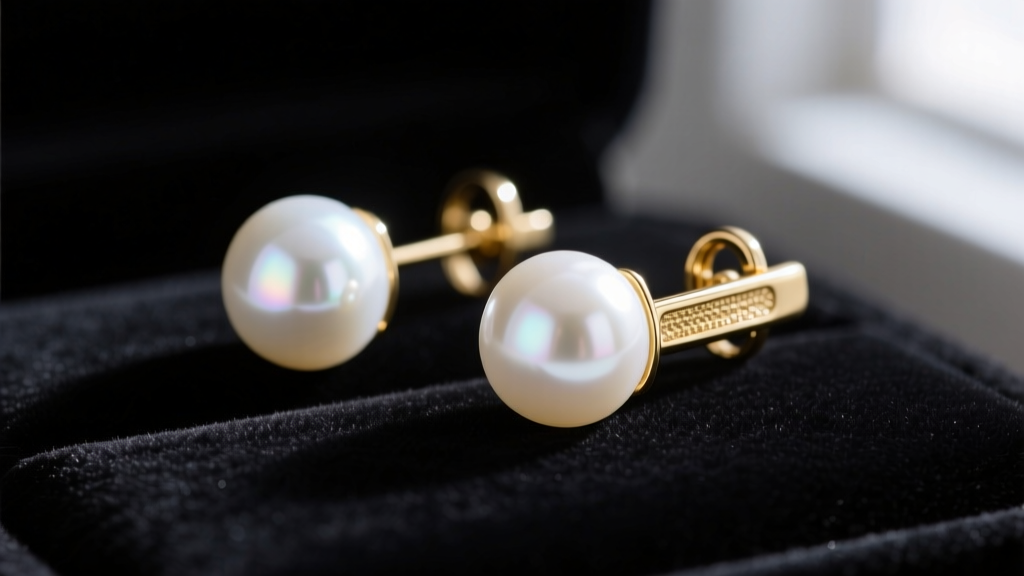
As we navigate the jewelry market in 2026, the stigma surrounding non-pierced jewelry has completely evaporated. Pearl clip earrings are experiencing a massive renaissance, driven by advancements in micro-metallurgy, ergonomic tension engineering, and a growing consumer preference for body autonomy. Whether you have unpierced lobes, suffer from metal allergies that make standard posts irritating, or simply want to preserve the structural integrity of your earlobes from heavy gems, clip-ons offer a sophisticated solution. However, buying pearl clip earrings requires a vastly different evaluation framework than purchasing standard post earrings. You are not just buying a pearl; you are buying a mechanical device that must combat gravity while maintaining blood circulation to your earlobe. This comprehensive buying guide will decode the mechanics, pearl grades, and comfort engineering necessary to make an informed investment.
Decoding Clip-On Mechanisms: What Actually Works?
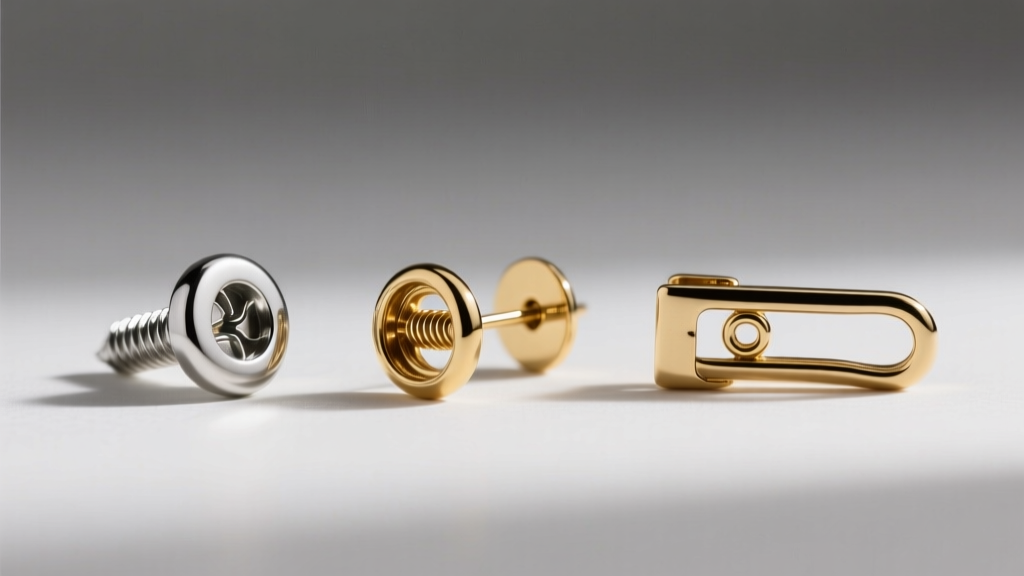
The success of any pearl clip earring hinges entirely on its finding—the mechanical clasp that secures it to the ear. The history of vintage earrings is littered with painful, poorly engineered clamps, but modern mechanisms have evolved significantly. Here is a breakdown of the three primary clasp types you will encounter when shopping for pearl clip-ons:
1. The Screw-Back Mechanism
Often found on vintage and high-end reproduction pieces, the screw-back features a threaded post with a small, adjustable backing. Expert Insight: While highly secure, the screw-back requires manual calibration. If over-tightened, it causes ischemic pain (cutting off blood flow); if under-tightened, a heavy South Sea pearl will slip off. Look for screw-backs with a padded silicone tip rather than bare metal to distribute pressure evenly across the lobe.
2. The Paddle (or Snap) Clip
The paddle clip uses a hinged, flat piece of metal that snaps into place against the front of the earring. This is the most common mechanism for modern pearl earrings. The broad surface area of the paddle distributes weight beautifully, making it ideal for heavier pearls. To maximize comfort, ensure the paddle features a replaceable silicone comfort pad (such as those made by Earnax or similar brands). These pads create friction, preventing the earring from sliding down the lobe without requiring painful clamping force.
3. The Spring-Loaded Invisible Clip
Designed to look like a standard stud or huggie from a distance, the invisible clip uses an internal coiled spring to maintain tension. Warning: While aesthetically pleasing, the sheer clamping force required to keep the spring shut can cause severe lobe fatigue after 3 to 4 hours of continuous wear. These are best reserved for lightweight pearls or short-duration events.
Pearl Varieties: Grading and Selection for Clip-Ons
When selecting pearls for non-pierced earrings, weight is just as critical as luster. The Gemological Institute of America (GIA) evaluates pearls based on size, shape, color, luster, surface quality, and nacre thickness. However, for clip-ons, we must add density and weight to the matrix. Below is a comparative analysis of the most common pearl types used in clip earrings.
| Pearl Type | Average Weight (per pair) | Luster Profile | Estimated Price Range | Optimal Clasp Pairing |
|---|---|---|---|---|
| Freshwater | Light (3g - 6g) | High, slightly satin | $40 - $180 | Paddle / Snap |
| Akoya | Very Light (2g - 5g) | Mirror-like, sharp | $150 - $800 | Invisible Spring / Screw |
| South Sea | Heavy (10g - 18g+) | Soft, satiny glow | $1,000 - $5,000+ | Heavy-Duty Paddle w/ Pads |
| Majorica (Simulated) | Ultra-Light (2g - 4g) | Deep, consistent | $80 - $250 | Magnetic / Light Paddle |
The Majorica Advantage: Do not dismiss simulated pearls when shopping for clip-ons. Majorica pearls, created through a proprietary glass-bead and nacre-layering process, are significantly lighter than solid South Sea or Tahitian pearls. For individuals with sensitive earlobes who desire the look of massive 14mm pearls without the gravitational drag that causes clip-ons to fail, high-end simulated pearls are a highly practical, ergonomic choice.
Weight Distribution and Comfort Engineering
The most common failure mode of pearl clip earrings is not the clasp breaking, but the earring rotating forward and sliding off the lobe due to poor center-of-gravity engineering. A pearl is essentially a spherical weight suspended on a fulcrum (your earlobe). If the pearl is set too far forward from the clasp hinge, gravity will pull the top of the earring away from your ear, causing the bottom of the clip to dig painfully into the back of your lobe.
The 'Flush-Set' Rule
When evaluating a piece in person or via detailed online photos, look for a 'flush-set' or 'low-profile' basket. The pearl should sit as close to the hinge mechanism as physically possible. Drop earrings and dangles are inherently problematic for clip-on wearers unless the primary stud portion is heavily padded and utilizes a wide paddle clasp to counteract the pendulum effect of the dangling pearl.
Tension Adjustment
If you purchase vintage screw-back or tension-paddle pearl clip earrings, you can adjust the grip strength at home using a pair of jewelry pliers with nylon jaws. Gently squeezing the arms of the paddle clip inward by a fraction of a millimeter can drastically increase security. Always pair this adjustment with a 1mm adhesive silicone pad to prevent the metal from pinching the skin.
Styling Pearl Clip Earrings for Your Face Shape
Because clip earrings often have a slightly bulkier profile than post earrings (to accommodate the mechanism), selecting the right silhouette is crucial for balancing your facial features.
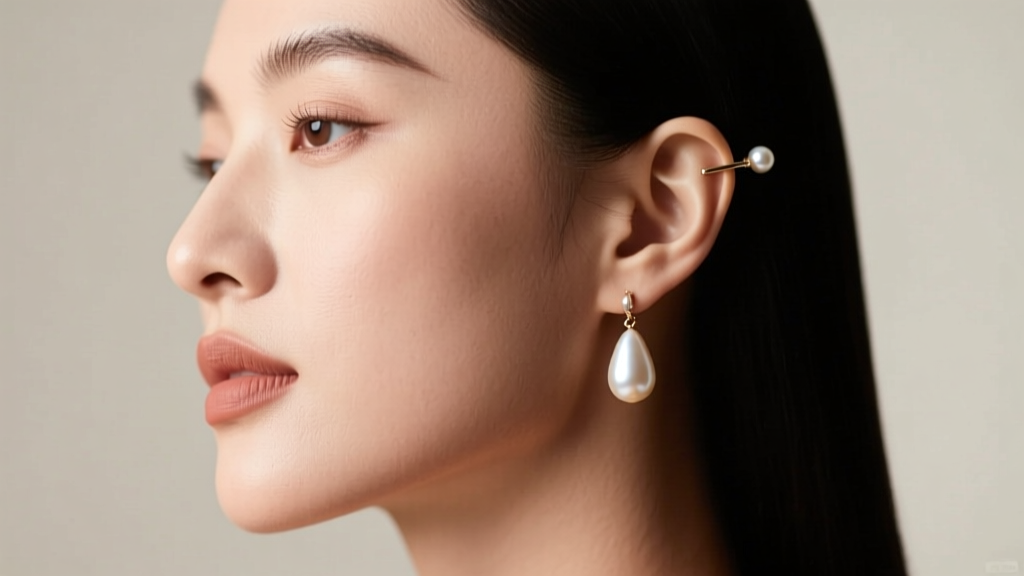
- Round Faces: Avoid perfectly spherical, large stud clip-ons, which can emphasize facial width. Instead, opt for elongated pearl drop clip earrings or oval-shaped baroque pearls that draw the eye vertically.
- Square Faces: Soften strong jawlines with curved, organic shapes. Teardrop freshwater pearls or clustered pearl floral motifs set on comfortable paddle clips provide a softening contrast to angular features.
- Heart-Shaped Faces: Balance a narrower chin with wider, voluminous pearl earrings. Chandelier-style clip-ons featuring multiple smaller pearls distribute visual weight beautifully without requiring a single, overwhelmingly heavy central stone.
- Oval Faces: The universal shape. Classic 8mm to 10mm Akoya pearl clip-on studs are timeless and perfectly proportioned for oval face shapes, provided the invisible spring or paddle clip is properly calibrated.
Authenticity, Pricing, and Final Purchasing Advice
The non-pierced market is flooded with cheap, plastic-coated beads masquerading as genuine pearls. When investing in genuine pearl clip earrings, always request a detailed receipt specifying the pearl type (e.g., 'Cultured Akoya' vs. 'Simulated'). According to Pearl Paradise's educational guidelines, genuine cultured pearls will feel slightly gritty when rubbed gently against the edge of your tooth, whereas simulated pearls will feel perfectly smooth like glass.
Expect to pay a 15% to 25% premium for high-quality pearl clip earrings compared to their post-earring counterparts. This premium accounts for the intricate labor required to solder and calibrate the mechanical findings, as well as the lower production volume of non-pierced luxury goods. When buying online, prioritize jewelers who offer a 'comfort guarantee' or include a kit of replacement silicone pads and tension-adjustment tools with your purchase.
The Golden Rule of Clip-Ons: A $2,000 South Sea pearl is worthless to you if the clasp mechanism induces lobe fatigue within twenty minutes. Always prioritize the ergonomic engineering of the finding over a marginal upgrade in pearl luster. Comfort is the ultimate luxury in non-pierced jewelry.