The Ultimate Care Guide for Tahitian Pearl Hoop Earrings
Discover expert cleaning and maintenance tips for Tahitian pearl hoop earrings. Learn how to protect their luster, nacre, and gold settings safely.

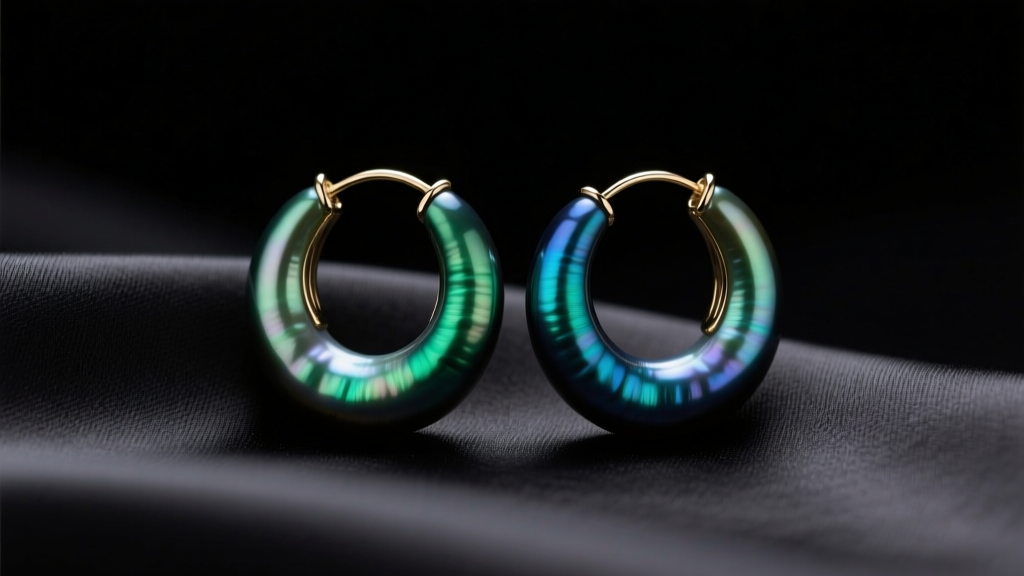
The Unique Anatomy of Tahitian Pearl Hoops
Tahitian pearls, cultivated in the black-lipped Pinctada margaritifera oyster in French Polynesia, are renowned for their mesmerizing dark body colors and vibrant overtones. When set into hoop earrings, these organic gems are combined with precious metals like 14k gold, 18k gold, or platinum. However, this combination creates a unique maintenance challenge. Unlike diamonds or sapphires, pearls are organic structures composed primarily of calcium carbonate (aragonite) held together by an organic protein called conchiolin.
On the Mohs scale of mineral hardness, Tahitian pearls rank between 2.5 and 3.0, making them exceptionally soft compared to the metal hoops they are mounted on. According to the Gemological Institute of America (GIA), this softness means the nacre can easily be scratched, etched by acids, or dulled by everyday chemicals. Caring for Tahitian pearl hoop earrings requires a dual approach: preserving the delicate nacre while maintaining the structural integrity and shine of the metal hoop.
Daily Wear Rules: Preventing Nacre Degradation
The most critical aspect of pearl maintenance happens before you even reach for a cleaning cloth. Human sweat has a naturally acidic pH (typically between 4.0 and 6.0), which is enough to slowly dissolve the calcium carbonate in pearl nacre over time, leading to a permanent loss of luster and surface pitting.
- The 'Last On, First Off' Rule: Always put your Tahitian pearl hoops on after applying cosmetics, perfumes, hairsprays, and lotions. The alcohol and volatile organic compounds (VOCs) in these products can strip the pearl's natural moisture and damage the epoxy adhesives used to secure the pearl to the hoop's mounting cup.
- Avoid High-Heat and Humidity: Do not wear pearl hoops in saunas, hot tubs, or while swimming. Chlorine and saltwater can severely degrade the nacre and corrode the metal alloys in the hoop's solder joints.
- Post-Wear Wipe Down: After removing your earrings, gently wipe the pearls with a dry, lint-free microfiber cloth to remove microscopic layers of sebum and sweat before storing them.
Expert Insight: Never use ultrasonic or steam cleaners on Tahitian pearl hoop earrings. The high-frequency vibrations can shatter the pearl or cause the nacre to craze, while steam can melt the jeweler's adhesive securing the pearl to the metal post.
Step-by-Step Cleaning Protocol
When your earrings require a deeper clean, you must treat the pearl and the metal hoop differently. Submerging the entire earring in water can weaken the adhesive bond in the pearl cup or cause water to become trapped in the drill hole, leading to internal deterioration.
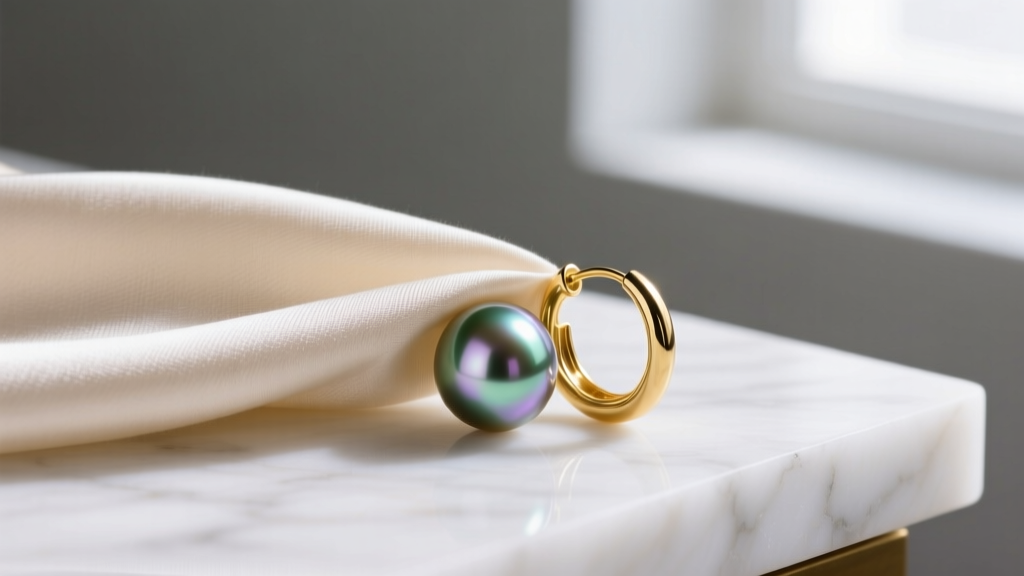
1. The Safe Cleaning Solution
Discard commercial jewelry dips, which often contain ammonia or harsh surfactants. Instead, mix a few drops of unscented, pH-neutral liquid castile soap into a bowl of lukewarm distilled water. Tap water contains chlorine and trace minerals that can leave a microscopic film on the pearl's surface.
2. Cleaning the Metal Hoops
Dip a soft-bristled baby toothbrush or a cotton swab into the soapy solution. Gently scrub the metal hoop, the hinge mechanism, and the clasp. Avoid brushing the pearl itself. Use a damp cotton swab to carefully clean the metal setting immediately surrounding the pearl, ensuring no soap residue accumulates in the crevices.
3. Polishing the Pearl
Dampen a clean microfiber cloth with plain distilled water and gently wipe the surface of the Tahitian pearl. Do not rub aggressively. Immediately dry the pearl and the metal hoop with a separate, dry microfiber cloth. Allow the earrings to air dry completely on a soft towel for 15 minutes before storing to ensure all moisture has evaporated from the hinge and drill holes.
Storage Solutions to Prevent Micro-Scratches
Improper storage is the leading cause of physical damage to Tahitian pearl hoops. Because the metal hoops are significantly harder than the pearls, tossing them into a shared jewelry box will result in the metal scratching the nacre.
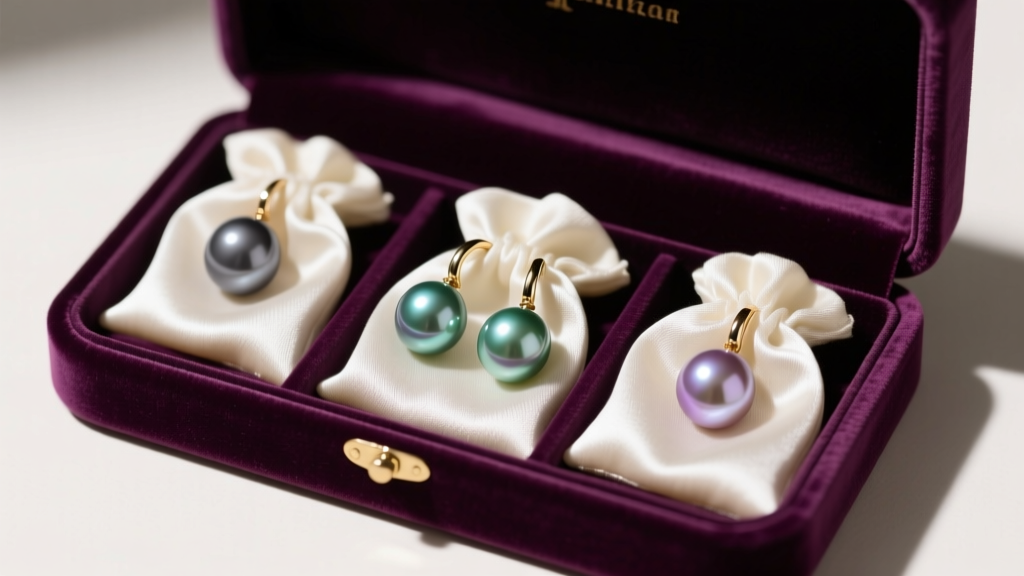
- Use Silk or Soft Flannel: Store each earring in its own individual soft silk pouch or wrap them in a non-abrasive flannel cloth. Silk provides a gentle barrier that prevents friction.
- Avoid Airtight Plastic: Pearls are organic and require a small amount of ambient moisture to prevent the conchiolin from drying out and cracking. Storing them in sealed plastic ziplock bags or safety deposit boxes without a humidifier can cause the nacre to dehydrate and craze over time.
- Hang or Lay Flat: If your hoops feature dangling pearl elements, hang them to prevent the wire from bending. For standard pearl-stud hoops, lay them flat to avoid putting pressure on the hinge mechanisms.
Troubleshooting Common Pearl Hoop Issues
Even with meticulous care, environmental factors and regular wear can cause issues. Use this diagnostic table to address common problems safely.
| Issue | Probable Cause | Actionable Solution |
|---|---|---|
| Chalky or Dull Nacre | Acid erosion from sweat or cosmetic exposure. | Wipe with a damp cloth. If dullness persists, the top nacre layer may be etched; consult a gemologist. Do not attempt to polish with abrasives. |
| Loose Pearl in Mounting Cup | Epoxy adhesive degradation due to heat or chemicals. | Stop wearing immediately. Take to a professional jeweler for re-cementing using jewelers-grade epoxy. |
| Stiff Hoop Hinge/Clasp | Accumulation of sebum, lotion, or dust in the mechanism. | Clean the hinge with a dry, soft-bristled brush. Apply a microscopic drop of synthetic watch oil to the hinge pin using a needle. Wipe away excess. |
| White Spots on Metal | Oxidation or chemical reaction with sulfur/chlorine. | Polish the metal gently with a designated silver or gold polishing cloth, strictly avoiding contact with the pearl surface. |
When to Seek Professional Jeweler Maintenance
While daily care and gentle cleaning can be managed at home, the mechanical components of hoop earrings require professional oversight. According to Jewelers Mutual, annual inspections are vital for preserving high-value jewelry.
Every 12 to 18 months, bring your Tahitian pearl hoop earrings to a certified bench jeweler. They will perform the following critical checks:
- Adhesive Integrity: The jeweler will inspect the pearl cup under magnification to ensure the adhesive bond remains secure, preventing the pearl from dislodging and being lost.
- Hinge and Latch Tension: Hoop clasps endure repetitive stress. A jeweler will tighten the latch to ensure a secure 'click' closure, preventing the earring from slipping out of the lobe unnoticed.
- Metal Refinishing: If the gold or platinum hoops have accumulated deep scratches, the jeweler can carefully polish the metal. Crucial Note: The jeweler must remove the Tahitian pearls from their settings before using a polishing wheel, as polishing compounds will permanently ruin the pearl's luster.
By combining mindful wearing habits, gentle chemical-free cleaning, and strategic storage, your Tahitian pearl hoop earrings will retain their striking peacock overtones and structural elegance for generations.


