Can You Take Your Earrings Out to Sleep? A Healing & Safety Guide
Wondering if you can take your earrings out to sleep? Discover healing timelines, fistula science, and the safest sleep-proof materials for sensitive ears.

The Short Answer: Timing Your Piercing Healing Phases
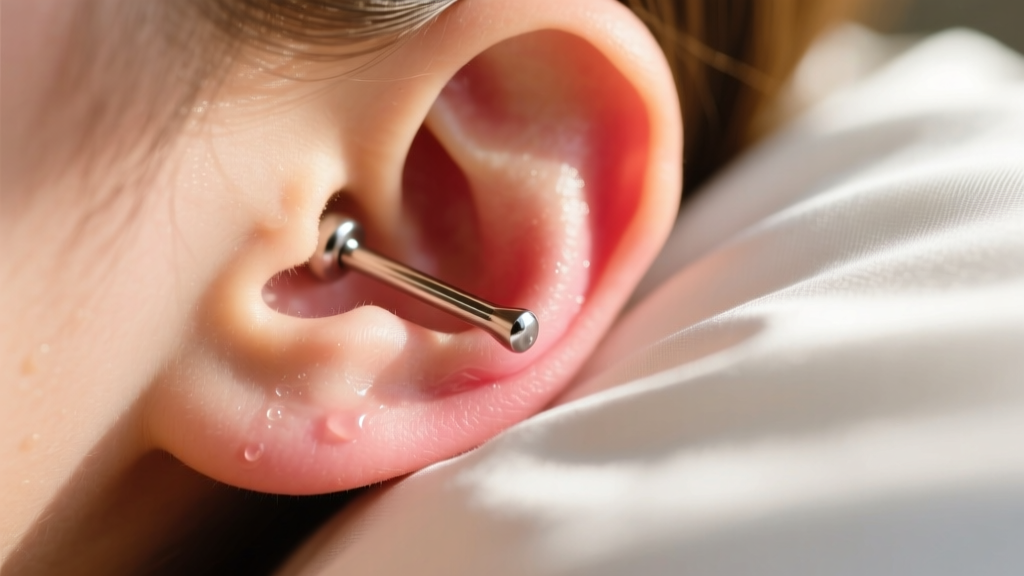
One of the most common questions new piercing enthusiasts ask is: can you take your earrings out to sleep? The short answer is that it depends entirely on the biological maturity of your piercing and the metallurgical quality of your jewelry. For fresh piercings, removing jewelry before bed is a critical error that can lead to rapid closure or severe irritation. For fully healed piercings, sleeping bare-eared is perfectly safe, provided you understand how your unique fistula (the epithelialized tube of skin lining the piercing channel) behaves over time.
At Jewel Style Radar, we approach this issue through the lens of dermatological science and professional piercing standards. Taking earrings out at night isn't just about comfort; it is a mechanical and biological decision that affects tissue health, gauge retention, and allergy management.
The Science of the Fistula: Why Holes Close (or Don't)
When you pierce your ear, the body initiates a wound-healing cascade. The ultimate goal of this process is the formation of a fistula—a stable, skin-lined tube that prevents the hole from collapsing. According to the Association of Professional Piercers (APP), the maturation phase of a fistula can take anywhere from six months to two full years.
Lobe vs. Cartilage Shrinkage Rates
Vascular tissue (earlobes) heals faster and forms a more elastic fistula than avascular cartilage. If you remove a lobe earring before the 6-month mark, the elastic tissue will rapidly contract, often trapping sebum and dead skin cells inside the shrinking channel. Cartilage, conversely, is rigid. While a cartilage hole might not "close" as quickly as a lobe, the internal tissue can swell shut within hours if irritated, making reinsertion incredibly painful and damaging.
| Piercing Location | Minimum Healing Time | Safe to Sleep Without? | Shrinkage Risk Level |
|---|---|---|---|
| Standard Earlobe | 6–8 Weeks (Initial) / 6 Months (Mature) | No (until fully matured) | High (First year) |
| Upper Lobe / Flat | 6–12 Months | No (until 12+ months) | Moderate to High |
| Helix / Cartilage | 9–18 Months | No (until 18+ months) | Moderate (Swelling risk) |
| Tragus / Conch | 12–24 Months | No (until 24 months) | Low (But high irritation risk) |
Troubleshooting: The Hidden Dangers of Sleeping IN Earrings
If the piercing is fully healed, many prefer to sleep with their earrings in to avoid the hassle of reinsertion. However, sleeping in the wrong type of jewelry introduces severe mechanical failure modes.
1. Pressure Necrosis and Embedding
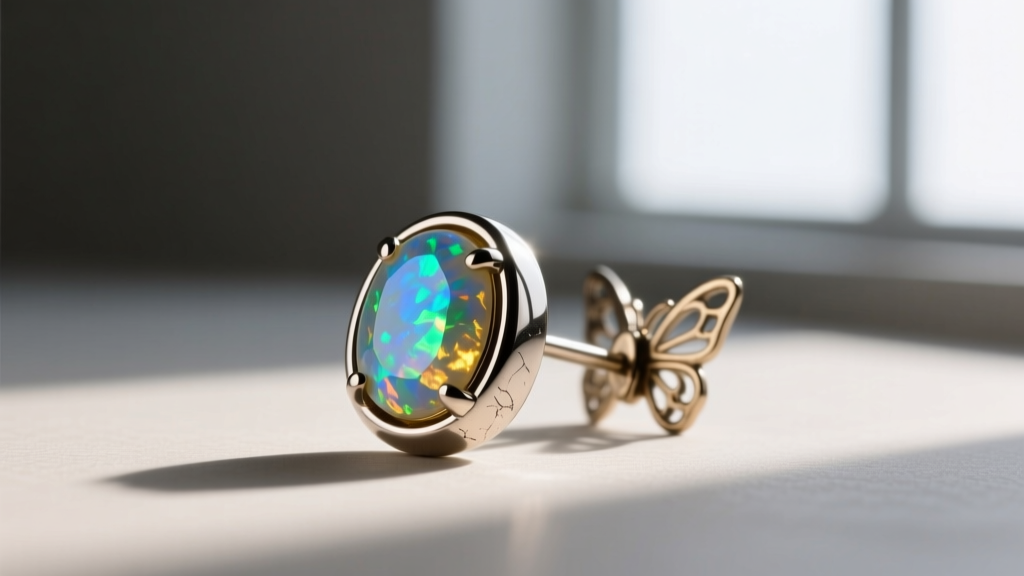
When you sleep on your side, the weight of your head compresses the ear against the pillow. If you are wearing earrings with butterfly backs or tight-fitting hoops, this pressure drives the metal into the tissue. Over time, this restricts capillary blood flow, leading to pressure necrosis (tissue death). In severe cases, the body will literally heal over the earring back, a condition known as embedding, which requires surgical removal.
2. The Externally Threaded Trap
If you decide to take your earrings out every night and reinsert them in the morning, the type of threading matters immensely. Externally threaded jewelry (where the screw pattern is on the post) acts like a tiny file. Dragging those sharp threads through your fistula twice a day causes micro-tears, leading to chronic inflammation and hypertrophic scarring. If you must remove your jewelry nightly, you must upgrade to internally threaded or threadless (push-pin) jewelry to preserve the integrity of the fistula.
3. Friction and Contact Dermatitis
Traditional "starter" earrings are often made of low-grade stainless steel containing nickel. As the Mayo Clinic notes, prolonged contact with nickel, exacerbated by the heat and sweat of sleeping, is a primary trigger for allergic contact dermatitis. This presents as weeping, itchy, and flaky earlobes.
Material Science: Choosing True "Sleep-Proof" Jewelry
If you want to leave your earrings in overnight—which professional piercers generally recommend for the first year to maintain the fistula's caliber—you must invest in sleep-proof materials and designs. The APP's jewelry guidelines mandate specific ASTM standards for body-safe metals.
- Implant-Grade Titanium (ASTM F136): The absolute gold standard for sleepers. It is entirely nickel-free, lightweight, and non-porous, meaning it won't harbor bacteria against your pillow.
- Niobium: A highly reactive metal that can be anodized into vibrant colors without using surface dyes or plating. It is exceptionally soft and malleable, reducing pressure points on the cartilage.
- 14k or 18k Solid Gold (Nickel-Free): Ensure it is solid, not plated. Gold plating will wear off against cotton pillowcases, exposing the base metal to your skin.
- Flat-Back Labrets: Instead of butterfly backs, use flat-back titanium posts. The disc sits flush against the back of the ear, distributing pressure evenly and eliminating the risk of embedding.

Step-by-Step Guide to Taking Earrings Out at Night Safely
If your piercing is over a year old, fully matured, and you experience discomfort sleeping with jewelry in, follow this troubleshooting protocol to remove and store your earrings safely without damaging the channel.
- Sanitize Your Hands and Station: Wash hands with antibacterial soap. Place a clean towel over your sink drain to prevent losing small components.
- Loosen with Warmth: If the earring feels stuck, do not force it. Apply a warm, saline-soaked compress to the ear for 3 minutes to soften any dried sebum or lymphatic fluid bonding the metal to the skin.
- Remove with Proper Grip: For threadless jewelry, bend the post slightly while pulling the end and the back in opposite directions. For internally threaded jewelry, twist the gemstone end counter-clockwise while holding the flat back completely still.
- Flush the Fistula: Spray the empty piercing channel with sterile 0.9% sodium chloride wound wash to remove trapped dead skin cells that can cause the hole to shrink and seal overnight.
- Store in a Dry Environment: Place jewelry in a lined jewelry box or a sealed glass container. Avoid leaving them on damp bathroom counters where humidity can degrade certain gemstone settings.
Expert Verdict: Should You Keep Them In?
So, can you take your earrings out to sleep? If your piercing is less than 12 months old, the answer is a definitive no. The risk of the fistula collapsing or shrinking overnight is too high, and forcing a post back through a shrunken channel will result in blunt-force tissue trauma. For mature piercings, you have the freedom to sleep bare-eared, provided you use high-quality, internally threaded or threadless jewelry when you put them back in. Ultimately, investing in an ASTM F136 titanium flat-back labret allows you to sleep comfortably with your jewelry in, protecting your piercing while you rest.


