Tanjiro Earrings Meaning: History, Metal Grades & Sizing Guide
Discover the true tanjiro earrings meaning, from historical Hanafuda roots to technical metal grades, gauge sizing, and safe wear tips for sensitive ears.

The Historical and Cultural Tanjiro Earrings Meaning
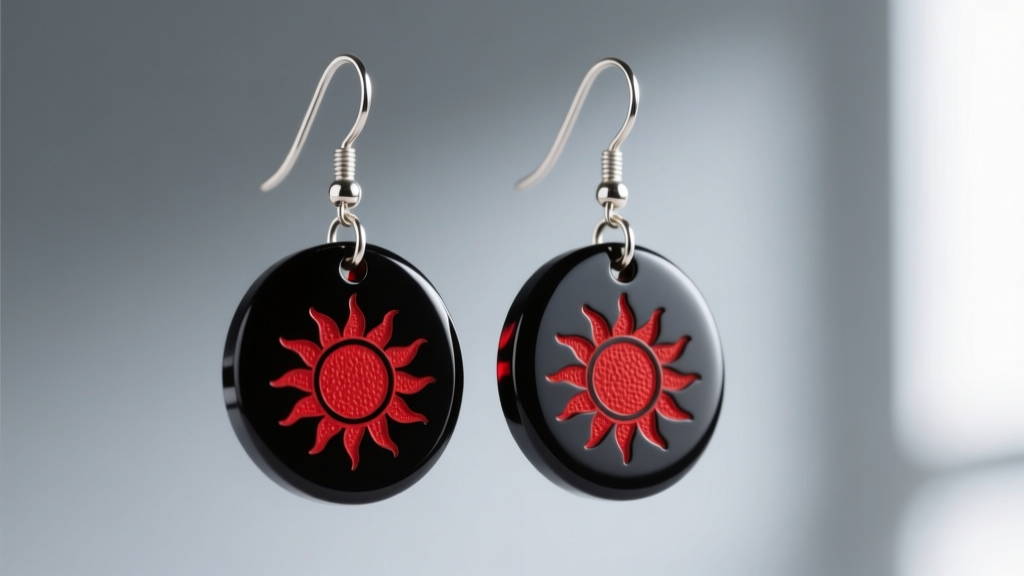
When fans and jewelry enthusiasts search for the tanjiro earrings meaning, they are uncovering a deep intersection of Japanese cultural history and modern manga lore. In Koyoharu Gotouge’s Demon Slayer: Kimetsu no Yaiba, protagonist Tanjiro Kamado wears iconic red and black dangle earrings. These are not merely decorative; they are modified Hanafuda (traditional Japanese flower cards) that signify the legacy of the Sun Breathing technique (Hinokami Kagura) and a direct lineage to the legendary swordsman Yoriichi Tsugikuni.
Historically, Hanafuda cards were created in the 19th century after Japan banned traditional playing cards to curb gambling. The specific design seen in the anime closely resembles the "Matsu" (Pine) card from the January suit, though Gotouge stylized the center to resemble a rising sun. Because of the design's unintended resemblance to the controversial Imperial Japanese flag, the anime adaptation altered the pattern for broadcast in several Asian countries, replacing the sunburst with a solid red circle and horizontal lines. Understanding this context elevates the earrings from simple cosplay props to meaningful cultural artifacts.
"The earrings are a physical manifestation of the Kamado family's unbroken promise to pass down the Hinokami Kagura, making the jewelry an heirloom of survival rather than just an accessory."
Technical Breakdown: Anatomy of the Hanafuda Dangle
From a jewelry manufacturing perspective, the Hanafuda earring is a multi-component dangle that requires precise weight distribution. A standard replica consists of four primary structural elements:
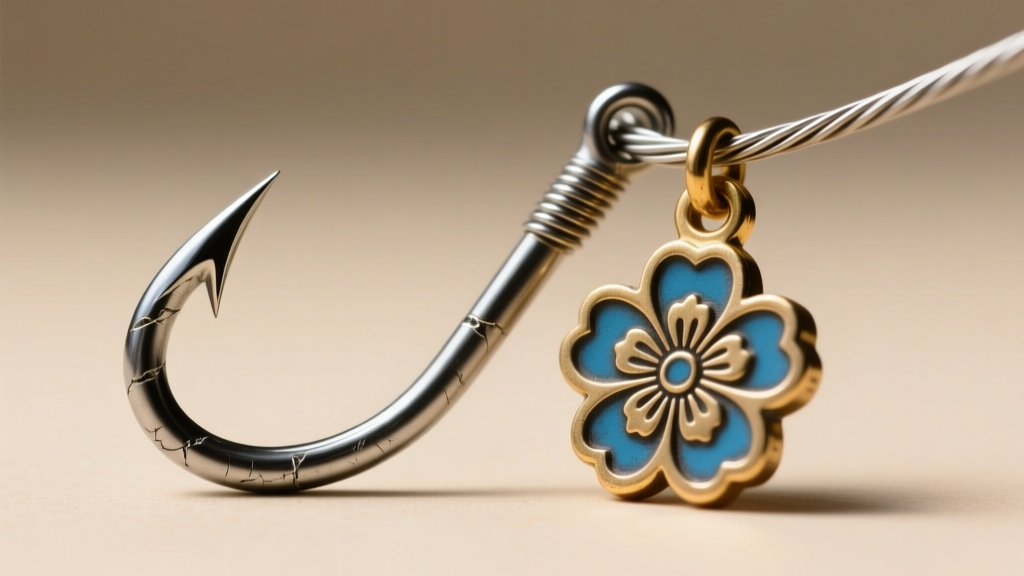
- The Fish Hook or Leverback Wire: The primary piercing interface, usually featuring a 2mm to 3mm inner diameter loop.
- The Jump Ring: A 3mm to 4mm split ring connecting the wire to the plate. In mass-produced versions, this is often the first point of mechanical failure due to metal fatigue.
- The Hanafuda Plate: Typically stamped from sheet metal or cast in zinc alloy, then coated in black enamel with a red acrylic or epoxy resin center. Standard dimensions are 25mm in length and 15mm in width.
- The Tassel Fringe: Three to five thin metal chains or cotton threads dangling from the bottom edge, adding kinetic movement but also increasing the overall swing weight.
Material Grades: Avoiding Contact Dermatitis from Anime Merch
The most critical issue with mass-market anime merchandise jewelry is the base metal. Over 85% of affordable Tanjiro earrings are cast from Zamak (zinc alloy) and plated with a thin layer of silver or gold-colored paint. This poses a severe risk for individuals with metal sensitivities. As the plating wears away from friction and the acidic pH of human sweat (typically 4.5 to 6.0), the underlying nickel and lead traces leach into the skin, triggering Allergic Contact Dermatitis (ACD). According to the Mayo Clinic, nickel allergy is one of the most common causes of allergic skin reactions, affecting up to 10% of the population.
To wear these earrings safely for extended periods, you must verify the metallurgical grade of the wire that actually passes through your earlobe. Below is a technical comparison of common materials used in replica earrings:
| Material Grade | Nickel Content | Corrosion Resistance | Suitability for Sensitive Ears |
|---|---|---|---|
| Zinc Alloy (Zamak) | High (in plating) | Poor (tarnishes quickly) | Very Low (High ACD risk) |
| 316L Surgical Steel | 8% - 10.5% | Excellent | Moderate (Safe for healed lobes, risky for fresh piercings) |
| Niobium (99.9%) | 0% | Excellent | High (Highly biocompatible) |
| ASTM F136 Grade 5 Titanium | 0% | Superior | Exceptional (The gold standard for body jewelry) |
The Association of Professional Piercers (APP) strictly recommends ASTM F136 Grade 5 Titanium for anyone experiencing irritation from standard fashion jewelry. If you purchase a cheap Hanafuda set, the safest technical modification is to use jewelry pliers to snip off the factory hook and attach an aftermarket titanium fish hook.
Piercing Specifications: Gauge Sizes and Weight Limits
Dangle earrings introduce a pendulum effect, meaning the kinetic force applied to your earlobe is greater than the static weight of the jewelry. The Hanafuda plate, combined with the metal chains, typically weighs between 4.5 and 6.2 grams per earring. While this sounds light, the gauge (thickness) of the earring wire dictates how that weight is distributed across your piercing fistula.
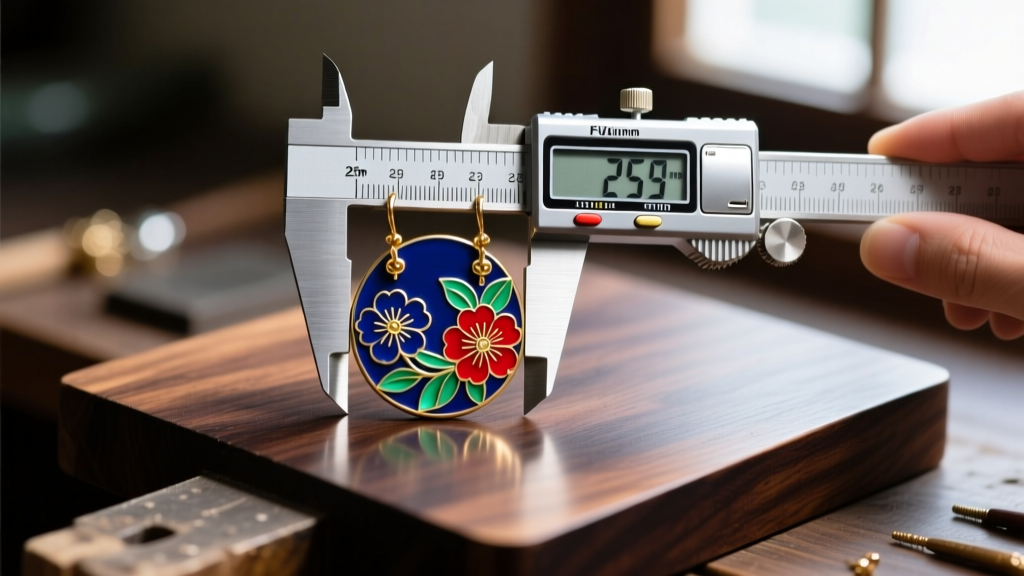
Most mass-produced anime earrings use 22-gauge (0.64mm) or 24-gauge (0.51mm) wires to save on manufacturing costs. Wearing a 6-gram dangle on a 24-gauge wire creates the "cheese-cutter effect," where the thin wire slowly migrates downward, stretching and potentially tearing the bottom of the earlobe piercing over time.
Optimal Sizing Framework for Dangles
- Standard Earlobe Piercings: Usually pierced at 20G (0.81mm) or 18G (1.02mm). Ensure your replacement titanium hooks match this thickness to prevent the piercing hole from shrinking or tearing.
- Maximum Safe Weight: For standard 20G lobes, limit continuous wear of dangle earrings to under 8 grams per ear to avoid long-term tissue elongation.
- Hook Diameter: Select a fish hook with an inner diameter of at least 8mm to allow the earlobe tissue to rest comfortably at the bottom of the curve without being pinched against the jump ring.
Sourcing and Upgrading Your Pair
Finding officially licensed Demon Slayer merchandise that utilizes hypoallergenic metals is exceptionally rare, as licensing companies prioritize low-cost zinc casting for high profit margins. The most expert approach to acquiring high-quality Tanjiro earrings is a modular build.
First, source the Hanafuda charms from specialized cosplay jewelers on platforms like Etsy or specialized anime boutiques, ensuring the charm features a standard open jump ring at the top. Second, purchase a pair of ASTM F136 titanium French wire hooks from a dedicated body jewelry brand like NeoMetal or Anatometal. Using two pairs of smooth-jawed chain-nose pliers, gently twist open the jump ring on the charm (always twist laterally, never pull apart, to maintain the ring's structural integrity), slide on the titanium hook, and twist it securely closed. This guarantees the cultural aesthetic of the Hanafuda design without compromising your dermatological health.
Care and Maintenance for Painted Enamel Dangles
The striking red and black contrast of the Hanafuda design is usually achieved through cold enamel (epoxy resin) or baked vitreous enamel. Cold enamel is highly susceptible to chemical degradation. Never use ultrasonic jewelry cleaners, alcohol-based sanitizers, or silver polishing cloths on the painted surface of the earring plate, as these will strip the pigment and leave the raw zinc alloy exposed.
To clean the earrings after a long day at a convention or daily wear, use a microfiber cloth lightly dampened with distilled water and a drop of pH-neutral baby shampoo. Gently wipe the acrylic and enamel surfaces, avoiding the jump ring connection point to prevent moisture trapping, which can accelerate oxidation on non-titanium components. Store them flat in a lined jewelry box to prevent the delicate bottom tassels from tangling or bending under the weight of other accessories.


