Best Light Blue Pearl Earrings: 2026 Value & Budget Guide
Discover the true value of light blue pearl earrings in 2026. Compare natural Tahitian, dyed freshwater, and imitation pricing to shop smart.

The Allure and Economics of Light Blue Pearls
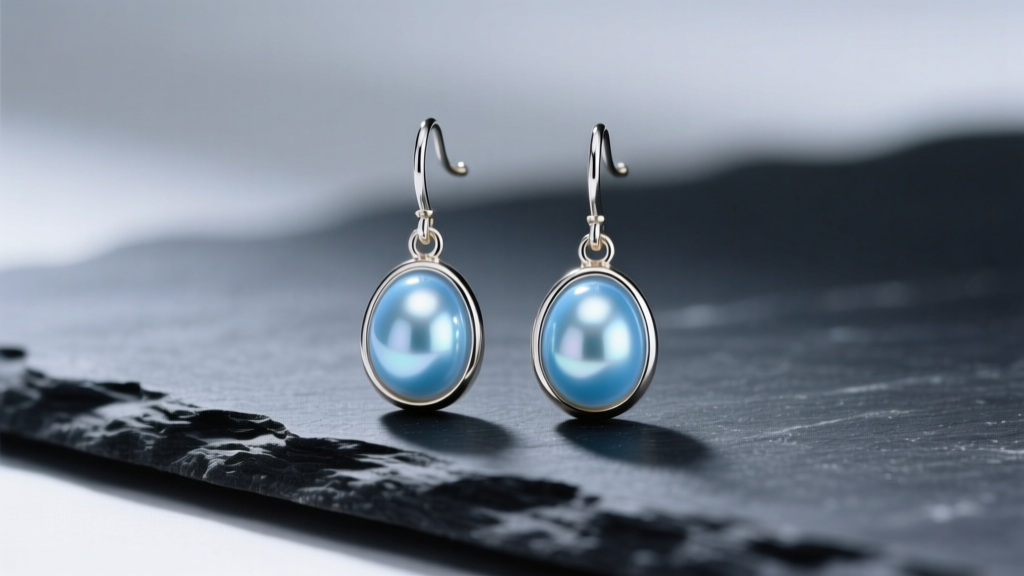
Light blue pearl earrings occupy a fascinating, often misunderstood space in the 2026 jewelry market. While classic white and cream pearls dominate traditional collections, the ethereal, icy hue of light blue pearls offers a striking alternative that bridges the gap between classic elegance and modern individuality. However, navigating the market for these specific gemstones requires a sharp eye and a solid understanding of gemological economics. Unlike diamonds, where color is graded on a standardized, universally recognized scale, pearl coloration is heavily influenced by biological species, post-harvest treatments, and artificial dyeing processes. For the budget-conscious buyer, this creates a landscape rife with both incredible value opportunities and overpriced pitfalls. Understanding where your money actually goes when purchasing light blue pearl earrings is the first step toward building a collection that retains its beauty and financial worth over time.
Natural vs. Treated: Where Your Money Actually Goes
The term "light blue pearl" is not a protected gemological classification, meaning it can be legally applied to a $40 dyed freshwater pearl, a $300 irradiated Akoya, or a $1,200 natural Tahitian gem. According to the Gemological Institute of America (GIA), the vast majority of blue pearls on the commercial market have undergone some form of enhancement. Recognizing these tiers is critical for accurate value assessment.
Tahitian "Aquamarine" and "Peacock" Overtones
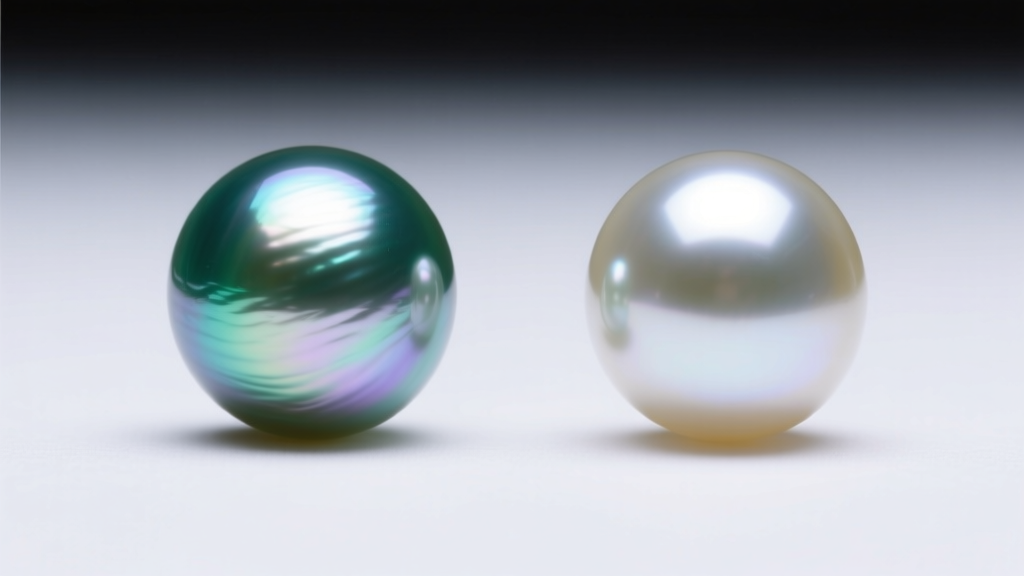
True, naturally occurring light blue pearls primarily come from the Pinctada margaritifera oyster, which produces Tahitian pearls. While Tahitians are famous for their dark "peacock" greens and purples, they also produce highly coveted, naturally light "aquamarine" or "sky blue" hues. These are exceptionally rare, representing less than 5% of a typical harvest. Because the color is entirely natural, these pearls command a premium. When evaluating natural Tahitian light blue pearls, you are paying for rarity, thick nacre (legally required to be at least 0.8mm for export from French Polynesia), and a deep, mirror-like luster that synthetic methods cannot replicate.
Irradiated Akoya Pearls
Akoya pearls, cultivated primarily in Japan and China, naturally occur in white or cream with rose or silver overtones. To achieve a striking blue or silver-blue color, Akoya pearls are subjected to gamma irradiation or silver nitrate treatments. This process darkens the nucleus, which shows through the semi-translucent nacre, creating a brilliant, metallic blue effect. While beautiful and more affordable than natural Tahitians, irradiated Akoyas do not hold their resale value like untreated gems. Furthermore, prolonged exposure to intense UV light or harsh cosmetics can sometimes cause the treated color to fade or shift over a decade or more.
Dyed Freshwater Pearls
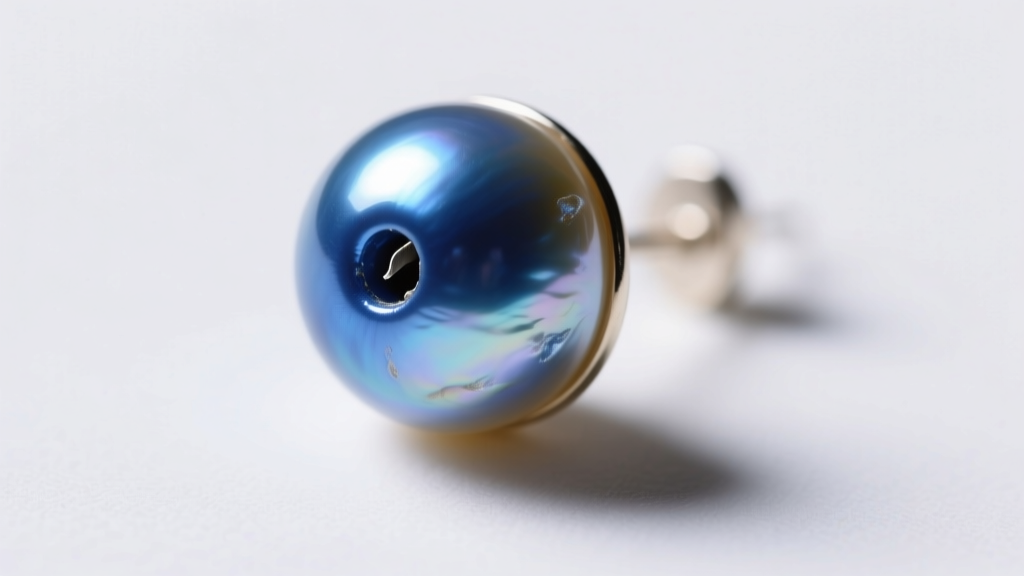
If you are browsing a boutique or online marketplace and see light blue pearl earrings priced under $100, you are almost certainly looking at dyed freshwater pearls. Freshwater mussels do not naturally produce blue pigments. Instead, porous, lower-grade white freshwater pearls are submerged in organic aniline dye baths. While this provides an accessible entry point for fashion-forward styling, the value proposition is purely aesthetic. The dye can pool unevenly, and the pearls often lack the sharp, high-contrast luster of their saltwater counterparts.
2026 Pricing Matrix: What You Should Actually Pay
To help you benchmark your purchases, we have compiled a comprehensive pricing matrix based on current 2026 retail market data, factoring in standard 7mm to 10mm sizes set in typical earring mountings. Use this chart to ensure you are not overpaying for treated or imitation stones.
| Pearl Type & Origin | Color Method | Size (mm) | Metal Setting | Est. Retail Price | Value Retention |
|---|---|---|---|---|---|
| Dyed Freshwater | Chemical Dye Bath | 7.0 - 8.0 | 925 Sterling Silver | $35 - $85 | Poor |
| Irradiated Akoya | Silver Nitrate / Gamma | 7.0 - 8.5 | 14k White Gold | $180 - $350 | Fair |
| Natural Tahitian (Aquamarine) | 100% Natural | 9.0 - 10.5 | 14k / 18k White Gold | $600 - $1,400+ | Excellent |
| Majorica / Shell Pearl | Coated Glass/Resin Core | 8.0 - 9.0 | Gold-Plated Brass | $120 - $250 | None |
How to Audit Value Before You Buy
When assessing light blue pearl earrings, especially in the secondary market or from independent jewelers, you must look beyond the surface color. The GIA Pearl Quality Factors outline several critical metrics that dictate a pearl's true worth. Here is a practical troubleshooting checklist to audit your potential purchase:
- The Drill Hole Inspection: Use a 10x jeweler's loupe to examine the drill hole. In dyed freshwater pearls, you will often see a dark concentration of blue dye pooling inside the hole or along surface micro-cracks. Natural Tahitian pearls will show a clean transition from the white nacre to the dark conchiolin layer and the bead nucleus.
- Luster and Nacre Thickness: High-value pearls exhibit "mirror" luster, where you can clearly see the reflection of a light source on the surface. If the pearl looks chalky, dull, or cloudy, the nacre is likely too thin. Thin-nacre pearls are prone to "blistering" and peeling, rendering the earrings worthless within a few years of regular wear.
- The Tooth Test (For Imitations): Gently rub the pearl against the biting edge of your front tooth. A natural or cultured pearl will feel distinctly gritty or sandy due to the microscopic crystalline structure of the nacre. A glass or plastic imitation (like Majorica) will feel perfectly smooth.
- Post Gauge and Hardware: High-quality pearl earrings utilize sturdy friction posts or threaded backs. Standard studs use 0.8mm or 0.9mm (20-gauge) posts. However, heavier Tahitian drops should feature 1.0mm (18-gauge) posts to prevent the earring from drooping and stretching the earlobe over time. Ensure sterling silver settings are rhodium-plated to prevent tarnishing and skin irritation.
Metal Settings: Don't Let the Mounting Ruin the Budget
A common mistake buyers make when budgeting for pearl earrings is ignoring the metal setting, which can artificially inflate the price or compromise the longevity of the piece. For light blue pearls, white metals are the industry standard as they enhance the cool, icy tones of the gemstone without introducing the color-clashing warmth of yellow gold.
If you are purchasing dyed freshwater or irradiated Akoya pearls, 925 sterling silver with a thick rhodium plating is the most financially sound choice. It keeps the overall cost low while providing a bright, white-metal finish. However, if you are investing in natural Tahitian aquamarine pearls, settling for silver is a misallocation of funds. High-grade pearls should be set in 14k or 18k white gold or platinum. These metals provide the necessary structural integrity for secure prong or bezel settings and ensure the mounting's intrinsic value aligns with the gemstone. Avoid gold-plated brass or vermeil settings for any pearl earrings you intend to wear frequently, as the friction and exposure to skin oils will quickly wear away the plating, leading to a degraded aesthetic and potential allergic reactions to the base metals.
Final Verdict: Maximizing Your Investment
Ultimately, the value of light blue pearl earrings in 2026 is dictated by transparency and origin. If your goal is purely fashion-driven and you want a vibrant, trendy accessory for seasonal wear, dyed freshwater pearls set in sterling silver offer undeniable budget value—provided you accept that they are a depreciating fashion expense rather than an heirloom investment. Conversely, if you are seeking a lifelong staple with genuine gemological worth, saving your budget for a pair of naturally colored, light aquamarine Tahitian pearls is the superior financial decision. By demanding detailed origin disclosures, inspecting the nacre quality, and matching the metal setting to the pearl's grade, you can confidently navigate the market and secure a pair of earrings that deliver both breathtaking beauty and enduring value. For further reading on pearl grading and treatments, the American Gem Society (AGS) provides excellent consumer guides on verifying pearl authenticity and understanding market pricing structures.


