The Tanjiro Earrings Name Explained: A Guide to Hanafuda Styles
Discover the true tanjiro earrings name, the history of Hanafuda cards, and expert jewelry tips on gauges, materials, and safe lobe care for cosplayers.

What Is the True Tanjiro Earrings Name?
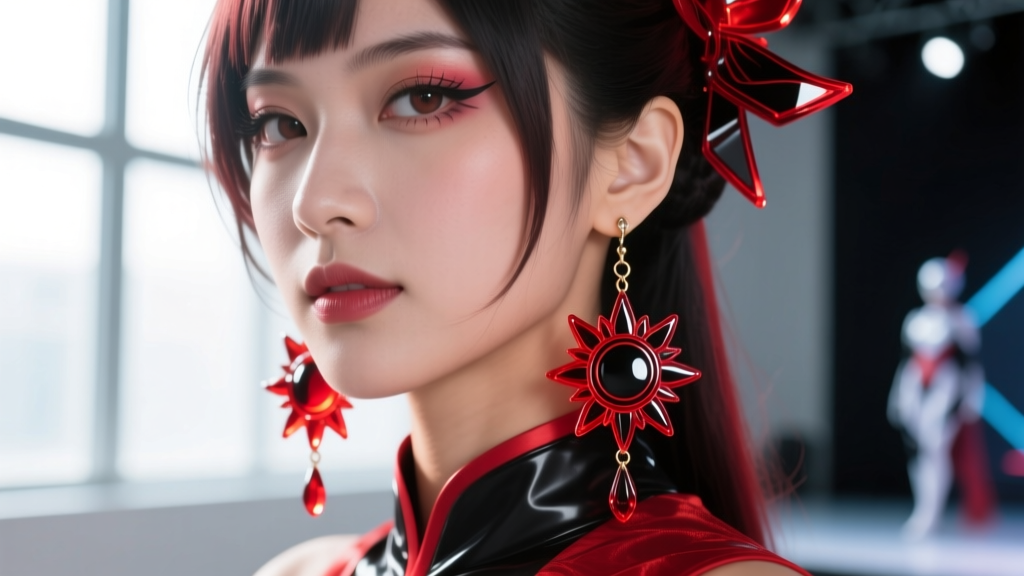
If you have been endlessly searching for the tanjiro earrings name, you are far from alone. The iconic, striking dangles worn by Tanjiro Kamado, the protagonist of the global phenomenon Demon Slayer: Kimetsu no Yaiba, are universally known as Hanafuda earrings. However, the specific design Tanjiro wears is not a standard historical card; it is a fictionalized motif created by manga artist Koyoharu Gotouge. For jewelry enthusiasts, cosplayers, and anime fans looking to replicate this legendary accessory, understanding the cultural roots, material options, and anatomical safety of wearing these dangles is essential. As the anime merchandise market continues to evolve in 2026, the demand for high-quality, skin-safe Hanafuda replicas has never been higher. This beginner-friendly explainer will break down everything you need to know about the history, design, and jewelry specifications of Tanjiro's iconic earrings.
The Cultural Roots: What Are Hanafuda Cards?
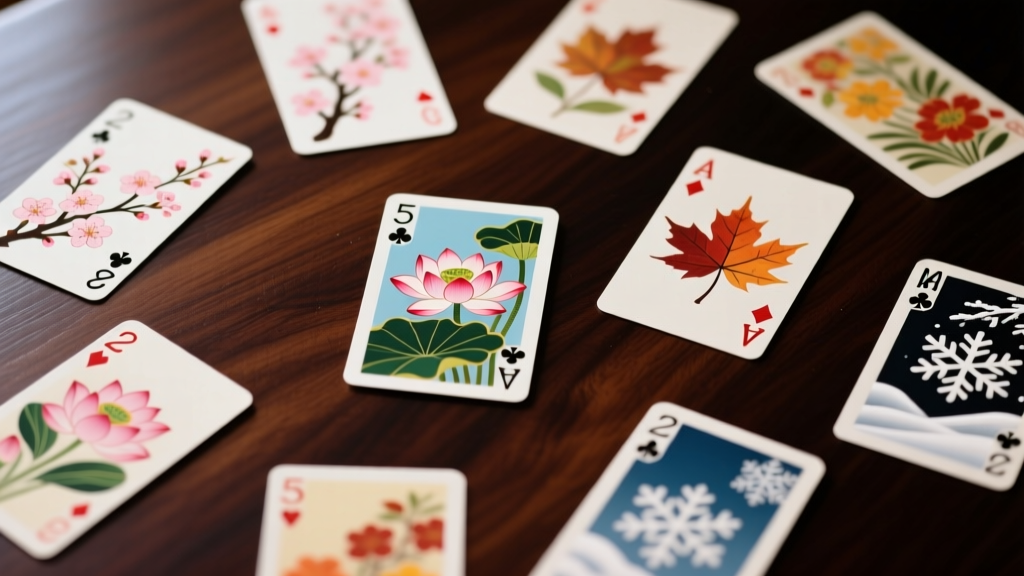
To truly appreciate the jewelry, we must first understand the namesake. Hanafuda (literally translating to 'flower cards') are traditional Japanese playing cards. According to historical records on Japanese gaming culture, Hanafuda emerged in the late 19th century after the Japanese government banned Western playing cards to curb gambling. To bypass these laws, artisans created a 48-card deck featuring beautiful, stylized illustrations of flora and fauna corresponding to the twelve months of the year.
A standard Hanafuda deck is divided into twelve suits, each representing a month and a specific plant (such as cherry blossoms for March or chrysanthemums for September). The physical cards are notably thicker and smaller than Western playing cards, typically measuring about 2.1 by 1.3 inches. When jewelry designers replicate these for earrings, they usually scale them down to approximately 1.5 by 0.8 inches to maintain a comfortable weight for the earlobe while preserving the intricate artwork.
Decoding Tanjiro’s Specific Hanafuda Design
While Tanjiro’s earrings are modeled after Hanafuda cards, the specific 'Rising Sun' design he wears does not exist in a real-world deck. According to the Demon Slayer Wiki, the design is a fictionalized family heirloom passed down through the Kamado family, symbolizing the Sun Breathing technique. The original manga and early anime designs featured a red sun with rays extending outward, heavily resembling the controversial Rising Sun flag associated with Imperial Japan's military history.
Regional Design Variations and Censorship
Because of this historical sensitivity, the 'tanjiro earrings name' and design actually shift depending on where you are watching the anime or buying official merchandise:
- Original Japanese Design: A red sun with radiating rays, bordered by a black and red frame.
- South Korean & Chinese Broadcasts: The design was officially altered by the animation studio to feature a red sun with horizontal lines, or a red sun resting over a mountain with flowers, to avoid military connotations.
- Western Merchandise: Most officially licensed Western replicas sold in the US and Europe retain the original manga-accurate radiating sun design.
When shopping for replicas, you can choose between the 'manga-accurate' sunburst or the 'anime-altered' mountain motifs, depending on your personal preference for lore accuracy versus broadcast history.
Material & Gauge Guide: Cosplay vs. Daily Wear
Not all Hanafuda earrings are created equal. Cheap, mass-produced alloys can cause severe contact dermatitis, while overly heavy materials can stretch your piercings. Below is a comprehensive breakdown of the materials used in modern Hanafuda jewelry.
| Material | Average Weight | Best Use Case | Estimated Price | Pros & Cons |
|---|---|---|---|---|
| Acrylic / Resin | 1.5g - 3g | Convention Cosplay | $5 - $15 | Extremely lightweight; paint can chip over time. |
| Laser-Cut Wood | 2g - 4g | Lightweight Daily Wear | $10 - $25 | Eco-friendly and light; vulnerable to water damage. |
| 316L Surgical Steel + Enamel | 6g - 9g | Daily Wear / Sensitive Ears | $25 - $60 | Hypoallergenic and durable; heavier on the lobe. |
| Brass with Gold Plating | 8g - 12g | Premium Collectors | $40 - $85 | High-end finish; high risk of nickel leaching if plated poorly. |
The Metallurgy of Safe Piercings
If you plan to wear your Hanafuda earrings for more than a few hours at a convention, you must prioritize the metal that actually passes through your piercing. Always look for 316L surgical stainless steel or implant-grade titanium (ASTM F-136) for the earring hooks or posts. Avoid 'Tibetan silver' or mystery alloys, which frequently contain high levels of nickel and lead, leading to allergic reactions and green skin discoloration.
Understanding Gauge Sizes and the 'Pendulum Effect'
When discussing the tanjiro earrings name and style, we must address the anatomy of wearing dangle earrings. Standard earlobe piercings are typically done at 20-gauge (0.81mm) or 18-gauge (1.02mm). Most high-quality Hanafuda dangles will feature an 18G or 20G fishhook wire.
However, the primary danger of wearing dangle earrings is the pendulum effect. Because Hanafuda replicas are rectangular and hang vertically, they catch the wind and swing with your head movements. Over time, this repetitive swinging and pulling can cause micro-tears in the fistula (the piercing channel), leading to lobe stretching, migration, or even splitting.
How to Secure Heavy Dangles Safely
To protect your lobes while rocking Tanjiro's signature look, implement these professional jewelry styling tricks:
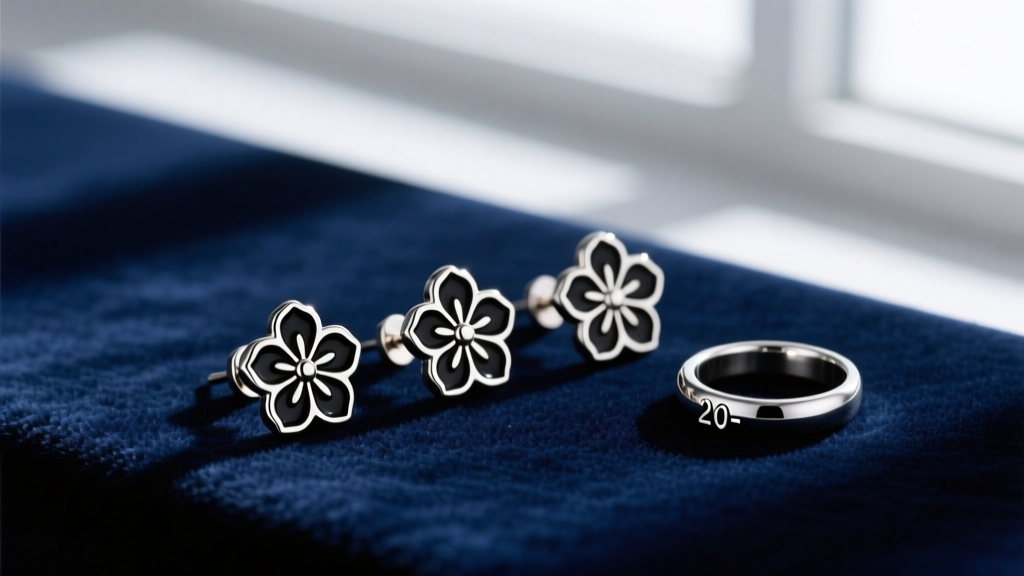
- Use Silicone O-Rings: Ditch the standard metal butterfly backs. Slide a 4mm or 6mm silicone O-ring stopper onto the back of the fishhook. This grips the wire tightly and distributes the weight across a wider surface area of the back of your earlobe.
- Try Earlobe Support Patches: For heavier enamel or brass pairs, apply a small, invisible adhesive earlobe support patch behind the piercing hole before inserting the earring. This reinforces the skin and prevents the wire from cutting downward.
- Limit Wear Time: Reserve heavy metal pairs for photoshoots and panels. For 8-hour convention days, switch to acrylic or laser-cut wooden alternatives.
Care and Maintenance for Enamel and Acrylic
Proper maintenance ensures your Hanafuda earrings remain vibrant. The care routine depends entirely on the material you purchased:
- Acrylic/Resin Pairs: Never use alcohol-based cleaners or ultrasonic jewelry machines, as these will cloud the plastic and strip the painted sun motifs. Wipe gently with a dry microfiber cloth.
- Enamel on Steel: Enamel is essentially fused glass. It is highly durable but can crack if dropped on a hard tile floor. Clean with warm water and a drop of mild dish soap, drying immediately to prevent water spots on the metal hooks.
- Wooden Pairs: Keep away from humidity and rain. If the wood begins to look dry, you can condition the edges with a microscopic amount of jojoba oil, avoiding the painted face of the card.
Final Thoughts on Sourcing Your Hanafuda Earrings
Knowing the true tanjiro earrings name—Hanafuda—is just the first step in your jewelry journey. Whether you are seeking a lightweight acrylic pair for your next anime convention or a premium 316L surgical steel set with hand-painted enamel for subtle daily wear, prioritizing safe metals and proper lobe support will ensure your cosplay is both accurate and comfortable. Always verify the gauge size, check the hook material, and respect the weight of the dangle to keep your piercings healthy while honoring one of modern anime's most recognizable accessories.


