The Ultimate Bezel Set Diamond Earring Metal Comparison
Compare platinum, 18k white, and 14k yellow gold for your bezel set diamond earring. Expert insights on durability, light performance, and pricing.

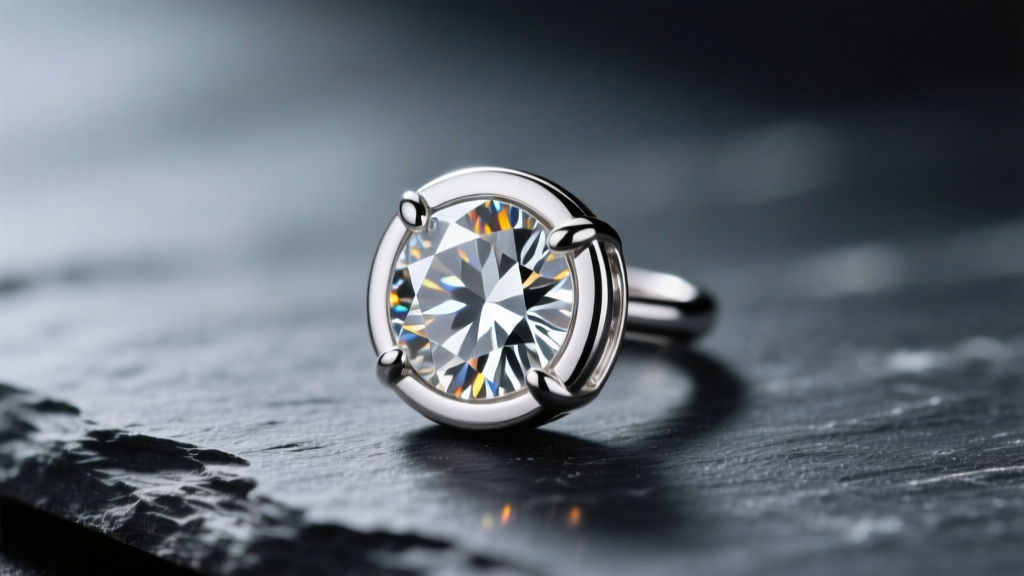
The Anatomy of a Bezel Set Diamond Earring
When selecting a bezel set diamond earring, the focus often lands entirely on the diamond's carat weight and clarity. However, the metal encasing the diamond's girdle is the unsung hero of the design. A bezel setting involves a continuous metal rim that wraps around the entire circumference of the stone, offering superior protection compared to traditional prong settings. In 2026, with the market heavily saturated by larger lab-grown diamonds (often pushing 2.00 to 3.00 carats total weight for studs), the structural integrity and optical properties of the chosen metal are more critical than ever.
The metal you choose dictates not only the earring's longevity and maintenance cycle but also how light interacts with the diamond's pavilion. Because a full bezel covers the girdle and blocks peripheral light entry, the inner wall of the metal rim acts as a secondary reflector. Understanding the metallurgical differences between platinum, 18k white gold, and 14k yellow gold is essential for making an informed, long-term investment.
Metal Matrix: Platinum vs. Gold Alloys
Not all precious metals behave the same way when subjected to the daily friction, tension, and environmental exposure that earrings endure. Let us break down the material science behind the three most common bezel metals.
Platinum (Pt950): The Indestructible Standard
Jewelry-grade platinum is typically alloyed to 95% purity (Pt950), with the remaining 5% usually consisting of ruthenium or iridium to enhance workability. Platinum has a density of approximately 21.45 g/cm³, making it significantly heavier than gold. More importantly, platinum possesses a unique property called displacement. When a platinum bezel is scratched, the metal is merely moved aside, not lost. Over time, this develops a soft, satin-like patina that many collectors desire. For a bezel set diamond earring, Pt950 offers unmatched fatigue resistance, meaning the thin metal rim pushed over the diamond's girdle will not snap or thin out dangerously over decades of wear.
18k White Gold: The Rhodium Compromise
18k white gold consists of 75% pure gold alloyed with white metals like palladium, nickel, or silver. In its natural state, 18k white gold has a faint yellowish-gray tint. To achieve the bright, mirror-like finish that buyers expect, it is electroplated with rhodium. While rhodium is exceptionally hard and highly reflective, it wears away. The friction of inserting and removing earring backs, combined with skin oils, will eventually degrade the 0.75 to 1.0-micron rhodium layer, revealing the warmer alloy beneath. Furthermore, unlike platinum, gold experiences abrasion; when it scratches, microscopic particles of metal are permanently lost, eventually thinning the bezel wall.
14k Yellow & Rose Gold: Warmth and Tensile Strength
14k gold (58.3% pure gold) is the workhorse of the jewelry industry. Because it contains a higher percentage of alloy metals (like copper for rose gold, or zinc/silver for yellow gold), it boasts a higher Vickers Hardness (HV) rating than 18k gold. A 14k yellow gold bezel is highly resistant to bending and deformation. However, the warm hue of the metal can reflect into the diamond. According to the GIA Diamond Color Scale, diamonds in the D-F (colorless) range may absorb this yellow reflection, making them appear slightly tinted. Conversely, G-J (near-colorless) diamonds pair beautifully with 14k yellow or rose gold, as the warm metal masks faint natural tints in the stone.
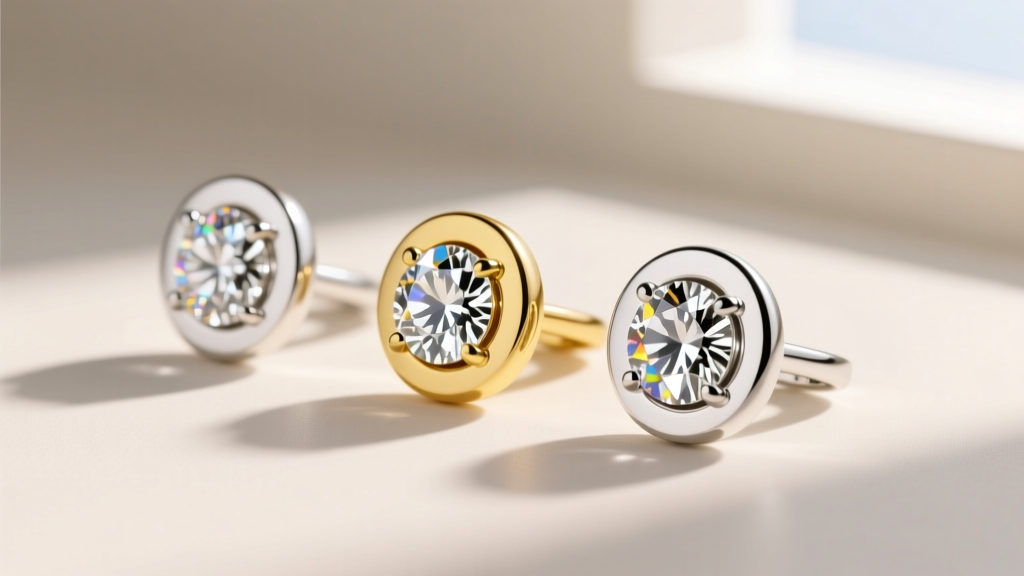
How Bezel Metals Impact Diamond Light Performance
A common misconception is that a bezel setting inherently makes a diamond look dull by blocking light. While it is true that a bezel obstructs light from entering through the girdle, a well-proportioned round brilliant diamond primarily draws light through its table and crown facets. The metal's interior polish and color play a massive role in light return.
- White Metals (Platinum & Rhodium-Plated White Gold): These act as a mirrored box. Light that enters the diamond and hits the pavilion facets is bounced back through the crown with minimal color distortion, maximizing the diamond's brilliance and fire.
- Yellow/Rose Gold: These metals absorb blue and white light wavelengths, reflecting warm tones back into the diamond. If your diamond has a lower clarity grade (e.g., SI1 or SI2), the warm reflections can actually help mask minor dark inclusions, a trick often utilized by expert gemologists.
For maximum brilliance in a bezel set diamond earring, jewelers will often use a 'white gold head' (the immediate bezel cup) soldered onto a yellow gold post, giving you the structural warmth of yellow gold with the optical brilliance of white gold surrounding the stone.
Material Failure Modes and Maintenance Realities
Every metal has a specific failure mode. Understanding these will help you anticipate the maintenance required to keep your earrings secure and pristine.
| Metal Type | Vickers Hardness (HV) | Density (g/cm³) | Primary Failure Mode | Maintenance Cycle |
|---|---|---|---|---|
| Platinum (Pt950) | ~125 HV | 21.45 | Surface scratching (Patina) | Polish every 3-5 years |
| 18k White Gold | ~125-130 HV | 15.50 | Rhodium wear, metal loss | Re-plate every 1-2 years |
| 14k Yellow Gold | ~140 HV | 13.00 | Post bending, clasp fatigue | Check post tension annually |
| 14k Rose Gold | ~145 HV | 13.20 | Copper oxidation (tarnish) | Ultrasonic clean every 6 mos |
One critical failure point in earrings is the solder joint where the bezel cup meets the earring post. Because platinum requires much higher temperatures to solder (over 1,700°C) compared to gold, the risk of thermal shock to the diamond is higher during manufacturing or resizing. Always ensure your jeweler uses laser welding for platinum bezel repairs to protect the diamond's internal crystal lattice.
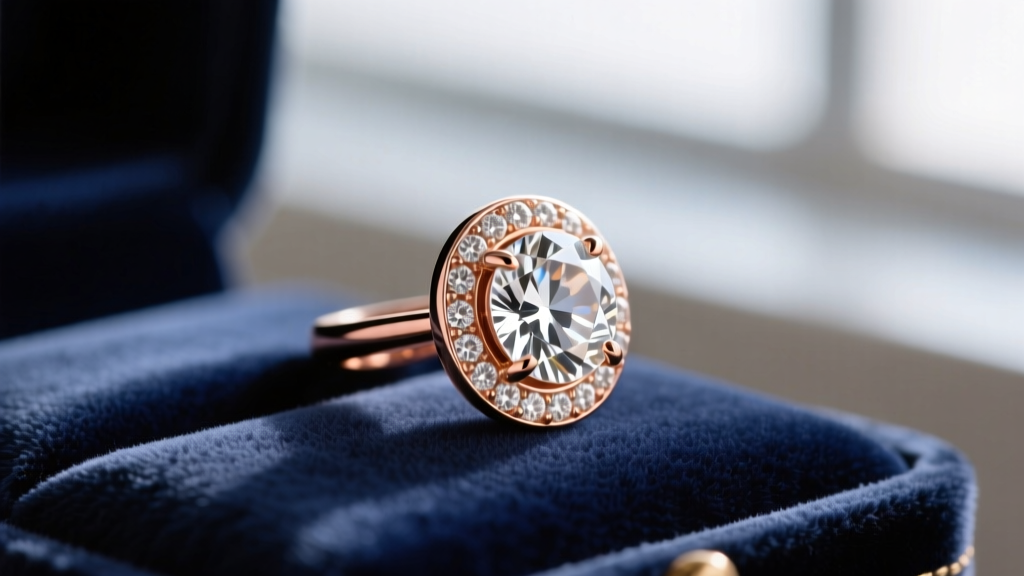
Pricing Tiers: What You Actually Pay For
The pricing of a bezel set diamond earring is heavily influenced by the metal's density and current market spot prices. While the spot price of gold per ounce is often higher than platinum, platinum jewelry is almost always more expensive. Why? Because platinum is nearly twice as dense as gold. A solid platinum bezel cup and post will weigh significantly more than the exact same design cast in 18k gold.
"When evaluating pricing, consumers must look beyond the raw metal cost. The labor required to cast, clean up, and hand-burnish a platinum bezel is roughly 30% higher than gold due to platinum's high melting point and toughness." — Jewelers of America Manufacturing Standards
Estimated Metal Setting Costs (Excluding Diamonds):
- 14k Yellow/White Gold: $150 - $250 per pair (Standard weight)
- 18k White/Yellow Gold: $300 - $450 per pair (Heavier, premium alloy)
- Platinum (Pt950): $550 - $800+ per pair (High density, intensive labor)
Expert Verdict: Choosing Your Ideal Bezel Metal
The ideal metal for your bezel set diamond earring depends entirely on your lifestyle, maintenance tolerance, and the specific color grade of your diamonds. If you have invested in D-F colorless diamonds and want a zero-maintenance, heirloom-quality setting that will never wear thin, Platinum (Pt950) is the undisputed champion. Its displacement properties ensure the bezel wall remains thick and secure for generations.
If you prefer a brighter, high-polish white metal but have a stricter budget, 18k White Gold is an excellent choice, provided you are willing to budget for rhodium replating every few years. Finally, if you are setting G-J near-colorless diamonds and want a vintage, warm aesthetic with high tensile strength for active lifestyles, 14k Yellow or Rose Gold offers the best balance of durability, optical warmth, and affordability. Always verify the diamond's clarity and cut proportions before finalizing your metal, as the interplay between the stone's facets and the bezel's inner wall will define the earring's ultimate brilliance.


