Teeth Earrings Guide: How to Style Molar and Shark Tooth Jewelry
Discover how to wear teeth earrings safely. This beginner guide covers molar studs, shark tooth dangles, safe materials, and styling.


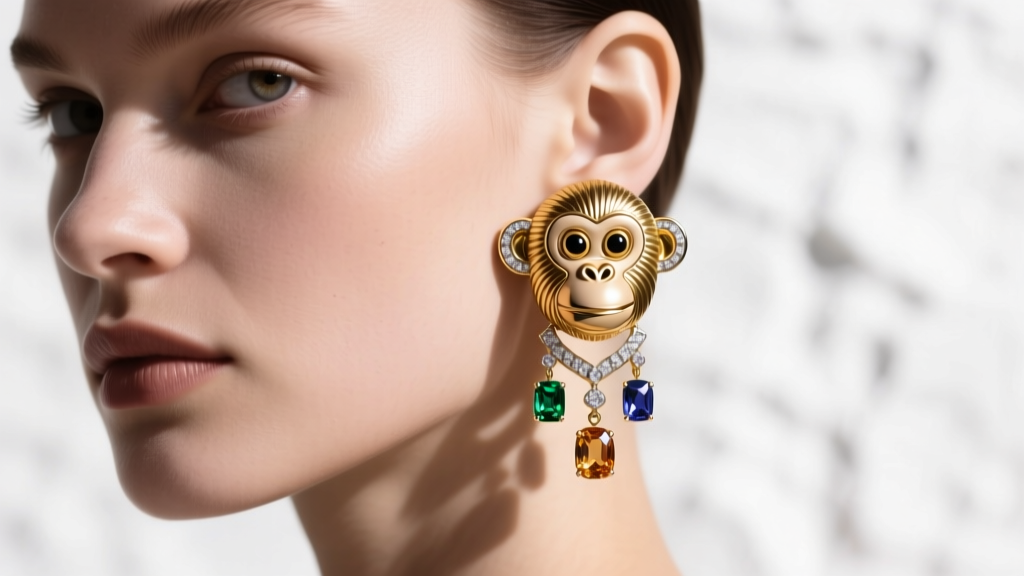
Teeth earrings occupy a fascinating crossroads in modern body modification and fashion. On one end of the spectrum, you have the dark, anatomical allure of human molar and canine replicas, favored by gothic, grunge, and dark academia aesthetics. On the other end, you have the rugged, natural appeal of shark and animal teeth, which anchor coastal, bohemian, and festival styles. However, because teeth jewelry often involves organic materials, heavy charms, and unconventional shapes, beginners frequently make critical errors regarding piercing safety, gauge sizing, and ethical sourcing. This comprehensive guide will walk you through everything you need to know about selecting, wearing, and maintaining teeth earrings in 2026.
The Two Pillars of Teeth Jewelry
Before purchasing your first pair, it is essential to understand the two primary categories of teeth earrings, as they require entirely different approaches to styling and aftercare.
Anatomical Replicas (Molars, Canines, and Incisors)
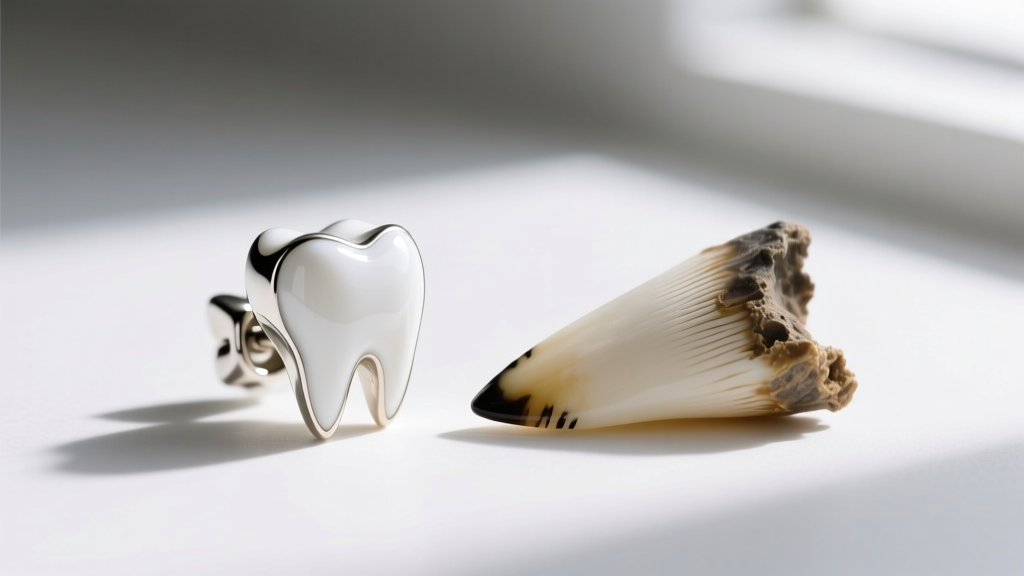
Anatomical jewelry replicates human or animal skeletal structures. In the ear, these are typically rendered as small, detailed molar studs or elongated canine fangs that hang as delicate dangles. They are usually cast in metals like 316L surgical steel, sterling silver, or solid gold, and occasionally feature white enamel or dental-grade acrylic fills to mimic the look of real bone. These pieces are highly popular in alternative fashion circles and pair beautifully with curated ear projects featuring oxidized metals and dark gemstones.
Natural and Fossilized Teeth (Shark, Bear, and Wolf)
Natural teeth earrings lean heavily into bohemian, surfer, and 'coastal grandmother' aesthetics. Shark teeth—particularly fossilized megalodon or sand tiger shark teeth—are the most common. Because real teeth are organic, they are often wrapped in gold or silver wire, or capped with metal bails to attach to standard earring hooks. While visually striking, natural teeth introduce significant biological and ethical variables that every beginner must navigate.
Material Safety: Porosity and Piercing Health
The most common mistake beginners make is inserting real, porous organic materials into unhealed or sensitive piercings. According to the Association of Professional Piercers (APP), jewelry worn in the body must be non-porous to prevent the harboring of bacteria, dead skin cells, and sebum. Real bone, antler, and natural teeth are highly porous. If worn in a healing piercing, they can absorb moisture, harbor Staphylococcus bacteria, and lead to severe localized infections or contact dermatitis.
For beginners, the golden rule is to separate the post (the part that goes inside your body) from the charm (the decorative tooth). Always opt for an ASTM F136 implant-grade titanium or 14k/18k solid gold post, and attach the tooth charm via a secure jump ring or threadless end.
| Material Type | Porosity | Safe for Healing Piercings? | Average Price Range |
|---|---|---|---|
| Real Bone / Natural Tooth | High | No (Healed piercings only) | $25 - $150+ |
| Dental Acrylic / Resin | Zero | Yes (if attached to Ti post) | $15 - $45 |
| White Enamel over Brass | Zero | No (High nickel/allergy risk) | $10 - $30 |
| 316L Steel / Solid Gold Cast | Zero | Yes | $30 - $120 |
Gauge Sizing and the 'Cheese Cutter Effect'
Teeth are inherently dense and heavy. A standard butterfly-back stud is designed to hold a lightweight 2mm gemstone, not a 12mm solid resin molar or a wire-wrapped fossilized shark tooth. When a heavy charm is suspended from a thin wire, it creates what professional piercers call the 'cheese cutter effect.' The thin metal slowly slices through the earlobe tissue, causing migration, stretching, and eventual tearing.
To prevent this, you must match the gauge of your earring to the weight of the tooth charm:
- 20G (0.81mm): Only suitable for ultra-lightweight, tiny 3mm enamel molar studs or micro-canine tragus studs.
- 18G (1.02mm): Appropriate for standard-sized metal tooth dangles and lightweight resin charms.
- 16G (1.29mm) to 14G (1.6mm): Mandatory for heavy, natural fossilized shark teeth, large wire-wrapped animal claws, or oversized gothic fang dangles. If your lobe is currently pierced at 20G, consider having a professional piercer stretch it to 16G to safely accommodate the weight of the jewelry.
Pro Tip: Ditch standard push-in butterfly backs for heavy teeth earrings. Use threadless (press-fit) labret backs or internally threaded flat backs. The tension of a threadless pin or the security of a threaded screw will ensure a heavy shark tooth dangle doesn't pull the backing off and get lost in your hair or bedding.
Ethical Sourcing and CITES Regulations
When shopping for natural animal teeth, beginners often inadvertently support illegal wildlife trafficking. The Convention on International Trade in Endangered Species (CITES Species Database) strictly regulates the sale of many animal parts. For example, purchasing modern Great White Shark teeth or bear claws without proper documentation is illegal in many jurisdictions and fuels poaching.
As an ethical alternative, look for fossilized teeth. Fossilized shark teeth (such as those from the extinct Otodus megalodon or Carcharocles) are millions of years old, completely legal to trade, and offer a stunning, dark, mineralized aesthetic that pairs beautifully with gold wire wrapping. Alternatively, seek out vendors who provide certificates of ethical bycatch sourcing for modern marine life.
Styling Frameworks for Every Aesthetic
Teeth earrings are incredibly versatile if you know how to style them within your existing wardrobe and ear curation.
The Anatomical Minimalist (Dark Academia / Gothic)
For a subtle, intellectual, and slightly macabre look, opt for oxidized sterling silver or matte black ruthenium-plated molar studs. Place a 4mm molar stud in your upper lobe or helix, and pair it with a delicate, 10mm canine fang dangle in the lower lobe. This asymmetrical, anatomical approach looks exceptionally sharp when paired with turtlenecks, tailored blazers, and dark, moody makeup.
The Coastal Bohemian (Festival / Surfer)
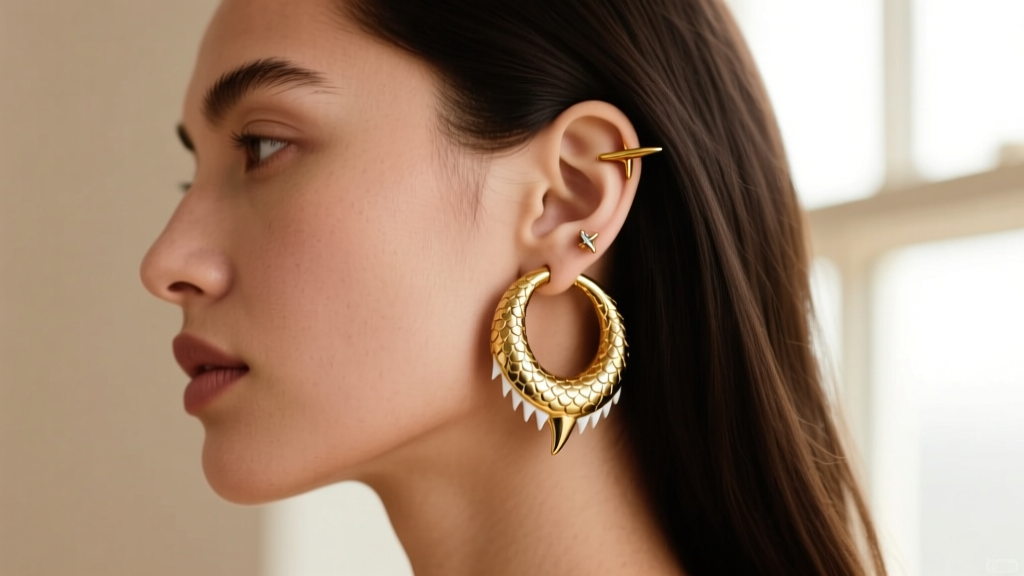
If your style leans towards relaxed, beachy vibes, fossilized shark teeth are your best friend. Look for teeth wrapped in raw, unpolished 14k gold fill or sterling silver wire. Hang a medium-sized fossilized tooth from a 16G gold hoop or a heavy-duty huggie. This style thrives on texture and warmth, looking perfect alongside layered beaded necklaces, linen shirts, and sun-kissed skin.
Maintenance Protocols for Organic and Cast Materials
Cleaning teeth earrings requires specific protocols depending on the material. The International Gem Society (IGS) notes that organic gem materials require vastly different care than crystalline stones or metals.
- For Real Bone and Natural Teeth: Never use ultrasonic cleaners, rubbing alcohol, or hydrogen peroxide. Harsh chemicals will strip the natural oils from the bone, causing it to become brittle, crack, and eventually rot. Clean them gently with a soft-bristled brush, warm water, and a mild, unscented castile soap. Once a month, rub a tiny drop of jojoba oil into the tooth to keep it hydrated and prevent splitting.
- For Metal Casts and Enamel: Standard jewelry cleaning solutions are safe. However, if your molar stud features white enamel, avoid abrasive polishing cloths, as they can scratch the enamel surface and dull the glossy, tooth-like finish.
- For Resin and Acrylic: Wipe down with a damp microfiber cloth. Prolonged exposure to direct sunlight can cause cheap resins to yellow over time, mimicking the look of aged bone (which some prefer, but others do not).
Final Thoughts for Beginners
Teeth earrings are a bold, conversation-starting addition to any jewelry collection. By prioritizing implant-grade titanium posts, respecting the weight limits of your earlobes, and committing to ethical sourcing, you can wear molar studs and shark tooth dangles safely and stylishly. Whether you are leaning into the anatomical edge of a gothic molar or the earthy charm of a fossilized shark tooth, understanding the mechanics behind the jewelry ensures your piercings remain as healthy as they are striking.