Thunderbird Earrings: The 2026 Budget & Value Guide
Discover how to evaluate thunderbird earrings in 2026. Compare prices, verify Native American authenticity, and assess turquoise and silver value.

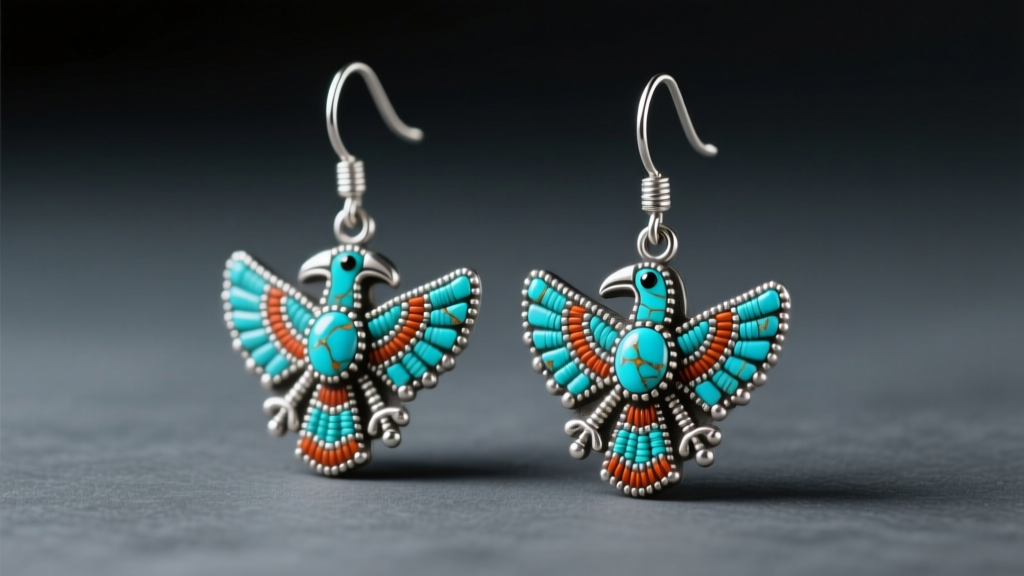
The thunderbird is one of the most powerful and recognizable motifs in Indigenous North American art, symbolizing strength, protection, and the raw forces of nature. When translated into jewelry, thunderbird earrings range from mass-produced tourist trinkets to master-crafted heirloom pieces commanding thousands of dollars. As of 2026, the market for Native American and First Nations jewelry is more complex than ever, with rising silver prices and severe turquoise scarcity shifting the value landscape dramatically.
Whether you are looking at Southwest Zuni inlay, Navajo silverwork, or Pacific Northwest Haida formline carvings, understanding the material grades, hardware integrity, and legal markers of authenticity is essential. This guide provides a rigorous budget and value assessment to help you invest wisely in thunderbird earrings.
Decoding the Thunderbird Earring Market
Before assessing price, it is critical to distinguish between the two primary cultural interpretations of the thunderbird in jewelry, as their construction methods and material costs differ vastly.
- Southwest Styles (Navajo, Zuni, Hopi): Typically crafted from sterling or coin silver, featuring lapidary work like Zuni stone inlay, Hopi silver overlay, or Navajo turquoise cabochon settings. The thunderbird is often stylized with geometric wings and a prominent tail.
- Pacific Northwest Coast Styles (Haida, Tlingit, Kwakwaka'wakw): Often carved from red cedar or cast in silver/gold, featuring distinct 'formline' design elements. These pieces frequently incorporate abalone shell inlay and are valued heavily on the artist's lineage and carving precision.
In 2026, the secondary market for vintage 1970s Southwest thunderbird earrings has surged, driven by collectors seeking pieces made before the closure of major domestic turquoise mines.
Price Tiers and Value Expectations
Establishing a realistic budget requires understanding what your money actually buys in terms of materials and labor. Below is the 2026 market breakdown for thunderbird earrings.
| Tier | Price Range (USD) | Materials & Construction | Origin & Authenticity |
|---|---|---|---|
| Fashion / Import | $15 - $60 | Silver-plated brass, alpaca, dyed howlite, or 'block' turquoise. Cast in molds with glued-in stones. | Mass-produced overseas. Not legally permitted to be marketed as 'Native American'. |
| Entry-Level Authentic | $85 - $250 | .925 Sterling silver, stabilized turquoise (e.g., Kingman), simple stamp work or basic chip inlay. | Authentic Native American artisans, often smaller studs or lightweight dangles. |
| Master Artisan | $300 - $1,200 | Coin silver, high-grade natural turquoise, complex Zuni needlepoint/petit point, or precision Hopi overlay. | Established Native artists, gallery-represented, featuring deep hallmarks and provenance. |
| Vintage / Heirloom | $1,500 - $5,000+ | Historic coin silver, rare mined turquoise (Lander Blue, Number 8), exceptional Pacific Northwest abalone carving. | Museum-quality vintage pieces or contemporary masterworks by renowned First Nations carvers. |
Material Valuation: Silver and Stone Grades
The core value of Southwest thunderbird earrings lies in the raw materials. A 10-gram pair of earrings can vary in price by hundreds of dollars based purely on the silver alloy and stone treatment.
Silver: Sterling vs. Coin
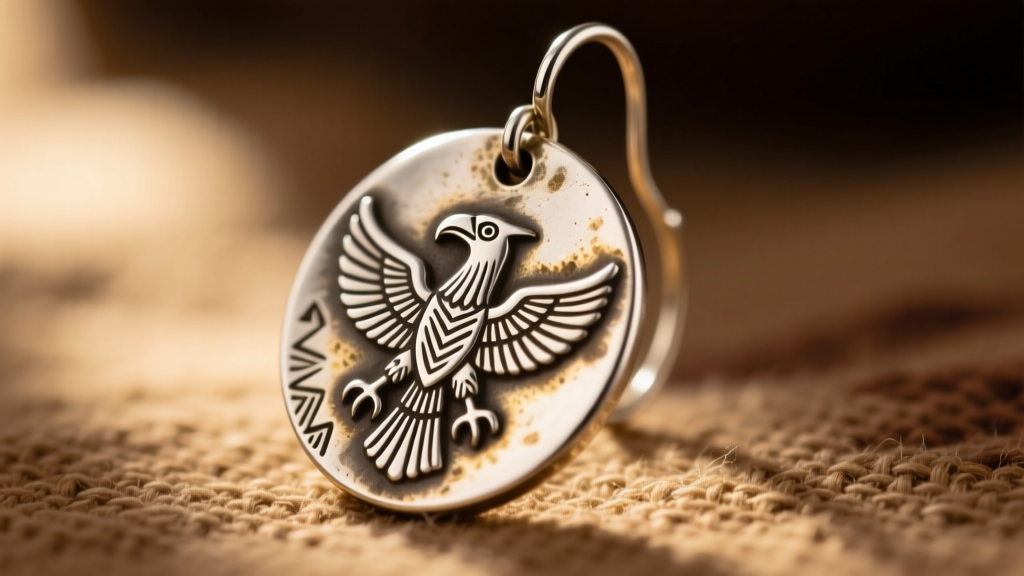
Most modern authentic pieces use .925 Sterling Silver. However, traditional Navajo and Hopi smiths often prefer Coin Silver (.900), which is melted down from pre-1965 US coins. Coin silver is slightly softer, allowing for deeper, more fluid repoussé and stamp work, and it develops a highly prized, dark oxidation patina over time. If a dealer claims a piece is coin silver, look for the softer, hand-hammered texture and the absence of a rigid '.925' machine stamp.
Turquoise: The Value Multiplier
According to the Gemological Institute of America (GIA), turquoise treatments drastically alter market value. When evaluating the stones in a thunderbird motif, use this hierarchy:
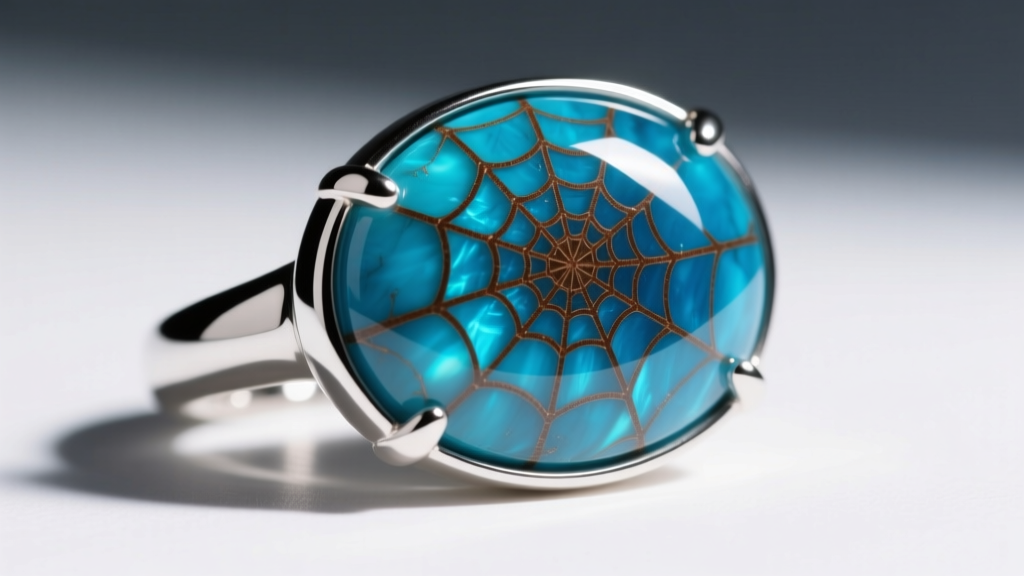
- Natural, Untreated: Commands the highest premium. Only about 5-10% of mined turquoise is hard enough to be cut without stabilization. Mines like Lander Blue or Lone Mountain yield stones that can exceed $100 per carat.
- Stabilized: Genuine turquoise that has been treated with a clear epoxy or polymer (like the Zachery method) to harden it and enhance color. This is standard for 80% of authentic Native jewelry and is considered an acceptable, honest practice, though it holds a fraction of the value of natural stone.
- Block / Dyed Howlite: Pulverized stone mixed with plastic, or entirely different minerals (like howlite or magnesite) dyed blue. This is the hallmark of the $15-$60 import tier and holds zero intrinsic gem value.
The Authenticity Test: Hallmarks and Legal Protections
The most critical factor in your budget assessment is ensuring you are not paying artisan prices for imported castings. In the United States, the Indian Arts and Crafts Board enforces the Indian Arts and Crafts Act of 1990, which makes it illegal to offer or display for sale any art or craft product in a manner that falsely suggests it is Indian-produced.
'It is illegal to offer or display for sale, or sell, any art or craft product in a manner that falsely suggests it is Indian-produced, an Indian product, or the product of a particular Indian or Indian Tribe.' — Indian Arts and Crafts Act of 1990
To verify authenticity and justify the price tag, inspect the earrings for the following:
- The Artist's Hallmark: Authentic pieces are almost always signed on the back of the post plate or the reverse of the drop. This may be a stamped initial, a clan symbol (like a bear paw or sunburst), or an engraved signature.
- Shop Stamps: Reputable trading posts like Garland's Navajo Rugs or Hubbell Trading Post often stamp their own logo alongside the artist's mark, guaranteeing provenance.
- Construction Clues: Imported fakes often feature 'snake eye' or perfectly uniform round stones that are machine-cut. Authentic Zuni needlepoint thunderbirds will show microscopic variations in stone cutting and bezel wrapping, proving hand fabrication.
Hardware, Gauge, and Structural Integrity
A common failure mode in mid-tier thunderbird drop earrings is post bending or clutch failure. The thunderbird design, particularly in Zuni inlay or heavy Navajo silver, creates a top-heavy pendulum effect that puts immense stress on the earlobe and the hardware.
Gauge Specifications
Standard commercial earrings use 20-gauge (0.81mm) wire for the post. However, if you are purchasing heavy thunderbird drops exceeding 8 grams per earring, a 20-gauge post will inevitably bend under the weight, ruining the structural integrity and risking loss. For heavy artisan pieces, ensure the artist has used an 18-gauge (1.02mm) or even 16-gauge (1.29mm) post. Note that 16-gauge posts may require slightly stretched piercings, so verify the gauge with the seller before purchasing.
Securing the Investment
Standard butterfly friction backs are insufficient for heavy, valuable thunderbird earrings. When budgeting for a $500+ pair, allocate an extra $20 to $40 for high-security backs. La Poussiere locking clutches or silicone screw-backs provide the necessary tension to keep heavy silver and turquoise drops secure against the earlobe, preventing the earring from drooping or slipping out during wear.
Final Verdict: Where to Invest Your Budget
If your budget is under $100, focus on small, lightweight sterling silver thunderbird studs from verified Native American cooperatives rather than risking your money on large, suspiciously cheap drop earrings that are likely imported alloys. If your budget exceeds $300, demand natural, untreated turquoise and heavy-gauge coin silver, and insist on a verifiable artist hallmark. By prioritizing material integrity and legal authenticity over sheer size, you ensure your thunderbird earrings serve as both a culturally respectful adornment and a sound financial investment in 2026 and beyond.


