Toenail Earrings: Avant-Garde Value & Budget Guide
Assessing the budget, material safety, and artistic value of avant-garde toenail earrings. Discover what to pay for cast silver vs. resin replicas.

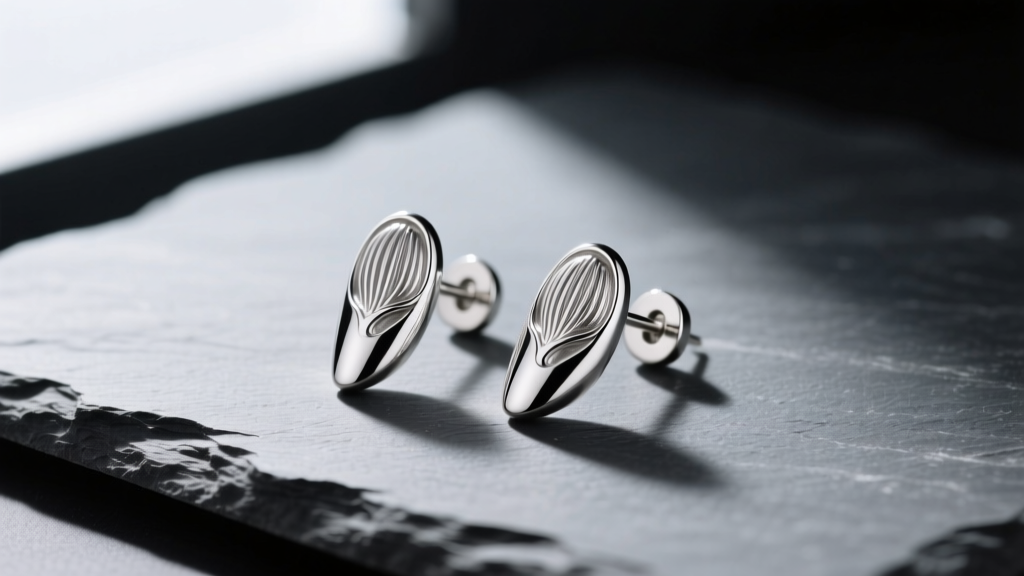
The intersection of high fashion and shock value has birthed some of the most polarizing accessories of the decade, but few pieces generate as much visceral reaction—and curiosity—as toenail earrings. In the 2026 avant-garde accessories market, anatomical jewelry has moved from underground body-modification circles onto mainstream surrealist runways. However, when a trend relies heavily on shock factor, consumers must ask: is there genuine artistic and material value, or are you simply paying for a gimmick? This comprehensive budget and value assessment breaks down the manufacturing realities, material safety, and true cost of owning anatomical replica jewelry.
The Surrealist Revival: Understanding the Trend
Toenail earrings do not involve actual biological matter—at least, not from any reputable jeweler. Instead, they are hyper-realistic, anatomical replicas of the human toe and nail, typically cast in metal or medical-grade resin. This trend is a direct descendant of Elsa Schiaparelli’s 1930s surrealist jewelry and the macabre art-jewels of the Victorian mourning era. Today, independent designers use 3D-scanning technology to capture exact anatomical topographies, creating pieces that blur the line between hyper-realism and body horror.
From a value perspective, the appeal lies in the subversion of traditional beauty standards. Collectors of avant-garde fashion view these pieces as wearable art rather than conventional adornment. However, because the market is saturated with both master-crafted art pieces and cheap, mass-produced novelty plastics, assessing the true value requires a deep dive into material science and manufacturing integrity.
Material Science & Hygiene: What You Are Actually Wearing
When evaluating the budget for toenail earrings, the material dictates not only the price but the biological safety of the piece. The intricate crevices of an anatomical toenail replica—specifically the cuticle and nail bed grooves—are prime traps for sebum, dead skin cells, and environmental bacteria. Therefore, material porosity is your primary enemy.
Implant-Grade Titanium (ASTM F-136)
The gold standard for any body jewelry, including avant-garde replicas, is ASTM F-136 implant-grade titanium. It is entirely non-porous, hypoallergenic, and can be safely sterilized in an autoclave. Titanium toenail earrings are typically reserved for high-end, bespoke art jewelers. Because titanium requires higher casting temperatures and specialized investment powders, pieces made from this material command a premium but offer unmatched longevity and skin safety.
Sterling Silver (925)
Many mid-tier designers cast anatomical earrings in sterling silver. While beautiful and capable of capturing microscopic skin textures via lost-wax casting, silver is prone to oxidation. The deep grooves of a toenail replica will tarnish rapidly when exposed to the sulfur in human sweat. If you invest in silver anatomical jewelry, you must commit to regular maintenance using a soft-bristled brush and specialized silver dip, as standard polishing cloths cannot reach the recessed 'cuticle' areas of the casting.
UV-Cured Resin and Silicone
At the lowest end of the budget spectrum are 3D-printed resin or silicone variants. While these allow for hyper-pigmented, realistic nail polish effects, standard UV resins can be porous and may cause contact dermatitis if worn against freshly pierced lobes or sensitive cartilage. According to the Association of Professional Piercers (APP), only specific, fully cured, and sealed medical-grade bioplastics should be worn in active piercings. Novelty resin pieces should strictly be worn on healed, robust lobe piercings or as clip-ons.
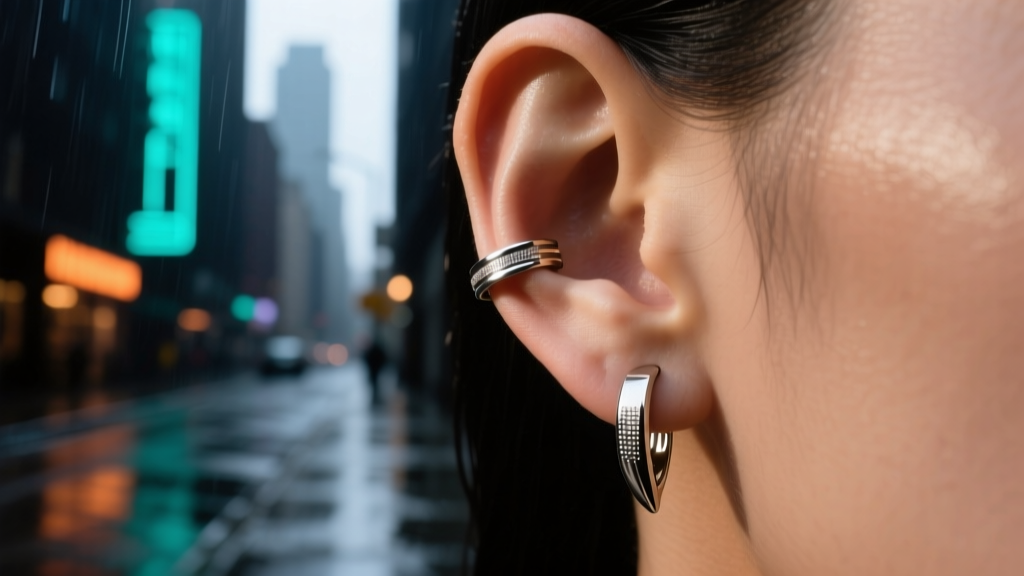
Budget Assessment: Pricing Tiers for Anatomical Jewelry
To determine if you are getting a fair deal, you must categorize toenail earrings by their manufacturing method and material integrity. The table below outlines the expected market rates in 2026 for genuine anatomical replica jewelry.
| Material & Method | Price Range (USD) | Value Proposition | Best For |
|---|---|---|---|
| Mass-Produced Novelty Resin | $12 - $35 | Low. High depreciation, porous, prone to snapping at the post joint. | Single-use editorial shoots, costume wear, shock-value gifting. |
| Lost-Wax Cast 925 Silver | $85 - $220 | Medium-High. Excellent detail retention, heavy weight, requires strict anti-tarnish maintenance. | Avant-garde collectors, surrealist fashion enthusiasts. |
| Bespoke ASTM F-136 Titanium | $250 - $600+ | High. Archival quality, skin-safe, lightweight, often features hand-set gemstone 'polish' accents. | Serious art-jewelry investors, daily wear in sensitive piercings. |
| Upcycled / Mixed Media Art | $150 - $400 | Variable. Value is tied entirely to the artist's reputation and gallery representation. | Gallery exhibitions, high-fashion editorial styling. |
The Hidden Costs of Maintenance
When budgeting for highly textured anatomical jewelry, factor in the cost of ultrasonic cleaners. A standard jewelry polishing cloth is useless for the deep ridges of a cast toenail. An entry-level ultrasonic cleaner ($30–$50) is practically mandatory to vibrate trapped sebum and environmental grit out of the microscopic crevices without scratching the metal surface.
Red Flags: Spotting Scams and Biohazard Risks
Because the internet thrives on the bizarre, a dark underbelly of the anatomical jewelry market exists on unregulated marketplaces. You may encounter listings claiming to sell 'authentic' or 'upcycled' biological toenail earrings sealed in epoxy or resin. Avoid these at all costs.
Biological matter, even when encased in resin, poses severe biohazard risks. Improperly preserved keratin and tissue can harbor fungal spores and bacteria that degrade over time, causing the resin to cloud, crack, and emit foul odors. Furthermore, the Jewelers Vigilance Committee strictly monitors the misrepresentation of jewelry materials; selling unregulated biological waste as wearable accessories violates marketplace safety policies and basic hygiene standards. True value in this niche comes from the artistry of the replica, not the morbidity of the source material. If a seller cannot provide a CAD rendering or a wax mold photo of their casting process, walk away.
The Manufacturing Reality: How True Value is Forged
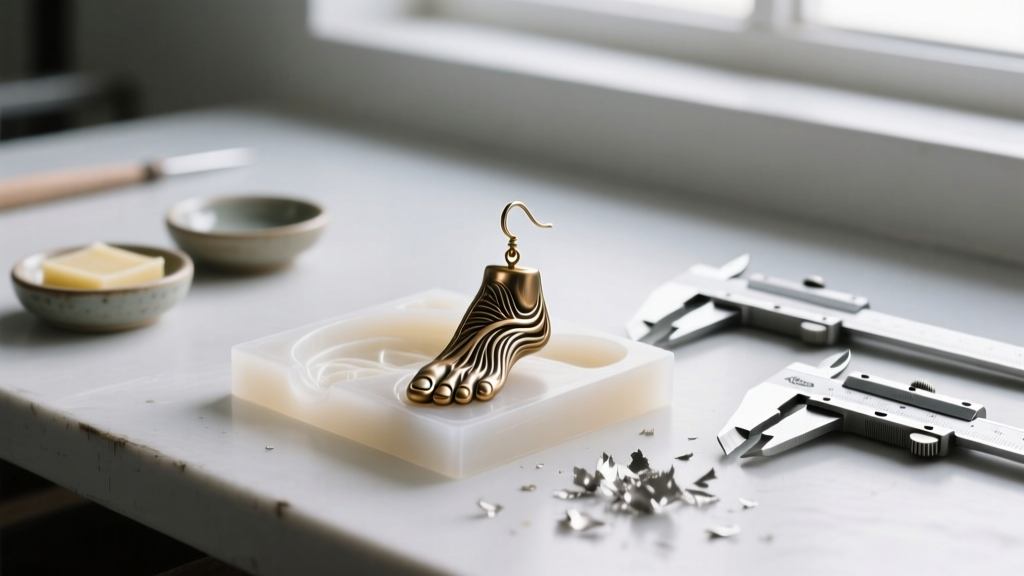
To appreciate the budget of high-end toenail earrings, you must understand the labor involved. Master jewelers begin by 3D-scanning a real subject's foot to capture the asymmetrical, organic curves of the nail bed and knuckle. This digital file is then cleaned and prepped for SLA (Stereolithography) 3D printing using castable wax resin.
Once printed, the wax replica is attached to a sprue, encased in a plaster-like investment, and burned out in a kiln. Molten silver or gold is then centrifugally forced into the void. The resulting raw casting is covered in microscopic 'investment scale' that must be painstakingly removed under a microscope using dental tools and brass wire brushes. This labor-intensive process—often taking 6 to 10 hours per pair just for cleaning and polishing the deep cuticle grooves—is why a master-cast pair of silver anatomical earrings rarely dips below $120. You are paying for the digital sculpting, the precision casting, and the microscopic finishing.
Final Verdict: Are They Worth Your Money?
The value of toenail earrings is entirely subjective, resting on your appreciation for surrealist, boundary-pushing fashion. If you are seeking a cheap novelty item to shock friends at a party, a $20 resin pair will suffice, though it holds zero long-term value and poses minor skin-safety risks. However, if you view jewelry as wearable sculpture, investing $150 to $300 in a lost-wax cast silver or titanium piece from an independent avant-garde designer offers genuine artistic merit. These pieces serve as conversation starters, editorial staples, and legitimate additions to a curated, unconventional jewelry collection. Just remember: prioritize implant-grade metals, demand proof of the casting process, and invest in an ultrasonic cleaner to protect your avant-garde investment.


