Troubleshooting Imperial Candle Earrings: Weight & Clasps
Fix heavy imperial candle earrings with expert troubleshooting. Learn gauge upgrades, clasp swaps, and tapered bezel repairs for long drops.

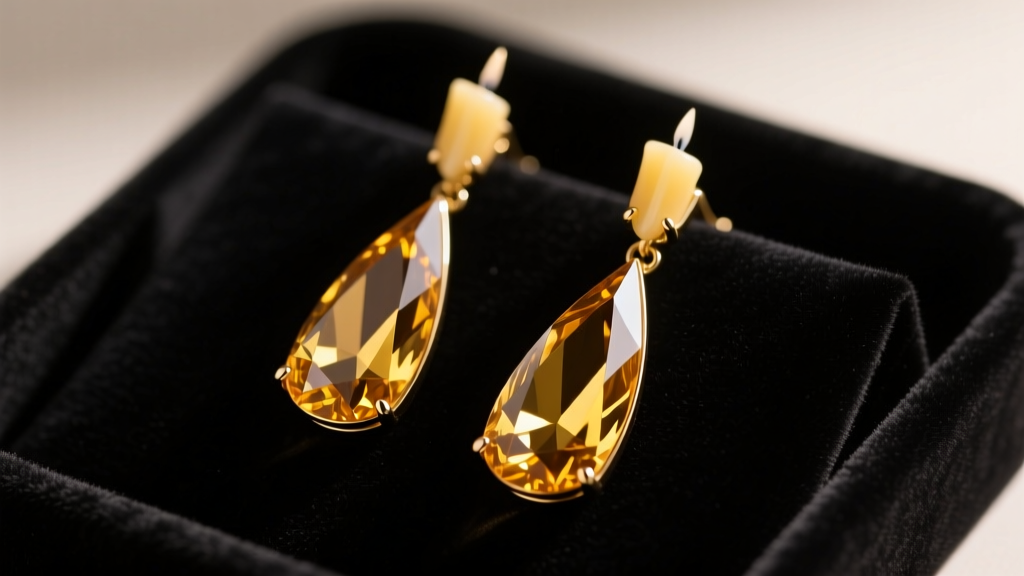
The Anatomy and Physics of Imperial Candle Earrings
Imperial candle earrings are a striking, highly specialized category of drop and dangle jewelry. Characterized by their elongated, tapering silhouettes—mimicking the shape of a flickering candle flame or a classic candlestick—these pieces often feature imperial topaz, citrine, or artisan-carved wax-resin elements. While their dramatic 60mm to 100mm lengths make them a staple for high-fashion and vintage-inspired styling, their unique geometry creates significant mechanical challenges for the wearer.
The primary issue stems from physics: the pendulum effect. Because the bulk of the earring's mass (often 8 to 14 grams per piece) is concentrated at the bottom of a long, narrow taper, the moment of inertia is exceptionally high. Every time you turn your head, the earring swings, multiplying the downward and lateral force exerted on the earlobe piercing. Without proper structural troubleshooting, this leads to lobe migration, clasp failure, and gemstone damage.
Troubleshooting Lobe Trauma: The Cheese-Cutter Effect
The most common complaint among collectors of heavy imperial candle drops is the "cheese-cutter" effect. This occurs when a thin ear wire slowly slices through the earlobe tissue due to sustained tension and swinging momentum. According to guidelines on tissue trauma from the Association of Professional Piercers (APP), prolonged wear of heavy jewelry on thin-gauge wires causes irreversible lobe thinning and eventual tearing.
Upgrading Wire Gauges and Metallurgy
Most commercial artisan dangles are strung on 20-gauge (0.81mm) or 18-gauge (1.0mm) ear wires to maintain a delicate aesthetic. For an imperial candle earring weighing over 8 grams, this is a critical failure point. To solve this, you must upgrade the ear wire to a thicker, work-hardened metal.
- 16-Gauge (1.2mm): The minimum safe threshold for drops weighing 8-12 grams. Use work-hardened 316L stainless steel or titanium to prevent the wire from bending under the pendulum load.
- 14-Gauge (1.6mm): Required for oversized, heavy brass or solid gold candle drops exceeding 12 grams. Note that your piercing must be stretched or naturally healed to accommodate this thickness.
- Metallurgical Warning: Avoid 24k or high-karat gold wires for heavy drops. Gold is highly malleable and will deform under a 10-gram swinging load, altering the hang of the earring and risking loss.
| Earring Weight | Drop Length | Minimum Wire Gauge | Recommended Backing |
|---|---|---|---|
| Under 5g | < 40mm | 20g (0.81mm) | Standard friction back |
| 5g - 10g | 40mm - 70mm | 18g (1.0mm) | Silicone O-ring (Shore A 40) |
| 10g - 15g | 70mm - 100mm | 16g (1.2mm) | Locking leverback or Ear cuff |
| Over 15g | > 100mm | 14g (1.6mm) | French wire + Silicone bullet |
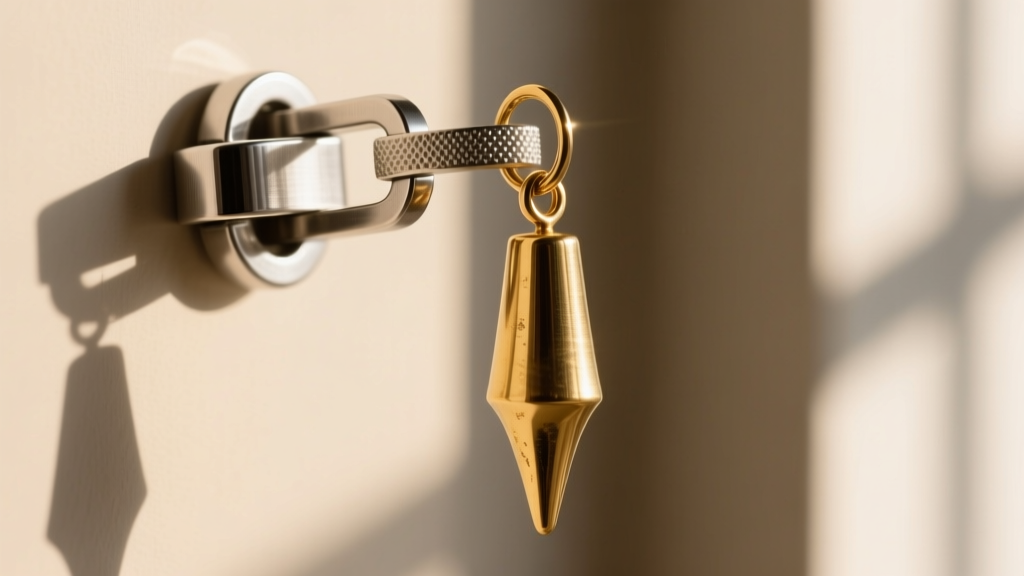
Solving Clasp Slippage on Heavy Tapered Drops
Because imperial candle earrings are bottom-heavy, they naturally tilt forward when worn. If your earrings utilize standard shepherd hooks or fishhook wires, this forward tilt pulls the curve of the wire out of the piercing, resulting in lost jewelry.
The Locking Leverback Solution
Replace shepherd hooks with locking leverbacks. A high-quality leverback features a hinged closure that snaps into a catch, creating a continuous loop that physically cannot slip through the earlobe. When sourcing replacement leverbacks from suppliers like Rio Grande Jewelry Supply, ensure the catch mechanism has a minimum engagement depth of 2.5mm to withstand the lateral torque of a swinging candle drop.
Advanced Weight Distribution: The Micro-Chain Ear Cuff Method
For oversized, runway-style imperial candle earrings that exceed 15 grams, even a 14-gauge wire may cause discomfort after a few hours of wear. The ultimate troubleshooting solution is to bypass the lobe's load-bearing capacity entirely using a micro-chain ear cuff system. This involves attaching a delicate, 20mm sterling silver or titanium chain from the top jump ring of the candle drop to a snug, non-piercing cartilage cuff. The cuff grips the helix or auricle, effectively suspending the earring and transferring up to 60% of the pendulum's static and dynamic weight to the thicker cartilage tissue. This not only prevents lobe tearing but also drastically reduces the swinging momentum, keeping the taper perfectly aligned with the jawline.
Maintaining Tapered Bezels and Wax-Resin Elements
The structural integrity of the earring head is just as vulnerable as the ear wire. Imperial candle designs frequently use tapered bezels to hold elongated gemstones or carved resin "wax" elements. The swinging motion of the earring creates repetitive micro-impacts that can loosen these settings over time.
Gemstone Setting Risks and Care
When your imperial candle earrings feature genuine imperial topaz, you must be acutely aware of the stone's physical properties. Topaz has perfect basal cleavage, meaning it can split cleanly along specific crystallographic planes if subjected to sharp, uneven pressure. A tapered bezel that is slightly misaligned will apply asymmetric torque to the stone during a swing, risking a catastrophic fracture. If you notice the stone rattling, do not wear the earring. Take it to a bench jeweler to have the bezel re-burnished using a specialized pusher, ensuring even pressure distribution across the girdle.
Cleaning Precautions: Never use ultrasonic cleaners on imperial candle earrings. The high-frequency vibrations will rapidly accelerate the loosening of tapered bezels and can shatter topaz with internal fluid inclusions. Instead, clean the drops using a soft-bristled baby toothbrush, warm distilled water, and a drop of mild, phosphate-free dish soap. Dry immediately with a lint-free microfiber cloth to prevent water spots on the resin elements.
Repairing Artisan Wax-Resin Components
Many modern artisan interpretations of the imperial candle style use UV-cured resins or synthetic waxes to mimic the translucent, dripping look of candle wax. Over time, exposure to UV light and skin oils can cause these elements to yellow, become brittle, or crack at the drill hole where the jump ring attaches.
Troubleshooting Resin Fatigue:
- Stabilize Cracks: If a hairline crack appears near the jump ring, apply a micro-drop of cyanoacrylate (jewelry-grade super glue) into the fissure using a needle tip. Capillary action will draw the glue deep into the crack.
- Re-casting Missing Elements: If a "wax" drip has broken off, you can rebuild it using a clear, non-yellowing UV jewelry resin. Apply the resin in thin layers, curing each layer with a 36W UV lamp for 60 seconds to prevent heat buildup that could shock adjacent gemstones.
- Polishing: To remove surface yellowing and micro-scratches, polish the resin elements with a mild plastic polish and a microfiber cloth, avoiding the metal settings to prevent patina removal.

Final Thoughts on Preserving Vintage and Artisan Drops
Imperial candle earrings are a masterclass in dramatic jewelry design, but their elongated geometry demands respect and proactive maintenance. By understanding the physics of the pendulum effect and upgrading your findings to match the earring's mass, you can preserve both your earlobes and your investment. Always prioritize 16-gauge or thicker work-hardened wires, secure your clasps with locking mechanisms or high-durometer silicone, and routinely inspect tapered bezels for asymmetrical torque.
Storing these pieces correctly is the final step in troubleshooting longevity. Never toss imperial candle drops into a shared jewelry box where the heavy tapered ends can crush delicate chains or scratch softer metals. Store them hanging from a specialized earring rack or laid perfectly flat in individual velvet-lined compartments. If the ear wires have been bent out of shape during wear, do not bend them back with your fingers; use a nylon-jaw jewelry plier and a stepped wire mandrel to restore the perfect curvature without stressing the metal's crystalline structure. With these troubleshooting protocols in place, your candle drops will remain a flawless, sweeping statement piece for years to come.


