Tory Burch Earrings Studs: 2026 Value & Quality Assessment
Are Tory Burch earrings studs worth the investment? We analyze 2026 pricing, enamel durability, metal allergies, and competitor value.

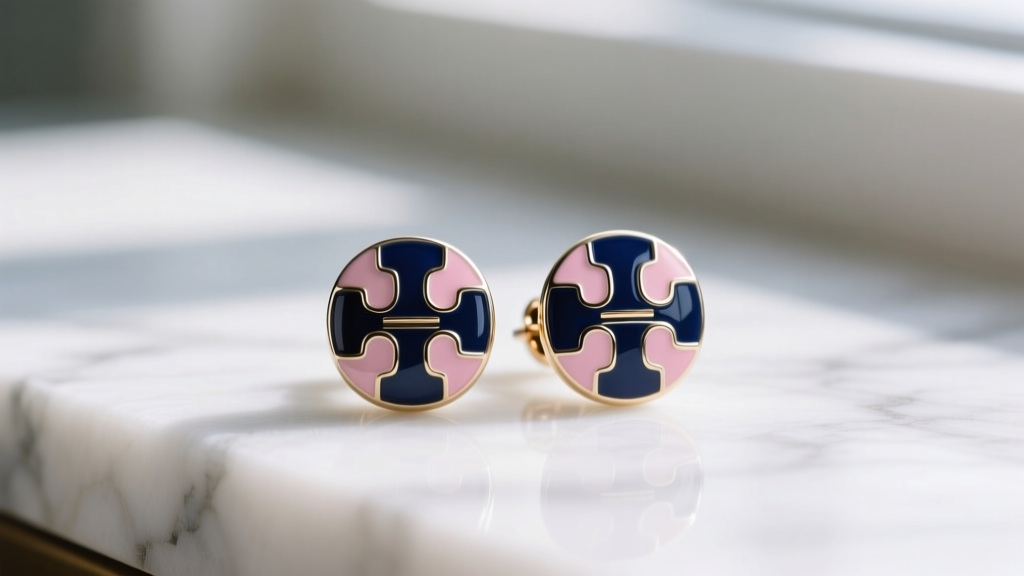
When building a curated, everyday jewelry wardrobe, the transition from fast fashion to accessible luxury is a critical step. For over a decade, Tory Burch earrings studs—particularly the iconic Miller and Kira collections—have served as a gateway into designer accessories. But as we navigate the 2026 jewelry market, where direct-to-consumer brands offer solid gold and vermeil alternatives at similar price points, the value proposition of traditional fashion house jewelry requires a stringent reassessment. Are you paying for enduring craftsmanship, or simply the interlocking 'T' logo?
In this comprehensive budget and value assessment, we dissect the metallurgical realities, pricing tiers, and long-term durability of Tory Burch stud earrings. We will compare them against direct market competitors and provide a practical framework to help you decide if they deserve a spot in your daily rotation.
The True Cost of Tory Burch Earrings Studs in 2026
To accurately assess value, we must first segment the pricing tiers of Tory Burch's stud earring lineup. As of 2026, the brand's stud earrings generally fall into three distinct categories, each with a different value-to-cost ratio:
- Entry-Level Enamel (The Miller Collection): Retailing between $58 and $78, these are the brand's most recognizable pieces. They feature the signature cutout 'T' logo filled with cold enamel. While highly recognizable, the material cost is exceptionally low, meaning you are paying an 80% premium for the brand name.
- Crystal & Pavé Styles (The Kira & Ella Collections): Priced from $98 to $148, these studs incorporate cubic zirconia (CZ) or glass crystals set in brass. The craftsmanship here is slightly elevated, with micro-prong settings that mimic fine jewelry, but the base materials remain inexpensive.
- Seasonal & Runway Embellished Studs: Ranging from $168 to $248, these feature faux pearls, resin cabochons, and intricate metalwork. These are statement pieces with high visual impact but poor long-term repairability if components become unglued.
From a strict budget perspective, the $60 to $150 range places Tory Burch in direct competition with brands offering heavier precious metal plating or even solid 14k gold alternatives, making the 'designer tax' a significant factor in your purchasing decision.
Material Breakdown: What Are You Actually Paying For?
Understanding the material science behind fashion jewelry is essential for assessing long-term value. According to the Federal Trade Commission's Jewelry Guides, brands must accurately disclose base metals and plating, though the thickness of that plating is rarely advertised.
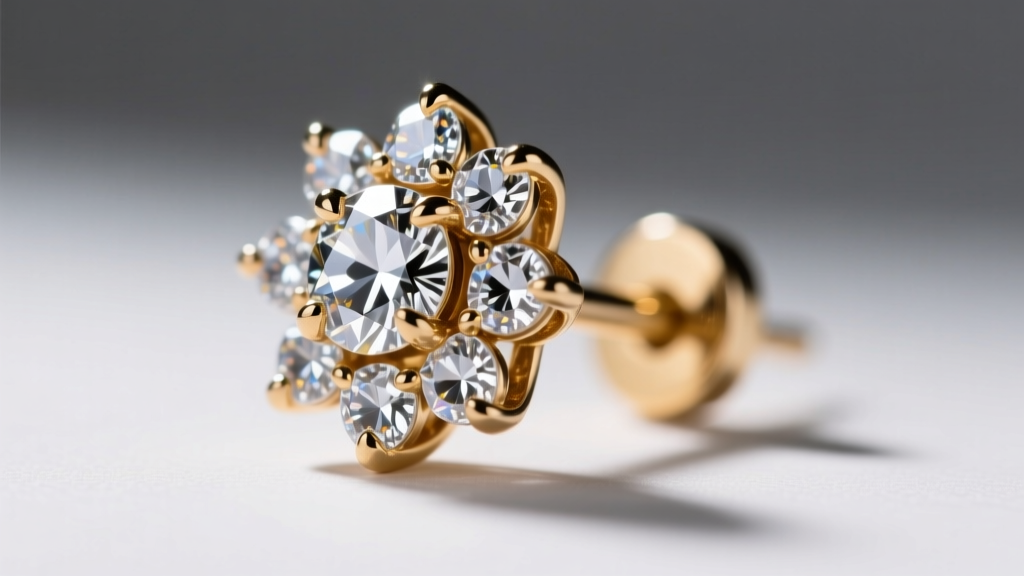
Tory Burch stud earrings are predominantly crafted from a brass base alloy, which is then flash-plated with either 18k gold, palladium, or rhodium. Flash plating typically involves a microscopic layer of precious metal (often less than 0.1 microns thick). While this provides a brilliant initial luster, it lacks the durability of 'vermeil' (which requires a minimum of 2.5 microns of gold over sterling silver). Consequently, daily wearers will often experience 'brassing'—where the gold plating wears away on the high-friction edges of the 'T' logo, exposing the yellowish-brown brass beneath.
The Cold Enamel Durability Factor
The vibrant colors of the Miller studs are achieved using cold enamel, which is essentially a two-part epoxy resin rather than traditional vitreous (fired glass) enamel. Cold enamel is excellent for achieving uniform, opaque colors at scale. However, it is highly susceptible to micro-chipping if dropped on hard surfaces like porcelain or tile. Furthermore, prolonged exposure to UV light and the acidic pH of human sweat can cause lighter enamel shades (like blush pink or ivory) to yellow or dull over a period of 18 to 24 months.
2026 Competitor Comparison Chart
To contextualize the budget and value assessment, we must look at the broader market. How do Tory Burch earrings studs compare to other accessible luxury and direct-to-consumer brands in 2026? The table below breaks down the critical specifications.
| Brand & Model | Base Metal | Plating Type | Price Range | Post Gauge |
|---|---|---|---|---|
| Tory Burch (Miller Stud) | Brass Alloy | 18k Gold Flash Plate | $58 - $78 | 20G (0.8mm) |
| Kate Spade (Spade Flower) | Brass Alloy | 12k Gold Plate | $48 - $68 | 20G (0.8mm) |
| Mejuri (Bold Enamel Stud) | Sterling Silver | 14k Gold Vermeil | $68 - $88 | 20G (0.8mm) |
| Gorjana (Parker Stud) | Brass Alloy | 18k Gold Plated | $45 - $55 | 20G (0.8mm) |
| Quince (Solid Gold Studs) | Solid 14k Gold | N/A (Solid) | $55 - $75 | 20G (0.8mm) |
As the data illustrates, for the same $68 price point as a basic Tory Burch enamel stud, a consumer could purchase solid 14k gold studs from a transparent retailer like Quince, or thick vermeil over sterling silver from Mejuri. The value proposition of Tory Burch relies entirely on brand prestige rather than intrinsic material superiority.
Sizing, Gauge, and Cartilage Compatibility
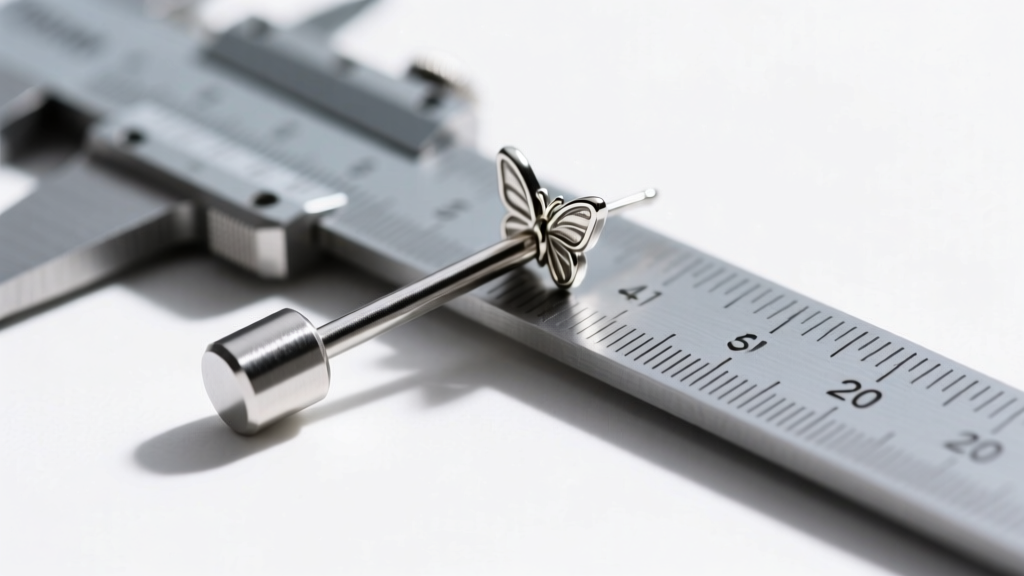
A frequently overlooked aspect of earring valuation is the hardware. Tory Burch stud earrings universally utilize a standard 20-gauge (0.81mm) post made from surgical stainless steel or titanium, paired with a traditional butterfly friction back.
While 20G is the industry standard for healed lobe piercings, the hardware design presents specific limitations:
- Cartilage Incompatibility: The standard post length (approximately 10mm) and the bulky butterfly back make these studs unsuitable for cartilage piercings (like the helix or tragus). Cartilage requires longer initial posts and flat-back labret studs to prevent embedding and pressure necrosis.
- Friction Back Hygiene: The butterfly clutch features multiple crevices that trap sebum, dead skin cells, and hair products. If not cleaned weekly with isopropyl alcohol, this buildup can cause contact dermatitis or localized infections, which many wearers mistakenly attribute to a metal allergy rather than poor hygiene.
- Nickel Sensitivity Risks: While the post itself is usually hypoallergenic steel, the decorative front is brass. If the plating on the front face degrades and the earring sits flush against the skin, sweat can facilitate a reaction to the copper and zinc alloys in the brass base.
Maintenance and Common Failure Modes
To maximize the return on your investment, you must understand the common failure modes of designer fashion jewelry. Based on long-term wear testing, here are the primary issues encountered with Tory Burch studs and how to mitigate them:
- Stone Loss in Pavé Settings: The cubic zirconia stones in the Kira and Ella collections are held by micro-prongs cast directly from the brass mold. These prongs are relatively soft. Snagging the earring on a knit sweater or towel can bend a prong, resulting in a lost stone. Mitigation: Put earrings on after dressing, and store them in individual microfiber pouches.
- Enamel Discoloration: As noted by gemological and material experts at the GIA Gem Encyclopedia, synthetic resins and epoxies degrade differently than natural minerals. Hairspray, perfume, and chlorine will chemically etch the surface of cold enamel. Mitigation: Always apply the 'last on, first off' rule. Never wear enamel studs in the shower or pool.
- Clutch Tension Loss: Over time, the metal loops on the butterfly backs stretch, causing the earring to droop or fall out. Mitigation: Gently squeeze the loops of the friction back together with jewelry pliers every six months to restore tension.
Final Verdict: Who Should Buy Them?
From a purely material and budget-driven perspective, Tory Burch earrings studs represent a poor investment for the strict value-seeker. If your primary goal is acquiring durable, hypoallergenic, and tarnish-resistant jewelry, your $60 to $100 is far better spent on solid 14k gold pieces from transparent direct-to-consumer brands, or heavy vermeil options from specialized demi-fine jewelers.
However, value is not solely dictated by melt-weight and microns. Tory Burch studs remain a highly viable purchase for a specific type of consumer: the brand-conscious professional seeking recognizable, polished, and conservative office-appropriate accessories. The Miller stud, in particular, offers an instant aura of tailored sophistication that pairs seamlessly with corporate attire. If you view the $65 price tag as the cost of entry into a specific aesthetic and brand heritage—rather than a purchase of precious metals—then Tory Burch studs still hold significant stylistic value in 2026.
Treat Tory Burch studs as you would a designer silk scarf: they are an investment in brand identity and visual polish, requiring careful maintenance and an understanding that they are luxury fashion items, not fine jewelry heirlooms.


