Transparent Earrings: Material Guide for Sensitive Piercings
Compare glass, bioplast, and acrylic transparent earrings. Discover the best clear materials for sensitive ears, fresh piercings, and hidden retainers.

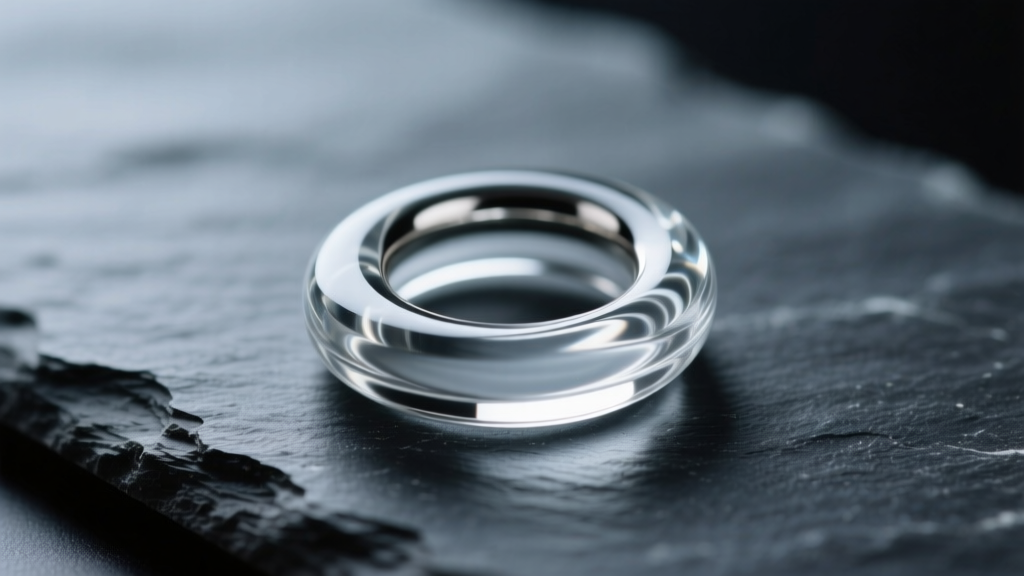
The Rise of Invisible Jewelry: Why Material Matters
Transparent earrings occupy a unique and critical space in body modification and fine jewelry. Whether you are navigating strict corporate dress codes, preparing for an MRI scan, managing a fresh piercing that requires a non-metallic retainer, or simply preferring a minimalist aesthetic, clear jewelry is indispensable. However, the term 'transparent' is a visual descriptor, not a material classification. The molecular structure of the jewelry sitting inside your fistula dictates its biocompatibility, durability, and safety.
Choosing the wrong clear material can lead to severe contact dermatitis, micro-tears in the fistula, or catastrophic jewelry failure. In this comprehensive material comparison, we dissect the chemical and physical properties of the four primary materials used to manufacture transparent earrings: Borosilicate Glass, Bioplast/PTFE, Cast Acrylic (PMMA), and Clear Quartz.
Glass vs. Bioplast vs. Acrylic: The Core Contenders
To understand which transparent earrings are right for your specific anatomy and lifestyle, we must evaluate how these materials interact with human tissue, environmental stressors, and sterilization protocols.
Fused Silica and Borosilicate Glass
Borosilicate glass (often recognized by the brand name Pyrex) is the gold standard for transparent, non-metallic body jewelry. Unlike standard soda-lime glass, borosilicate incorporates boron trioxide, which drastically lowers its coefficient of thermal expansion. This means it will not crack under extreme temperature changes, making it 100% autoclave safe.
- Biocompatibility: Completely inert. It does not leach chemicals, absorb sebum, or harbor bacteria in microscopic pores.
- Weight & Gauge: Excellent for standard lobe piercings (18g to 10g). However, in larger gauges (0g and above), solid glass becomes prohibitively heavy, risking lobe migration and thinning.
- Optical Clarity: Maintains perfect transparency indefinitely without yellowing or clouding.
Bioplast and PTFE (Teflon)
When flexibility is required—such as for awkwardly angled cartilage piercings or oral retainers—rigid glass is not viable. Enter Bioplast (a trademarked medical-grade flexible polymer) and PTFE (Polytetrafluoroethylene). According to the Association of Professional Piercers (APP), high-quality PTFE and specific bio-compatible flexible plastics are among the few non-metals approved for initial piercings.
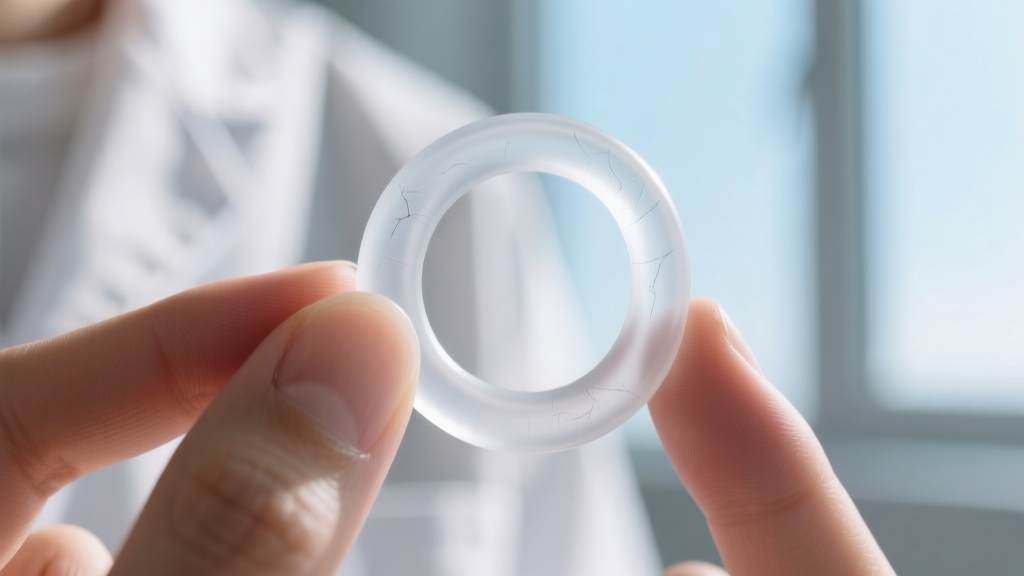
- Autoclave Safety: True Bioplast can withstand standard autoclave temperatures (121°C / 250°F), whereas generic flexible plastics may warp.
- Tissue Response: PTFE has an incredibly low coefficient of friction, making it exceptionally gentle on healing tissue and ideal for surface piercings or ear scaffolds that experience swelling.
- Aesthetics: These materials are rarely 'crystal clear.' They typically possess a translucent, milky, or frosted appearance.
Acrylic and Epoxy Resins (PMMA)
Cast acrylic, scientifically known as Polymethyl Methacrylate (PMMA), is the most common and affordable material for clear fashion earrings. However, it is strictly contraindicated for fresh piercings. The British Plastics Federation notes that while PMMA is widely used in medical implants, the cast acrylic used in consumer jewelry often contains residual monomers and UV-curing agents that can leach into the body when exposed to heat and moisture.
Expert Warning: Never wear acrylic transparent earrings in an unhealed fistula. The material is micro-porous, cannot be sterilized in an autoclave (it will melt and release toxic fumes), and body heat accelerates monomer leaching, frequently causing acute localized dermatitis.
Material Properties Comparison Matrix
The following table breaks down the critical specifications for transparent earring materials, assuming a standard 14-gauge (1.6mm) post or retainer.
| Material | Autoclave Safe | Fresh Piercing Safe | MRI Safe | Avg. Price Range |
|---|---|---|---|---|
| Borosilicate Glass | Yes (up to 134°C) | Yes | Yes | $18 - $35 |
| Bioplast / PTFE | Yes (up to 121°C) | Yes | Yes | $8 - $15 |
| Cast Acrylic (PMMA) | No (Melts/Warps) | No (Healed Only) | Yes | $5 - $12 |
| Clear Quartz | Yes (with caveats) | Yes (if polished) | Yes | $25 - $60 |
Gauge Stability and Threading Mechanics
The structural integrity of transparent earrings varies wildly depending on the gauge (thickness) of the post. This is a critical failure point that many mass-market jewelry brands ignore.
The Acrylic Shearing Problem
At thinner gauges (18g and 16g), acrylic posts are notoriously fragile. Because internal threading requires tapping a hollow core into the post—which is impossible in solid 16g acrylic without compromising its structural integrity—manufacturers rely on external threading or friction-fit O-rings. External threading on acrylic creates sharp, jagged ridges that can easily tear the delicate epithelial lining of the earlobe during insertion. Furthermore, the sheer force required to push a tight acrylic post through a healing lobe can cause the post to snap cleanly in half.
Glass and O-Ring Friction
Glass retainers typically utilize a smooth, unthreaded post secured by a silicone or rubber O-ring. While this eliminates the tearing associated with threading, it introduces a different mechanical challenge: groove depth. If the O-ring groove on a glass retainer is cut too deep, it creates a stress concentration point where the glass will chip or snap under lateral pressure. Always inspect the groove of a glass retainer under magnification before insertion.
Real-World Troubleshooting: Cloudiness and Cracking
Even in fully healed piercings, transparent earrings are subject to environmental degradation. Understanding these failure modes will help you know when to retire a piece of jewelry.
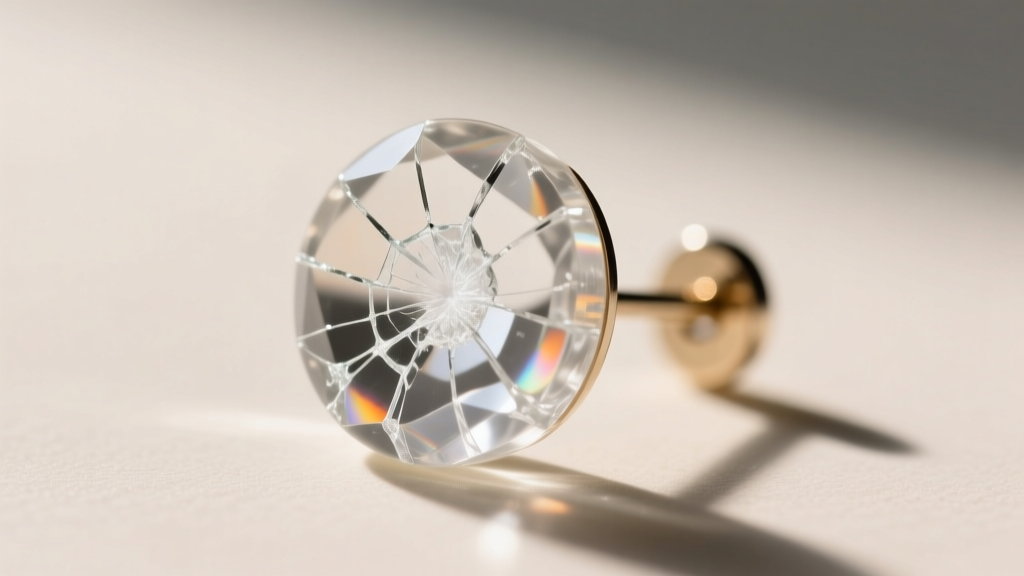
Acrylic Crazing
If your clear acrylic earrings develop a frosty, cloudy appearance or microscopic surface cracks, this is known as 'crazing.' This is caused by the absorption of sebum, sweat, and cosmetic chemicals (like hairspray or perfume), combined with UV degradation. Once acrylic has crazed, its surface becomes highly porous and impossible to fully sanitize. Discard crazed acrylic immediately to prevent bacterial trapping and subsequent earlobe infections.
Bioplast Yellowing and Memory Retention
While Bioplast and PTFE are highly biocompatible, they are not immortal. Prolonged exposure to UV light and natural skin oils will cause flexible retainers to yellow over a 6 to 12-month period. Additionally, flexible polymers suffer from 'memory retention'—if a retainer is bent at a sharp angle for months, it will permanently deform, applying uneven pressure to the piercing channel and potentially causing migration.
Clear Quartz: The Natural Alternative
For those seeking a premium, natural alternative to synthetic polymers and manufactured glass, clear quartz is a viable option. However, natural crystals come with inherent geological flaws. Unlike lab-created borosilicate, natural quartz often contains microscopic inclusions, fissures, and cleavage planes. If a quartz retainer is dropped on a hard surface, it is highly likely to fracture along these natural fault lines. Furthermore, the interior polish of a quartz post must be flawless; any microscopic pitting will act as a saw blade against your fistula during daily movement.
Expert Verdict: Which Transparent Material Should You Choose?
Selecting the right transparent earrings requires matching the material's physical properties to your specific biological and lifestyle needs:
- For Fresh Piercings & MRI Scans: Borosilicate glass is the undisputed champion. It is completely inert, optically flawless, and can withstand rigorous sterilization. If the piercing angle is complex, opt for medical-grade PTFE.
- For Corporate Concealment (Healed Lobes): Glass retainers with flesh-toned or clear silicone O-rings offer the best balance of discretion and hygiene.
- For Fashion & Temporary Wear (Healed Only): Cast acrylic is acceptable for short-term wear in fully matured piercings, provided you monitor for crazing and remove the jewelry before sleeping to prevent snapping.
By prioritizing material science over mere aesthetics, you ensure that your transparent earrings remain a safe, comfortable, and invisible asset to your personal style.


